Now Reading: Red, White, and Blue Ash: A Patriotic Display
-
01
Red, White, and Blue Ash: A Patriotic Display
Red, White, and Blue Ash: A Patriotic Display
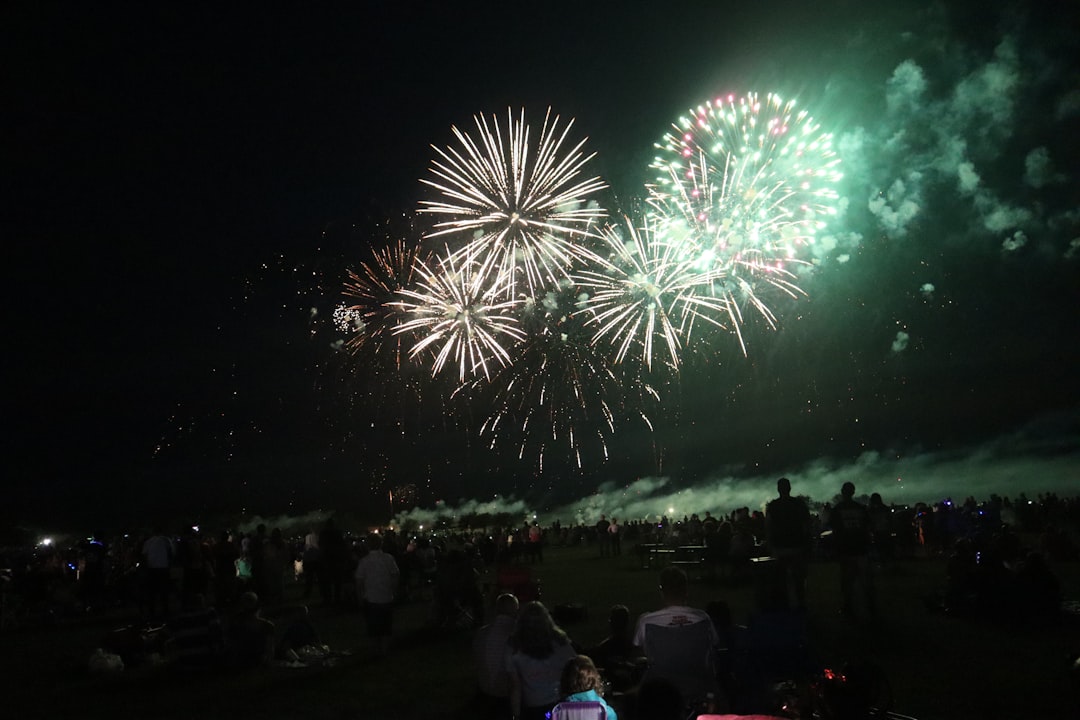
The tradition of creating red, white, and blue ash displays has deep roots in American history, tracing back to the early days of the nation. The colors symbolize the values of freedom, bravery, and unity, which are foundational to the American identity. The use of these colors in various forms of display can be linked to significant historical events, such as the American Revolution and the establishment of the United States flag in 1777.
Over time, these displays have evolved from simple flag representations to elaborate artistic expressions that celebrate national pride. In the 19th century, as the United States expanded and developed its cultural identity, communities began to adopt more organized forms of patriotic displays. The introduction of Independence Day celebrations in 1776 marked a pivotal moment in the use of red, white, and blue as symbols of national pride.
Towns across the country began to incorporate these colors into their festivities, leading to the creation of vibrant parades and public gatherings that showcased the spirit of patriotism. This historical context laid the groundwork for the modern-day ash displays that we see today.
Key Takeaways
- Red, white, and blue ash displays have a rich history dating back to the early 19th century, when they were used to celebrate patriotic events and national holidays.
- Creating red, white, and blue ash displays involves carefully selecting and arranging colored ash to form intricate patterns and designs that represent the American flag.
- The colors red, white, and blue hold deep symbolism in American culture, representing valor, purity, and vigilance, respectively.
- Patriotic displays play a crucial role in fostering a sense of community pride and unity, especially during national holidays and events.
- Tips for creating stunning red, white, and blue ash displays include using high-quality ash, paying attention to detail, and incorporating creative designs to make a lasting impact.
How Red, White, and Blue Ash Displays are Created
Creating red, white, and blue ash displays involves a meticulous process that combines creativity with a deep understanding of materials. Artists and community members often start by selecting a base for their display, which can range from traditional wooden frames to more innovative structures made from recycled materials. The choice of base is crucial as it sets the tone for the overall aesthetic of the display.
Once the base is established, the next step involves sourcing materials that embody the colors red, white, and blue. This can include a variety of items such as colored ash, fabric, paint, and even natural elements like flowers or foliage. The layering technique is often employed to create depth and texture within the display.
Artists may use techniques such as decoupage or mixed media to enhance visual appeal. The final touch often includes lighting elements that illuminate the display at night, adding an enchanting glow that draws attention and admiration.
The Symbolism of Red, White, and Blue in American Culture
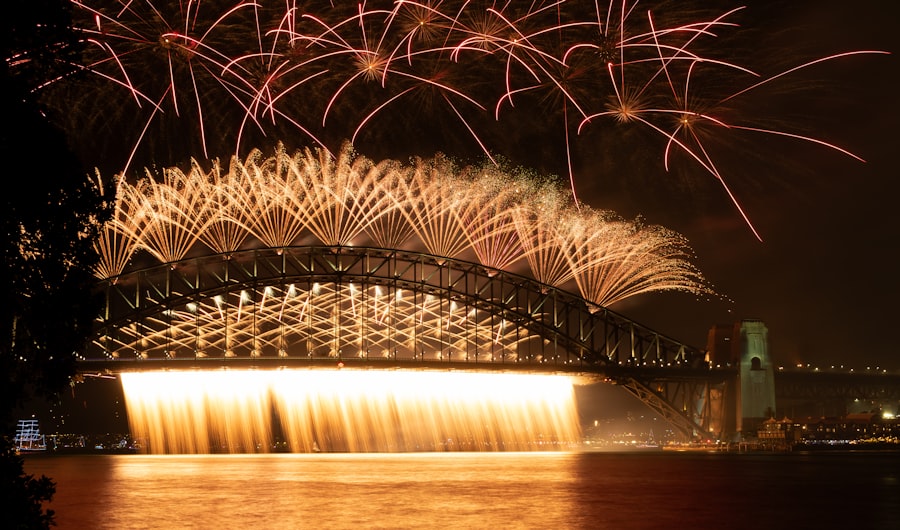
The colors red, white, and blue carry profound symbolism within American culture. Red represents valor and bravery, often associated with the sacrifices made by those who fought for independence. White symbolizes purity and innocence, reflecting the ideals upon which the nation was founded. Blue signifies vigilance, perseverance, and justice—qualities that are essential for maintaining a free society.
Together, these colors encapsulate the essence of American values and ideals. In addition to their individual meanings, these colors also serve as a unifying force among diverse populations within the United States. They transcend cultural boundaries and foster a sense of belonging among citizens.
During national holidays and events, the display of these colors becomes a collective expression of patriotism that resonates deeply with individuals from all walks of life. This shared symbolism reinforces community bonds and encourages participation in civic activities.
The Importance of Patriotic Displays in Communities
| Community | Percentage of Patriotic Displays | Impact on Community Unity |
|---|---|---|
| Small Town A | 80% | Increased sense of pride and togetherness |
| City B | 60% | Improved community spirit and solidarity |
| Suburb C | 75% | Enhanced neighborhood cohesiveness |
Patriotic displays play a vital role in fostering community spirit and engagement. They serve as a visual reminder of shared values and collective history, encouraging individuals to come together in celebration of their national identity. These displays often act as focal points during community events, drawing people from various backgrounds to participate in festivities that honor their heritage.
Moreover, patriotic displays can have a significant impact on local economies. Events centered around these displays often attract visitors from neighboring areas, boosting local businesses and promoting tourism. Community organizations frequently collaborate to create larger-scale displays that not only celebrate national pride but also support local artisans and vendors.
This synergy between patriotism and economic growth highlights the multifaceted benefits of red, white, and blue ash displays.
Tips for Creating a Stunning Red, White, and Blue Ash Display
Creating an eye-catching red, white, and blue ash display requires careful planning and execution. Here are some tips to ensure your display stands out: 1. **Choose a Theme**: Decide on a central theme that resonates with your community or personal values.
This could be historical events, local heroes, or even abstract concepts like unity or freedom. 2. **Incorporate Textures**: Use a variety of materials to add depth to your display.
Combining different textures—such as smooth fabrics with rough wood or shiny paint with matte finishes—can create visual interest. 3. **Lighting**: Consider how your display will be viewed at different times of day.
4. **Community Involvement**: Engage local artists or community members in the creation process.
This not only fosters collaboration but also ensures that the display reflects a diverse range of perspectives.
**Sustainability**: Opt for eco-friendly materials whenever possible.
Using recycled items or natural elements can add an environmentally conscious dimension to your display.
The Role of Red, White, and Blue Ash Displays in Celebrating National Holidays
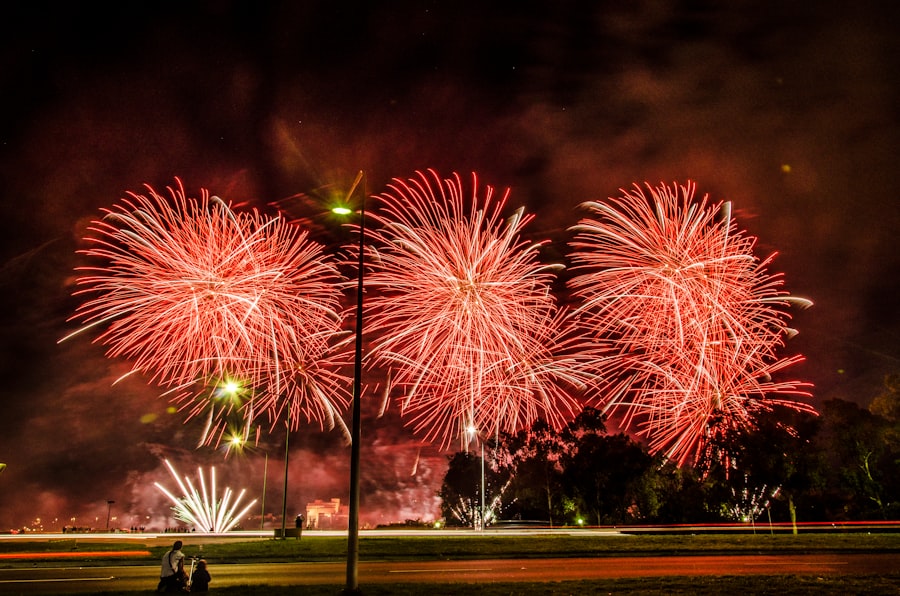
National holidays such as Independence Day and Memorial Day are prime opportunities for showcasing red, white, and blue ash displays. These occasions provide a platform for communities to come together in celebration of their shared history and values. During these events, displays often take center stage in parades, festivals, and public ceremonies.
The emotional resonance of these displays is particularly strong during moments of remembrance. For instance, on Memorial Day, red, white, and blue ash displays serve as poignant tributes to fallen soldiers who sacrificed their lives for freedom. Communities often gather around these displays to honor their memory through ceremonies that include speeches, music, and moments of silence.
Red, White, and Blue Ash Displays as a Form of Art
Red, white, and blue ash displays transcend mere decoration; they are a form of artistic expression that reflects cultural identity and community values. Artists often use these displays as a canvas to convey messages about patriotism, unity, and social justice. The creative process involved in designing these displays allows for personal interpretation while still adhering to traditional color symbolism.
Artistic techniques such as painting, sculpture, and mixed media can be employed to create unique interpretations of red, white, and blue themes. Local artists may showcase their work during community events or exhibitions dedicated to patriotic art. This not only elevates the status of these displays but also encourages dialogue about what it means to be an American in contemporary society.
The Impact of Red, White, and Blue Ash Displays on Community Spirit
The presence of red, white, and blue ash displays has a profound impact on community spirit. They serve as visual reminders of shared values and collective identity while fostering a sense of belonging among residents. When communities come together to create or admire these displays, they strengthen social bonds and promote civic engagement.
Moreover, these displays often inspire acts of kindness and generosity within communities. Local businesses may offer discounts or donations during patriotic events while residents volunteer their time to help set up displays or organize celebrations. This spirit of collaboration reinforces community ties and encourages individuals to take pride in their neighborhoods.
Red, White, and Blue Ash Displays in Different Parts of the Country
Across the United States, red, white, and blue ash displays take on unique characteristics influenced by regional culture and history. In New England towns steeped in colonial history, displays may feature traditional motifs such as colonial flags or historical figures from the Revolutionary War era. In contrast, southern states might incorporate elements reflecting their own cultural heritage while still honoring national symbols.
In urban areas like New York City or Los Angeles, red, white, and blue ash displays may be more contemporary in design—utilizing modern materials or digital technology to create dynamic installations that capture attention amidst bustling city life. Regardless of location or style, these displays serve as unifying symbols that connect diverse communities across the nation.
The Evolution of Red, White, and Blue Ash Displays Over Time
The evolution of red, white, and blue ash displays reflects broader societal changes throughout American history. Initially rooted in traditional symbolism tied to military valor and independence movements, these displays have adapted over time to incorporate contemporary themes such as inclusivity and social justice. In recent years, there has been a growing emphasis on sustainability within patriotic displays—reflecting an increasing awareness of environmental issues among citizens.
Artists are now exploring innovative ways to repurpose materials while still honoring traditional color symbolism. This evolution demonstrates how red, white, and blue ash displays continue to resonate with new generations while remaining grounded in historical significance.
How Red, White, and Blue Ash Displays Bring People Together
Ultimately, red, white, and blue ash displays serve as powerful tools for bringing people together across diverse backgrounds. They foster connections among individuals who may otherwise have little in common by providing a shared experience centered around national pride. During community events featuring these displays—whether parades or festivals—individuals engage in conversations about their experiences with patriotism while celebrating their unique identities within a larger narrative.
This sense of unity is essential for building resilient communities capable of navigating challenges together. In summary, red, white, and blue ash displays are more than mere decorations; they embody rich historical significance while serving as artistic expressions that reflect contemporary values within American culture. By fostering community spirit through collaboration and creativity—these displays continue to inspire generations while honoring the ideals upon which this nation was founded.
If you’re looking to plan your year ahead and make the most of federal holidays, you may want to check out this article on how to choose a lawyer for your needs in 2025. It provides valuable information on selecting the right legal representation for your specific situation. Additionally, with Juneteenth recently becoming the newest federal holiday, it’s important to stay informed on the significance of this day and how it is celebrated across the country.
FAQs
What is Red White and Blue Ash?
Red White and Blue Ash is an annual Independence Day celebration and fireworks display held in the city of Blue Ash, Ohio.
When is Red White and Blue Ash held?
The event is typically held on July 4th, Independence Day, each year.
What can visitors expect at Red White and Blue Ash?
Visitors can expect live music, food vendors, family-friendly activities, and a spectacular fireworks display at Red White and Blue Ash.
Is there an admission fee for Red White and Blue Ash?
The event is free and open to the public, with no admission fee.
Where is Red White and Blue Ash located?
Red White and Blue Ash takes place at Summit Park in Blue Ash, Ohio.
Is Red White and Blue Ash suitable for all ages?
Yes, Red White and Blue Ash is a family-friendly event with activities and entertainment suitable for all ages.