Now Reading: Recognizing Signs of Heart Failure
-
01
Recognizing Signs of Heart Failure
Recognizing Signs of Heart Failure

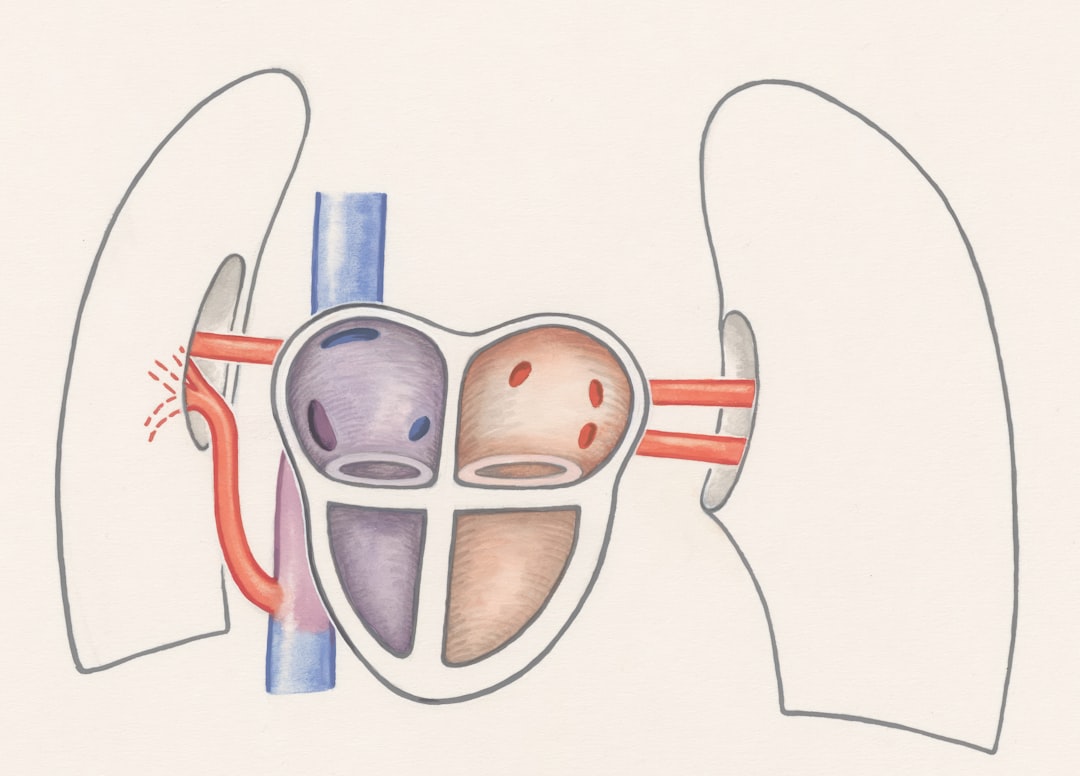
Heart failure, a complex clinical syndrome, arises when the heart is unable to pump sufficient blood to meet the body’s metabolic demands. This condition can result from various underlying pathologies, including coronary artery disease, hypertension, and cardiomyopathy. The heart’s inability to function effectively leads to a cascade of physiological changes, ultimately resulting in inadequate perfusion of vital organs and tissues.
Heart failure can be classified into two primary categories: systolic heart failure, characterized by a reduced ejection fraction, and diastolic heart failure, where the heart’s ability to relax and fill with blood is compromised. The prevalence of heart failure is alarming, affecting approximately 6.2 million adults in the United States alone. This condition is not merely a consequence of aging; it can occur in individuals of all ages, particularly those with risk factors such as obesity, diabetes, and a sedentary lifestyle.
The economic burden associated with heart failure is substantial, with annual healthcare costs exceeding $30 billion. Understanding the pathophysiology of heart failure is crucial for effective management and treatment strategies.
Key Takeaways
- Heart failure is a condition where the heart is unable to pump enough blood to meet the body’s needs.
- Common symptoms of heart failure include shortness of breath, persistent coughing, swelling in the legs, ankles, or abdomen, fatigue and weakness, rapid or irregular heartbeat, difficulty sleeping, loss of appetite or nausea, and confusion or impaired thinking.
- Shortness of breath is a key symptom of heart failure and can occur during physical activity or even at rest.
- Persistent coughing, especially at night or when lying down, can be a sign of fluid buildup in the lungs due to heart failure.
- Swelling in the legs, ankles, or abdomen is a common symptom of heart failure and is caused by fluid retention.
- Fatigue and weakness are common symptoms of heart failure and can make it difficult to carry out daily activities.
- Rapid or irregular heartbeat can be a sign of heart failure and should be evaluated by a healthcare professional.
- Difficulty sleeping, loss of appetite or nausea, and confusion or impaired thinking can also be symptoms of heart failure and should prompt medical evaluation.
- It is important to seek medical help if experiencing any of these symptoms, especially if they are new or worsening. Prompt medical attention can help manage heart failure and improve quality of life.
Common Symptoms of Heart Failure
Recognizing the symptoms of heart failure is essential for timely intervention and management. Patients may present with a variety of clinical manifestations that can significantly impact their quality of life. The symptoms often vary in severity and may fluctuate over time, making it imperative for individuals to be vigilant about their health status.
Common symptoms include shortness of breath, persistent coughing, swelling in the legs or abdomen, fatigue, rapid or irregular heartbeat, difficulty sleeping, loss of appetite or nausea, and confusion. The multifaceted nature of these symptoms can lead to misdiagnosis or delayed treatment if not properly evaluated. It is essential for healthcare providers to conduct thorough assessments and consider the patient’s medical history, physical examination findings, and diagnostic tests to establish an accurate diagnosis.
Early recognition and management of heart failure symptoms can significantly improve patient outcomes and reduce hospitalizations.
Shortness of Breath
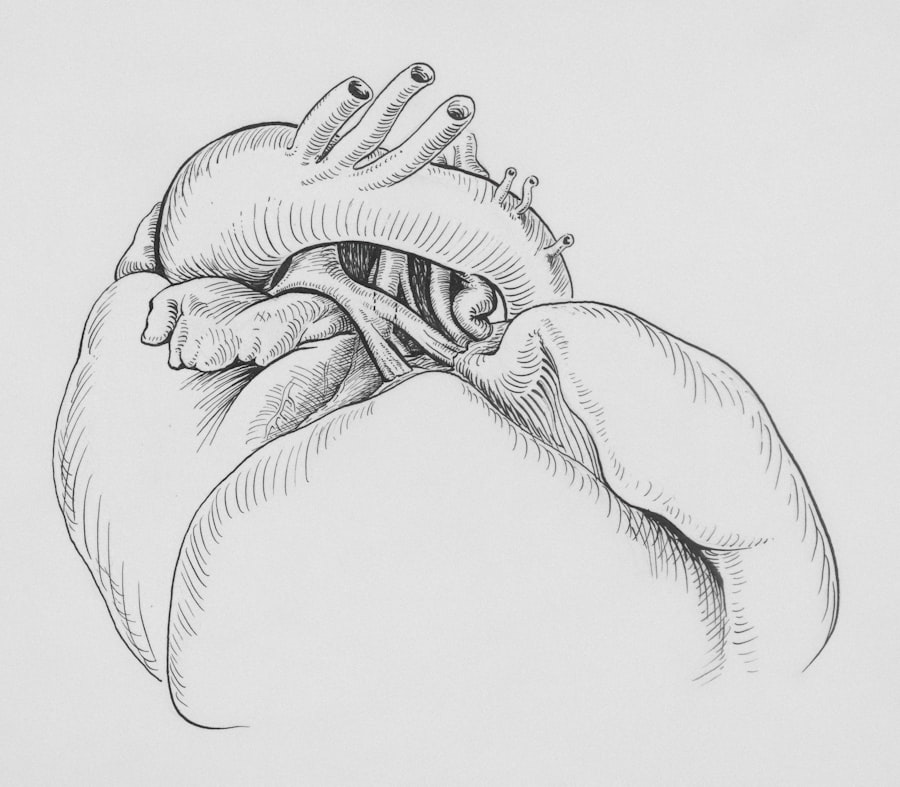
Shortness of breath, or dyspnea, is one of the hallmark symptoms of heart failure. Patients may experience this sensation during physical exertion or even at rest, depending on the severity of their condition. The underlying mechanism involves fluid accumulation in the lungs due to increased pressure in the pulmonary circulation, a consequence of the heart’s impaired pumping ability.
This pulmonary congestion leads to decreased oxygen exchange and results in the characteristic feeling of breathlessness. Patients may describe their shortness of breath as a feeling of suffocation or an inability to catch their breath. It is crucial for individuals experiencing this symptom to seek medical evaluation promptly.
Healthcare providers may utilize diagnostic tools such as echocardiography or chest X-rays to assess cardiac function and identify any underlying causes contributing to dyspnea. Treatment options may include diuretics to reduce fluid overload, beta-blockers to improve heart function, and lifestyle modifications aimed at reducing exertion.
Persistent Coughing
| Metrics | Data |
|---|---|
| Number of Patients with Persistent Coughing | 150 |
| Duration of Persistent Coughing | More than 8 weeks |
| Common Causes | Smoking, Asthma, Allergies, GERD |
| Treatment Options | Medication, Lifestyle changes, Breathing exercises |
Persistent coughing can be an overlooked symptom of heart failure, often mistaken for a respiratory condition. This cough typically arises from fluid accumulation in the lungs, leading to irritation of the airways. Patients may experience a dry cough or one that produces frothy sputum, particularly when lying flat—a phenomenon known as orthopnea.
The cough may worsen during physical activity or at night when lying down. Management of persistent coughing in heart failure patients involves addressing the underlying fluid overload through diuretics and optimizing heart function with appropriate medications. Additionally, healthcare providers may recommend lifestyle changes such as elevating the head during sleep to alleviate nocturnal coughing episodes.
It is essential for patients to communicate any changes in their cough pattern to their healthcare provider for further evaluation.
Swelling in the Legs, Ankles, or Abdomen
Peripheral edema is another common manifestation of heart failure, resulting from fluid retention due to compromised cardiac output. Patients may notice swelling in their legs, ankles, or abdomen as excess fluid accumulates in these areas. This condition can lead to discomfort and mobility issues, significantly impacting daily activities.
The management of peripheral edema typically involves diuretic therapy to promote fluid excretion and dietary modifications such as sodium restriction. Patients are encouraged to monitor their weight regularly, as sudden weight gain can indicate worsening fluid retention. Compression stockings may also be recommended to alleviate swelling in the lower extremities.
Regular follow-up with healthcare providers is essential for monitoring fluid status and adjusting treatment plans accordingly.
Fatigue and Weakness

Fatigue and weakness are prevalent complaints among individuals with heart failure, often stemming from inadequate oxygen delivery to tissues and organs due to diminished cardiac output. Patients may find themselves easily fatigued during routine activities that were once manageable. This profound sense of tiredness can be debilitating and may lead to decreased physical activity levels.
To address fatigue in heart failure patients, healthcare providers may recommend a structured exercise program tailored to individual capabilities. Engaging in light physical activity can enhance cardiovascular fitness and improve overall energy levels.
Education on energy conservation techniques can empower patients to manage their daily activities more effectively.
Rapid or Irregular Heartbeat
Palpitations or an irregular heartbeat are common sensations reported by individuals with heart failure. These arrhythmias can arise from various factors, including electrolyte imbalances, increased sympathetic nervous system activity, or structural changes within the heart itself. Patients may describe their heartbeat as racing or fluttering, which can be distressing and contribute to anxiety.
Management of rapid or irregular heartbeat often involves identifying the underlying cause through diagnostic testing such as electrocardiograms (ECGs) or Holter monitoring. Treatment options may include antiarrhythmic medications or interventions such as catheter ablation for specific arrhythmias. It is crucial for patients experiencing palpitations to communicate these symptoms with their healthcare provider for appropriate evaluation and management.
Difficulty Sleeping
Sleep disturbances are frequently reported by individuals with heart failure, often due to symptoms such as shortness of breath or nocturnal coughing episodes. Patients may experience insomnia or frequent awakenings during the night, leading to daytime fatigue and impaired cognitive function. The interplay between sleep apnea and heart failure is particularly concerning; obstructive sleep apnea can exacerbate cardiovascular issues and contribute to poor sleep quality.
To improve sleep quality in heart failure patients, healthcare providers may recommend lifestyle modifications such as maintaining a regular sleep schedule and creating a conducive sleep environment. Elevating the head while sleeping can alleviate symptoms related to pulmonary congestion. In some cases, continuous positive airway pressure (CPAP) therapy may be indicated for patients with coexisting sleep apnea.
Loss of Appetite or Nausea
Loss of appetite and nausea are often overlooked symptoms in heart failure patients but can significantly impact nutritional status and overall health. These gastrointestinal manifestations may result from fluid retention affecting the digestive organs or from medications used in treatment regimens. Patients may experience early satiety or aversion to food due to discomfort.
Addressing loss of appetite involves a multidisciplinary approach that includes dietary counseling and potential adjustments in medication regimens. Small, frequent meals that are nutrient-dense can help improve caloric intake without overwhelming the digestive system.
Confusion or Impaired Thinking
Cognitive impairment is a concerning aspect of heart failure that can manifest as confusion or difficulty concentrating. This phenomenon is often attributed to reduced cerebral perfusion due to inadequate cardiac output or the effects of medications on cognitive function. Patients may experience memory lapses or difficulty processing information.
To mitigate cognitive impairment in heart failure patients, it is essential to optimize cardiac function through appropriate medical management. Engaging in cognitive exercises and maintaining social interactions can also support cognitive health. Regular follow-up appointments with healthcare providers allow for ongoing assessment of cognitive function and adjustments in treatment plans as needed.
When to Seek Medical Help
Recognizing when to seek medical assistance is crucial for individuals experiencing symptoms suggestive of heart failure. Patients should be vigilant about any sudden changes in their condition, such as worsening shortness of breath, significant weight gain due to fluid retention, or new-onset chest pain. Immediate medical attention is warranted if these symptoms arise.
Healthcare providers emphasize the importance of regular follow-up appointments for individuals diagnosed with heart failure to monitor disease progression and adjust treatment plans accordingly. Patients should maintain open communication with their healthcare team regarding any new symptoms or concerns that arise between visits. In summary, understanding heart failure encompasses recognizing its symptoms—such as shortness of breath, persistent coughing, swelling in extremities, fatigue, rapid heartbeat, sleep disturbances, loss of appetite, and cognitive changes—is vital for effective management.
Early intervention can significantly improve patient outcomes through appropriate treatment strategies tailored to individual needs. Regular monitoring and communication with healthcare providers are essential components in managing this complex condition effectively.
If you are concerned about signs of heart failure, it is important to educate yourself on the topic. One related article that may be helpful is “Juneteenth: America’s Newest Federal Holiday”. This article discusses the significance of Juneteenth as a federal holiday and the importance of recognizing and celebrating African American history and culture. Understanding the history and cultural significance of holidays like Juneteenth can help promote overall well-being and awareness of health issues such as heart failure.
FAQs
What are the signs of heart failure?
Some common signs of heart failure include shortness of breath, fatigue, swelling in the legs, ankles, or abdomen, rapid or irregular heartbeat, persistent coughing or wheezing, and increased need to urinate at night.
What causes heart failure?
Heart failure can be caused by a variety of factors, including coronary artery disease, high blood pressure, heart attack, heart valve disease, cardiomyopathy, and other conditions that affect the heart’s ability to pump blood effectively.
How is heart failure diagnosed?
Heart failure is typically diagnosed through a combination of medical history, physical examination, and diagnostic tests such as blood tests, chest X-rays, electrocardiogram (ECG), echocardiogram, and stress tests.
What are the treatment options for heart failure?
Treatment for heart failure may include lifestyle changes, medications, implantable devices such as pacemakers or defibrillators, and in some cases, surgical procedures such as coronary artery bypass grafting or heart valve repair or replacement.
Can heart failure be prevented?
While some risk factors for heart failure, such as age and family history, cannot be changed, there are steps that can be taken to reduce the risk of developing heart failure, including maintaining a healthy weight, exercising regularly, managing high blood pressure and diabetes, and avoiding smoking and excessive alcohol consumption.