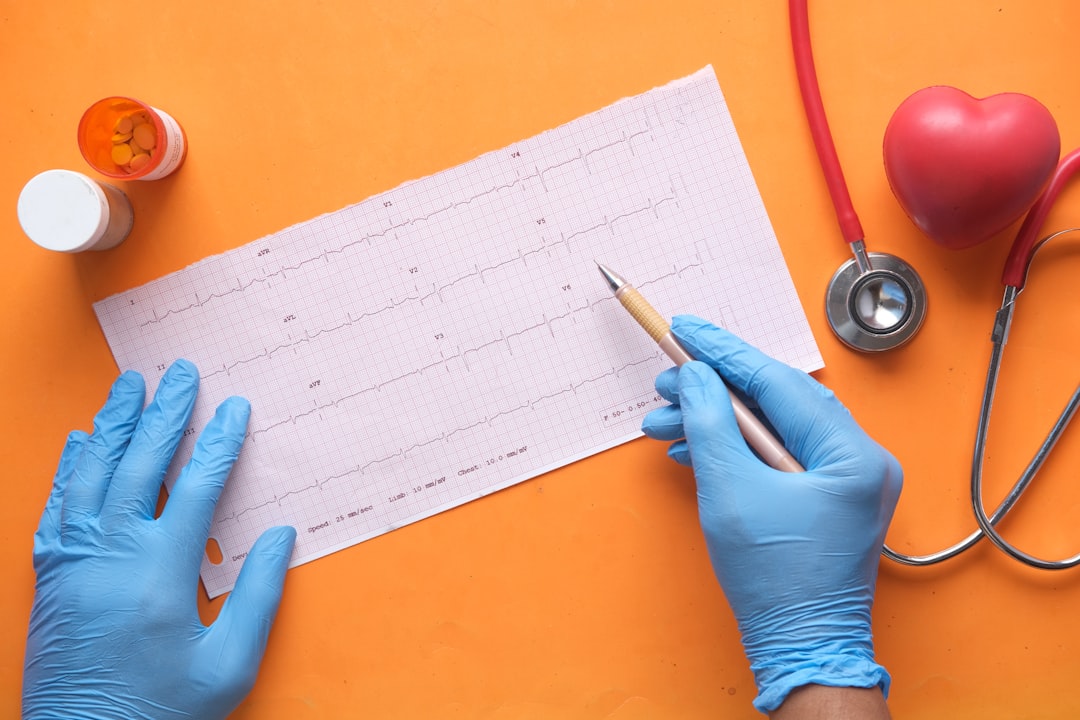
Now Reading: Recognizing Heart Failure in Women: Symptoms to Watch For
-
01
Recognizing Heart Failure in Women: Symptoms to Watch For
Recognizing Heart Failure in Women: Symptoms to Watch For
Heart failure, a complex clinical syndrome, occurs when the heart is unable to pump sufficient blood to meet the body’s needs. This condition is particularly significant in women, as they often present with different symptoms and risk factors compared to men. The prevalence of heart failure in women has been on the rise, with studies indicating that nearly 5.7 million adults in the United States are affected, and women represent a substantial portion of this demographic.
Factors such as hormonal changes, particularly during menopause, and the presence of comorbidities like hypertension and diabetes contribute to the unique manifestation of heart failure in females. Women may experience heart failure at an older age than men, often after the onset of menopause, which can lead to a higher incidence of heart failure with preserved ejection fraction (HFpEF). This subtype is characterized by a normal ejection fraction but impaired diastolic function.
Understanding these gender-specific differences is crucial for healthcare providers to ensure timely diagnosis and appropriate management. Furthermore, awareness of heart failure’s impact on women’s health can lead to improved outcomes through early intervention and tailored treatment strategies.
Key Takeaways
- Heart failure in women may present with different symptoms than in men, making it important to understand the unique signs in women.
- Shortness of breath and fatigue are key indicators of heart failure in women and should not be ignored.
- Chest pain and discomfort can be a warning sign of heart failure in women and should prompt medical attention.
- Swelling in the legs, ankles, and feet can be a possible symptom of heart failure in women and should be monitored.
- Irregular heartbeat, palpitations, persistent cough, wheezing, loss of appetite, nausea, difficulty sleeping, sudden weight gain, dizziness, and lightheadedness are all potential symptoms of heart failure in women and should be taken seriously. If experiencing any of these symptoms, it is important to seek medical attention promptly.
Common Symptoms of Heart Failure in Women
The symptoms of heart failure can vary significantly between genders, with women often exhibiting atypical presentations. Common manifestations include fatigue, shortness of breath, and fluid retention. However, women may also report symptoms such as anxiety, depression, and sleep disturbances, which can complicate the clinical picture.
The insidious onset of these symptoms can lead to delays in diagnosis, as they may be attributed to other conditions or simply aging. In addition to the classic symptoms, women may experience gastrointestinal issues such as nausea or loss of appetite. These atypical symptoms can often mask the underlying cardiac dysfunction, making it imperative for healthcare professionals to maintain a high index of suspicion when evaluating female patients.
Recognizing these diverse symptoms is essential for timely intervention and effective management of heart failure in women.
Shortness of Breath and Fatigue: Key Indicators of Heart Failure

Shortness of breath, or dyspnea, is one of the hallmark symptoms of heart failure and can manifest during exertion or even at rest. Women may describe this sensation as a feeling of suffocation or an inability to catch their breath, particularly when lying flat—a condition known as orthopnea. Fatigue is another prevalent symptom that can be debilitating, often leading to decreased physical activity and a decline in overall quality of life.
The pathophysiology behind these symptoms involves fluid accumulation in the lungs due to increased pressure in the pulmonary circulation. This congestion can lead to pulmonary edema, resulting in impaired gas exchange and subsequent shortness of breath. Fatigue arises from inadequate cardiac output, which limits oxygen delivery to peripheral tissues.
Addressing these symptoms through lifestyle modifications, pharmacotherapy, and cardiac rehabilitation can significantly improve functional capacity and overall well-being.
Chest Pain and Discomfort: A Warning Sign for Women
| Category | Statistics |
|---|---|
| Prevalence | Approximately 1 in 5 women experience chest pain or discomfort as a warning sign of a heart attack |
| Age | Women over the age of 50 are at higher risk of experiencing chest pain as a warning sign |
| Other Symptoms | Women may also experience shortness of breath, nausea, or lightheadedness along with chest pain |
| Importance of Seeking Help | It is crucial for women to seek medical attention immediately if they experience chest pain or discomfort |
Chest pain is often perceived as a classic symptom of cardiac events; however, its presentation in women can be atypical. Women may experience discomfort rather than sharp pain, describing it as pressure or tightness in the chest. This discomfort can radiate to the arms, neck, jaw, or back, complicating the diagnosis further.
It is essential for healthcare providers to recognize that women may not always present with the classic “crushing” chest pain associated with myocardial infarction.
Given that women are more likely to experience atypical symptoms, it is crucial for them to seek medical attention if they encounter any form of chest discomfort.
Swelling in the Legs, Ankles, and Feet: A Possible Symptom of Heart Failure
Peripheral edema is a common manifestation of heart failure due to fluid retention resulting from compromised cardiac function. Women may notice swelling in their legs, ankles, and feet, which can be exacerbated by prolonged standing or sitting. This symptom often leads to discomfort and can significantly impact mobility and daily activities.
The underlying pathophysiology involves increased hydrostatic pressure in the venous system due to impaired cardiac output. As fluid accumulates in the interstitial spaces, it leads to visible swelling and may also cause skin changes such as discoloration or warmth. Management strategies for peripheral edema include diuretics to promote fluid excretion and lifestyle modifications such as elevating the legs and reducing sodium intake.
Irregular Heartbeat and Palpitations: Signs of Heart Failure in Women
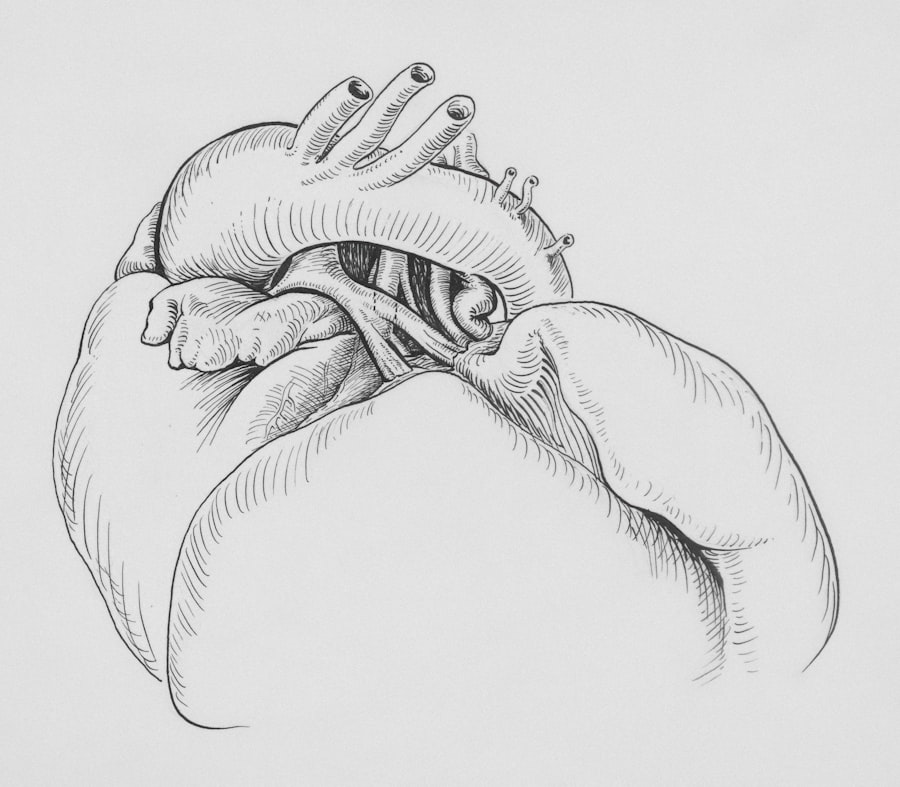
Women experiencing heart failure may report sensations of irregular heartbeat or palpitations—an awareness of their heart beating rapidly or irregularly. These sensations can be alarming and may be accompanied by feelings of anxiety or panic. The underlying causes can range from atrial fibrillation to other arrhythmias that are more prevalent in individuals with heart failure.
The presence of palpitations warrants thorough evaluation as they can indicate worsening heart function or the development of arrhythmias that require intervention. Treatment options may include antiarrhythmic medications or catheter ablation procedures depending on the specific arrhythmia identified. Educating women about recognizing these signs can empower them to seek timely medical attention.
Persistent Cough and Wheezing: Potential Indicators of Heart Failure
A persistent cough or wheezing can be an overlooked symptom of heart failure in women. This cough is often dry and may worsen when lying down due to pulmonary congestion. The accumulation of fluid in the lungs can irritate the airways, leading to wheezing or a sensation of tightness in the chest.
Healthcare providers should consider heart failure as a differential diagnosis when evaluating patients with chronic cough or wheezing, especially if accompanied by other symptoms such as shortness of breath or fatigue. Treatment may involve diuretics to alleviate pulmonary congestion and improve respiratory function.
Loss of Appetite and Nausea: Symptoms to Watch for in Women
Loss of appetite and nausea are often underestimated symptoms associated with heart failure in women. These gastrointestinal manifestations can stem from decreased blood flow to the digestive organs due to reduced cardiac output. Women may experience early satiety or a general aversion to food, which can lead to weight loss and malnutrition over time.
Addressing these symptoms requires a multidisciplinary approach that includes dietary modifications and possibly pharmacological interventions aimed at improving cardiac function. Nutritional counseling can help ensure that women maintain adequate caloric intake despite their diminished appetite.
Difficulty Sleeping and Sudden Weight Gain: Warning Signs of Heart Failure
Difficulty sleeping is another symptom that may arise from heart failure due to orthopnea or paroxysmal nocturnal dyspnea (PND), where patients awaken suddenly at night gasping for air. This disruption in sleep patterns can lead to chronic fatigue and exacerbate existing health issues. Sudden weight gain is often indicative of fluid retention associated with worsening heart failure.
Women should be educated on monitoring their weight regularly; a rapid increase in weight over a few days could signal fluid overload requiring immediate medical attention.
Dizziness and Lightheadedness: Possible Symptoms of Heart Failure in Women
Dizziness and lightheadedness are common complaints among women with heart failure, often resulting from inadequate cerebral perfusion due to reduced cardiac output. These symptoms can increase the risk of falls and injuries, particularly among older women who may already have balance issues. Healthcare providers should assess these symptoms carefully as they may indicate worsening heart function or arrhythmias that require intervention.
Treatment strategies may include optimizing heart failure medications and ensuring proper hydration.
When to Seek Medical Attention for Suspected Heart Failure
Women experiencing any combination of the aforementioned symptoms should seek medical attention promptly. Early diagnosis is critical for effective management and improved outcomes in heart failure patients. Healthcare providers should conduct thorough evaluations including physical examinations, echocardiograms, and laboratory tests to confirm the diagnosis.
In conclusion, understanding heart failure’s unique presentation in women is essential for timely intervention and management. By recognizing common symptoms such as shortness of breath, fatigue, chest discomfort, peripheral edema, palpitations, cough, loss of appetite, sleep disturbances, sudden weight gain, dizziness, and lightheadedness, both patients and healthcare providers can work together towards better health outcomes. Early detection through education and awareness will ultimately lead to improved quality of life for women living with this chronic condition.
Heart failure is a serious condition that affects millions of people worldwide, with women often experiencing different symptoms than men. According to a recent article on Boogger, women may exhibit signs such as extreme fatigue, shortness of breath, and swelling in the legs, which can be easily overlooked or attributed to other causes. It is crucial for women to be aware of these unique symptoms and seek medical attention if they suspect they may be experiencing heart failure.
FAQs
What are the common symptoms of heart failure in women?
Common symptoms of heart failure in women include shortness of breath, fatigue, swelling in the legs, ankles, or abdomen, persistent coughing or wheezing, rapid or irregular heartbeat, and decreased ability to exercise.
Are there any specific symptoms of heart failure that are unique to women?
While the symptoms of heart failure are generally similar in both men and women, women may experience more subtle symptoms such as fatigue, shortness of breath, and difficulty sleeping, which can be mistaken for other conditions.
What are the warning signs of heart failure in women?
Warning signs of heart failure in women include sudden weight gain, frequent urination at night, loss of appetite, nausea, and confusion. It is important to seek medical attention if experiencing any of these symptoms.
How can women differentiate between symptoms of heart failure and other health issues?
It can be challenging to differentiate between symptoms of heart failure and other health issues. However, if experiencing persistent symptoms such as shortness of breath, fatigue, or swelling, it is important to consult a healthcare professional for a proper diagnosis.
What should women do if they suspect they have symptoms of heart failure?
If women suspect they have symptoms of heart failure, they should seek medical attention immediately. A healthcare professional can conduct a thorough evaluation, including physical examination, medical history, and diagnostic tests to determine the cause of the symptoms and provide appropriate treatment.