Now Reading: Real Madrid: A Legacy of Excellence
-
01
Real Madrid: A Legacy of Excellence
Real Madrid: A Legacy of Excellence
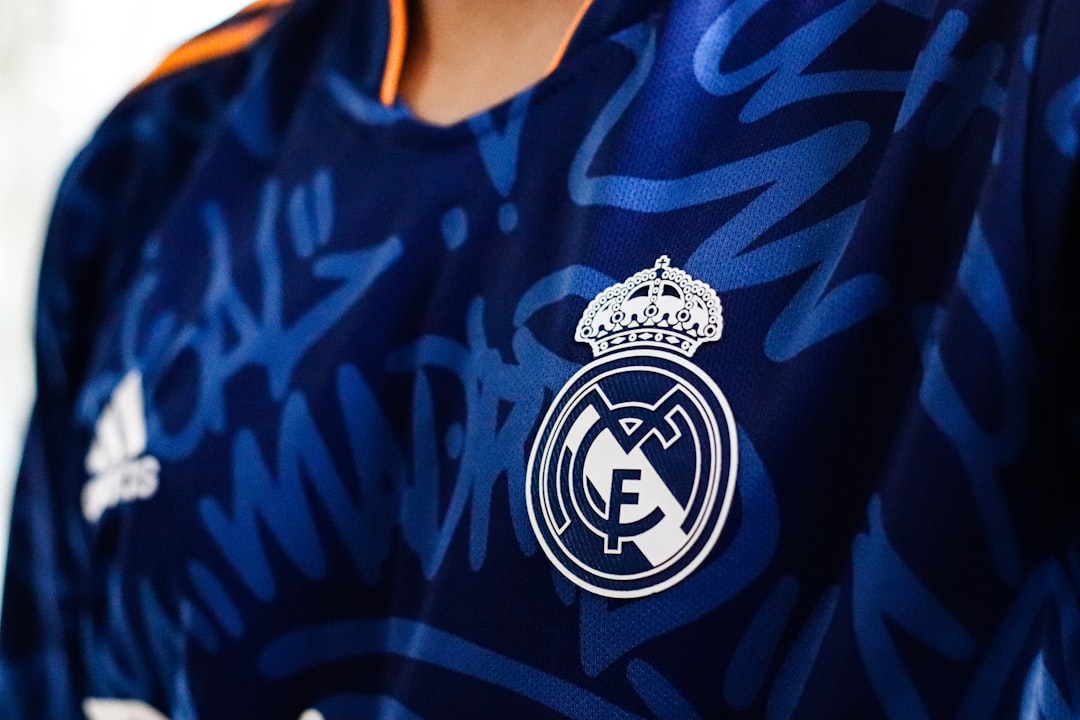
Real Madrid Club de Fútbol was established in 1902 during the early development of football in Spain. The club was founded by a group of football enthusiasts with the objective of creating a team to represent Madrid, the nation’s capital. Originally called Madrid Football Club, the organization received the “Real” (Royal) designation in 1920 from King Alfonso XIII, reflecting its elevated status within Spanish society.
During its formative years, Real Madrid participated in local competitions and demonstrated consistent performance in Spanish football. The club achieved its first major success in 1905 by winning the Copa del Rey. Throughout the 1910s and 1920s, Real Madrid secured several domestic championships, establishing a foundation for sustained competitive success.
The creation of La Liga in 1929 represented a significant development in Spanish football organization. Real Madrid’s inclusion in this national league system reinforced its position among Spain’s leading football clubs. These early decades focused on establishing institutional practices and competitive standards that would influence the club’s long-term development.
Key Takeaways
- Real Madrid’s rich history began with its founding and early successes, laying the foundation for a legendary club.
- The Galacticos era in the 2000s marked a period of dominance with star-studded lineups and major trophies.
- The Santiago Bernabeu Stadium is a symbolic fortress, hosting countless memorable matches and victories.
- Historic rivalries with Barcelona and Atletico Madrid have defined much of Real Madrid’s competitive spirit and identity.
- Real Madrid boasts a record-breaking trophy cabinet, supported by iconic players, visionary managers, and a strong youth academy.
The Galacticos Era: Real Madrid’s Dominance in the 2000s
The early 2000s heralded a transformative period for Real Madrid, known as the Galacticos era. This ambitious project aimed to assemble a squad of world-class talent, blending footballing excellence with commercial appeal. Under the presidency of Florentino Pérez, the club signed superstars such as Zinedine Zidane, Ronaldo Nazário, David Beckham, and Luís Figo.
This strategy not only elevated the team’s performance on the pitch but also significantly enhanced its global brand recognition. During this era, Real Madrid achieved remarkable success, winning two UEFA Champions League titles (2000 and 2002) and multiple La Liga championships. The Galacticos were not merely a collection of individual talents; they played an exhilarating style of football that captivated fans worldwide.
Zidane’s stunning volley in the 2002 Champions League final against Bayer Leverkusen remains one of the most iconic moments in football history. However, the Galacticos project was not without its challenges; the pressure to deliver results and maintain harmony among such high-profile players often led to internal conflicts and managerial changes.
The Bernabeu: A Fortress of Football
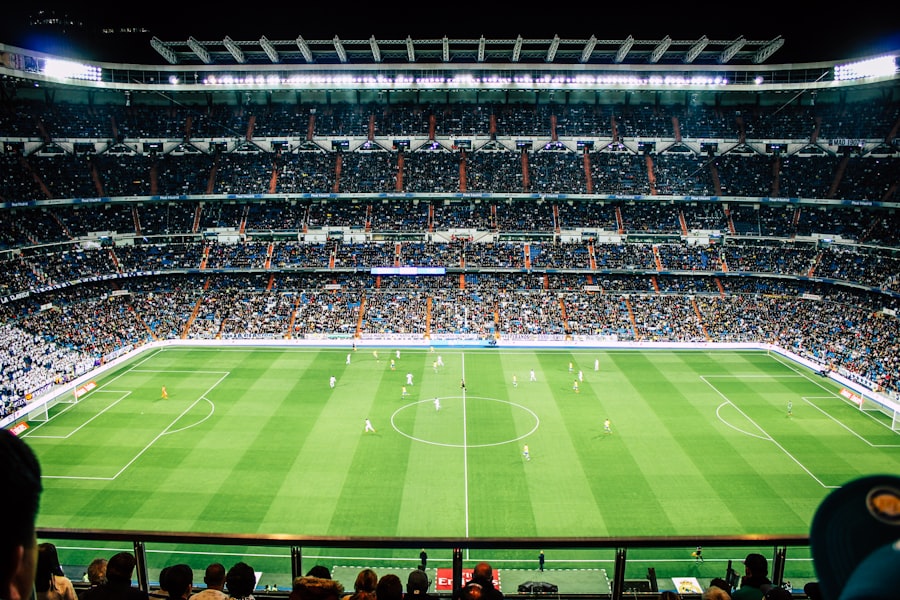
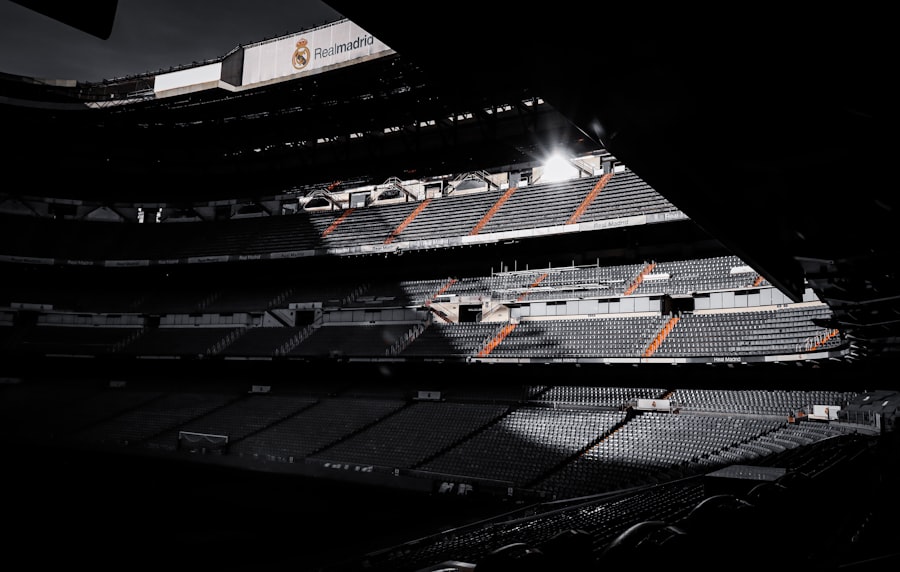
Santiago Bernabéu Stadium, inaugurated in 1947, stands as a symbol of Real Madrid’s grandeur and ambition. Named after the club’s legendary president Santiago Bernabéu, who played a crucial role in its development, the stadium has undergone several renovations to enhance its capacity and facilities. With a current seating capacity of approximately 81,044, it is one of the largest stadiums in Europe and serves as a fortress for the team.
The Bernabéu is not just a venue for matches; it is a historical landmark that has witnessed countless memorable moments in football history. From thrilling comebacks to nail-biting penalties, the atmosphere within its walls is electric on match days. The stadium has hosted numerous prestigious events, including European finals and international tournaments, further solidifying its status as a premier footballing venue.
The ongoing renovations aim to modernize the stadium while preserving its rich heritage, ensuring that it remains a focal point for fans and players alike.
The Rivalries: Real Madrid’s Historic Battles with Barcelona and Atletico Madrid
Real Madrid’s fierce rivalries with FC Barcelona and Atlético Madrid are integral to its identity and history. The El Clásico matches against Barcelona are among the most anticipated fixtures in world football, showcasing not only sporting prowess but also cultural and political undertones. This rivalry transcends mere competition; it embodies the historical tensions between Catalonia and Castile, making each encounter a spectacle that captivates millions.
On the other hand, the rivalry with Atlético Madrid, known as the Madrid Derby, is characterized by its intensity and passion. Matches between these two clubs often reflect the contrasting identities of their supporters—Real Madrid representing wealth and prestige while Atlético embodies resilience and determination. These encounters have produced memorable moments, including dramatic comebacks and last-minute goals that have left an indelible mark on both clubs’ histories.
The Trophy Cabinet: Real Madrid’s Record-Breaking Success
| Metric | Value |
|---|---|
| Founded | 1902 |
| Stadium | Santiago Bernabéu Stadium |
| Stadium Capacity | 81,044 |
| La Liga Titles | 35 |
| UEFA Champions League Titles | 14 |
| Current Manager | Carlo Ancelotti |
| Top Goal Scorer | Cristiano Ronaldo (450 goals) |
| Official Colors | White |
| Nickname | Los Blancos |
Real Madrid boasts an unparalleled trophy cabinet that reflects its dominance in both domestic and international competitions. As of October 2023, the club has secured an astonishing 35 La Liga titles and 14 UEFA Champions League trophies—both records that underscore its status as one of the most successful clubs in football history. The club’s commitment to excellence is evident in its pursuit of silverware across various competitions.
In addition to league titles and European glory, Real Madrid has also triumphed in numerous domestic cups, including the Copa del Rey and Supercopa de España. The club’s ability to consistently perform at the highest level is a testament to its rich history and unwavering ambition. Each trophy won adds another chapter to its storied legacy, inspiring future generations of players and fans alike.
The Legends: Iconic Players Who Have Worn the White Shirt
Throughout its illustrious history, Real Madrid has been home to some of football’s greatest legends. Players like Alfredo Di Stéfano, Ferenc Puskás, Raúl González, Cristiano Ronaldo, and Sergio Ramos have donned the iconic white shirt and left an indelible mark on the club’s legacy. Di Stéfano’s versatility and leadership transformed Real Madrid into a dominant force during the 1950s, while Puskás dazzled fans with his extraordinary goal-scoring ability.
Cristiano Ronaldo’s tenure at Real Madrid from 2009 to 2018 was particularly remarkable; he became the club’s all-time leading scorer with 450 goals in just 438 appearances. His relentless pursuit of excellence helped secure four Champions League titles during his time at the club. Each of these players not only contributed to Real Madrid’s success on the pitch but also embodied the values of dedication, professionalism, and passion that define the club.
The Managers: The Masterminds Behind Real Madrid’s Success
Behind every successful team lies a visionary manager capable of harnessing talent and instilling a winning mentality. Real Madrid has been fortunate to have had several legendary figures at its helm, including Miguel Muñoz, Vicente del Bosque, José Mourinho, and Zinedine Zidane. Each manager brought their unique philosophy and tactical acumen to the club.
Miguel Muñoz was instrumental in establishing Real Madrid as a dominant force in European football during his tenure from 1960 to 1974. Vicente del Bosque led the team to unprecedented success in the early 2000s, winning two Champions League titles and multiple domestic trophies. José Mourinho’s arrival marked a new era of intensity and competitiveness, while Zinedine Zidane’s return as manager saw him guide the team to three consecutive Champions League titles from 2016 to 2018—a feat never before achieved in the competition’s history.
The Global Brand: Real Madrid’s Impact on Football Worldwide
Real Madrid’s influence extends far beyond the confines of Spain; it is a global brand synonymous with excellence and prestige. With millions of fans worldwide, the club has successfully leveraged its rich history to establish itself as one of football’s most marketable entities. Its strategic partnerships with major sponsors and commercial ventures have generated substantial revenue streams that contribute to its financial stability.
The club’s global outreach initiatives include international tours, fan engagement programs, and collaborations with various organizations aimed at promoting football worldwide. Real Madrid’s commitment to social responsibility is evident through its foundation’s efforts to support underprivileged communities through sports education programs. This multifaceted approach has solidified its position as a leader not only on the pitch but also in promoting football as a unifying force across cultures.
The Youth Academy: Developing Future Stars at Real Madrid
Real Madrid’s commitment to nurturing young talent is exemplified by its renowned youth academy, La Fábrica. This institution has produced numerous players who have gone on to achieve greatness at both club and international levels. The academy emphasizes technical skill development, tactical understanding, and physical conditioning—ensuring that young players are well-equipped for professional football.
Notable graduates from La Fábrica include Raúl González, Iker Casillas, and more recently, players like Marco Asensio and Vinícius Júnior. The academy serves as a vital pipeline for talent that can seamlessly transition into the first team while maintaining Real Madrid’s tradition of excellence. By investing in youth development, the club ensures its legacy continues for generations to come.
The Modern Era: Real Madrid’s Continued Pursuit of Excellence
As we move further into the 21st century, Real Madrid remains committed to maintaining its status as one of football’s elite clubs. Recent seasons have seen significant investments in both player acquisitions and infrastructure improvements aimed at enhancing competitiveness on all fronts. The club continues to attract top talent from around the globe while also focusing on integrating homegrown players into its ranks.
The modern era has also seen advancements in sports science and analytics being utilized to optimize player performance and recovery strategies. This commitment to innovation ensures that Real Madrid remains at the forefront of footballing excellence while adapting to evolving trends within the sport.
The Future: Real Madrid’s Legacy and Continued Influence on Football
Looking ahead, Real Madrid’s legacy is poised for continued growth as it navigates an ever-changing football landscape. With plans for further stadium renovations and an emphasis on sustainable practices within its operations, the club aims to remain relevant while honoring its storied past. The integration of technology into training methodologies will likely play a crucial role in shaping future successes.
Moreover, Real Madrid’s global outreach initiatives will continue to foster connections with fans worldwide while promoting football as a universal language that transcends borders. As new generations of players emerge from La Fábrica and fresh talent is acquired from around the globe, Real Madrid’s influence on football will undoubtedly endure for years to come. In summary, Real Madrid’s journey from humble beginnings to becoming one of football’s most iconic clubs is marked by triumphs both on and off the pitch.
Its rich history is interwoven with legendary players, visionary managers, fierce rivalries, and an unwavering commitment to excellence that continues to inspire millions around the world today.
Real Madrid continues to dominate the football scene, showcasing their incredible talent and teamwork.
For a deeper look into the significance of these themes, you can read about it in this article on October 3rd: A Day of Reflection and Celebration.
FAQs
What is Real Madrid?
Real Madrid Club de Fútbol, commonly known as Real Madrid, is a professional football club based in Madrid, Spain. It was founded in 1902 and is one of the most successful and popular football clubs in the world.
What are the major achievements of Real Madrid?
Real Madrid has won numerous titles, including a record number of La Liga championships, multiple Copa del Rey trophies, and a record number of UEFA Champions League titles. The club is known for its success both domestically and internationally.
Where does Real Madrid play its home games?
Real Madrid plays its home matches at the Santiago Bernabéu Stadium, located in Madrid. The stadium is one of the most famous football venues globally and has a seating capacity of over 80,000 spectators.
Who are some of the most famous players to have played for Real Madrid?
Real Madrid has been home to many legendary players, including Alfredo Di Stéfano, Ferenc Puskás, Raúl González, Cristiano Ronaldo, Zinedine Zidane, and Sergio Ramos, among others.
What colors and emblem represent Real Madrid?
Real Madrid’s traditional home colors are white shirts and shorts, earning them the nickname “Los Blancos” (The Whites). The club’s emblem features a crown and the initials “MCF” for Madrid Club de Fútbol.
Who owns Real Madrid?
Real Madrid is owned by its club members, known as “socios.” It operates as a registered association rather than a privately owned company, with members electing the club president.
What is the significance of the “El Clásico” match?
“El Clásico” refers to the football match between Real Madrid and their archrivals FC Barcelona. It is one of the most-watched and intense rivalries in world football, symbolizing a historic and cultural competition between the two clubs.
How has Real Madrid contributed to football history?
Real Madrid has played a pivotal role in football history by pioneering professional football in Spain, winning numerous international titles, and contributing to the global popularity of the sport through its success and star players.
What is the current status of Real Madrid in football leagues?
As of the latest seasons, Real Madrid competes in La Liga, the top tier of Spanish football, and regularly participates in the UEFA Champions League, maintaining its status as one of the top clubs in Europe.
How can fans follow Real Madrid?
Fans can follow Real Madrid through official club websites, social media channels, live broadcasts of matches, and various sports news outlets that cover the club’s activities and performances.