Now Reading: Protect Your Assets with Property Insurance
-
01
Protect Your Assets with Property Insurance
Protect Your Assets with Property Insurance

Property insurance is a critical component of financial security for both individuals and businesses. It serves as a safeguard against potential losses or damages to physical assets, including homes, commercial buildings, and personal belongings. This type of insurance provides coverage for various risks, such as fire, theft, vandalism, and natural disasters.
By transferring the financial burden of these risks to an insurance provider, policyholders can mitigate the impact of unforeseen events on their financial stability. The fundamental principle behind property insurance is risk management.
The insured pays a premium in exchange for coverage, which can be tailored to meet individual needs. Understanding the nuances of property insurance is essential for making informed decisions about coverage options and ensuring adequate protection against potential losses.
Key Takeaways
- Property insurance provides financial protection for your home, business, or rental property in the event of damage or loss.
- Types of property insurance coverage include homeowners insurance, commercial property insurance, and landlord insurance, each tailored to specific needs.
- Property insurance is important because it provides peace of mind and financial security in the face of unexpected events such as natural disasters, theft, or accidents.
- When choosing property insurance, consider factors such as the property’s location, value, and potential risks, as well as the coverage and deductibles offered by different policies.
- Protecting your home, business, or rental property with property insurance involves understanding your coverage, reviewing and updating your policy regularly, and being prepared for the claims process in case of an emergency.
Types of Property Insurance Coverage
There are several types of property insurance coverage available, each designed to address specific needs and circumstances. Homeowners insurance is one of the most common forms, providing coverage for residential properties against perils such as fire, theft, and liability claims. This policy typically includes dwelling coverage, personal property coverage, and liability protection.
Commercial property insurance is another vital category, tailored for businesses to protect their physical assets. This type of coverage can include buildings, equipment, inventory, and even loss of income due to business interruption. Additionally, specialized policies such as renters insurance offer protection for tenants against personal property loss or damage within a rented space.
Importance of Property Insurance

The significance of property insurance cannot be overstated. It acts as a financial safety net that protects individuals and businesses from substantial losses that could otherwise lead to bankruptcy or severe financial strain. For homeowners, having adequate coverage ensures that they can rebuild or repair their homes after a disaster without incurring overwhelming costs.
For businesses, property insurance is equally crucial. It not only protects physical assets but also contributes to business continuity by covering lost income during periods of disruption. In an increasingly unpredictable world, having property insurance is a proactive measure that provides peace of mind and security against potential financial setbacks.
Factors to Consider When Choosing Property Insurance
| Factors to Consider | Description |
|---|---|
| Property Value | Determine the value of your property to ensure adequate coverage. |
| Location | Consider the location of the property and its susceptibility to natural disasters or crime. |
| Policy Coverage | Review the coverage options to ensure they meet your specific needs. |
| Deductible | Understand the deductible amount and how it will impact your premiums. |
| Insurance Provider | Research and compare different insurance providers to find the best fit for your needs. |
When selecting property insurance, several factors warrant careful consideration. First and foremost is the type of coverage needed based on individual circumstances. Homeowners should assess the value of their property and belongings to determine appropriate coverage limits.
Similarly, business owners must evaluate their assets and potential risks to select suitable policies. Another critical factor is the deductible amount. A higher deductible often results in lower premiums but may lead to significant out-of-pocket expenses in the event of a claim.
Policyholders should strike a balance between affordability and adequate coverage. Additionally, it is essential to review the insurer’s reputation and customer service record, as these elements can significantly impact the claims process and overall satisfaction with the policy.
Protecting Your Home with Property Insurance
Homeowners can take several steps to protect their residences through property insurance. First, it is vital to conduct a thorough inventory of personal belongings and assess the home’s value accurately. This information will help determine the appropriate level of coverage needed to safeguard against potential losses.
Moreover, homeowners should consider additional endorsements or riders that can enhance their policies. For instance, adding coverage for valuable items such as jewelry or art can provide extra protection beyond standard limits. Additionally, understanding local risks—such as flood zones or earthquake-prone areas—can guide homeowners in selecting specialized coverage options that address these specific threats.
Protecting Your Business with Property Insurance
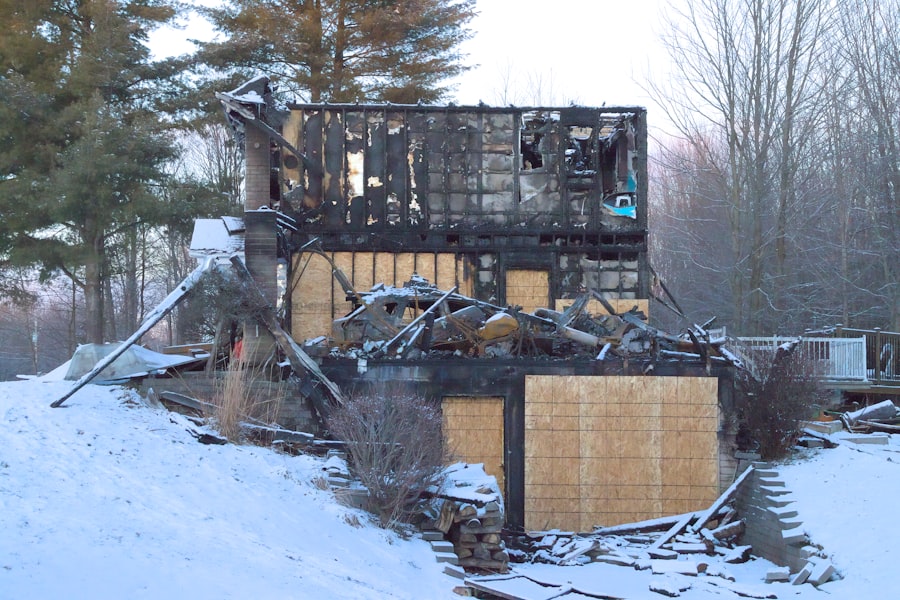
For business owners, safeguarding physical assets through property insurance is paramount for long-term success. A comprehensive commercial property policy should encompass not only the building but also equipment, inventory, and any other essential assets that contribute to daily operations. Furthermore, businesses should evaluate their unique risks and consider additional coverages such as business interruption insurance.
This type of policy compensates for lost income during periods when operations are halted due to covered events like natural disasters or fire damage. By investing in robust property insurance, business owners can ensure continuity and resilience in the face of unexpected challenges.
Protecting Rental Properties with Property Insurance
Landlords must also prioritize property insurance to protect their rental investments effectively. Landlord insurance typically covers the physical structure of the rental property as well as liability protection in case tenants or visitors are injured on the premises. This type of policy can also include loss of rental income coverage if the property becomes uninhabitable due to covered damages.
Additionally, landlords should consider requiring tenants to obtain renters insurance. This not only protects tenants’ personal belongings but also reduces liability risks for landlords by ensuring that tenants have their own coverage in place. By implementing these measures, landlords can create a more secure environment for both themselves and their tenants.
Tips for Getting the Best Property Insurance Policy
To secure the best property insurance policy, individuals and businesses should follow several strategic tips. First, it is advisable to shop around and compare quotes from multiple insurers. This process allows policyholders to evaluate different coverage options and premium rates effectively.
Next, understanding policy terms and conditions is crucial. Policyholders should read the fine print carefully to identify any exclusions or limitations that may affect their coverage. Additionally, working with an experienced insurance agent can provide valuable insights into selecting the right policy tailored to specific needs.
Finally, maintaining a good credit score can positively influence premium rates. Insurers often consider credit history when determining risk levels; therefore, individuals should take steps to improve their credit standing before applying for coverage.
Common Exclusions in Property Insurance Policies
While property insurance provides essential protection, it is vital to be aware of common exclusions that may limit coverage. Standard policies often exclude damages caused by natural disasters such as floods or earthquakes unless specific endorsements are purchased. Homeowners in high-risk areas should consider additional policies or riders to address these vulnerabilities.
Other common exclusions include wear and tear, neglect, and intentional damage. Insurers typically do not cover losses resulting from lack of maintenance or deliberate actions by the policyholder. Understanding these exclusions helps policyholders make informed decisions about additional coverage options that may be necessary for comprehensive protection.
The Claims Process for Property Insurance
Navigating the claims process for property insurance can be daunting but understanding the steps involved can simplify the experience. The first step is to report the incident to the insurer promptly after a loss occurs. This initial notification sets the claims process in motion.
Next, policyholders should document the damage thoroughly by taking photographs and compiling an inventory of affected items. This documentation will serve as crucial evidence when filing a claim.
Effective communication with the insurer throughout this process is essential for a smooth claims experience. Policyholders should keep records of all correspondence and follow up regularly until the claim is resolved.
Reviewing and Updating Your Property Insurance Policy
Regularly reviewing and updating property insurance policies is vital for ensuring adequate protection over time. Life changes such as renovations, new purchases, or changes in occupancy can significantly impact coverage needs. Homeowners should reassess their policies annually or after major life events to ensure they have sufficient coverage.
For businesses, periodic evaluations of assets and risks are equally important. As companies grow or change operations, their insurance needs may evolve accordingly. Engaging with an insurance professional can provide valuable insights into necessary adjustments and help maintain optimal coverage levels.
In summary, property insurance plays a crucial role in safeguarding both personal and business assets against unforeseen risks. Understanding various types of coverage, recognizing their importance, and considering key factors when selecting policies are essential steps in protecting one’s financial future. By taking proactive measures such as regular reviews and updates, individuals can ensure they remain adequately protected in an ever-changing landscape of risks and uncertainties.
If you are considering purchasing property insurance, it is important to understand the different types of coverage available. One article that provides valuable information on this topic is “Federal Holidays in October: A Guide.” This article discusses the importance of being prepared for unexpected events, much like the importance of having property insurance to protect your assets. By understanding the various options for coverage and the benefits they provide, you can make an informed decision to safeguard your property.
FAQs
What is property insurance?
Property insurance is a type of insurance that provides financial reimbursement to the owner or tenant of a property in the event of damage or theft. It can cover a range of properties including homes, businesses, and personal belongings.
What does property insurance cover?
Property insurance typically covers damage or loss caused by fire, theft, vandalism, natural disasters, and other specified perils. It may also provide liability coverage in case someone is injured on the property.
What types of property can be insured?
Property insurance can cover a wide range of properties including homes, rental properties, commercial buildings, personal belongings, and valuable items such as jewelry and artwork.
How is the cost of property insurance determined?
The cost of property insurance is determined by factors such as the value of the property, its location, the level of coverage needed, and the insurance company’s underwriting criteria. Other factors such as the property’s age, construction materials, and security features may also impact the cost.
Is property insurance required by law?
Property insurance is generally not required by law for homeowners, but it may be required by mortgage lenders. Business owners may be required to carry property insurance by landlords or as a condition of a lease.
What should I consider when purchasing property insurance?
When purchasing property insurance, it’s important to consider the level of coverage needed, the deductible amount, the insurance company’s reputation and financial stability, and any additional coverage options that may be beneficial for your specific property. It’s also important to review the policy exclusions and limitations.