Now Reading: Prostate Removal: What You Need to Know
-
01
Prostate Removal: What You Need to Know
Prostate Removal: What You Need to Know
Prostate removal, medically termed prostatectomy, is a surgical procedure aimed at excising the prostate gland, a walnut-sized organ located below the bladder and in front of the rectum. The prostate plays a crucial role in male reproductive health, primarily by producing seminal fluid that nourishes and transports sperm. Understanding the intricacies of this procedure is essential for patients and their families, as it encompasses various surgical techniques, potential outcomes, and implications for overall health.
The decision to undergo prostate removal is often complex and multifaceted. It involves a thorough evaluation of the patient’s medical history, current health status, and the specific pathology affecting the prostate. Prostatectomy can be performed using different approaches, including open surgery and minimally invasive techniques such as laparoscopic or robotic-assisted surgery.
Each method has its own set of advantages and disadvantages, which must be carefully considered in consultation with a qualified urologist.
Key Takeaways
- Prostate removal, also known as prostatectomy, is a surgical procedure to remove the prostate gland.
- Prostate removal may be necessary to treat prostate cancer, benign prostatic hyperplasia (BPH), or other prostate conditions.
- There are different types of prostate removal procedures, including open prostatectomy, laparoscopic prostatectomy, and robotic-assisted prostatectomy.
- Risks and complications of prostate removal may include urinary incontinence, erectile dysfunction, and infection.
- Before prostate removal surgery, patients should prepare by discussing the procedure with their healthcare team, arranging for post-surgery care, and making necessary lifestyle adjustments.
Reasons for Prostate Removal
The primary indication for prostate removal is prostate cancer, particularly when the malignancy is localized and poses a significant risk of progression. According to the American Cancer Society, prostate cancer is one of the most prevalent cancers among men, with an estimated 1 in 8 men receiving a diagnosis in their lifetime. Other reasons for prostatectomy may include benign prostatic hyperplasia (BPH), which can lead to urinary obstruction, or recurrent urinary tract infections stemming from prostate issues.
In cases of prostate cancer, the Gleason score—a grading system that assesses the aggressiveness of cancer cells—plays a pivotal role in determining the necessity for surgical intervention. A higher Gleason score indicates a more aggressive cancer that may warrant immediate action. Additionally, patients with significant symptoms related to BPH may opt for surgery to alleviate discomfort and improve quality of life.
Ultimately, the decision to proceed with prostate removal should be made collaboratively between the patient and their healthcare team.
Types of Prostate Removal Procedures
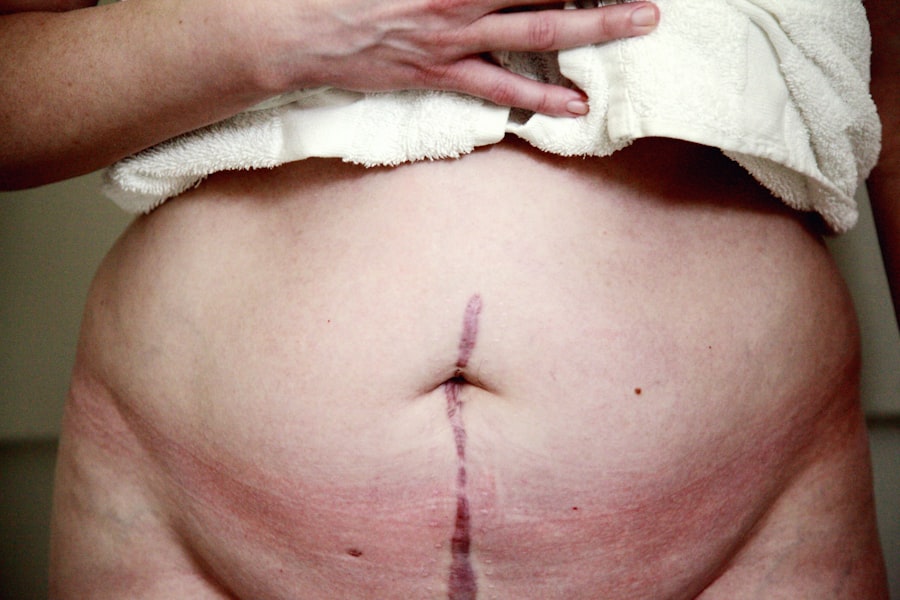
There are several types of prostate removal procedures, each tailored to the patient’s specific condition and overall health. The most common types include radical prostatectomy, simple prostatectomy, and laparoscopic or robotic-assisted prostatectomy. Radical prostatectomy involves the complete removal of the prostate gland along with some surrounding tissue, including seminal vesicles and sometimes nearby lymph nodes.
This procedure is typically indicated for localized prostate cancer. Simple prostatectomy, on the other hand, is performed primarily for benign conditions such as BPH and involves removing only the inner portion of the prostate. Laparoscopic and robotic-assisted prostatectomies are minimally invasive techniques that utilize small incisions and specialized instruments to remove the prostate.
These methods often result in reduced postoperative pain, shorter hospital stays, and quicker recovery times compared to traditional open surgery. The choice of procedure depends on various factors, including tumor characteristics, patient preference, and surgeon expertise.
Risks and Complications of Prostate Removal
| Risks and Complications of Prostate Removal |
|---|
| 1. Incontinence |
| 2. Erectile dysfunction |
| 3. Bleeding |
| 4. Infection |
| 5. Blood clots |
| 6. Lymphedema |
| 7. Damage to nearby organs |
As with any surgical intervention, prostate removal carries inherent risks and potential complications. Common risks include bleeding, infection, and adverse reactions to anesthesia. Specific complications associated with prostatectomy may involve urinary incontinence and erectile dysfunction, which can significantly impact a patient’s quality of life.
Urinary incontinence occurs when there is an inability to control urination following surgery. The severity can range from minor leakage to complete loss of bladder control. Erectile dysfunction is another prevalent concern, as nerve damage during surgery can impair erectile function.
While many patients experience improvement over time, some may require additional treatments such as medications or penile rehabilitation. Other potential complications include lymphocele formation—fluid accumulation in lymphatic channels—and changes in orgasmic sensation. It is crucial for patients to discuss these risks with their healthcare provider to make informed decisions regarding their treatment options.
Preparing for Prostate Removal Surgery
Preparation for prostate removal surgery involves several steps aimed at optimizing patient outcomes and minimizing complications. Prior to surgery, patients typically undergo a comprehensive evaluation that includes blood tests, imaging studies, and possibly a biopsy to confirm the diagnosis and assess cancer staging. Patients are advised to discuss their medications with their healthcare provider, as certain drugs may need to be adjusted or temporarily discontinued prior to surgery.
For instance, anticoagulants may need to be paused to reduce bleeding risks during the procedure. Additionally, patients should be informed about dietary restrictions leading up to surgery, including fasting guidelines. Psychological preparation is equally important; patients may benefit from counseling or support groups to address any anxiety or concerns related to the surgery.
Engaging family members in discussions about postoperative care can also facilitate a smoother recovery process.
What to Expect During Prostate Removal Surgery

During prostate removal surgery, patients are typically placed under general anesthesia to ensure comfort throughout the procedure. The surgical team will monitor vital signs closely while performing the operation. Depending on the chosen technique—open or minimally invasive—the surgeon will make incisions either in the abdomen or utilize small ports for laparoscopic instruments.
The duration of surgery can vary based on complexity but generally lasts between two to four hours. Once the prostate is removed, the surgeon will reconstruct any affected structures and place a catheter to facilitate urine drainage during recovery. Postoperative monitoring will occur in a recovery area where healthcare professionals will assess vital signs and manage pain effectively.
Patients may experience grogginess upon waking from anesthesia but will gradually regain consciousness as they recover from the procedure. It is essential for patients to follow postoperative instructions carefully to ensure optimal healing.
Recovery and Rehabilitation After Prostate Removal
Recovery after prostate removal varies among individuals but generally involves a hospital stay of one to three days, depending on the surgical approach and any complications encountered during surgery. During this time, healthcare providers will monitor for signs of infection or other complications while managing pain through medications. Once discharged, patients are encouraged to engage in light activities such as walking to promote circulation and prevent blood clots.
However, strenuous activities or heavy lifting should be avoided for several weeks post-surgery. Follow-up appointments with the urologist are crucial for monitoring recovery progress and addressing any concerns that may arise. Rehabilitation may also include pelvic floor exercises designed to strengthen muscles involved in urinary control.
These exercises can significantly aid in reducing urinary incontinence over time. Patients should remain proactive in communicating any challenges they face during recovery to their healthcare team.
Potential Side Effects of Prostate Removal
Following prostate removal, patients may experience various side effects that can impact their daily lives. Urinary incontinence is one of the most common side effects; however, its severity can vary widely among individuals. Some may experience only minor leakage during physical activity or coughing, while others may face more significant challenges requiring additional interventions.
While many men regain erectile function over time—often within six months—some may require pharmacological treatments such as phosphodiesterase type 5 inhibitors (e.g., Viagra or Cialis) or other therapies like vacuum erection devices or penile implants. Additionally, changes in orgasmic sensation or dry orgasms (orgasm without ejaculation) can occur due to the removal of seminal vesicles during radical prostatectomy.
Patients should be informed about these potential side effects prior to surgery so they can make informed decisions regarding their treatment options.
Long-Term Effects of Prostate Removal
The long-term effects of prostate removal can vary significantly based on individual circumstances and surgical techniques employed. Many men report improvements in urinary symptoms following surgery; however, some may continue to experience issues related to urinary control or sexual function long after recovery. Regular follow-up appointments are essential for monitoring PSA levels post-surgery to detect any potential recurrence of cancer early on.
Patients should also engage in discussions about lifestyle modifications that can support overall health and well-being after surgery. Psychosocial effects should not be overlooked; many men experience emotional challenges related to changes in sexual function or body image following prostate removal. Support groups or counseling services can provide valuable resources for coping with these changes and fostering resilience during recovery.
Alternative Treatments to Prostate Removal
For patients who are not candidates for surgery or prefer alternative approaches, several treatment options exist for managing prostate conditions such as cancer or BPH. Active surveillance is often recommended for low-risk prostate cancer cases where close monitoring is prioritized over immediate intervention. Radiation therapy—either external beam radiation or brachytherapy—can effectively target cancerous cells while preserving surrounding healthy tissue.
Hormonal therapy may also be employed in advanced cases of prostate cancer by reducing testosterone levels that fuel tumor growth. Minimally invasive procedures such as transurethral resection of the prostate (TURP) or laser therapy can alleviate symptoms associated with BPH without necessitating full surgical removal of the gland. Patients should discuss these alternatives with their healthcare provider to determine the most appropriate course of action based on their unique circumstances.
Support and Resources for Individuals Considering Prostate Removal
Navigating the decision-making process surrounding prostate removal can be daunting; however, numerous resources are available to support individuals facing this journey. Organizations such as the American Cancer Society provide comprehensive information on prostate cancer treatment options, support groups, and educational materials tailored for patients and families. Local support groups offer opportunities for individuals to connect with others who have undergone similar experiences, fostering a sense of community and shared understanding.
Online forums also serve as valuable platforms for exchanging information and advice regarding recovery strategies and coping mechanisms. Healthcare providers play a critical role in guiding patients through this process by offering personalized recommendations based on individual needs and preferences. Open communication with medical professionals ensures that patients feel empowered to make informed decisions about their treatment options.
In summary, understanding prostate removal encompasses various aspects including indications for surgery, types of procedures available, potential risks and complications, as well as recovery expectations. Patients must engage actively with their healthcare teams throughout this journey while considering alternative treatments if appropriate.
If you are considering prostate removal surgery, it is important to educate yourself on the procedure and its potential outcomes. One helpful resource to explore is an article on Boogger.com titled “Understanding Prostate Removal Surgery: What You Need to Know” (source). This article provides valuable information on the process of prostate removal, recovery expectations, and potential side effects. By being well-informed, you can make the best decision for your health and well-being.
FAQs
What is prostate removal?
Prostate removal, also known as prostatectomy, is a surgical procedure to remove all or part of the prostate gland. It is commonly performed to treat prostate cancer or benign prostatic hyperplasia (BPH).
What are the different types of prostate removal?
There are several types of prostate removal procedures, including radical prostatectomy, robotic-assisted laparoscopic prostatectomy, open prostatectomy, and transurethral resection of the prostate (TURP). The choice of procedure depends on the individual’s condition and the surgeon’s recommendation.
What are the risks and complications associated with prostate removal?
Risks and complications of prostate removal may include urinary incontinence, erectile dysfunction, infection, bleeding, and damage to surrounding organs or tissues. It is important to discuss these risks with a healthcare provider before undergoing the procedure.
What is the recovery process like after prostate removal?
The recovery process after prostate removal varies depending on the type of procedure performed and the individual’s overall health. Generally, patients can expect to stay in the hospital for a few days and may experience discomfort, urinary catheterization, and limitations on physical activity during the initial recovery period.
What are the potential long-term effects of prostate removal?
Long-term effects of prostate removal may include changes in urinary function, sexual function, and overall quality of life. It is important for individuals to discuss these potential effects with their healthcare provider and seek appropriate support and resources as needed.