Now Reading: Preventing CHD: Tips for a Healthy Heart
-
01
Preventing CHD: Tips for a Healthy Heart
Preventing CHD: Tips for a Healthy Heart

Coronary Heart Disease (CHD) is a prevalent cardiovascular condition characterized by the narrowing or blockage of coronary arteries due to atherosclerosis, a process where fatty deposits, known as plaques, accumulate on arterial walls. This condition can lead to significant health complications, including angina, heart attacks, and even sudden cardiac death. The World Health Organization estimates that CHD accounts for approximately 16% of all global deaths, underscoring its critical public health impact.
Several risk factors contribute to the development of CHD, which can be categorized into modifiable and non-modifiable factors. Non-modifiable risk factors include age, gender, and family history of heart disease. As individuals age, the risk of developing CHD increases significantly.
Men are generally at a higher risk than women until menopause, after which the risk levels tend to equalize. Modifiable risk factors encompass lifestyle choices such as smoking, physical inactivity, poor dietary habits, obesity, hypertension, and dyslipidemia. Addressing these modifiable factors is crucial in reducing the incidence and severity of CHD.
Key Takeaways
- CHD is a serious condition that can be influenced by various risk factors such as high blood pressure, high cholesterol, smoking, and obesity.
- A heart-healthy diet includes plenty of fruits, vegetables, whole grains, lean proteins, and healthy fats, while limiting processed and sugary foods.
- Regular physical activity is essential for maintaining a healthy heart, aiming for at least 150 minutes of moderate-intensity exercise per week.
- Managing stress and mental well-being is important for heart health, and practicing mindfulness and relaxation techniques can be beneficial.
- Quitting smoking, limiting alcohol intake, monitoring blood pressure and cholesterol levels, maintaining a healthy weight, and getting regular check-ups and screenings are all crucial for preventing and managing CHD.
Adopting a Heart-Healthy Diet
A heart-healthy diet is fundamental in preventing and managing CHD. This dietary approach emphasizes the consumption of whole foods rich in nutrients while minimizing processed and unhealthy options. Key components of a heart-healthy diet include fruits, vegetables, whole grains, lean proteins, and healthy fats.
The Mediterranean diet, for instance, is often recommended due to its emphasis on olive oil, fish, nuts, and legumes, which are known to promote cardiovascular health. Incorporating specific nutrients can further enhance heart health. Omega-3 fatty acids found in fatty fish like salmon and mackerel have been shown to reduce inflammation and lower triglyceride levels.
Additionally, fiber-rich foods such as oats, beans, and fruits can help lower cholesterol levels and improve overall heart function. It is also essential to limit sodium intake to manage blood pressure effectively; the American Heart Association recommends keeping sodium consumption below 2,300 mg per day.
Incorporating Regular Physical Activity

Engaging in regular physical activity is vital for maintaining cardiovascular health and preventing CHD. The American Heart Association recommends at least 150 minutes of moderate-intensity aerobic exercise or 75 minutes of vigorous-intensity exercise each week. Activities such as brisk walking, cycling, swimming, or dancing can significantly improve heart function and overall well-being.
Exercise not only helps in weight management but also plays a crucial role in lowering blood pressure and improving lipid profiles. Aerobic activities enhance circulation and promote the efficient functioning of the heart muscle.
It is essential to consult with a healthcare provider before starting any new exercise regimen, especially for individuals with existing health conditions.
Managing Stress and Mental Well-being
| Category | Metrics |
|---|---|
| Stress Level | Low, Medium, High |
| Physical Activity | Hours per week |
| Sleep Quality | Hours of sleep, Sleep score |
| Mental Well-being | Self-reported score |
| Work-Life Balance | Hours worked, Leisure time |
Chronic stress has been identified as a significant contributor to the development of CHD. Stress triggers the release of hormones such as cortisol and adrenaline, which can lead to increased heart rate and blood pressure. Over time, these physiological changes can damage blood vessels and contribute to the progression of heart disease.
Therefore, effective stress management techniques are essential for maintaining cardiovascular health. Mindfulness practices such as meditation, yoga, and deep-breathing exercises can significantly reduce stress levels and promote mental well-being. These techniques encourage relaxation and help individuals develop coping strategies for managing daily stressors.
Additionally, engaging in hobbies or social activities can provide emotional support and foster a sense of community, further enhancing mental health.
Quitting Smoking and Limiting Alcohol Intake
Smoking is one of the most significant modifiable risk factors for CHD. The harmful chemicals in tobacco smoke damage blood vessels and promote atherosclerosis. Quitting smoking can dramatically reduce the risk of developing heart disease; studies indicate that individuals who stop smoking can lower their risk by up to 50% within one year.
Various cessation programs and pharmacological aids such as nicotine replacement therapy (NRT) or prescription medications like varenicline can assist individuals in their journey to quit smoking. Alcohol consumption should also be moderated to maintain heart health. While some studies suggest that moderate alcohol intake may have protective effects against heart disease, excessive consumption can lead to hypertension, cardiomyopathy, and other cardiovascular complications.
The Centers for Disease Control and Prevention (CDC) defines moderate drinking as up to one drink per day for women and up to two drinks per day for men.
Monitoring Blood Pressure and Cholesterol Levels

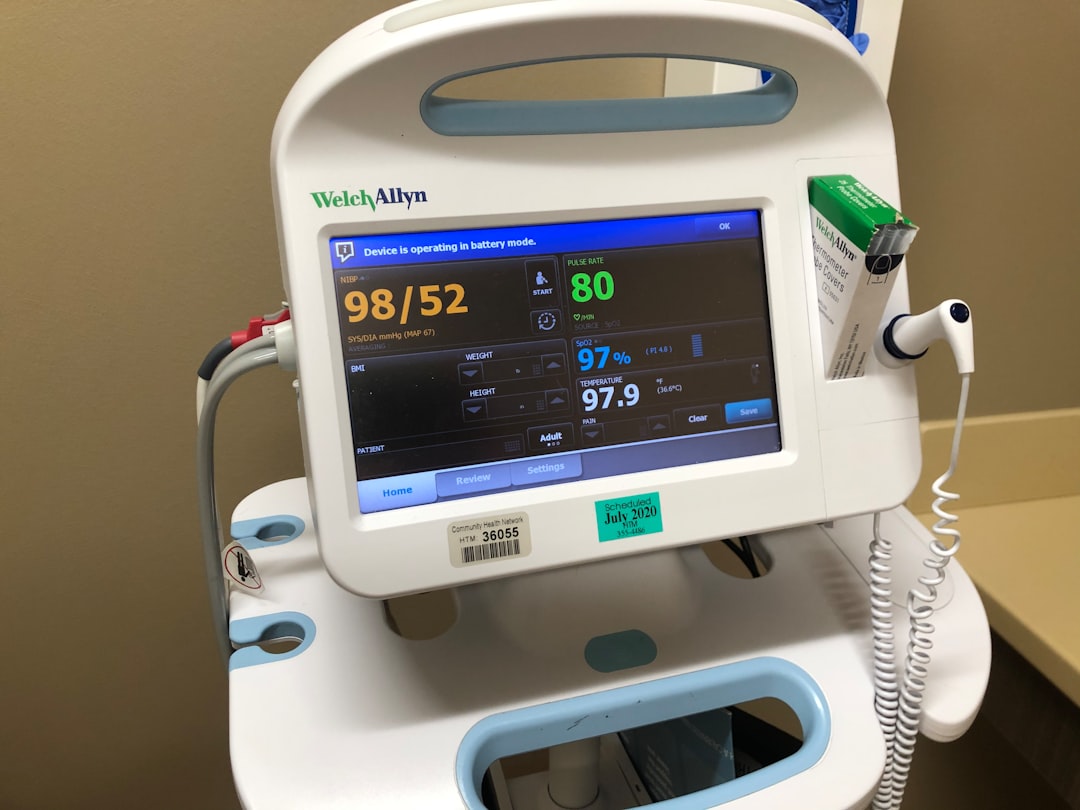
Regular monitoring of blood pressure and cholesterol levels is crucial for early detection and management of CHD risk factors. Hypertension is often referred to as the “silent killer” due to its asymptomatic nature; therefore, routine screenings are essential for identifying elevated blood pressure levels. The American College of Cardiology defines normal blood pressure as less than 120/80 mmHg.
Cholesterol levels should also be monitored regularly through lipid panels that measure total cholesterol, low-density lipoprotein (LDL), high-density lipoprotein (HDL), and triglycerides. Elevated LDL cholesterol is particularly concerning as it contributes to plaque formation in arteries. Lifestyle modifications such as dietary changes and increased physical activity can help manage cholesterol levels effectively.
In some cases, pharmacological interventions like statins may be necessary to achieve optimal lipid profiles.
Maintaining a Healthy Weight
Obesity is a significant risk factor for CHD due to its association with hypertension, dyslipidemia, and insulin resistance. Maintaining a healthy weight through a balanced diet and regular physical activity is essential for reducing the risk of heart disease. The Body Mass Index (BMI) is commonly used to assess weight status; a BMI between 18.5 and 24.9 is considered healthy.
Weight management strategies should focus on sustainable lifestyle changes rather than fad diets. Incorporating portion control, mindful eating practices, and regular physical activity can facilitate gradual weight loss while promoting overall health.
Getting Regular Check-ups and Screenings
Routine check-ups with healthcare providers are essential for monitoring cardiovascular health and identifying potential risk factors early on. Regular screenings for blood pressure, cholesterol levels, diabetes, and other metabolic conditions can help individuals stay informed about their health status. The frequency of these check-ups may vary based on individual risk factors; however, adults should aim for at least annual visits.
During these appointments, healthcare providers can assess lifestyle habits, discuss any concerns related to heart health, and recommend appropriate interventions if necessary. Early detection of risk factors allows for timely management strategies that can significantly reduce the likelihood of developing CHD.
Limiting Processed and Sugary Foods
The consumption of processed foods high in added sugars, sodium, and unhealthy fats has been linked to an increased risk of CHD. These foods often lack essential nutrients while contributing to weight gain and poor metabolic health. To promote heart health, individuals should focus on whole foods that are minimally processed.
Reading food labels can help identify hidden sugars and unhealthy ingredients in packaged foods. The American Heart Association recommends limiting added sugars to no more than 6 teaspoons per day for women and 9 teaspoons per day for men. By prioritizing whole foods such as fruits, vegetables, whole grains, lean proteins, and healthy fats, individuals can significantly improve their dietary quality while reducing their risk of heart disease.
Avoiding Trans Fats and Limiting Saturated Fats
Trans fats are artificial fats created through hydrogenation processes that increase shelf life but pose significant health risks. These fats raise LDL cholesterol levels while simultaneously lowering HDL cholesterol levels, leading to an increased risk of CHD. The Food and Drug Administration (FDA) has mandated the removal of trans fats from processed foods; however, it remains crucial for consumers to read labels carefully.
Saturated fats should also be consumed in moderation as they can contribute to elevated cholesterol levels when consumed excessively. The American Heart Association recommends limiting saturated fat intake to less than 6% of total daily calories for optimal heart health. Instead of saturated fats found in red meats and full-fat dairy products, individuals should opt for healthier fat sources such as avocados, nuts, seeds, and olive oil.
Practicing Mindfulness and Relaxation Techniques
Incorporating mindfulness practices into daily routines can significantly enhance mental well-being while reducing stress levels associated with CHD risk factors. Techniques such as meditation, progressive muscle relaxation, or guided imagery can promote relaxation responses in the body that counteract stress-induced physiological changes. Mindfulness encourages individuals to focus on the present moment without judgment; this practice has been shown to reduce anxiety and improve emotional regulation.
Regular engagement in mindfulness exercises can lead to improved coping strategies when faced with stressors related to work or personal life challenges. In summary, understanding Coronary Heart Disease (CHD) involves recognizing its risk factors—both modifiable and non-modifiable—and implementing lifestyle changes that promote cardiovascular health. Adopting a heart-healthy diet rich in whole foods while incorporating regular physical activity is essential for prevention.
Managing stress through mindfulness techniques alongside quitting smoking and moderating alcohol intake further supports heart health. Regular monitoring of blood pressure and cholesterol levels is crucial for early detection of potential issues while maintaining a healthy weight through sustainable practices enhances overall well-being. Routine check-ups ensure that individuals remain informed about their cardiovascular status while limiting processed foods high in sugars and unhealthy fats contributes significantly to reducing CHD risk factors.
### FAQ Section 1. **What are the primary symptoms of CHD?**
– Common symptoms include chest pain (angina), shortness of breath during exertion or at rest, fatigue with activity, palpitations or irregular heartbeat. 2.
**How often should I get my cholesterol checked?**
– Adults should have their cholesterol checked every 4-6 years; however, those with risk factors may need more frequent assessments. 3. **Can I reverse CHD?**
– While complete reversal may not be possible for everyone, lifestyle changes can significantly improve heart health and reduce symptoms.
4. **What medications are commonly prescribed for CHD?**
– Statins are frequently prescribed to lower cholesterol levels; other medications may include beta-blockers or ACE inhibitors depending on individual needs. 5.
**Is it safe to exercise if I have CHD?**
– Exercise is generally beneficial; however, it’s essential to consult with a healthcare provider before starting any new exercise program. 6. **How does stress affect heart health?**
– Chronic stress contributes to hypertension and unhealthy behaviors like overeating or smoking; managing stress is crucial for heart health.
7. **What role does genetics play in CHD?**
– Family history is a significant non-modifiable risk factor; individuals with a family history may need more vigilant monitoring. 8.
**Are there specific diets recommended for heart health?**
– Yes! Diets like the Mediterranean diet emphasize healthy fats from fish and olive oil while limiting processed foods. 9.
**How can I effectively quit smoking?**
– Utilizing cessation programs or medications like NRT or varenicline can significantly increase success rates in quitting smoking. 10. **What are some effective mindfulness techniques?**
– Techniques include meditation practices focusing on breath awareness or guided imagery exercises that promote relaxation.
By addressing these questions comprehensively, individuals can better understand how lifestyle modifications contribute to reducing their risk of Coronary Heart Disease while enhancing overall well-being.
When it comes to preventing coronary heart disease (CHD), one important factor to consider is maintaining a healthy lifestyle. A related article on Boogger discusses the significance of Juneteenth becoming a federal holiday in 2024, highlighting the importance of recognizing and celebrating cultural milestones. This article serves as a reminder that promoting diversity and inclusivity in society can contribute to overall well-being and potentially reduce the risk of CHD. To learn more about this topic, you can read the article here.
FAQs
What is CHD?
CHD stands for Coronary Heart Disease, which is a condition where the blood vessels that supply the heart with blood become narrowed or blocked due to a buildup of plaque. This can lead to chest pain, heart attack, and other serious heart-related issues.
What are the risk factors for CHD?
The risk factors for CHD include high blood pressure, high cholesterol, smoking, diabetes, obesity, and a sedentary lifestyle. Family history and age also play a role in the development of CHD.
How can CHD be prevented?
CHD can be prevented by maintaining a healthy lifestyle, which includes regular exercise, a balanced diet, not smoking, and managing conditions such as high blood pressure and diabetes. It is also important to have regular check-ups with a healthcare provider to monitor and manage any risk factors.
What role does diet play in preventing CHD?
A healthy diet plays a crucial role in preventing CHD. This includes consuming a variety of fruits, vegetables, whole grains, lean proteins, and healthy fats. Limiting the intake of saturated and trans fats, as well as sodium and added sugars, is also important for heart health.
Is exercise important for preventing CHD?
Yes, regular physical activity is important for preventing CHD. Aim for at least 150 minutes of moderate-intensity exercise per week, such as brisk walking, swimming, or cycling. Strength training and flexibility exercises are also beneficial for overall heart health.
Can medication help prevent CHD?
In some cases, medication may be prescribed to help manage risk factors for CHD, such as high blood pressure, high cholesterol, or diabetes. It is important to work with a healthcare provider to determine the most appropriate treatment plan for individual needs.