Now Reading: Preventing Atherosclerotic Cardiovascular Disease
-
01
Preventing Atherosclerotic Cardiovascular Disease
Preventing Atherosclerotic Cardiovascular Disease

Atherosclerotic cardiovascular disease (ASCVD) is a progressive condition characterized by the accumulation of lipids, inflammatory cells, and fibrous elements within the arterial walls, leading to the formation of atherosclerotic plaques. These plaques can cause significant narrowing of the arteries, impeding blood flow and increasing the risk of serious cardiovascular events such as myocardial infarction (heart attack) and cerebrovascular accidents (strokes). The pathophysiology of ASCVD involves a complex interplay of genetic predisposition, environmental factors, and lifestyle choices that contribute to endothelial dysfunction, inflammation, and lipid accumulation.
The clinical manifestations of ASCVD can vary widely, ranging from asymptomatic stages to acute coronary syndromes. Patients may experience angina pectoris, shortness of breath, or even sudden cardiac death. The disease is often insidious, with many individuals remaining unaware of their condition until a significant event occurs.
Early detection and intervention are crucial in managing ASCVD and preventing its complications. Understanding the underlying mechanisms and risk factors associated with this disease is essential for developing effective prevention and treatment strategies.
Key Takeaways
- Atherosclerotic Cardiovascular Disease is a condition caused by the buildup of plaque in the arteries, leading to reduced blood flow and increased risk of heart attack and stroke.
- Risk factors for Atherosclerotic Cardiovascular Disease include high blood pressure, high cholesterol, diabetes, smoking, obesity, and a sedentary lifestyle.
- A heart-healthy diet for preventing Atherosclerotic Cardiovascular Disease includes plenty of fruits, vegetables, whole grains, lean proteins, and healthy fats, while limiting sodium, saturated fats, and added sugars.
- Regular physical activity, including aerobic and strength training exercises, can help prevent Atherosclerotic Cardiovascular Disease by improving heart health and reducing risk factors such as obesity and high blood pressure.
- Smoking cessation is crucial for preventing Atherosclerotic Cardiovascular Disease, as smoking damages the arteries and increases the risk of blood clots and plaque buildup.
Risk Factors for Atherosclerotic Cardiovascular Disease
Several modifiable and non-modifiable risk factors contribute to the development of ASCVD. Non-modifiable factors include age, gender, and family history. As individuals age, the risk of developing atherosclerosis increases significantly.
Men are generally at a higher risk than premenopausal women, although this risk equalizes post-menopause. A family history of premature cardiovascular disease can also indicate a genetic predisposition to ASCVD. Modifiable risk factors play a critical role in the prevention and management of ASCVD.
These include hypertension, hyperlipidemia, diabetes mellitus, obesity, physical inactivity, and smoking. Hypertension contributes to endothelial injury and promotes atherogenesis, while elevated levels of low-density lipoprotein (LDL) cholesterol facilitate plaque formation. Diabetes mellitus accelerates atherosclerosis through various mechanisms, including increased oxidative stress and inflammation.
Obesity is associated with metabolic syndrome, which further exacerbates cardiovascular risk. Lifestyle choices such as smoking not only damage blood vessels but also promote thrombosis, significantly increasing the likelihood of acute cardiovascular events.
Diet and Nutrition for Preventing Atherosclerotic Cardiovascular Disease

A heart-healthy diet is paramount in preventing ASCVD. The Mediterranean diet, rich in fruits, vegetables, whole grains, lean proteins, and healthy fats such as olive oil, has been shown to reduce cardiovascular risk significantly. This dietary pattern emphasizes the consumption of antioxidant-rich foods that combat oxidative stress and inflammation—key contributors to atherosclerosis.
Specific dietary components play a crucial role in managing cholesterol levels and blood pressure. For instance, increasing fiber intake through whole grains, legumes, and fruits can help lower LDL cholesterol levels. Omega-3 fatty acids found in fatty fish like salmon and mackerel have anti-inflammatory properties that can improve endothelial function and reduce triglyceride levels. Additionally, reducing sodium intake is essential for managing hypertension; aiming for less than 2,300 mg per day can help maintain optimal blood pressure levels.
Exercise and Physical Activity for Preventing Atherosclerotic Cardiovascular Disease
| Study | Findings |
|---|---|
| ACSM Guidelines for Exercise Testing and Prescription | Regular physical activity reduces the risk of developing atherosclerotic cardiovascular disease. |
| National Institute for Health and Care Excellence (NICE) Guidelines | Physical activity should be encouraged as part of the management of atherosclerotic cardiovascular disease. |
| American Heart Association Recommendations | Regular exercise can help prevent atherosclerotic cardiovascular disease by improving cardiovascular health. |
Regular physical activity is a cornerstone in the prevention of ASCVD. Engaging in at least 150 minutes of moderate-intensity aerobic exercise per week can significantly improve cardiovascular health by enhancing endothelial function, reducing blood pressure, and improving lipid profiles. Activities such as brisk walking, cycling, swimming, or dancing not only promote weight management but also improve overall cardiovascular fitness.
Incorporating strength training exercises at least twice a week can further enhance cardiovascular health by increasing muscle mass and metabolic rate. Resistance training has been shown to improve insulin sensitivity and lower blood pressure, both of which are critical in reducing ASCVD risk. Moreover, physical activity has psychological benefits that can alleviate stress and anxiety—factors that contribute to cardiovascular disease.
Smoking Cessation for Preventing Atherosclerotic Cardiovascular Disease
Smoking is one of the most significant modifiable risk factors for ASCVD. The harmful chemicals in tobacco smoke cause endothelial damage, promote inflammation, and increase platelet aggregation—all contributing to the development of atherosclerosis. Quitting smoking can dramatically reduce the risk of cardiovascular events; within just one year of cessation, the risk of coronary heart disease decreases by 50%.
Various strategies can aid individuals in their journey to quit smoking. Behavioral therapies, such as cognitive-behavioral therapy (CBT), can help modify smoking-related behaviors and triggers. Pharmacological interventions like nicotine replacement therapy (NRT) or prescription medications such as varenicline (Chantix) or bupropion (Zyban) can also support cessation efforts by reducing withdrawal symptoms and cravings.
Comprehensive smoking cessation programs that combine counseling with medication have shown the highest success rates.
Managing High Blood Pressure for Preventing Atherosclerotic Cardiovascular Disease
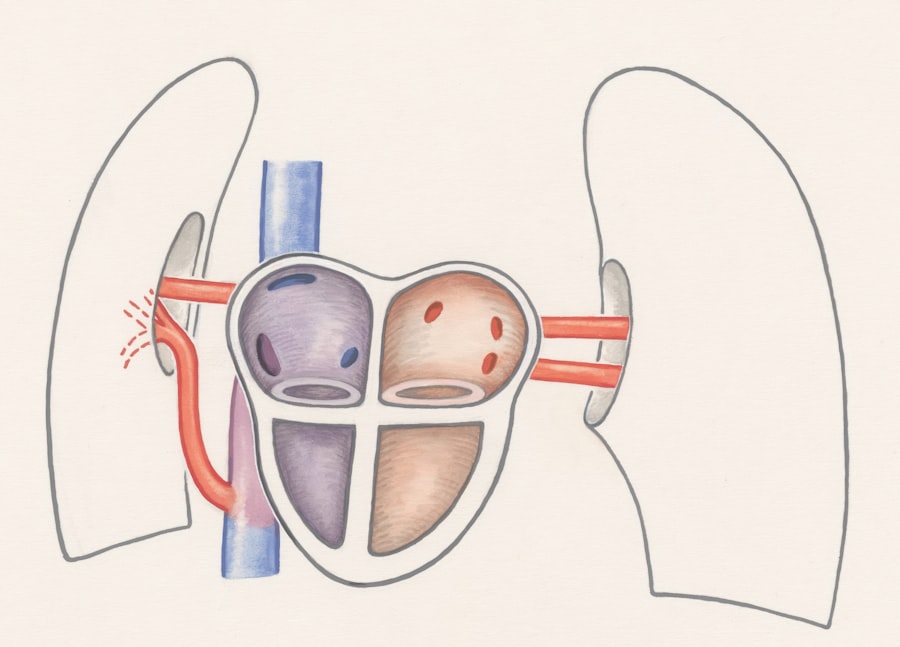
Hypertension is a critical risk factor for ASCVD that requires vigilant management. Blood pressure should ideally be maintained below 130/80 mmHg to minimize cardiovascular risk. Lifestyle modifications such as dietary changes (e.g., adopting the DASH diet), regular physical activity, weight management, and stress reduction are foundational strategies for controlling hypertension.
Common classes of antihypertensive medications include thiazide diuretics, ACE inhibitors, angiotensin II receptor blockers (ARBs), beta-blockers, and calcium channel blockers. Each class has unique mechanisms of action that target different aspects of blood pressure regulation.
For instance, ACE inhibitors not only lower blood pressure but also provide renal protection in diabetic patients.
Managing High Cholesterol for Preventing Atherosclerotic Cardiovascular Disease
Dyslipidemia is another significant contributor to ASCVD. Elevated LDL cholesterol levels are particularly concerning as they facilitate plaque formation within arterial walls. Regular lipid profile assessments are essential for identifying individuals at risk; optimal LDL levels should be below 100 mg/dL.
Dietary modifications aimed at reducing saturated fat intake while increasing soluble fiber consumption can help manage cholesterol levels effectively. In some cases, pharmacological intervention may be warranted. Statins are the most commonly prescribed medications for lowering LDL cholesterol; they work by inhibiting HMG-CoA reductase, an enzyme involved in cholesterol synthesis in the liver.
Other lipid-lowering agents include ezetimibe (which reduces intestinal absorption of cholesterol) and PCSK9 inhibitors (which enhance LDL receptor recycling).
Managing Diabetes for Preventing Atherosclerotic Cardiovascular Disease
Diabetes mellitus significantly increases the risk of developing ASCVD due to its effects on lipid metabolism, blood pressure regulation, and endothelial function. Maintaining optimal glycemic control is crucial in mitigating these risks; target HbA1c levels should ideally be below 7% for most adults. Lifestyle interventions such as dietary modifications and regular physical activity are foundational in managing diabetes.
Pharmacological options include metformin as a first-line agent; however, newer classes of medications such as GLP-1 receptor agonists and SGLT2 inhibitors have shown additional cardiovascular benefits beyond glycemic control. These agents not only improve blood sugar levels but also promote weight loss and reduce cardiovascular events.
Stress Management for Preventing Atherosclerotic Cardiovascular Disease
Chronic stress has been linked to an increased risk of ASCVD through various mechanisms including elevated cortisol levels, increased heart rate, and heightened blood pressure. Effective stress management techniques are essential for maintaining cardiovascular health. Mindfulness practices such as meditation, yoga, and deep-breathing exercises can help mitigate stress responses.
Cognitive-behavioral therapy (CBT) has also proven effective in addressing stress-related issues by helping individuals develop coping strategies and modify negative thought patterns. Engaging in social support networks or community activities can provide emotional support that further alleviates stress.
Medication and Treatment Options for Preventing Atherosclerotic Cardiovascular Disease
In addition to lifestyle modifications, various medications play a pivotal role in preventing ASCVD. Antiplatelet agents such as aspirin are often prescribed for individuals with established cardiovascular disease or those at high risk to prevent thrombotic events. Statins remain the cornerstone for managing dyslipidemia; however, newer agents like PCSK9 inhibitors have emerged as effective alternatives for patients who do not achieve adequate LDL reduction with statins alone.
For patients with hypertension or diabetes, appropriate antihypertensive or antidiabetic medications should be initiated based on individual needs and comorbidities. Regular follow-up appointments are essential to monitor medication efficacy and adjust dosages as necessary.
Regular Health Check-ups and Screenings for Preventing Atherosclerotic Cardiovascular Disease
Routine health check-ups are vital for early detection and management of ASCVD risk factors. Regular screenings for blood pressure, cholesterol levels, glucose levels, and body mass index (BMI) should be conducted at least annually or more frequently based on individual risk profiles. These assessments allow healthcare providers to identify at-risk individuals early on and implement preventive measures promptly.
Additionally, discussions regarding lifestyle modifications should be integrated into routine visits to reinforce healthy behaviors among patients. Educating patients about their cardiovascular risk factors empowers them to take an active role in their health management. In summary, a comprehensive approach involving lifestyle modifications—such as diet changes, regular exercise, smoking cessation—and medical management is essential in preventing atherosclerotic cardiovascular disease.
Understanding individual risk factors allows for tailored interventions that can significantly reduce the incidence of this prevalent condition while promoting overall cardiovascular health. Regular health check-ups serve as a critical component in monitoring progress and ensuring effective management strategies are in place.
A recent study published in the Journal of the American College of Cardiology found that individuals who regularly celebrate federal holidays, such as Independence Day, may have a lower risk of developing atherosclerotic cardiovascular disease. The study suggests that the sense of community and patriotism fostered by these holidays may have a positive impact on heart health. To read more about the importance of federal holidays in celebrating America’s traditions, click here.
FAQs
What is atherosclerotic cardiovascular disease?
Atherosclerotic cardiovascular disease, also known as atherosclerosis, is a condition in which the arteries become narrowed and hardened due to a buildup of plaque. This can restrict blood flow and lead to various cardiovascular problems.
What are the risk factors for atherosclerotic cardiovascular disease?
Risk factors for atherosclerotic cardiovascular disease include high blood pressure, high cholesterol, smoking, diabetes, obesity, and a sedentary lifestyle. Age, family history, and certain genetic factors also play a role.
What are the symptoms of atherosclerotic cardiovascular disease?
Symptoms of atherosclerotic cardiovascular disease can vary depending on the specific arteries affected. Common symptoms include chest pain or discomfort, shortness of breath, fatigue, and weakness. In some cases, atherosclerosis may be asymptomatic until a serious event such as a heart attack or stroke occurs.
How is atherosclerotic cardiovascular disease diagnosed?
Atherosclerotic cardiovascular disease can be diagnosed through a combination of medical history, physical examination, and diagnostic tests such as blood tests, electrocardiogram (ECG), stress tests, echocardiogram, and imaging tests like CT scans or angiography.
What are the treatment options for atherosclerotic cardiovascular disease?
Treatment for atherosclerotic cardiovascular disease may include lifestyle changes such as diet and exercise, medications to control blood pressure and cholesterol, and in some cases, surgical procedures such as angioplasty or bypass surgery. It is important to work with a healthcare professional to develop a personalized treatment plan.