Now Reading: Preparing for the Next Big Earthquake
-
01
Preparing for the Next Big Earthquake
Preparing for the Next Big Earthquake
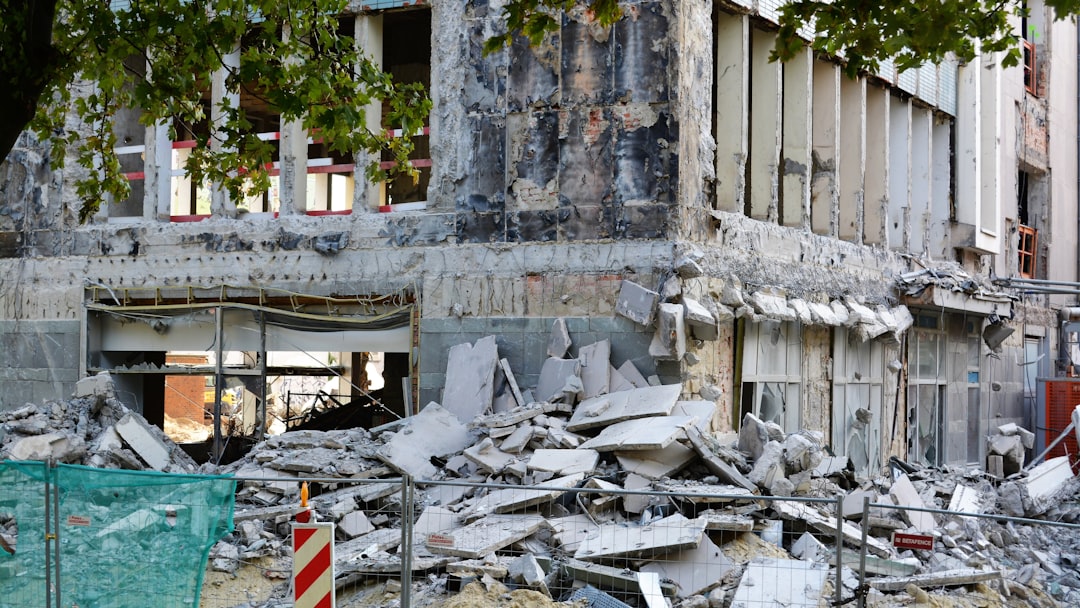
Natural disasters, particularly earthquakes, pose significant risks to communities worldwide. Earthquakes occur due to the sudden release of energy in the Earth’s crust, resulting in seismic waves that can cause extensive damage. The magnitude of an earthquake is measured on the Richter scale, with values ranging from minor tremors (less than 3.0) to major quakes (7.0 and above) that can lead to catastrophic consequences.
In regions situated along tectonic plate boundaries, the likelihood of experiencing seismic activity is considerably higher, making it imperative for residents to comprehend the potential threats. The impact of an earthquake can be devastating, leading to structural failures, landslides, tsunamis, and loss of life. According to the United States Geological Survey (USGS), approximately 20,000 earthquakes are recorded annually in the United States alone, with significant events occurring every few years.
Understanding the geological factors contributing to these phenomena is crucial for preparedness. Factors such as soil composition, building codes, and population density can influence the extent of damage and casualties during an earthquake.
Key Takeaways
- Understand the risks and potential impacts of earthquakes in your area.
- Develop a comprehensive emergency plan tailored to your family’s needs.
- Secure your home by reinforcing structures and securing heavy items.
- Prepare an emergency kit with essential supplies for survival.
- Regularly practice drills and stay informed about community response plans.
Creating an Emergency Plan
Developing a comprehensive emergency plan is essential for ensuring the safety of individuals and families during an earthquake. This plan should encompass various aspects, including evacuation routes, communication strategies, and designated meeting points. Families should engage in discussions to identify potential hazards within their homes and establish protocols for responding to seismic events.
An effective emergency plan should include a clear outline of roles and responsibilities for each family member. For instance, parents may be tasked with securing younger children, while older children can assist in gathering essential supplies. Additionally, it is vital to designate a safe meeting place outside the home where family members can regroup after an earthquake.
Securing Your Home
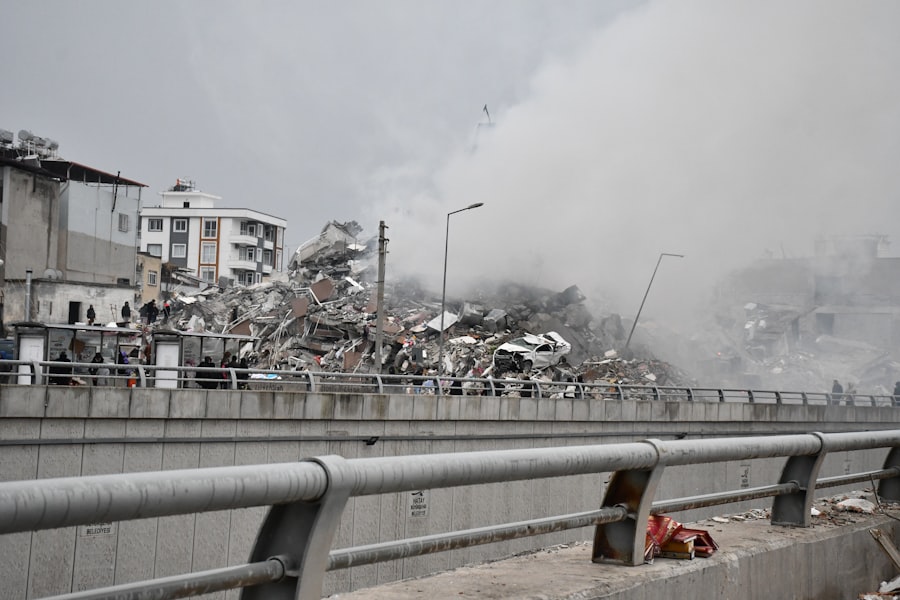
Securing your home against earthquake damage is a proactive measure that can significantly reduce risks during seismic events. Structural integrity is paramount; therefore, homeowners should assess their properties for vulnerabilities. This includes reinforcing foundations, securing heavy furniture, and installing safety straps on appliances such as water heaters and refrigerators.
In addition to structural modifications, it is advisable to conduct a thorough inspection of the home’s electrical and gas systems. Faulty wiring or gas leaks can exacerbate the dangers posed by an earthquake. Homeowners should consider retrofitting their properties to meet modern building codes designed to withstand seismic activity.
Engaging with professionals who specialize in earthquake-resistant construction can provide valuable insights into effective reinforcement techniques.
Assembling an Emergency Kit
An emergency kit is a critical component of earthquake preparedness, providing essential supplies that can sustain individuals and families during and after a seismic event. The kit should contain non-perishable food items, bottled water (at least one gallon per person per day for three days), first aid supplies, flashlights, batteries, and a multi-tool or Swiss Army knife. In addition to basic necessities, it is prudent to include personal hygiene items, medications, important documents (such as identification and insurance policies), and cash in small denominations.
Families should periodically review and update their emergency kits to ensure that food items are not expired and that medications are current. Customizing the kit based on individual needs—such as including baby formula or pet supplies—can enhance its effectiveness during emergencies.
Educating Yourself and Your Family
| Metric | Description | Example Value |
|---|---|---|
| Magnitude | Measure of the energy released at the earthquake source | 7.8 (Richter scale) |
| Depth | Distance below the Earth’s surface where the earthquake originates | 10 km |
| Epicenter | Point on the Earth’s surface directly above the earthquake focus | San Francisco, CA |
| Intensity | Measure of the earthquake’s effects on people and structures | VIII (Severe, Modified Mercalli Intensity) |
| Aftershocks | Smaller earthquakes following the main shock | 15 within 24 hours |
| Fault Type | Type of geological fault where the earthquake occurred | Strike-slip |
| Duration | Length of time the shaking lasts | 45 seconds |
Education plays a pivotal role in earthquake preparedness. Understanding the science behind earthquakes, recognizing warning signs, and knowing how to respond can empower individuals to act decisively during a crisis. Families should participate in workshops or training sessions offered by local emergency management agencies or community organizations focused on disaster preparedness.
Moreover, teaching children about earthquakes in an age-appropriate manner fosters a sense of awareness and responsibility. Engaging them in discussions about safety measures and encouraging them to practice drills can instill confidence in their ability to respond effectively during an actual event. Utilizing educational resources such as books, videos, and interactive simulations can further enhance understanding and retention of critical information.
Knowing Your Community’s Emergency Response Plan
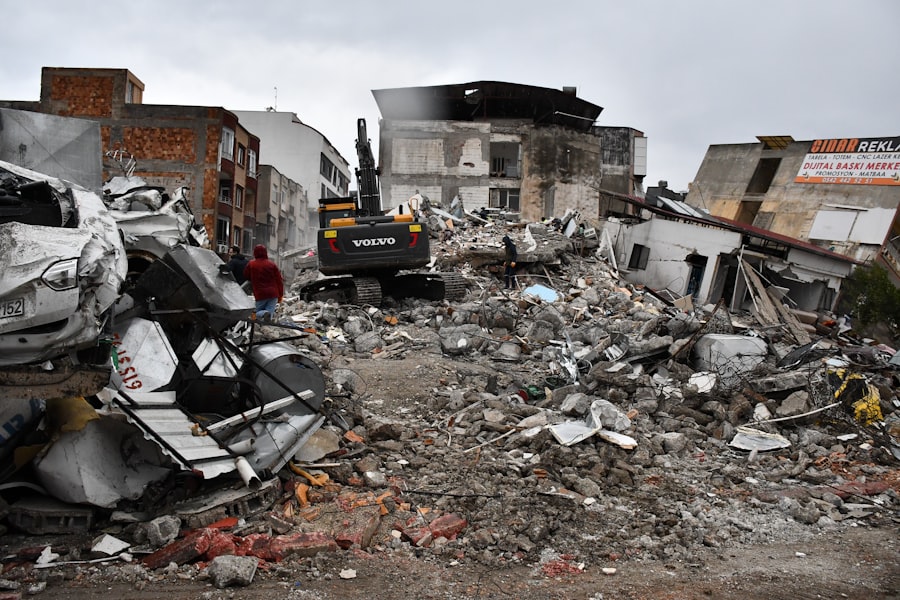
Familiarity with your community’s emergency response plan is essential for effective disaster preparedness. Local governments often develop comprehensive strategies that outline procedures for evacuation, sheltering, and resource distribution during emergencies. Residents should take the initiative to learn about these plans by attending community meetings or accessing information through official websites.
Understanding the roles of local emergency services—such as fire departments, police forces, and medical responders—can provide insight into how assistance will be rendered during an earthquake. Additionally, knowing the locations of designated shelters and resources available in your area can facilitate quicker decision-making when disaster strikes.
Establishing Communication Plans
Establishing a robust communication plan is vital for maintaining contact with family members during an earthquake. In the chaos following a seismic event, traditional communication methods may become unreliable due to damaged infrastructure or overwhelmed networks. Therefore, families should designate a primary point of contact outside their immediate area who can serve as a communication hub.
Utilizing text messaging or social media platforms can be more effective than voice calls during emergencies when networks are congested. It is also advisable to create a list of important phone numbers—such as local emergency services, schools, and workplaces—that family members can reference if needed. Regularly reviewing and practicing this communication plan ensures that everyone knows their roles and responsibilities.
Identifying Safe Meeting Places
Identifying safe meeting places is crucial for ensuring that family members can reunite after an earthquake. These locations should be predetermined based on proximity to home and accessibility during emergencies. Ideal meeting spots include open areas away from buildings, trees, and power lines that could pose hazards during aftershocks.
Regularly revisiting these locations and discussing them with family members reinforces their importance and helps everyone remain oriented during stressful situations.
Practicing Earthquake Drills
Regularly practicing earthquake drills is an effective way to prepare for potential seismic events. Drills help individuals internalize safety protocols and develop muscle memory for responding quickly during an actual earthquake. Families should schedule drills at least twice a year to ensure that everyone is familiar with the procedures.
During these drills, participants should practice “Drop, Cover, and Hold On” techniques—dropping to the ground, taking cover under sturdy furniture, and holding on until the shaking stops. Incorporating realistic scenarios into drills can enhance preparedness by simulating various conditions that may arise during an earthquake.
Staying Informed
Staying informed about seismic activity is essential for effective preparedness. Individuals should monitor local news outlets, weather channels, and official government websites for updates on earthquakes and related alerts. Utilizing smartphone applications that provide real-time notifications about seismic events can also enhance awareness.
Additionally, understanding the geological characteristics of your region—such as fault lines and historical seismic activity—can provide valuable context for potential risks. Engaging with local geological surveys or universities can offer insights into ongoing research related to earthquakes and preparedness strategies.
Seeking Professional Advice
Consulting with professionals who specialize in disaster preparedness can provide tailored solutions for individuals and families seeking to enhance their earthquake readiness. Experts in emergency management can conduct assessments of homes and communities to identify vulnerabilities and recommend appropriate mitigation strategies. Furthermore, engaging with mental health professionals can address the psychological impacts associated with living in earthquake-prone areas.
Understanding coping mechanisms and stress management techniques can help individuals navigate the emotional challenges that may arise before or after a seismic event. In summary, preparing for earthquakes involves understanding the threat posed by seismic activity, creating comprehensive emergency plans, securing homes against potential damage, assembling emergency kits, educating families about safety measures, knowing community response plans, establishing communication strategies, identifying safe meeting places, practicing drills regularly, staying informed about seismic activity, and seeking professional advice when necessary. By taking proactive steps toward preparedness, individuals can significantly enhance their resilience against earthquakes and safeguard their loved ones during emergencies.
While the topic of earthquakes may seem distant from holiday celebrations, understanding the impact of natural disasters on communities can enhance our appreciation for the joy of the season. For instance, the article on how to make informed decisions regarding investments, such as the Amazon stock price, can provide insights into how companies respond to crises, including natural disasters like earthquakes. This knowledge can be crucial for those looking to support businesses that contribute positively to their communities during challenging times.
FAQs
What is an earthquake?
An earthquake is the shaking of the Earth’s surface caused by the sudden release of energy in the Earth’s lithosphere, usually due to tectonic plate movements.
What causes earthquakes?
Earthquakes are primarily caused by the movement of tectonic plates along faults, volcanic activity, or human activities such as mining and reservoir-induced seismicity.
How are earthquakes measured?
Earthquakes are measured using seismographs, which record the seismic waves. The magnitude is commonly reported on the Richter scale or moment magnitude scale, while intensity is measured by the Modified Mercalli Intensity scale.
Where do earthquakes commonly occur?
Earthquakes commonly occur along tectonic plate boundaries, such as the Pacific Ring of Fire, the Himalayan region, and fault lines like the San Andreas Fault in California.
What are aftershocks?
Aftershocks are smaller earthquakes that follow the main shock of a larger earthquake, occurring in the same region as the initial event.
Can earthquakes be predicted?
Currently, precise prediction of the time, location, and magnitude of earthquakes is not possible. Scientists can assess earthquake probabilities over long periods but cannot predict exact events.
What safety measures should be taken during an earthquake?
During an earthquake, it is advised to drop to the ground, take cover under sturdy furniture, and hold on until shaking stops. After the shaking, check for injuries and hazards, and follow emergency instructions.
What is the difference between magnitude and intensity in earthquakes?
Magnitude measures the energy released at the earthquake’s source, while intensity describes the effects and damage caused by the earthquake at specific locations.
How do earthquakes affect buildings and infrastructure?
Earthquakes can cause structural damage or collapse of buildings, bridges, roads, and utilities, depending on the earthquake’s strength, distance, and construction quality.
What is a tsunami and how is it related to earthquakes?
A tsunami is a series of large ocean waves caused by underwater earthquakes, volcanic eruptions, or landslides. Underwater earthquakes can displace large volumes of water, triggering tsunamis.