Now Reading: Ozzy Osbourne: The Prince of Darkness’s Enduring Legacy
-
01
Ozzy Osbourne: The Prince of Darkness’s Enduring Legacy
Ozzy Osbourne: The Prince of Darkness’s Enduring Legacy

Ozzy Osbourne, often referred to as the “Prince of Darkness,” is a name synonymous with the heavy metal genre and rock music at large. Born on December 3, 1948, in Birmingham, England, Osbourne’s life has been a rollercoaster of musical triumphs, personal struggles, and cultural impact. His distinctive voice, theatrical stage presence, and penchant for the macabre have made him an enduring figure in the music industry.
With a career spanning over five decades, he has not only shaped the sound of heavy metal but has also become a cultural icon whose influence extends beyond music into various facets of popular culture. Osbourne’s journey is marked by both extraordinary achievements and significant challenges. From his early days with Black Sabbath to his successful solo career, he has consistently pushed the boundaries of music and performance.
His life story is one of resilience, creativity, and an unyielding passion for his craft. As we delve deeper into his life and career, we will explore the various elements that have contributed to his status as a legendary figure in rock history.
Key Takeaways
- Ozzy Osbourne is a legendary figure in heavy metal and rock music, known for his distinctive voice and wild stage presence.
- He rose to fame as the lead vocalist of the band Black Sabbath, which is considered one of the pioneers of heavy metal music.
- Osbourne’s solo career produced iconic hits like “Crazy Train” and “Mr. Crowley,” solidifying his status as a rock icon.
- Known for his dark and mysterious persona, Osbourne earned the nickname “The Prince of Darkness” and became a symbol of rebellion in the music industry.
- His influence on heavy metal and rock music is undeniable, inspiring countless musicians and shaping the sound of an entire genre.
Early Years and Black Sabbath
Ozzy Osbourne’s formative years were characterized by hardship and adversity. Growing up in a working-class family, he faced numerous challenges that shaped his character and artistic vision. His childhood was marked by poverty, bullying, and a tumultuous home life, which ultimately fueled his desire to escape through music.
In 1968, he joined forces with guitarist Tony Iommi, bassist Geezer Butler, and drummer Bill Ward to form Black Sabbath. This collaboration would revolutionize the music scene and lay the groundwork for heavy metal as a genre. Black Sabbath’s self-titled debut album, released in 1970, introduced a darker sound that was unprecedented at the time.
The band’s innovative use of heavy guitar riffs, ominous lyrics, and haunting melodies resonated with audiences and set the stage for future metal acts. Albums like “Paranoid” and “Master of Reality” solidified their status as pioneers of heavy metal. Osbourne’s unique vocal style and charismatic stage presence became defining features of the band’s identity.
However, despite their success, internal conflicts and substance abuse issues began to take a toll on the group.
Solo Career and Iconic Hits

After being ousted from Black Sabbath in 1979 due to his struggles with addiction, Ozzy Osbourne embarked on a solo career that would further cement his legacy in rock music. His debut solo album, “Blizzard of Ozz,” released in 1980, featured iconic tracks such as “Crazy Train” and “Mr. Crowley.” These songs showcased his ability to blend powerful vocals with intricate guitar work, thanks in part to the talents of guitarist Randy Rhoads. The album was a commercial success and marked the beginning of a new chapter in Osbourne’s career.
Osbourne continued to release hit albums throughout the 1980s and 1990s, including “Diary of a Madman,” “Bark at the Moon,” and “No More Tears.” His music often explored themes of darkness, despair, and personal struggle, resonating with fans who found solace in his raw honesty. Collaborations with other artists, such as Lemmy Kilmister of Motörhead and Zakk Wylde, further enriched his sound and expanded his fan base. Osbourne’s ability to reinvent himself while staying true to his roots has been a key factor in his enduring popularity.
The Prince of Darkness Persona
| Persona Name | The Prince of Darkness |
|---|---|
| Arcana | ? |
| Level | ? |
| Stats | ? |
| Skills | ? |
Ozzy Osbourne’s persona as the “Prince of Darkness” is not merely a marketing gimmick; it is an integral part of his identity as an artist. This persona emerged during his time with Black Sabbath and was amplified during his solo career. His theatrical performances often included elaborate costumes, dark imagery, and shocking antics that captivated audiences.
The infamous incident where he bit the head off a bat during a concert exemplifies his commitment to pushing boundaries and challenging societal norms. This persona has allowed Osbourne to explore themes of mortality, madness, and existential dread in his music. Songs like “Bark at the Moon” and “Shot in the Dark” reflect his fascination with the darker aspects of life while simultaneously offering a sense of catharsis for listeners.
The juxtaposition of his haunting lyrics with catchy melodies has made his work both accessible and thought-provoking. As a result, Osbourne has become a symbol of rebellion against conventionality in rock music.
Influence on Heavy Metal and Rock Music
Ozzy Osbourne’s influence on heavy metal cannot be overstated. As both a frontman for Black Sabbath and a solo artist, he has inspired countless musicians across various genres. His vocal style has been emulated by numerous artists, while his approach to songwriting has paved the way for future generations of musicians.
The heavy guitar riffs and dark lyrical themes that characterize his work have become staples in the heavy metal genre. Moreover, Osbourne’s willingness to experiment with different musical styles has contributed to the evolution of rock music as a whole. He has collaborated with artists from diverse backgrounds, including hip-hop and pop, demonstrating that rock can transcend traditional boundaries.
His impact is evident in the work of contemporary artists who cite him as an influence, including bands like Metallica, Slipknot, and Avenged Sevenfold. Osbourne’s legacy continues to shape the landscape of modern music.
Controversies and Personal Struggles
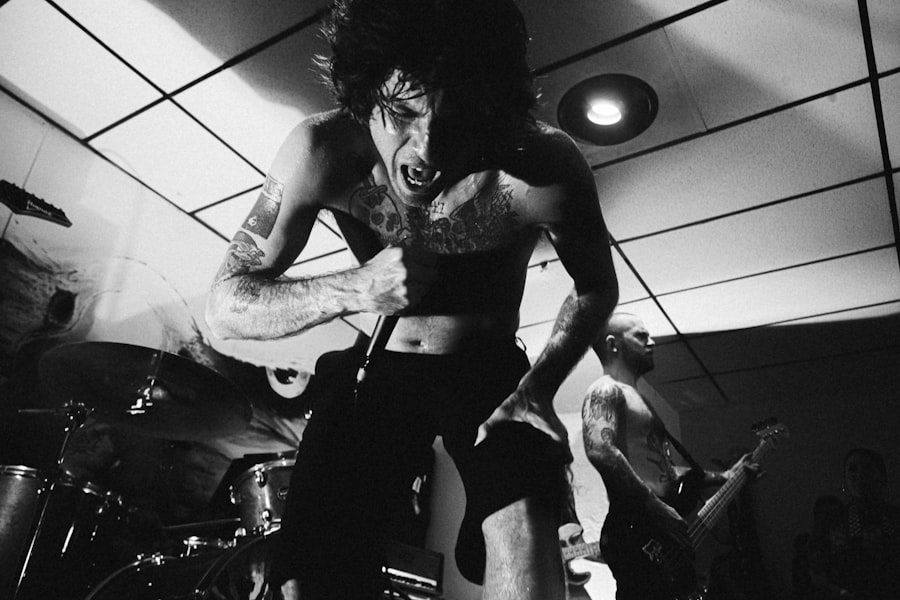
Throughout his career, Ozzy Osbourne has faced numerous controversies that have often overshadowed his musical achievements. His struggles with substance abuse have been well-documented, leading to erratic behavior and public incidents that garnered media attention. These challenges culminated in several stints in rehabilitation facilities as he sought to regain control over his life.
He has openly discussed his struggles with addiction and mental health issues, using his platform to raise awareness about these topics. His candidness has resonated with fans who appreciate his honesty and vulnerability.
By confronting these challenges head-on, Osbourne has not only reclaimed his life but also inspired others facing similar struggles.
Ozzy Osbourne’s Enduring Impact on Pop Culture
Ozzy Osbourne’s influence extends far beyond music; he has become a cultural phenomenon in his own right. His unique persona has permeated various aspects of pop culture, from television appearances to merchandise. The reality show “The Osbournes,” which aired from 2002 to 2005, provided an intimate look into his family life and further solidified his status as a household name.
His appearances in films and television shows have showcased his comedic talent while introducing him to new audiences. The blend of humor and darkness that characterizes his persona has made him an enduring figure in popular culture. Additionally, Osbourne’s iconic fashion choices—such as sunglasses, leather jackets, and long hair—have influenced trends within the rock community and beyond.
Family and Reality TV Fame
Ozzy Osbourne’s family life has played a significant role in shaping his public image. Married to Sharon Osbourne since 1982, their relationship has been both tumultuous and enduring. Together they have navigated the challenges of fame while raising three children: Aimee, Kelly, and Jack.
Each family member has carved out their own niche in the entertainment industry, contributing to the family’s collective legacy.
The show’s success not only elevated Ozzy’s profile but also highlighted the importance of family support during difficult times.
The candid portrayal of their struggles resonated with audiences worldwide, further solidifying their place in pop culture history.
Health Issues and Resilience
In recent years, Ozzy Osbourne has faced significant health challenges that have tested his resilience. In 2019, he revealed that he had been diagnosed with Parkinson’s disease—a progressive neurological disorder that affects movement and coordination. This diagnosis came after years of battling various health issues, including respiratory infections and injuries sustained from falls.
Despite these challenges, Osbourne remains determined to continue performing and creating music. He has undergone various treatments to manage his symptoms while maintaining an active presence in the industry. His unwavering spirit serves as an inspiration to fans who admire his tenacity in the face of adversity.
By sharing his journey publicly, he raises awareness about health issues while encouraging others to prioritize their well-being.
Philanthropy and Charity Work
Ozzy Osbourne’s philanthropic efforts reflect his commitment to giving back to the community. Throughout his career, he has supported various charitable organizations focused on mental health awareness, animal rights, and children’s welfare. His involvement with organizations such as MusiCares demonstrates his dedication to helping those in need within the music industry.
In addition to financial contributions, Osbourne often uses his platform to advocate for important causes. He has participated in benefit concerts aimed at raising funds for disaster relief efforts and supporting mental health initiatives. By leveraging his fame for philanthropic purposes, he exemplifies how artists can make a positive impact on society.
Legacy and Future of Ozzy Osbourne’s Music
As Ozzy Osbourne continues to navigate the complexities of life as an artist and public figure, his legacy remains firmly established within the annals of rock history. His contributions to heavy metal have left an indelible mark on generations of musicians who have followed in his footsteps. With numerous awards—including Grammy Awards and induction into the Rock and Roll Hall of Fame—his achievements are a testament to his talent and influence.
Looking ahead, fans eagerly anticipate new music from Osbourne as he continues to create despite health challenges. Collaborations with contemporary artists may introduce fresh sounds while honoring his roots in heavy metal. As he embraces new opportunities for artistic expression, Ozzy Osbourne’s legacy will undoubtedly endure for years to come.
In summary, Ozzy Osbourne’s journey through music is one marked by triumphs and tribulations alike. From humble beginnings to becoming a cultural icon known for both musical genius and personal struggles, he embodies resilience in every aspect of life. His influence on heavy metal is profound; he remains an inspiration for countless artists while continuing to engage with fans through new projects even amidst health challenges.
As we reflect on his legacy today—one defined by creativity, authenticity—and unwavering spirit—it is clear that Ozzy Osbourne will forever hold a special place within rock history.
Ozzy Osbourne, the legendary rock star known for his wild antics both on and off the stage, has had his fair share of ups and downs throughout his career. In a recent article on Boogger, the importance of understanding car insurance rates and coverage in 2025 is discussed. Just like navigating the complexities of the music industry, understanding the ins and outs of car insurance is crucial for protecting yourself and your assets. Check out the article here for more information on how to make sure you’re covered in the event of an accident.
FAQs
Who is Ozzy Osbourne?
Ozzy Osbourne is a British singer, songwriter, and television personality. He gained fame as the lead vocalist of the heavy metal band Black Sabbath and later as a solo artist.
What are some of Ozzy Osbourne’s most famous songs?
Some of Ozzy Osbourne’s most famous songs include “Crazy Train,” “Mr. Crowley,” “Bark at the Moon,” and “No More Tears.”
What is Ozzy Osbourne’s net worth?
As of 2021, Ozzy Osbourne’s net worth is estimated to be around $220 million.
Has Ozzy Osbourne won any awards?
Yes, Ozzy Osbourne has won numerous awards throughout his career, including a Grammy Award for the song “I Don’t Want to Change the World” and a Grammy Lifetime Achievement Award for his work with Black Sabbath.
Is Ozzy Osbourne still performing and making music?
As of 2021, Ozzy Osbourne is still active in the music industry and continues to perform and make music. However, he has announced that he will be retiring from touring after his “No More Tours 2” tour.