Now Reading: Optimizing Cardiac Function: Key Strategies for Heart Health
-
01
Optimizing Cardiac Function: Key Strategies for Heart Health
Optimizing Cardiac Function: Key Strategies for Heart Health

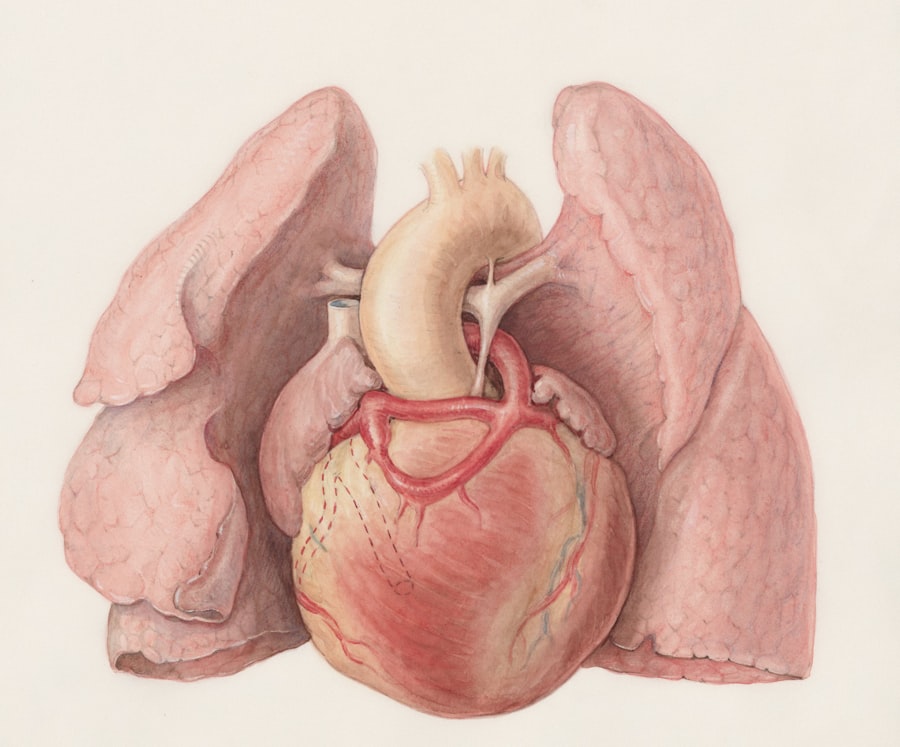
The heart, a muscular organ roughly the size of a fist, plays a pivotal role in maintaining homeostasis within the human body. It functions as a pump, circulating oxygenated blood to various tissues while simultaneously returning deoxygenated blood to the lungs for reoxygenation. This dual action is essential for sustaining life, as it ensures that all cells receive the necessary nutrients and oxygen required for metabolic processes.
The heart operates through a complex electrical conduction system, which coordinates the rhythmic contractions of the myocardium, allowing for efficient blood flow. The heart is divided into four chambers: the right atrium and ventricle, and the left atrium and ventricle. Blood flows through these chambers in a specific sequence, facilitated by valves that prevent backflow.
The right side of the heart receives deoxygenated blood from the body and pumps it to the lungs via the pulmonary arteries, while the left side receives oxygen-rich blood from the lungs and distributes it throughout the body via the aorta. This intricate system underscores the heart’s critical role in not only delivering oxygen but also in removing carbon dioxide and other metabolic waste products.
Key Takeaways
- The heart plays a crucial role in the body’s overall function, pumping blood and delivering oxygen and nutrients to the rest of the body.
- A healthy diet rich in fruits, vegetables, lean proteins, and whole grains can support heart health and reduce the risk of cardiovascular disease.
- Regular physical activity, such as brisk walking or swimming, can improve cardiac function and overall health.
- Stress management techniques, such as meditation and deep breathing, can help reduce the impact of stress on heart health.
- Quality sleep is essential for optimal cardiac function, and adults should aim for 7-9 hours of sleep per night.
Maintaining a Healthy Diet: Nutritional Strategies for Supporting Heart Health
A heart-healthy diet is fundamental in preventing cardiovascular diseases and promoting overall well-being. The Mediterranean diet, rich in fruits, vegetables, whole grains, lean proteins, and healthy fats such as olive oil, has been extensively studied and shown to reduce the risk of heart disease. Incorporating foods high in omega-3 fatty acids, such as fatty fish (salmon, mackerel), walnuts, and flaxseeds, can significantly lower triglyceride levels and improve overall lipid profiles.
Moreover, reducing sodium intake is crucial for managing blood pressure. The American Heart Association recommends limiting sodium to less than 2,300 mg per day, with an ideal limit of 1,500 mg for most adults. This can be achieved by minimizing processed foods, which often contain high levels of salt.
Additionally, increasing fiber intake through legumes, whole grains, and vegetables can help lower cholesterol levels and improve gut health. Antioxidant-rich foods like berries and dark chocolate can also combat oxidative stress, further supporting cardiovascular health.
Exercise and Physical Activity: The Importance of Regular Movement for Cardiac Function

Regular physical activity is a cornerstone of cardiovascular health. Engaging in aerobic exercises such as walking, running, cycling, or swimming can enhance cardiac output and improve circulation. The American Heart Association recommends at least 150 minutes of moderate-intensity aerobic activity or 75 minutes of vigorous-intensity activity each week.
This level of exercise not only strengthens the heart muscle but also aids in weight management and reduces stress levels. Resistance training is equally important as it helps build muscle mass and improve metabolic rate. Incorporating strength training exercises at least twice a week can enhance overall physical fitness and contribute to better cardiovascular health.
Furthermore, activities such as yoga and tai chi promote flexibility and relaxation, which can mitigate stress—a known risk factor for heart disease. By fostering a routine that includes both aerobic and strength-training exercises, individuals can significantly improve their cardiac function and overall health.
Stress Management: Techniques for Reducing Stress and its Impact on Heart Health
| Technique | Effectiveness | Impact on Heart Health |
|---|---|---|
| Deep Breathing | High | Reduces blood pressure and heart rate |
| Mindfulness Meditation | High | Improves heart rate variability and reduces stress hormones |
| Physical Exercise | High | Reduces stress and improves overall heart health |
| Yoga | Moderate | Reduces stress and improves heart function |
| Progressive Muscle Relaxation | Moderate | Reduces muscle tension and stress-related symptoms |
Chronic stress has been linked to various cardiovascular issues, including hypertension and increased risk of heart attacks. Understanding effective stress management techniques is essential for maintaining heart health. Mindfulness practices such as meditation and deep-breathing exercises can help lower cortisol levels and promote relaxation.
Engaging in hobbies or activities that bring joy can also serve as a buffer against stress. Cognitive-behavioral therapy (CBT) has proven effective in helping individuals manage stress by altering negative thought patterns that contribute to anxiety. Additionally, social support plays a crucial role in stress reduction; maintaining strong relationships with family and friends can provide emotional comfort during challenging times.
By implementing these strategies into daily life, individuals can significantly reduce their stress levels and protect their cardiovascular health.
Sleep and Rest: How Quality Sleep Contributes to Optimal Cardiac Function
Quality sleep is vital for overall health, particularly for cardiovascular function. During sleep, the body undergoes restorative processes that are essential for maintaining optimal heart health. Insufficient sleep has been associated with increased risks of hypertension, obesity, diabetes, and other cardiovascular diseases.
The National Sleep Foundation recommends that adults aim for 7-9 hours of sleep per night to support overall well-being. To improve sleep quality, individuals should establish a consistent sleep schedule by going to bed and waking up at the same time each day. Creating a restful environment—dark, quiet, and cool—can also enhance sleep quality.
Limiting exposure to screens before bedtime is crucial as blue light can interfere with melatonin production. Additionally, practicing relaxation techniques such as reading or gentle stretching before bed can promote better sleep hygiene.
Monitoring Blood Pressure and Cholesterol Levels: Key Markers for Heart Health
Regular monitoring of blood pressure and cholesterol levels is essential for assessing cardiovascular health. Hypertension is often referred to as the “silent killer” due to its asymptomatic nature; thus, routine checks are critical for early detection and management. Normal blood pressure is defined as less than 120/80 mmHg; values above this threshold may indicate an increased risk of heart disease.
Cholesterol levels are equally important indicators of heart health. Total cholesterol should ideally be below 200 mg/dL; levels above this may necessitate lifestyle changes or medical intervention. Low-density lipoprotein (LDL) cholesterol—often termed “bad” cholesterol—should be kept below 100 mg/dL to minimize cardiovascular risk.
Regular screenings allow healthcare providers to recommend appropriate lifestyle modifications or pharmacological treatments when necessary.
Limiting Alcohol and Tobacco Use: The Effects of Substance Abuse on Cardiac Function
Both alcohol consumption and tobacco use have detrimental effects on cardiovascular health. Excessive alcohol intake can lead to hypertension, cardiomyopathy, and arrhythmias; thus, moderation is key. The Centers for Disease Control and Prevention (CDC) defines moderate drinking as up to one drink per day for women and up to two drinks per day for men.
Smoking damages blood vessels, increases blood pressure, and reduces oxygen supply to the heart muscle. Quitting smoking can significantly reduce these risks; within just one year of cessation, an individual’s risk of coronary heart disease drops by 50%.
Support programs such as counseling or nicotine replacement therapies can aid individuals in their journey toward quitting.
Managing Chronic Conditions: Strategies for Controlling Diabetes, Hypertension, and Other Risk Factors
Chronic conditions such as diabetes and hypertension are significant risk factors for cardiovascular disease. Effective management of these conditions is crucial for maintaining heart health. For individuals with diabetes, maintaining optimal blood glucose levels through diet, exercise, and medication adherence is essential in preventing complications such as neuropathy or retinopathy.
Hypertension management often involves lifestyle modifications such as dietary changes (e.g., DASH diet), regular physical activity, weight management, and pharmacological interventions when necessary. Medications such as ACE inhibitors or beta-blockers may be prescribed to help control blood pressure effectively. Regular follow-ups with healthcare providers ensure that these conditions are monitored closely and managed appropriately.
Seeking Regular Medical Care: The Importance of Routine Check-ups and Screenings for Heart Health
Routine medical check-ups are vital for early detection of potential cardiovascular issues. Regular screenings allow healthcare providers to assess risk factors such as blood pressure, cholesterol levels, and body mass index (BMI). These assessments enable timely interventions that can prevent the progression of heart disease.
Additionally, individuals with a family history of cardiovascular disease should be particularly vigilant about regular screenings. Genetic predispositions can significantly increase risk; thus, proactive measures such as lifestyle modifications or preventive medications may be warranted based on individual risk profiles.
Maintaining a Healthy Weight: How Body Mass Index (BMI) Affects Cardiac Function
Body mass index (BMI) serves as an important indicator of body fatness and correlates with cardiovascular risk factors. A BMI between 18.5-24.9 is considered healthy; values above this range increase the likelihood of developing hypertension, type 2 diabetes, and dyslipidemia—all significant contributors to heart disease. Weight management strategies should focus on achieving a balanced diet combined with regular physical activity.
Even modest weight loss (5-10% of total body weight) can lead to significant improvements in blood pressure and lipid profiles. Consulting with healthcare professionals or registered dietitians can provide personalized guidance tailored to individual needs.
Implementing Heart-Healthy Lifestyle Changes: Tips for Incorporating These Strategies into Daily Life
Incorporating heart-healthy lifestyle changes requires commitment but can yield significant benefits over time. Start by setting realistic goals; small changes are often more sustainable than drastic overhauls. For instance, aim to include at least one serving of fruits or vegetables in every meal or gradually increase physical activity levels by taking short walks throughout the day.
Utilizing technology can also aid in tracking progress; fitness apps or wearable devices can monitor physical activity levels and dietary habits effectively. Additionally, seeking support from friends or family members can enhance motivation—consider forming a workout group or cooking healthy meals together. In summary, maintaining optimal cardiac function involves a multifaceted approach that encompasses diet, exercise, stress management, sleep quality, regular monitoring of health markers, substance use moderation, chronic condition management, routine medical care, weight control, and lifestyle changes.
By adopting these strategies holistically, individuals can significantly reduce their risk of cardiovascular diseases while enhancing their overall quality of life. ### FAQ Section 1.
**
– The heart pumps oxygenated blood throughout the body while returning deoxygenated blood to the lungs for reoxygenation.
2. **How does diet affect heart health?**
– A balanced diet rich in fruits, vegetables, whole grains, lean proteins, and healthy fats supports optimal cardiac function by managing cholesterol levels and blood pressure. 3.
**What types of exercise are best for heart health?**
– Aerobic exercises (walking, running) combined with resistance training (weight lifting) are most beneficial for improving cardiovascular fitness. 4. **How does stress impact heart health?**
– Chronic stress contributes to hypertension and increases the risk of heart disease; effective stress management techniques are essential for maintaining cardiovascular health.
5. **What role does sleep play in cardiac function?**
– Quality sleep allows the body to repair itself; insufficient sleep is linked to increased risks of hypertension and other cardiovascular diseases. 6.
**Why is monitoring blood pressure important?**
– Regular monitoring helps detect hypertension early; untreated high blood pressure can lead to serious complications like heart attacks or strokes. 7. **What are the risks associated with tobacco use?**
– Smoking damages blood vessels and increases blood pressure; quitting smoking significantly reduces cardiovascular risks over time.
8. **How can chronic conditions affect heart health?**
– Conditions like diabetes and hypertension increase the likelihood of developing cardiovascular diseases; effective management is crucial. 9.
**What should I do if I have a family history of heart disease?**
– Regular screenings are essential; consult with healthcare providers about personalized prevention strategies based on your family history. 10. **How can I maintain a healthy weight?**
– Focus on balanced nutrition combined with regular physical activity; even small weight loss can lead to significant improvements in heart health.
In conclusion, understanding cardiac function is vital for promoting heart health through various lifestyle modifications including diet management, regular exercise routines, effective stress reduction techniques, quality sleep practices, routine monitoring of vital health markers like blood pressure and cholesterol levels while avoiding harmful substances like tobacco and excessive alcohol consumption will collectively contribute towards achieving optimal cardiac function over time.
Cardiac function is crucial for overall health and well-being. One related article that delves into the importance of maintaining a healthy heart is this comprehensive guide on federal holidays in 2021. Just as holidays provide a break from the daily grind, taking care of your heart through proper diet, exercise, and stress management can give your cardiovascular system the rest and rejuvenation it needs to function optimally. Remembering to prioritize heart health can lead to a longer, happier life.
FAQs
What is cardiac function?
Cardiac function refers to the ability of the heart to effectively pump blood throughout the body. It involves the coordination of electrical signals, muscle contractions, and the regulation of blood flow to maintain proper circulation.
What are the key components of cardiac function?
The key components of cardiac function include the electrical conduction system, myocardial muscle contraction, and the regulation of blood flow through the heart’s chambers and valves.
How is cardiac function measured?
Cardiac function can be measured using various diagnostic tests such as electrocardiogram (ECG), echocardiogram, cardiac MRI, and cardiac catheterization. These tests provide information about the heart’s electrical activity, muscle function, and blood flow.
What are the factors that can affect cardiac function?
Factors that can affect cardiac function include heart disease, high blood pressure, diabetes, obesity, smoking, excessive alcohol consumption, and a sedentary lifestyle. Genetics and age also play a role in cardiac function.
Why is maintaining good cardiac function important?
Maintaining good cardiac function is important for overall health and well-being. A healthy heart ensures proper circulation of oxygen and nutrients to the body’s tissues and organs, and helps prevent cardiovascular diseases and complications.