Now Reading: New Year’s Snowstorm: Snöoväder Brings Winter Wonderland
-
01
New Year’s Snowstorm: Snöoväder Brings Winter Wonderland
New Year’s Snowstorm: Snöoväder Brings Winter Wonderland
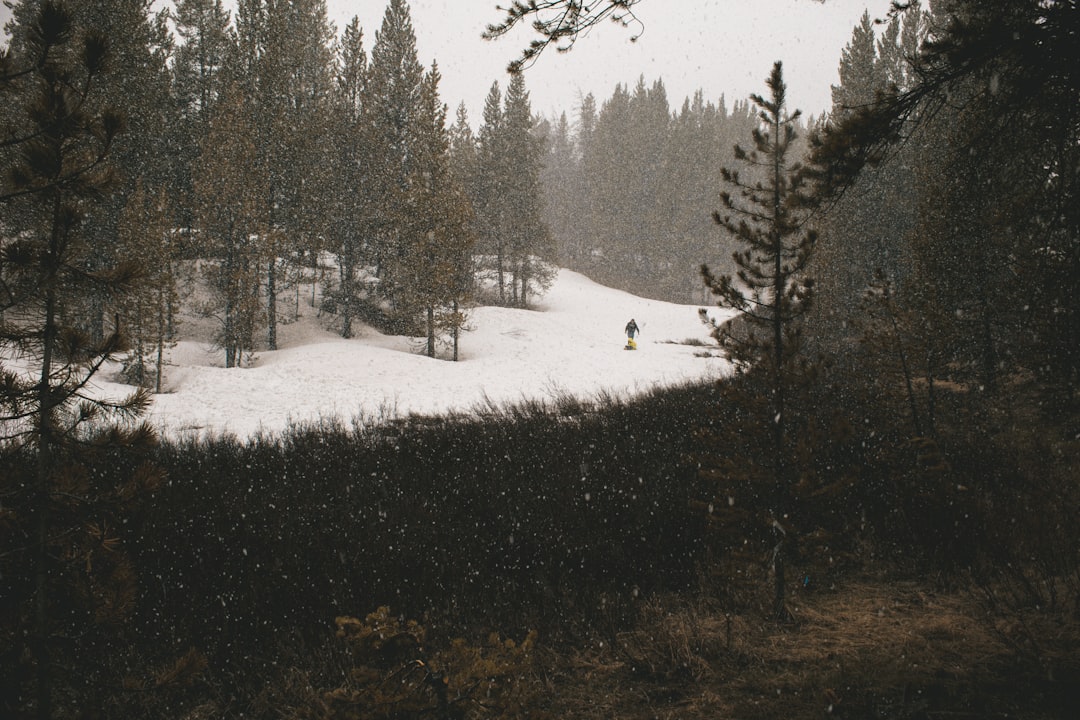
As the first snowflakes begin to fall, the landscape transforms into a winter scene. Snowstorms, characterized by heavy snowfall and cold temperatures, mark winter’s arrival. This weather phenomenon is both a meteorological event and a visually striking occurrence that many people find appealing.
The environment becomes cold and covered in snow, creating a quiet atmosphere conducive to contemplation and seasonal activities. Snowstorms typically generate excitement and anticipation. Children often look forward to snow-related activities such as building snowmen and having snowball fights, while adults may appreciate the seasonal aesthetics.
Snow-covered landscapes frequently inspire photographers and artists to document winter’s distinctive beauty. Despite its visual appeal, heavy snowfall presents practical challenges and can significantly disrupt daily routines and transportation.
Key Takeaways
- Snöoväder transforms urban landscapes into picturesque winter scenes, impacting daily life and travel.
- Transportation disruptions require safety precautions and community cooperation for snow clearance.
- The snowstorm boosts winter sports, festivities, and local economies despite some challenges.
- Environmental effects include impacts on wildlife and ecosystems that need monitoring.
- Preparing for post-storm recovery is essential to manage the aftermath effectively.
The Impact of the Snowstorm on Transportation and Travel
The arrival of Snöoväder can have profound implications for transportation and travel. As snow accumulates on roadways, visibility decreases, and driving conditions become treacherous. Authorities often issue travel advisories, urging residents to stay off the roads unless absolutely necessary.
Public transportation systems may also experience delays or cancellations due to snow-covered tracks and reduced visibility. Airports frequently face disruptions, with flights delayed or grounded altogether as crews work to clear runways and ensure passenger safety. In urban areas, snow removal becomes a priority for city officials.
Snowplows and salt trucks are deployed to clear main thoroughfares, but side streets may remain impassable for longer periods. Commuters must adapt to these conditions, often allowing extra time for travel or seeking alternative routes. The impact on logistics can ripple through various sectors, affecting supply chains and delivery services.
Businesses that rely on timely shipments may find themselves grappling with delays, necessitating contingency plans to mitigate losses.
How Snöoväder is Transforming Cities into Snowy Scenes
The visual transformation brought about by Snöoväder is nothing short of magical. Cities that are typically bustling with activity take on a tranquil quality as snow blankets rooftops, trees, and streets. Iconic landmarks become picturesque backdrops for winter photography, drawing visitors and locals alike to explore their surroundings anew.
Parks and public spaces are transformed into playgrounds for winter enthusiasts, with sledding hills and ice skating rinks becoming focal points for community gatherings. Architectural features are accentuated by the contrast of white snow against dark brick or stone facades, creating stunning visual compositions. The soft glow of streetlights reflecting off freshly fallen snow adds an enchanting ambiance to evening strolls.
As residents venture outdoors to experience this winter wonderland, they often find themselves engaging with their communities in ways that are unique to the season. Local businesses may capitalize on this transformation by offering seasonal promotions or hosting winter-themed events that encourage exploration and engagement.
While the beauty of Snöoväder is undeniable, it is essential to prioritize safety during such weather events. Individuals should take proactive measures to navigate snowy conditions effectively. Dressing in layers is crucial; thermal undergarments, insulated outerwear, waterproof boots, gloves, and hats can help maintain body heat while protecting against wind chill.
Additionally, it is advisable to use footwear with good traction to prevent slips and falls on icy surfaces. When driving in snowy conditions, caution is paramount. Drivers should reduce speed, increase following distances, and avoid sudden maneuvers that could lead to loss of control.
It is wise to keep an emergency kit in vehicles that includes items such as blankets, non-perishable snacks, water, a flashlight, and a first-aid kit. For those who must walk or commute via public transportation, staying informed about weather updates and service changes can help mitigate risks associated with travel during a snowstorm.
The Beauty of Snöoväder: Capturing the Winter Wonderland
| Metric | Value | Details |
|---|---|---|
| Location | Sweden | Various regions affected by snowstorm |
| Date | December 31 – January 1 | New Year’s Eve and New Year’s Day |
| Snowfall Amount | 20-50 cm | Varies by region, heavy snowfall reported |
| Wind Speed | 40-70 km/h | Strong winds causing drifting snow |
| Temperature | -5 to -15 °C | Cold conditions during the snowstorm |
| Impact | Travel disruptions | Road closures and delayed public transport |
| Emergency Services | Increased activity | Assistance for stranded travelers and accidents |
| Duration | 12-24 hours | Snowstorm active during New Year’s transition |
The aesthetic appeal of Snöoväder presents a unique opportunity for photographers and artists to capture the essence of winter’s beauty. The interplay of light and shadow on freshly fallen snow creates dynamic compositions that evoke emotion and wonder. Photographers often seek out early morning or late afternoon light to enhance their images, as the golden hour casts a warm glow over the icy landscape.
Nature enthusiasts may find inspiration in the intricate patterns formed by frost on windows or the delicate shapes of snowflakes as they fall from the sky. Many artists take to their canvases to depict serene winter scenes, using cool color palettes that reflect the tranquility of snowy environments. Social media platforms become vibrant galleries during Snöoväder events as individuals share their experiences and artistic interpretations of winter’s charm.
Snöoväder’s Effect on Local Businesses and Economy

The economic impact of Snöoväder can be multifaceted, affecting various sectors differently. While some businesses may experience a decline in foot traffic due to adverse weather conditions, others may thrive by catering to winter activities. Retailers specializing in winter apparel and equipment often see increased sales as consumers prepare for the cold months ahead.
Local restaurants may benefit from increased demand for warm meals and cozy atmospheres as patrons seek refuge from the chill.
Ski resorts may experience temporary closures or reduced visitor numbers if travel becomes hazardous.
Local economies must adapt to these fluctuations by diversifying offerings or promoting indoor activities that can attract customers despite inclement weather.
Community Efforts to Clear Snow and Assist Those in Need
In times of heavy snowfall brought on by Snöoväder, community spirit often shines through as residents come together to assist one another.
Volunteer groups may form to help clear public spaces or assist individuals who are unable to manage snow removal on their own.
Local governments often coordinate community outreach programs aimed at providing support for vulnerable populations during extreme weather events. This may include distributing resources such as blankets, food supplies, or warm clothing to those in need. The collective effort fosters a sense of camaraderie among residents as they work together to navigate the challenges posed by Snöoväder.
Embracing the Spirit of Snöoväder: Winter Activities and Festivities
The arrival of Snöoväder opens up a world of winter activities that can be enjoyed by individuals and families alike. From sledding down snowy hills to building elaborate snow forts, outdoor play becomes a cherished pastime during this season. Ice skating rinks pop up in parks and community centers, providing opportunities for both leisure and exercise.
Festivities often accompany the winter season as communities host events celebrating the beauty of snow. Holiday markets featuring local artisans may emerge, offering unique gifts while fostering community connections. Festivals centered around winter sports such as skiing or snowboarding attract enthusiasts eager to embrace the season’s offerings.
These activities not only promote physical well-being but also enhance social bonds among participants.
Environmental Impact of the Snowstorm: Effects on Wildlife and Ecosystems
While Snöoväder creates stunning landscapes for human enjoyment, it also has significant implications for local ecosystems and wildlife populations. Heavy snowfall can alter habitats, affecting food availability for various species. Animals that rely on open ground for foraging may struggle during prolonged snow cover, leading to shifts in behavior or migration patterns.
Conversely, some species thrive in snowy conditions; for instance, certain mammals have adapted to utilize snow as insulation against cold temperatures. The presence of snow can also influence plant life cycles by insulating roots from extreme cold or providing moisture as it melts in springtime. Understanding these dynamics is crucial for conservation efforts aimed at preserving biodiversity in changing climates.
Snöoväder’s Influence on Winter Sports and Recreation
The arrival of Snöoväder significantly impacts winter sports and recreational activities across regions known for their snowy landscapes. Ski resorts eagerly anticipate heavy snowfall as it enhances skiing conditions and attracts visitors seeking thrilling experiences on the slopes. Snowboarding enthusiasts revel in fresh powder days that allow for exhilarating runs down mountainsides.
Cross-country skiing and snowshoeing gain popularity during this time as individuals seek alternative ways to enjoy nature while staying active outdoors. Local clubs often organize group outings or races that foster camaraderie among participants while promoting healthy lifestyles. The influence of Snöoväder extends beyond recreational pursuits; it also contributes to local economies reliant on tourism associated with winter sports.
Looking Ahead: Preparing for the Aftermath of Snöoväder
As Snöoväder begins to wane, communities must prepare for its aftermath effectively. Snow removal efforts become paramount as municipalities work diligently to clear roadways and public spaces for safe passage once again. Residents are encouraged to remain vigilant about potential hazards such as ice accumulation or falling branches from overloaded trees.
Planning for future storms involves assessing infrastructure resilience against extreme weather events while considering sustainable practices that minimize environmental impact during cleanup efforts. Communities may also benefit from establishing communication channels that keep residents informed about weather forecasts and safety protocols during severe winter conditions. In summary, Snöoväder brings both beauty and challenges as it transforms landscapes into winter wonderlands while impacting transportation systems, local economies, community dynamics, wildlife habitats, and recreational opportunities alike.
Embracing this season requires preparation, adaptability, and a spirit of cooperation among residents as they navigate its effects together.
As we prepare for the festive celebrations of New Year’s, it’s essential to stay informed about the weather conditions, especially if you’re expecting snöoväder (snowy weather). For those planning their year ahead, you might find it helpful to check out this article on federal holidays, which can assist in organizing your schedule around important dates and events.
FAQs
What does “snöoväder nyår” mean?
“Snöoväder nyår” is Swedish for “snowstorm New Year’s,” referring to heavy snowfall and stormy weather conditions occurring around the New Year’s holiday.
When do snowstorms typically occur in Sweden around New Year’s?
Snowstorms in Sweden around New Year’s usually happen during the winter months, from December to February, with January often experiencing the coldest and snowiest conditions.
How can a snowstorm affect New Year’s celebrations?
A snowstorm can disrupt travel plans, cause power outages, and limit outdoor activities, potentially impacting traditional New Year’s events and gatherings.
What safety precautions should be taken during a snowstorm on New Year’s?
It is important to stay indoors if possible, keep emergency supplies like food, water, and blankets, avoid unnecessary travel, and stay updated with weather forecasts and warnings.
How do authorities in Sweden prepare for snowstorms during the New Year period?
Authorities typically deploy snowplows, salt and sand roads, issue weather warnings, and coordinate emergency services to ensure public safety during snowstorms.
Can snowstorms on New Year’s impact transportation?
Yes, snowstorms can lead to road closures, flight delays or cancellations, and disruptions in public transportation, making travel difficult or unsafe.
Are snowstorms around New Year’s common in all parts of Sweden?
Snowstorms are more common in northern and central Sweden due to colder climates, while southern regions may experience milder winter weather with less frequent heavy snow.
What should travelers know about snowstorms when visiting Sweden for New Year’s?
Travelers should monitor weather forecasts, dress warmly, allow extra travel time, and be prepared for possible delays or changes in plans due to snowstorms.