Now Reading: New Year’s Federal Holiday: A Time for Celebration and Reflection
-
01
New Year’s Federal Holiday: A Time for Celebration and Reflection
New Year’s Federal Holiday: A Time for Celebration and Reflection

The celebration of New Year’s has a rich and varied history that stretches back thousands of years. The origins of the New Year can be traced to ancient civilizations, with the Babylonians being among the first to celebrate the arrival of spring around 2000 B.They marked the occasion with a festival known as Akitu, which involved various rituals and ceremonies to honor their gods. However, it wasn’t until 46 B.that Julius Caesar established January 1 as the beginning of the year in the Julian calendar, a decision that would influence the way New Year’s was celebrated in the Western world for centuries to come.
In the United States, New Year’s Day was officially recognized as a federal holiday in 1870. This designation was part of a broader movement to standardize holidays across the nation, reflecting the growing importance of New Year’s celebrations in American culture. The day was seen as an opportunity for renewal and reflection, allowing individuals to set intentions for the year ahead.
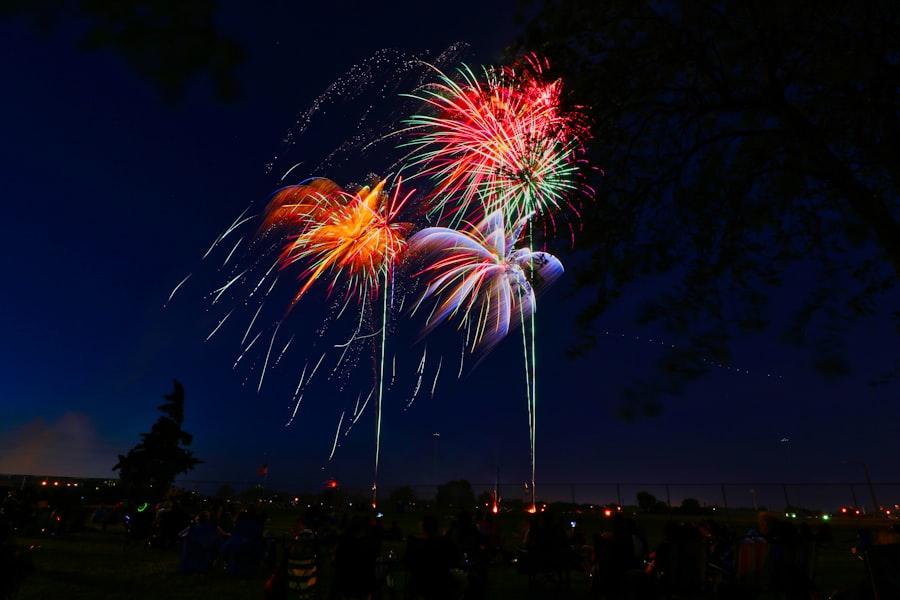
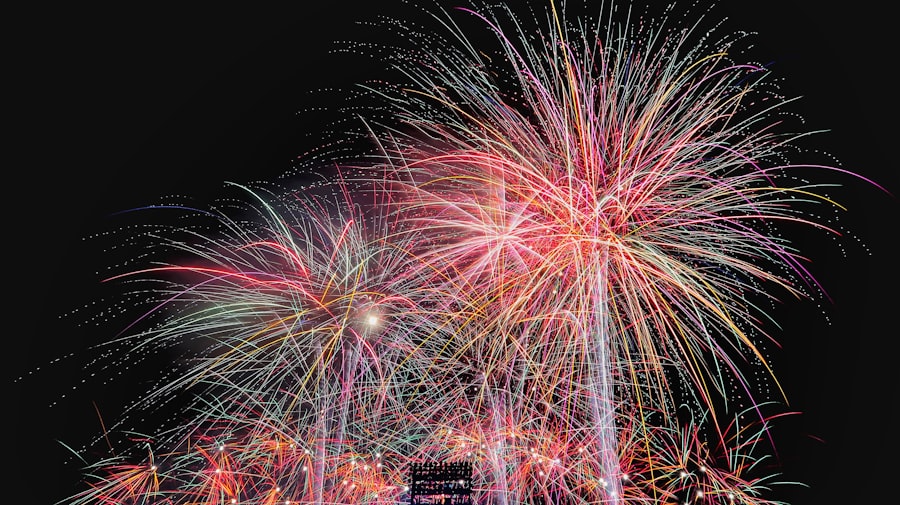
Over time, various customs and traditions emerged, shaping the way Americans celebrate this significant day. From fireworks to family gatherings, New Year’s has evolved into a cherished holiday that brings people together in celebration and hope for the future.
Traditions and Customs of New Year’s Celebrations
New Year’s celebrations are steeped in a variety of traditions and customs that vary from region to region. In the United States, one of the most iconic traditions is the dropping of the ball in Times Square, New York City. This event, which began in 1907, attracts thousands of spectators each year and is broadcasted to millions around the world.
As the clock strikes midnight, revelers cheer and celebrate, marking the transition into a new year with joy and excitement. This moment encapsulates the spirit of New Year’s—a time for new beginnings and collective hope.
For instance, some people partake in a traditional meal that includes black-eyed peas, collard greens, and cornbread, believed to bring prosperity and good luck for the year ahead. Others may engage in rituals such as writing down their wishes or resolutions for the upcoming year and then burning them as a symbolic gesture of letting go of the past. These customs not only enhance the festive atmosphere but also foster a sense of community and connection among family and friends.
The Significance of New Year’s as a Time for Reflection
New Year’s serves as a powerful reminder of the passage of time and offers individuals an opportunity for introspection. As one year ends and another begins, many people take a moment to reflect on their experiences over the past twelve months. This period of contemplation can lead to valuable insights about personal growth, achievements, and areas for improvement.
It is a time to acknowledge both successes and challenges, allowing individuals to gain perspective on their lives. Moreover, this reflective practice often inspires individuals to set intentions or goals for the upcoming year. By considering what they want to achieve or change, people can create a roadmap for personal development.
This process not only fosters self-awareness but also encourages individuals to take proactive steps toward their aspirations. In this way, New Year’s becomes more than just a celebration; it transforms into a pivotal moment for self-discovery and growth.
How Different Cultures and Countries Celebrate New Year’s
| Country/Culture | Celebration |
|---|---|
| United States | Fireworks, parties, and the dropping of the New Year’s Eve ball in Times Square, New York City |
| China | Dragon and lion dances, family gatherings, and the giving of red envelopes with money |
| Scotland | Hogmanay celebrations including street parties, fire festivals, and the singing of “Auld Lang Syne” |
| Japan | Visiting temples, eating special New Year’s dishes, and watching the first sunrise of the year |
| Brazil | Beach parties, live music, and the tradition of wearing white for good luck |
Around the world, New Year’s is celebrated in diverse ways that reflect cultural values and traditions. In many Asian countries, such as China and Vietnam, the Lunar New Year is observed with vibrant festivities that include dragon dances, fireworks, and family reunions. These celebrations often emphasize themes of renewal and prosperity, with families gathering to honor their ancestors and share meals together.
The Lunar New Year is not only a time for celebration but also an opportunity for cultural expression and community bonding. In contrast, countries like Spain have their own unique customs associated with New Year’s Eve. One popular tradition involves eating twelve grapes at midnight—one grape for each stroke of the clock—symbolizing good luck for each month of the coming year.
Similarly, in Italy, it is customary to wear red underwear on New Year’s Eve as a sign of good fortune. These varied customs highlight how different cultures interpret the significance of New Year’s while celebrating their unique heritage.
The Impact of New Year’s on Business and the Economy
The arrival of New Year’s has significant implications for businesses and the economy at large. Retailers often experience a surge in sales during this period as consumers indulge in post-holiday shopping sprees or purchase items related to their New Year’s resolutions, such as gym memberships or health foods. This seasonal boost can be crucial for many businesses, helping them recover from slower sales during the holiday season.
Moreover, New Year’s also serves as a catalyst for various industries, including travel and hospitality. Many people choose to celebrate by traveling or attending events, leading to increased demand for accommodations, dining experiences, and entertainment options. This influx not only benefits local economies but also creates job opportunities within these sectors.
As such, New Year’s plays a vital role in stimulating economic activity and fostering growth across multiple industries.
New Year’s Resolutions: Setting Goals for the Year Ahead
One of the most enduring traditions associated with New Year’s is the practice of making resolutions. As individuals reflect on their lives at the start of a new year, they often identify areas where they wish to improve or goals they aspire to achieve. Common resolutions include commitments to exercise more regularly, eat healthier, save money, or learn new skills.
This tradition underscores the human desire for self-improvement and personal growth. However, while many people embark on this journey with enthusiasm, studies show that a significant number of resolutions are abandoned within weeks or months. To combat this trend, experts suggest setting specific, measurable goals rather than vague aspirations.
By breaking down larger objectives into smaller, achievable steps, individuals can maintain motivation and track their progress throughout the year. Ultimately, New Year’s resolutions serve as a powerful reminder of our capacity for change and growth.
The Role of New Year’s in Bringing People Together
New Year’s has long been recognized as a time for connection and togetherness. Whether through family gatherings or community events, this holiday fosters social bonds that are essential for emotional well-being.
These gatherings often serve as an opportunity to strengthen relationships and express gratitude for one another. In addition to familial connections, New Year’s celebrations also promote community engagement. Public events such as fireworks displays or concerts draw people together from diverse backgrounds, fostering a sense of unity and shared experience.
This collective celebration can be particularly meaningful in times of hardship or division, reminding individuals of their shared humanity and resilience. As such, New Year’s serves not only as a personal milestone but also as a communal occasion that brings people together in joy and hope.
Tips for a Safe and Enjoyable New Year’s Celebration
As with any celebration, ensuring safety during New Year’s festivities is paramount. To enjoy this special occasion while minimizing risks, individuals should consider several practical tips. First and foremost, planning ahead is essential—whether it’s arranging transportation or deciding on venues for gatherings.
For those attending parties or events where alcohol will be served, designating a sober driver or utilizing rideshare services can help prevent accidents and ensure everyone arrives home safely. Additionally, being mindful of health considerations is crucial during large gatherings. With ongoing concerns about public health, individuals should prioritize hygiene practices such as handwashing or using hand sanitizer when necessary.
If hosting a gathering at home, providing ample space for guests to mingle comfortably can enhance everyone’s experience while promoting safety. In conclusion, New Year’s is more than just a date on the calendar; it embodies a rich tapestry of history, culture, reflection, and connection. As we celebrate this occasion each year, we are reminded of our shared hopes for renewal and growth while cherishing the bonds that unite us all.
Whether through personal resolutions or communal festivities, New Year’s serves as an opportunity to embrace change and look forward to what lies ahead.
As we approach the New Year, many people are looking forward to the federal holiday that comes with it. This day off allows individuals to relax and celebrate the start of a new year with their loved ones. For those interested in learning more about the history and significance of New Year’s Day as a federal holiday, I recommend checking out the article on boogger.com. This article provides valuable insights into the origins of this holiday and how it has evolved over time.
FAQs
What is the New Year’s federal holiday?
The New Year’s federal holiday is a public holiday in the United States that is observed on January 1st each year. It marks the beginning of the new calendar year.
Is the New Year’s federal holiday a paid holiday for federal employees?
Yes, the New Year’s federal holiday is a paid holiday for federal employees. They are entitled to a day off with pay on January 1st.
Are businesses and schools closed on the New Year’s federal holiday?
Many businesses and schools are closed on the New Year’s federal holiday, allowing employees and students to observe the holiday.
What are some common traditions and customs associated with the New Year’s federal holiday?
Common traditions and customs associated with the New Year’s federal holiday include attending parties and gatherings, making resolutions for the new year, and watching fireworks displays.
Is the New Year’s federal holiday celebrated in other countries?
The New Year’s federal holiday is primarily observed in the United States, but many other countries also celebrate the beginning of the new year on January 1st with various customs and traditions.