Now Reading: New Guidelines: Mammogram Age
-
01
New Guidelines: Mammogram Age
New Guidelines: Mammogram Age

Mammograms are a critical diagnostic tool in the early detection of breast cancer, a disease that affects approximately 1 in 8 women in the United States. This radiographic examination utilizes low-energy X-rays to visualize the internal structure of breast tissue, allowing for the identification of abnormalities such as tumors or calcifications. The significance of mammography cannot be overstated; it has been shown to reduce breast cancer mortality rates by up to 30% in women aged 40 and older.
As a result, mammograms are a cornerstone of preventive healthcare for women, particularly those at higher risk for breast cancer due to genetic predispositions or family history. The process of undergoing a mammogram typically involves two-dimensional imaging of each breast, with additional views taken if necessary. The procedure is generally quick, lasting about 20 minutes, and is performed in a specialized radiology department.
Despite its importance, many women experience anxiety regarding the procedure due to concerns about discomfort or potential findings. However, understanding the purpose and benefits of mammograms can alleviate some of these fears and encourage women to prioritize their breast health.
Key Takeaways
- Mammograms are an important tool for detecting breast cancer in its early stages.
- Previous guidelines recommended mammograms starting at age 40 or 50, depending on the organization.
- New research suggests that starting mammograms at age 45 can lead to better outcomes for women.
- The new guidelines may lead to earlier detection and treatment of breast cancer, potentially saving lives.
- Women and healthcare providers should consider the new guidelines and discuss the best screening options for individual patients.
Previous Guidelines for Mammogram Age
Historically, guidelines for mammogram screening have varied significantly among different health organizations. The American Cancer Society (ACS) previously recommended that women begin annual mammograms at age 40, while the U.S. Preventive Services Task Force (USPSTF) suggested that women start biennial screenings at age 50.
These discrepancies created confusion among patients and healthcare providers alike, leading to inconsistent practices across various healthcare settings. The rationale behind these differing recommendations stemmed from varying interpretations of available research data. Some studies indicated that earlier screening could lead to earlier detection and improved outcomes, while others raised concerns about overdiagnosis and unnecessary interventions resulting from false positives.
As a result, many women found themselves uncertain about when to begin regular screenings, often leading to delayed or missed opportunities for early detection.
New Research and Findings

Recent research has provided new insights into the effectiveness of mammography screening, prompting a reevaluation of previous guidelines. A comprehensive study published in a leading medical journal analyzed data from over 1 million women and found that initiating screening at age 40 significantly reduced breast cancer mortality rates compared to starting at age 50. This study highlighted the importance of early detection, particularly for women with dense breast tissue, who may be at an increased risk for aggressive forms of breast cancer.
Additionally, advancements in imaging technology have improved the accuracy of mammograms, reducing the likelihood of false positives and unnecessary biopsies. Digital mammography and 3D tomosynthesis have emerged as superior alternatives to traditional methods, allowing for enhanced visualization of breast tissue and better differentiation between benign and malignant lesions. These findings have contributed to a growing consensus among experts advocating for earlier screening initiation.
Changes in Mammogram Age Recommendations
| Organization | Previous Recommendation | New Recommendation |
|---|---|---|
| American Cancer Society | Annual mammograms starting at age 40 | Start at age 45, then switch to every two years at age 55 |
| U.S. Preventive Services Task Force | Biennial mammograms starting at age 50 | Biennial mammograms starting at age 50 |
| American College of Radiology | Annual mammograms starting at age 40 | Annual mammograms starting at age 40 |
In light of new evidence, several health organizations have updated their recommendations regarding the age at which women should begin routine mammography screenings. The American College of Radiology (ACR) and the Radiological Society of North America (RSNA) now advocate for annual screenings starting at age 40 for all women, emphasizing that this approach can lead to earlier detection and improved survival rates. These updated guidelines reflect a shift towards a more proactive stance on breast cancer screening, recognizing that early intervention is crucial in reducing mortality rates.
Furthermore, the recommendations underscore the importance of personalized care; women with a family history of breast cancer or other risk factors may benefit from even earlier screenings or additional imaging modalities.
Potential Benefits of the New Guidelines
The revised guidelines present numerous potential benefits for women’s health. By encouraging earlier screenings, healthcare providers can identify breast cancer at more treatable stages, ultimately leading to better prognoses and reduced treatment burdens. Early detection allows for less aggressive treatment options, such as lumpectomy instead of mastectomy, and may decrease the need for chemotherapy in certain cases.
Moreover, these guidelines promote increased awareness among women regarding their breast health. By normalizing discussions about mammograms and breast cancer risk factors, healthcare providers can empower women to take charge of their health decisions. This proactive approach fosters a culture of prevention, encouraging women to engage in regular self-examinations and seek medical advice when necessary.
Potential Risks and Concerns
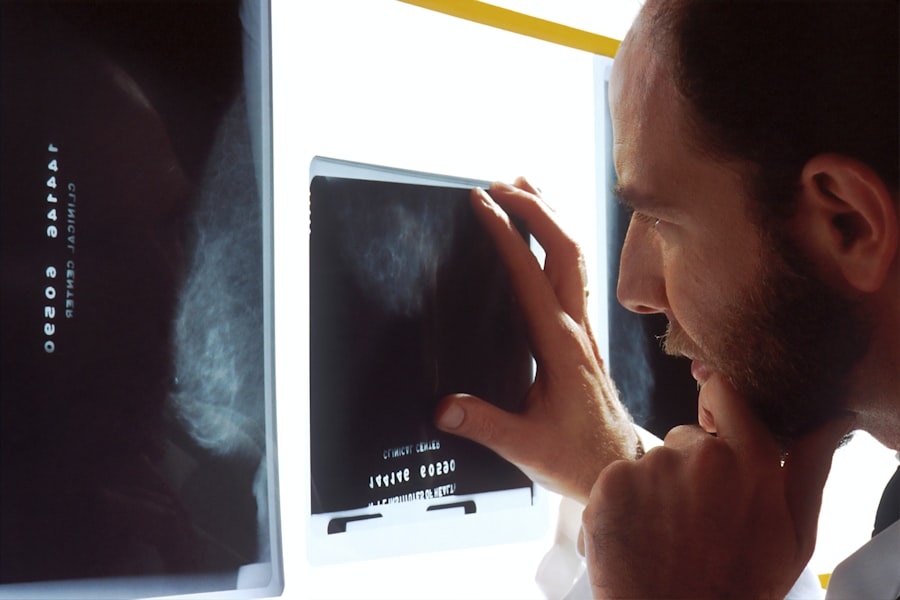
Despite the advantages associated with earlier mammogram screenings, there are potential risks and concerns that must be addressed. One significant issue is the possibility of overdiagnosis, where non-invasive cancers that may not progress are detected and treated unnecessarily. This can lead to psychological distress and physical complications from treatments that may not have been required.
Additionally, false positives remain a concern; approximately 10% of women who undergo mammography will receive an abnormal result that necessitates further testing.
It is essential for healthcare providers to communicate these risks effectively while emphasizing the importance of early detection.
How the New Guidelines Impact Women’s Health
The updated mammogram guidelines have far-reaching implications for women’s health across various demographics. For younger women, particularly those aged 40-49, these recommendations may lead to increased access to life-saving screenings that were previously delayed or avoided due to uncertainty about guidelines. This shift could result in a decrease in late-stage breast cancer diagnoses within this age group.
Furthermore, the new guidelines may also influence healthcare policy and insurance coverage decisions. As more organizations endorse earlier screenings as standard practice, insurance providers may be compelled to adjust their coverage policies accordingly. This could enhance access to preventive care for underserved populations who may face barriers to obtaining timely mammograms.
Recommendations for Women and Healthcare Providers
Women are encouraged to engage in open discussions with their healthcare providers regarding their individual risk factors for breast cancer and the appropriate timing for mammogram screenings. Factors such as family history, genetic predispositions (e.g., BRCA mutations), and personal health history should be considered when determining an individualized screening plan. Healthcare providers should remain informed about current guidelines and research findings to offer evidence-based recommendations to their patients.
Additionally, they should foster an environment where patients feel comfortable discussing their concerns about mammography and breast health. Providing educational resources about the benefits and risks associated with mammograms can empower women to make informed decisions regarding their care.
Addressing Controversies and Debates
The updated mammogram guidelines have not been without controversy. Some experts continue to advocate for later initiation of screenings due to concerns about overdiagnosis and potential harm from unnecessary treatments. These debates highlight the complexity of breast cancer screening and the need for ongoing research to refine recommendations further.
It is crucial for healthcare professionals to navigate these discussions thoughtfully, acknowledging differing opinions while emphasizing the importance of individualized care. Engaging patients in shared decision-making can help address concerns while ensuring that women feel supported in their choices regarding screening.
Implications for Insurance Coverage
As guidelines evolve, so too do implications for insurance coverage related to mammography screenings. Many insurance plans currently cover annual mammograms starting at age 40; however, variations exist based on state regulations and individual policies. The endorsement of earlier screenings by major health organizations may prompt insurers to reevaluate their coverage policies to align with current recommendations.
This shift could enhance access to preventive care for women across various socioeconomic backgrounds, particularly those who may have previously faced barriers due to high out-of-pocket costs associated with screenings. Ensuring equitable access to mammography is essential in reducing disparities in breast cancer outcomes among different populations.
Conclusion and Future Considerations
In conclusion, the updated mammogram guidelines represent a significant advancement in women’s health care by promoting earlier detection of breast cancer through routine screenings starting at age 40. While potential risks such as overdiagnosis and false positives must be acknowledged, the benefits of early intervention are substantial. As research continues to evolve, it is imperative that healthcare providers remain vigilant in adapting their practices based on emerging evidence.
Ongoing education for both patients and providers will be essential in fostering a culture of proactive breast health management. Ultimately, empowering women with knowledge about their health will lead to improved outcomes and a greater understanding of the importance of regular mammography screenings in the fight against breast cancer.
If you are interested in learning more about health and wellness, you may want to check out an article on the importance of early detection through mammograms. This article discusses the recommended age for women to start getting mammograms and the benefits of regular screenings in detecting breast cancer early. It is crucial to stay informed about preventive healthcare measures like mammograms to ensure overall well-being.
FAQs
What is the recommended age to start getting mammograms?
The American Cancer Society recommends that women with an average risk of breast cancer start getting mammograms at age 40 and continue to get them annually.
At what age should women stop getting mammograms?
The American Cancer Society recommends that women continue to get mammograms every year for as long as they are in good health.
Are there any exceptions to the recommended age for mammograms?
Women with a higher risk of breast cancer, such as those with a family history of the disease, may need to start getting mammograms earlier than age 40. It is important for these women to discuss their individual risk factors with their healthcare provider.
What are the benefits of getting mammograms at the recommended age?
Mammograms can help detect breast cancer at an early stage when it is most treatable. Regular mammograms can also help reduce the risk of dying from breast cancer.
Are there any risks associated with getting mammograms at the recommended age?
While mammograms expose women to a small amount of radiation, the benefits of early detection of breast cancer generally outweigh the risks. It is important for women to discuss any concerns with their healthcare provider.