
Now Reading: Navigating Pharmacy Regulations: What You Need to Know
-
01
Navigating Pharmacy Regulations: What You Need to Know
Navigating Pharmacy Regulations: What You Need to Know

Pharmacy regulations are a critical component of the healthcare system, ensuring that medications are dispensed safely and effectively. These regulations govern the practice of pharmacy, encompassing everything from the licensing of pharmacists to the distribution of controlled substances. The primary objective is to protect public health by ensuring that medications are used appropriately and that pharmacists adhere to established standards of practice.
As the healthcare landscape evolves, so too do the regulations that govern pharmacy practice, necessitating ongoing education and compliance among pharmacy professionals. The importance of pharmacy regulations cannot be overstated. They serve as a framework for maintaining the integrity of the pharmaceutical profession, safeguarding patients from potential harm due to medication errors or misuse.
Regulatory bodies establish guidelines that pharmacists must follow, which include ethical considerations, quality assurance measures, and protocols for handling various types of medications. By adhering to these regulations, pharmacists play a vital role in promoting patient safety and enhancing the overall quality of healthcare delivery.
Key Takeaways
- Pharmacy regulations are essential for ensuring the safety and efficacy of medications.
- Regulatory agencies play a crucial role in overseeing and enforcing pharmacy regulations.
- Pharmacists must meet licensing and registration requirements to practice legally.
- Understanding drug scheduling and controlled substances is important for pharmacists to prevent misuse and abuse.
- Adherence to privacy and confidentiality laws is crucial for maintaining patient trust and confidentiality.
Understanding the Role of Regulatory Agencies
Regulatory agencies are pivotal in overseeing pharmacy practices and ensuring compliance with established laws and guidelines. In the United States, the Food and Drug Administration (FDA) and the Drug Enforcement Administration (DEA) are two primary agencies responsible for regulating pharmaceuticals. The FDA is tasked with ensuring the safety and efficacy of drugs before they reach the market, while the DEA focuses on controlling the distribution of controlled substances to prevent abuse and illegal trafficking.
In addition to federal agencies, state boards of pharmacy play a crucial role in regulating pharmacy practice at the local level. These boards are responsible for issuing licenses to pharmacists, inspecting pharmacies, and enforcing state-specific regulations. They also handle complaints against pharmacists and can impose disciplinary actions when necessary.
Licensing and Registration Requirements for Pharmacists
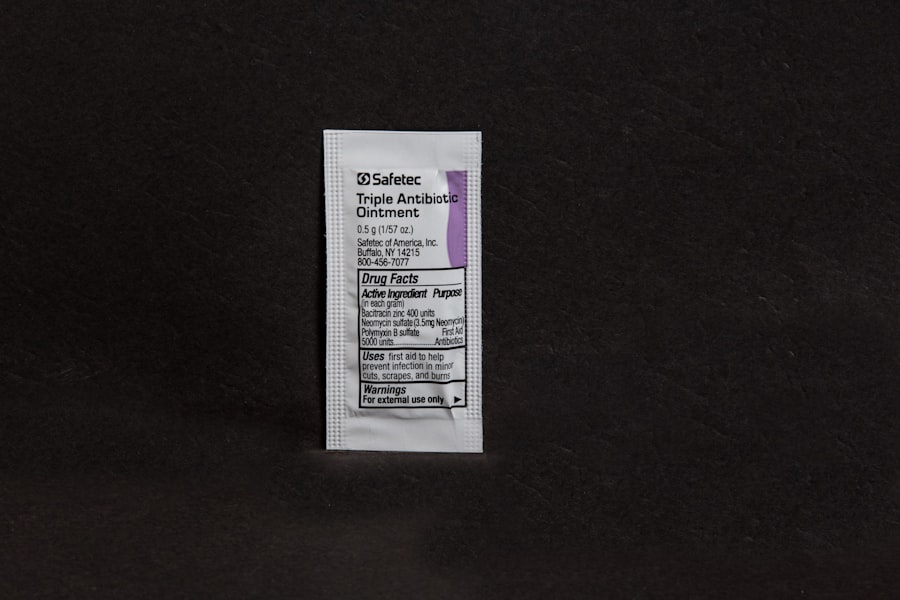
To practice as a pharmacist, individuals must meet specific licensing and registration requirements that vary by state. Generally, candidates must complete a Doctor of Pharmacy (Pharm.D.) degree from an accredited institution, followed by passing the North American Pharmacist Licensure Examination (NAPLEX) and a state-specific law exam. These examinations assess a candidate’s knowledge of pharmacology, therapeutics, and pharmacy law, ensuring that only qualified individuals enter the profession.
Once licensed, pharmacists must also register with their respective state boards of pharmacy. This registration process often requires proof of continuing education credits to ensure that pharmacists remain current with evolving practices and regulations. Additionally, some states may impose background checks or require proof of good moral character as part of the licensing process.
These stringent requirements help maintain high standards within the profession and protect public health.
Drug Scheduling and Controlled Substances
| Drug Name | Schedule | Controlled Substance |
|---|---|---|
| Marijuana | I | Yes |
| Cocaine | II | Yes |
| Oxycodone | II | Yes |
| Codeine | III | Yes |
| Xanax | IV | Yes |
The scheduling of drugs is a critical aspect of pharmacy regulations, particularly concerning controlled substances. The Controlled Substances Act (CSA) categorizes drugs into five schedules based on their potential for abuse, medical use, and safety profile. Schedule I substances, such as heroin and LSD, are deemed to have no accepted medical use and a high potential for abuse.
In contrast, Schedule II substances, including opioids like morphine and oxycodone, have accepted medical uses but also carry a significant risk for addiction. Pharmacists must be well-versed in these scheduling classifications to ensure compliance when dispensing medications. They are responsible for verifying prescriptions for controlled substances, ensuring that they are issued by licensed practitioners and that they adhere to state and federal regulations.
Additionally, pharmacists must maintain accurate records of controlled substance transactions to facilitate monitoring and prevent diversion or misuse.
Prescription Drug Dispensing Guidelines
Prescription drug dispensing is governed by strict guidelines designed to ensure patient safety and medication efficacy. Pharmacists must verify the accuracy of prescriptions before dispensing medications, which includes checking for potential drug interactions, allergies, and contraindications. They also have a responsibility to counsel patients on proper medication use, including dosage instructions, potential side effects, and storage requirements.
Moreover, pharmacists must adhere to specific labeling requirements mandated by regulatory agencies.
By following these guidelines, pharmacists help minimize the risk of medication errors and enhance patient understanding of their treatment regimens.
Over-the-Counter Medication Regulations
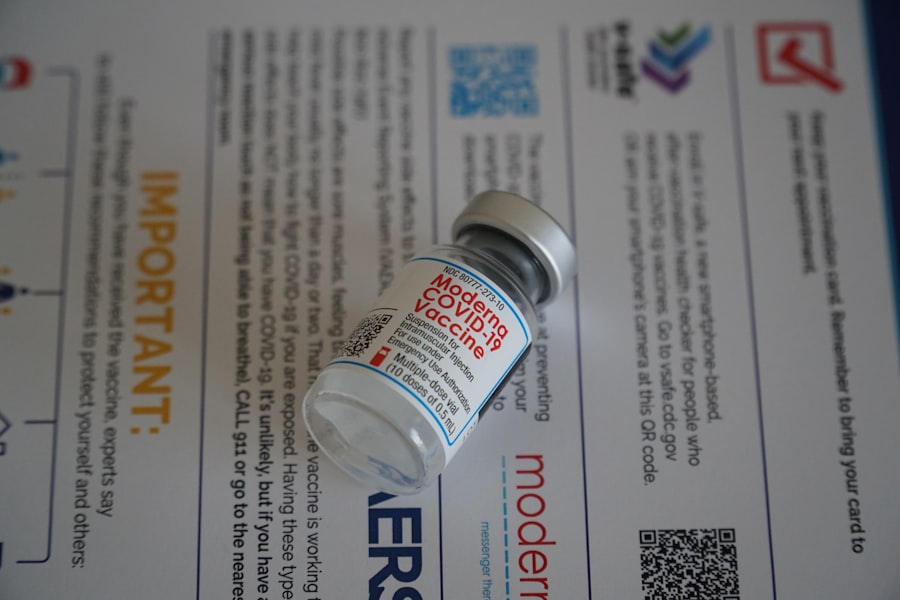
Over-the-counter (OTC) medications are widely used for self-treatment of various ailments; however, they are also subject to regulatory oversight. The FDA regulates OTC drugs to ensure their safety and effectiveness before they can be marketed to consumers. This includes evaluating active ingredients, labeling claims, and manufacturing practices.
Pharmacists play a crucial role in guiding patients in selecting appropriate OTC medications based on their symptoms and medical history. They must be knowledgeable about available products and their indications to provide effective recommendations. Additionally, pharmacists should educate patients on proper usage and potential side effects associated with OTC medications to promote safe self-medication practices.
Compounding Pharmacy Regulations
Compounding pharmacies prepare customized medications tailored to individual patient needs when commercially available products do not suffice. However, compounding is subject to stringent regulations to ensure safety and quality. The FDA oversees compounding practices under the Drug Quality and Security Act (DQSA), which establishes guidelines for compounding pharmacies regarding ingredient sourcing, facility standards, and record-keeping.
Pharmacists involved in compounding must possess specialized training in this area to ensure they can create safe and effective formulations. They must also adhere to Good Manufacturing Practices (GMP) to minimize contamination risks and ensure product consistency. By following these regulations, compounding pharmacists can provide essential services while safeguarding patient health.
Handling and Storage of Medications
Proper handling and storage of medications are vital components of pharmacy practice that directly impact drug efficacy and patient safety. Pharmacists must ensure that medications are stored according to manufacturer specifications, which may include temperature controls or protection from light exposure. For instance, certain medications require refrigeration while others must be kept at room temperature.
Additionally, pharmacists should implement inventory management systems to monitor expiration dates and ensure that outdated or recalled products are removed from stock promptly. This proactive approach helps prevent medication errors related to expired products and ensures that patients receive safe and effective treatments.
Adherence to Privacy and Confidentiality Laws
Pharmacists are entrusted with sensitive patient information; therefore, adherence to privacy and confidentiality laws is paramount in pharmacy practice. The Health Insurance Portability and Accountability Act (HIPAA) establishes national standards for protecting patient health information (PHI). Pharmacists must implement safeguards to ensure that PHI is not disclosed without patient consent.
Training staff on HIPAA compliance is essential for maintaining confidentiality within pharmacy settings. Pharmacists should also establish protocols for securely handling patient records and conducting consultations in private areas to protect patient privacy during discussions about medications or health conditions.
Reporting Adverse Drug Events and Medication Errors
The reporting of adverse drug events (ADEs) and medication errors is crucial for improving patient safety within the healthcare system. Pharmacists play an integral role in identifying and reporting these incidents to regulatory agencies such as the FDA’s MedWatch program. By documenting ADEs or errors accurately, pharmacists contribute valuable data that can lead to improved drug safety measures.
Pharmacists should foster a culture of transparency within their practice settings that encourages staff members to report incidents without fear of retribution. This proactive approach not only enhances patient safety but also promotes continuous quality improvement within pharmacy operations.
Continuing Education and Compliance Requirements for Pharmacists
Continuing education (CE) is a fundamental requirement for pharmacists to maintain their licensure and stay current with advancements in pharmaceutical science and practice. Most states mandate a specific number of CE hours every renewal cycle, covering topics such as new drug therapies, regulatory changes, and emerging health trends. Pharmacists can fulfill CE requirements through various avenues, including attending workshops, participating in online courses, or engaging in professional conferences.
By committing to lifelong learning, pharmacists enhance their knowledge base, improve their clinical skills, and ultimately provide better care for their patients. In summary, pharmacy regulations encompass a wide array of guidelines designed to ensure safe medication practices within healthcare settings. Regulatory agencies play a vital role in overseeing these practices while establishing licensing requirements for pharmacists.
Understanding drug scheduling is essential for managing controlled substances effectively. Pharmacists must adhere to dispensing guidelines for prescription drugs while also providing guidance on OTC medications. Compounding pharmacies face unique regulations that require specialized training for pharmacists involved in creating customized medications.
Proper handling and storage practices are critical for maintaining drug efficacy while adherence to privacy laws protects patient information. Reporting ADEs fosters a culture of safety within pharmacy practice settings while continuing education ensures that pharmacists remain knowledgeable about evolving practices in their field.
Pharmacy regulations play a crucial role in ensuring the safety and efficacy of medications for consumers. One related article that delves into the importance of federal holidays is Understanding the Significance of Easter as a Federal Holiday. Just as regulations govern the pharmaceutical industry, federal holidays like Easter also hold significance in our society and culture. It is essential to understand the impact of these holidays on various aspects of our lives, including healthcare practices and regulations.
FAQs
What are pharmacy regulations?
Pharmacy regulations are laws and rules that govern the practice of pharmacy and the distribution of pharmaceutical drugs. These regulations are put in place to ensure the safety, efficacy, and quality of pharmaceutical products, as well as to protect the public from potential harm.
Why are pharmacy regulations important?
Pharmacy regulations are important for maintaining the integrity of the pharmaceutical industry and ensuring that patients receive safe and effective medications. They also help to prevent drug abuse, diversion, and counterfeit drugs from entering the market.
Who enforces pharmacy regulations?
Pharmacy regulations are enforced by government agencies such as the Food and Drug Administration (FDA) in the United States, the Medicines and Healthcare products Regulatory Agency (MHRA) in the United Kingdom, and similar regulatory bodies in other countries. These agencies oversee the licensing of pharmacies, drug manufacturing facilities, and the distribution of pharmaceutical products.
What are some common pharmacy regulations?
Common pharmacy regulations include requirements for pharmacist licensure, prescription drug monitoring programs, drug labeling and packaging standards, controlled substance regulations, and regulations for the storage and handling of pharmaceutical products.
How do pharmacy regulations impact patients?
Pharmacy regulations impact patients by ensuring that they have access to safe and effective medications, that their personal health information is protected, and that they receive appropriate counseling and education about their medications. Additionally, regulations help to prevent medication errors and adverse drug reactions.


