Now Reading: National Life: Embracing the Beauty of Diversity
-
01
National Life: Embracing the Beauty of Diversity
National Life: Embracing the Beauty of Diversity
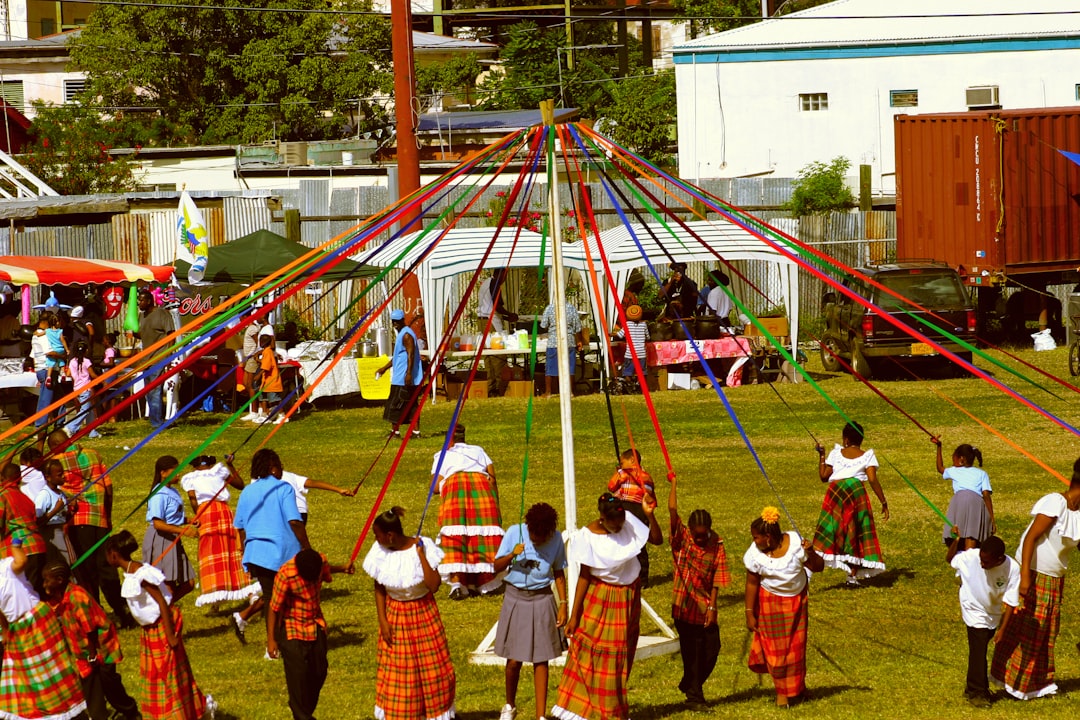
Cultural heritage serves as the backbone of a society, encapsulating the traditions, languages, arts, and historical narratives that define a community’s identity. Celebrating cultural heritage involves recognizing and valuing the unique contributions of various ethnic groups, which enrich the social fabric of a nation. This celebration can take many forms, including festivals, art exhibitions, and educational programs that highlight the significance of diverse cultural expressions.
By showcasing traditional music, dance, and culinary arts, communities can foster a sense of pride and belonging among their members. Moreover, the preservation of cultural heritage is crucial for future generations. It provides a sense of continuity and connection to the past, allowing individuals to understand their roots and the evolution of their identities.
Initiatives such as cultural heritage sites, museums, and archives play a vital role in safeguarding these legacies. By investing in these resources, societies can ensure that their rich histories are not only preserved but also celebrated and shared with a broader audience.
Key Takeaways
- Celebrating Cultural Heritage is important for preserving and promoting the unique traditions and practices of different communities.
- Embracing Multilingualism can help bridge communication gaps and foster a more inclusive society.
- Recognizing Different Perspectives is crucial for understanding and respecting diverse viewpoints and experiences.
- Honoring Traditions and Customs is a way to show respect for the cultural heritage of minority communities.
- Promoting Inclusivity in National Policies is essential for creating a fair and equitable society for all.
Embracing Multilingualism
Multilingualism is an essential aspect of cultural diversity that enhances communication and understanding among different communities. In an increasingly globalized world, the ability to speak multiple languages fosters connections between individuals from various backgrounds. Embracing multilingualism not only enriches personal experiences but also promotes cognitive benefits such as improved problem-solving skills and enhanced creativity.
Educational institutions play a pivotal role in this regard by offering language programs that encourage students to learn and appreciate different languages. Furthermore, multilingualism can serve as a bridge to cultural exchange. When individuals engage with languages other than their own, they gain insights into different worldviews and customs.
This exchange can lead to greater empathy and respect for others, ultimately contributing to social cohesion. Governments and organizations should prioritize language preservation initiatives, ensuring that minority languages are recognized and supported alongside dominant languages.
Recognizing Different Perspectives

Recognizing different perspectives is fundamental to fostering a harmonious society. Each individual brings unique experiences shaped by their cultural background, socioeconomic status, and personal history. Acknowledging these diverse viewpoints allows for a more comprehensive understanding of societal issues and challenges.
It encourages dialogue and collaboration among various groups, leading to innovative solutions that address the needs of all community members. In practice, recognizing different perspectives can be achieved through inclusive policymaking processes that involve stakeholders from various backgrounds. By actively seeking input from marginalized communities, decision-makers can create policies that reflect the realities of those they serve.
This approach not only enhances the legitimacy of policies but also empowers individuals by giving them a voice in shaping their futures.
Honoring Traditions and Customs
| Tradition | Custom | Importance |
|---|---|---|
| Chinese New Year | Red envelope giving | Bringing good luck and prosperity |
| Diwali | Lighting oil lamps | Celebrating the victory of light over darkness |
| Thanksgiving | Family gathering | Expressing gratitude and appreciation |
Honoring traditions and customs is vital for maintaining cultural identity and fostering community cohesion. Traditions often serve as a source of comfort and stability, providing individuals with a sense of belonging. Celebrating customs through rituals, ceremonies, and festivals allows communities to reinforce their shared values and beliefs.
These events often serve as opportunities for intergenerational bonding, where elders pass down knowledge and practices to younger generations. Moreover, honoring traditions can also promote tourism and economic development. Cultural festivals attract visitors who seek authentic experiences, thereby generating revenue for local businesses.
By investing in the promotion of traditional arts and crafts, communities can create sustainable livelihoods while preserving their cultural heritage. This dual benefit underscores the importance of recognizing and celebrating customs as integral components of societal well-being.
Promoting Inclusivity in National Policies
Inclusivity in national policies is essential for creating equitable societies where all individuals have access to opportunities and resources. Policymakers must prioritize the needs of marginalized groups by implementing measures that address systemic inequalities. This includes ensuring equal access to education, healthcare, employment, and social services for all citizens, regardless of their background.
To promote inclusivity effectively, governments should engage in comprehensive data collection and analysis to identify disparities within communities. By understanding the specific challenges faced by different groups, policymakers can design targeted interventions that address these issues directly. Additionally, fostering partnerships with civil society organizations can enhance outreach efforts and ensure that policies are informed by the lived experiences of those they aim to support.
Fostering Understanding and Tolerance

Fostering understanding and tolerance is crucial for building peaceful societies where diversity is celebrated rather than feared. Education plays a pivotal role in this endeavor by promoting awareness of different cultures, histories, and belief systems. Schools should incorporate multicultural curricula that encourage students to explore various perspectives and challenge stereotypes.
Community engagement initiatives can also facilitate dialogue among diverse groups. Workshops, forums, and cultural exchange programs provide platforms for individuals to share their experiences and learn from one another. By creating safe spaces for open discussions about differences, communities can cultivate empathy and reduce prejudice.
Ultimately, fostering understanding leads to stronger social bonds and a more cohesive society.
Encouraging Interethnic Relationships
Encouraging interethnic relationships is essential for breaking down barriers between communities and promoting social integration. When individuals from different ethnic backgrounds form friendships or partnerships, they challenge preconceived notions and stereotypes that may exist within their respective groups. These relationships can serve as powerful catalysts for change, fostering greater acceptance and understanding among diverse populations.
To promote interethnic relationships, community organizations can facilitate events that bring together individuals from various backgrounds. Social gatherings, cultural exchanges, and collaborative projects provide opportunities for people to connect on a personal level. Additionally, educational institutions should encourage cross-cultural interactions through programs that promote teamwork among students from different ethnicities.
By nurturing these relationships, societies can create a more inclusive environment where diversity is embraced.
Supporting Minority Communities
Supporting minority communities is essential for ensuring that all voices are heard and represented in society. These communities often face unique challenges related to discrimination, economic disadvantage, and limited access to resources. To address these issues effectively, targeted support initiatives must be implemented at local, regional, and national levels.
Governments should allocate funding for programs that empower minority communities through education, job training, and entrepreneurship opportunities. Additionally, advocacy efforts should focus on raising awareness about the rights of minority groups and combating systemic discrimination. By amplifying the voices of marginalized individuals through media representation and public discourse, societies can work towards dismantling barriers that hinder progress.
Preserving Indigenous Knowledge and Practices
Preserving indigenous knowledge and practices is vital for maintaining biodiversity and cultural heritage. Indigenous communities possess unique insights into sustainable land management, traditional medicine, and ecological stewardship that have been passed down through generations. Recognizing the value of this knowledge is essential for promoting environmental conservation and cultural resilience.
Collaborative efforts between indigenous communities and researchers can facilitate the documentation and preservation of traditional practices. By integrating indigenous knowledge into contemporary environmental policies, societies can benefit from holistic approaches to sustainability. Furthermore, supporting indigenous rights to land and resources is crucial for empowering these communities to continue practicing their traditions while contributing to broader societal goals.
Empowering Marginalized Groups
Empowering marginalized groups involves creating pathways for individuals to access resources, opportunities, and decision-making processes that affect their lives. This empowerment is essential for fostering social justice and equity within society. Initiatives aimed at enhancing representation in political spheres are crucial for ensuring that marginalized voices are included in policy discussions.
Community-based organizations play a vital role in empowering marginalized groups by providing support services such as legal assistance, mentorship programs, and leadership training. By equipping individuals with the skills necessary to advocate for themselves and their communities, these organizations contribute to long-term social change. Additionally, fostering partnerships between marginalized groups and mainstream institutions can enhance collaboration efforts aimed at addressing systemic inequalities.
Promoting Unity in Diversity
Promoting unity in diversity is essential for building resilient societies where individuals coexist harmoniously despite their differences. Celebrating diversity should not be viewed as a challenge but rather as an opportunity for growth and enrichment. By embracing diverse perspectives, societies can cultivate innovation and creativity while addressing complex global challenges.
Public campaigns highlighting stories of successful interethnic cooperation can inspire others to engage in similar efforts. Additionally, educational programs focused on conflict resolution and intercultural communication can equip individuals with the skills necessary to navigate differences constructively.
In summary, celebrating cultural heritage while embracing multilingualism fosters understanding among diverse perspectives. Honoring traditions promotes inclusivity in national policies while fostering tolerance encourages interethnic relationships. Supporting minority communities preserves indigenous knowledge while empowering marginalized groups promotes unity in diversity within society’s fabric.
Through these collective efforts, we can build a more inclusive world where every individual feels valued and respected regardless of their background or identity.
National life is deeply intertwined with the concept of federal holidays, as these days off work often serve as markers for important events and values in a country’s history. One related article that delves into the significance of federal holidays is this piece which provides a comprehensive guide on what federal holidays are and what you need to know about them. Understanding the origins and meanings behind these holidays can offer valuable insights into the cultural and historical fabric of a nation.
FAQs
What is national life?
National life refers to the collective experiences, values, and activities of a nation’s citizens. It encompasses the cultural, social, economic, and political aspects of a country’s existence.
What are some examples of national life?
Examples of national life include traditions, customs, language, cuisine, art, literature, music, sports, and other cultural expressions that are unique to a particular country.
How does national life impact a country?
National life plays a significant role in shaping a country’s identity and influencing the behavior and attitudes of its citizens. It also contributes to the overall development and progress of a nation.
What factors contribute to the development of national life?
The development of national life is influenced by historical events, geographical location, social interactions, political decisions, economic conditions, and technological advancements within a country.
Why is it important to preserve and promote national life?
Preserving and promoting national life helps to maintain a sense of unity and pride among citizens, fosters cultural diversity, and contributes to the preservation of a country’s heritage and traditions. It also serves as a source of national identity and promotes a sense of belonging and community.