Now Reading: National Holidays: A Comprehensive List
-
01
National Holidays: A Comprehensive List
National Holidays: A Comprehensive List

National holidays are significant days that hold great importance for a country and its citizens. These days are often marked by celebrations, ceremonies, and various forms of observance that reflect the cultural, historical, or political significance of the occasion. National holidays serve as a unifying force, bringing people together to commemorate shared values, achievements, or pivotal moments in a nation’s history.
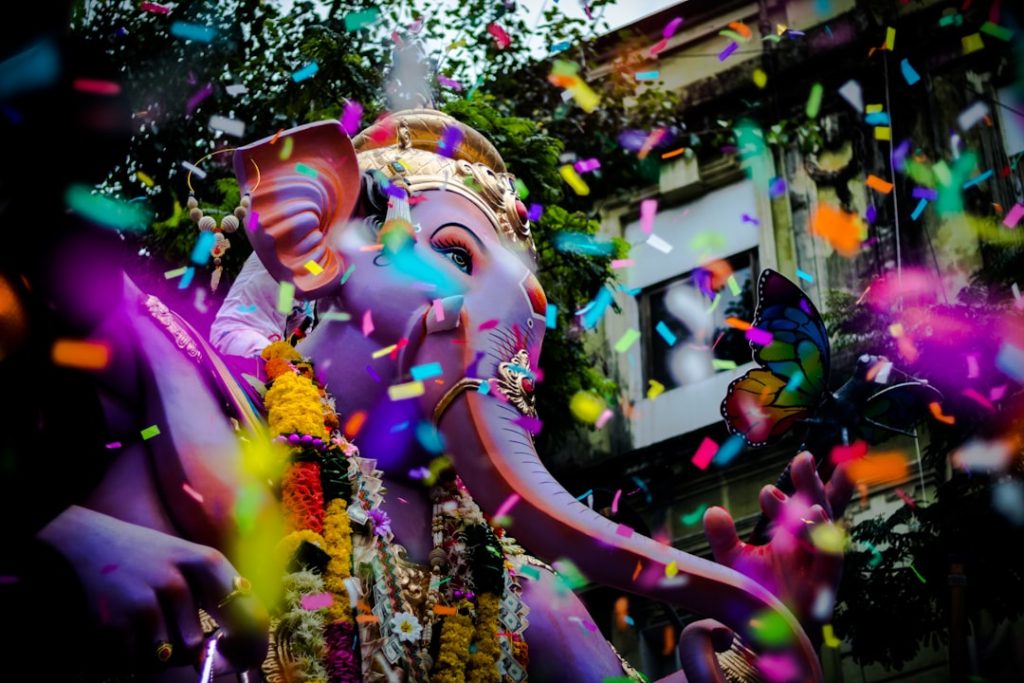
They provide an opportunity for citizens to express their national pride and reinforce their collective identity. The essence of national holidays transcends mere days off from work or school; they embody the spirit of a nation. Whether it’s Independence Day in the United States, Bastille Day in France, or Diwali in India, these holidays are steeped in tradition and meaning.
They often serve as reminders of the struggles and sacrifices made by previous generations, fostering a sense of gratitude and reflection among citizens. As we delve deeper into the concept of national holidays, we will explore their historical roots, various types, and their impact on society.
Historical Background of National Holidays
The origins of national holidays can be traced back to ancient civilizations, where specific days were set aside to honor deities, celebrate harvests, or mark significant events. For instance, the ancient Romans celebrated various festivals dedicated to their gods, while the Egyptians held grand ceremonies to commemorate the Nile’s flooding, which was crucial for agriculture. As societies evolved, so did the nature of these observances, gradually transforming into more structured national holidays that reflected the political and social changes of the time.
In many cases, national holidays emerged from pivotal moments in a nation’s history. The American Independence Day, celebrated on July 4th, marks the adoption of the Declaration of Independence in 1776, symbolizing the birth of a new nation. Similarly, France’s Bastille Day commemorates the storming of the Bastille prison in 1789, a key event in the French Revolution that signified the fight against tyranny.
These historical milestones not only shaped the identity of nations but also laid the groundwork for annual celebrations that continue to resonate with citizens today.
Different Types of National Holidays
National holidays can be categorized into several types based on their significance and the reasons for their observance. One common type is commemorative holidays, which honor historical events or figures.
For example, Memorial Day in the United States honors those who have died in military service, while Martin Luther King Jr. Day celebrates the life and legacy of a prominent civil rights leader. Another category is cultural or religious holidays that reflect the traditions and beliefs of a nation’s populace.
These holidays may not necessarily have political significance but are deeply rooted in cultural practices. For instance, Thanksgiving in the United States is a time for families to gather and express gratitude, while Eid al-Fitr marks the end of Ramadan for Muslims around the world. These holidays foster community bonds and allow individuals to connect with their heritage.
Additionally, there are public holidays that are mandated by law and typically provide citizens with a day off from work or school. These can include both commemorative and cultural holidays but are distinguished by their legal recognition. Countries may also have unofficial holidays that are celebrated by certain groups or communities but do not have formal status.
Each type of national holiday plays a unique role in shaping societal values and fostering a sense of belonging among citizens.
National Holidays Around the World
| Country | Date | Holiday |
|---|---|---|
| United States | July 4th | Independence Day |
| Canada | July 1st | Canada Day |
| United Kingdom | December 25th | Christmas Day |
| India | October 2nd | Gandhi Jayanti |
National holidays vary widely across different countries, reflecting diverse cultures, histories, and traditions. In Japan, for example, National Foundation Day on February 11th celebrates the founding of the nation and its first emperor, Jimmu. This holiday is steeped in mythology and serves as a reminder of Japan’s rich heritage.
In many countries, national holidays are intertwined with significant historical events that shaped their identities. For instance, Canada Day on July 1st commemorates the confederation of Canada in 1867 and is celebrated with parades, concerts, and fireworks across the nation.
Meanwhile, India’s Republic Day on January 26th honors the adoption of its constitution in 1950 and features a grand parade showcasing India’s cultural diversity and military prowess. While some national holidays are celebrated with great enthusiasm and public participation, others may be observed more quietly or with mixed feelings due to their historical context. The diversity in how national holidays are celebrated around the world highlights not only cultural differences but also varying perspectives on history and identity.
Controversial National Holidays
Not all national holidays are universally embraced; some can be sources of contention and debate within societies. Controversial national holidays often arise from differing interpretations of historical events or conflicting cultural narratives. For example, Columbus Day in the United States has faced criticism for celebrating Christopher Columbus’s arrival in the Americas while overlooking the impact on Indigenous populations.
Many advocate for replacing it with Indigenous Peoples’ Day to honor Native American history and culture. Similarly, Australia Day has become a focal point for discussions about colonialism and its effects on Indigenous Australians. While some celebrate it as a day of national pride, others refer to it as “Invasion Day,” highlighting the negative consequences of colonization on Aboriginal communities.
This duality reflects broader societal tensions regarding identity, history, and reconciliation. These controversies surrounding national holidays often prompt discussions about how societies remember their pasts and who gets to shape those narratives. As nations grapple with their histories, it becomes increasingly important to engage in dialogue that acknowledges diverse perspectives and fosters understanding among different communities.
Impact of National Holidays on Society

National holidays have a profound impact on society beyond mere celebrations; they influence social cohesion, economic activity, and cultural identity. On one hand, these holidays serve as opportunities for citizens to come together in celebration, fostering a sense of unity and belonging. Parades, festivals, and communal gatherings create spaces for individuals to connect with one another and reinforce shared values.
Economically, national holidays can also stimulate local businesses and tourism. Many people take advantage of long weekends to travel or participate in festivities, leading to increased spending in various sectors such as hospitality and retail. For instance, during Independence Day celebrations in the United States, fireworks sales soar as families gather for barbecues and picnics.
This economic boost can be particularly beneficial for small businesses that rely on holiday-related activities. However, national holidays can also highlight societal divisions when certain groups feel excluded from mainstream celebrations or when historical grievances resurface during observances. The way a holiday is celebrated can reflect broader societal attitudes toward inclusivity and recognition of diverse identities within a nation.
Celebrating National Holidays
Celebrating national holidays often involves a rich tapestry of traditions that vary from one country to another. In many cases, these celebrations include parades featuring floats, music performances, and cultural displays that showcase a nation’s heritage. For example, during Bastille Day in France, military parades take place along the Champs-Élysées, drawing crowds from all over to witness this grand display of national pride.
Food also plays a central role in holiday celebrations across cultures. Traditional dishes are often prepared and shared among family members and friends during these occasions. In Mexico, Día de los Muertos (Day of the Dead) is celebrated with vibrant altars adorned with offerings for deceased loved ones, while families gather to enjoy traditional foods like pan de muerto (bread of the dead).
Such culinary practices not only enhance the festive atmosphere but also serve as a means of preserving cultural heritage. In addition to public festivities, many individuals observe national holidays through personal rituals that hold special meaning for them. This could involve reflecting on historical events through storytelling or engaging in acts of service that align with the values represented by the holiday.
Ultimately, how people choose to celebrate national holidays reflects their unique connections to their culture and history.
Future of National Holidays
As societies continue to evolve in an increasingly globalized world, the future of national holidays may also undergo significant changes. The rise of multiculturalism has led to greater recognition of diverse identities within nations; this shift could influence how national holidays are celebrated or even lead to new observances that honor underrepresented communities. Moreover, as awareness grows regarding historical injustices associated with certain holidays, there may be calls for re-evaluation or rebranding of existing celebrations.
This could result in more inclusive practices that acknowledge multiple perspectives on history while fostering unity among diverse populations. Technology also plays a role in shaping how national holidays are observed. Social media platforms allow individuals to share their experiences and connect with others around the world during these celebrations.
Virtual events have gained popularity during times when physical gatherings may not be feasible due to circumstances like pandemics. In conclusion, national holidays hold immense significance within societies worldwide. They serve as reminders of shared histories while fostering unity among citizens through celebration and reflection.
As we look toward the future, it is essential to engage in conversations about inclusivity and representation within these observances to ensure that they continue to resonate with all members of society.
If you are interested in learning more about national holidays around the world, you may want to check out the article “The Most Unique National Holidays Around the World” on Boogger.com. This article highlights some of the most unusual and interesting national holidays celebrated in different countries. From La Tomatina in Spain to Diwali in India, this article showcases the diversity and richness of global holiday traditions. You can read the full article here.
FAQs
What is a national holiday?
A national holiday is a day recognized by a country’s government as a day of significance, often marked by celebrations, ceremonies, and time off from work or school.
How are national holidays determined?
National holidays are determined by each country’s government and are often based on historical events, cultural traditions, or religious observances.
What are some common types of national holidays?
Common types of national holidays include independence days, religious holidays, cultural celebrations, and days honoring historical figures or events.
How do national holidays vary from country to country?
National holidays vary from country to country based on each nation’s unique history, culture, and traditions. Different countries may have different holidays to commemorate specific events or figures important to their national identity.
Why is it important to have national holidays?
National holidays are important for fostering a sense of national identity, celebrating cultural heritage, and providing opportunities for people to come together in shared observance and celebration.
How do national holidays impact daily life?
National holidays often result in closures of businesses and schools, as well as increased travel and tourism for those looking to participate in holiday-related events and activities. They also provide opportunities for reflection and celebration.