Now Reading: National Defense Authorization Act: Strengthening Security
-
01
National Defense Authorization Act: Strengthening Security
National Defense Authorization Act: Strengthening Security
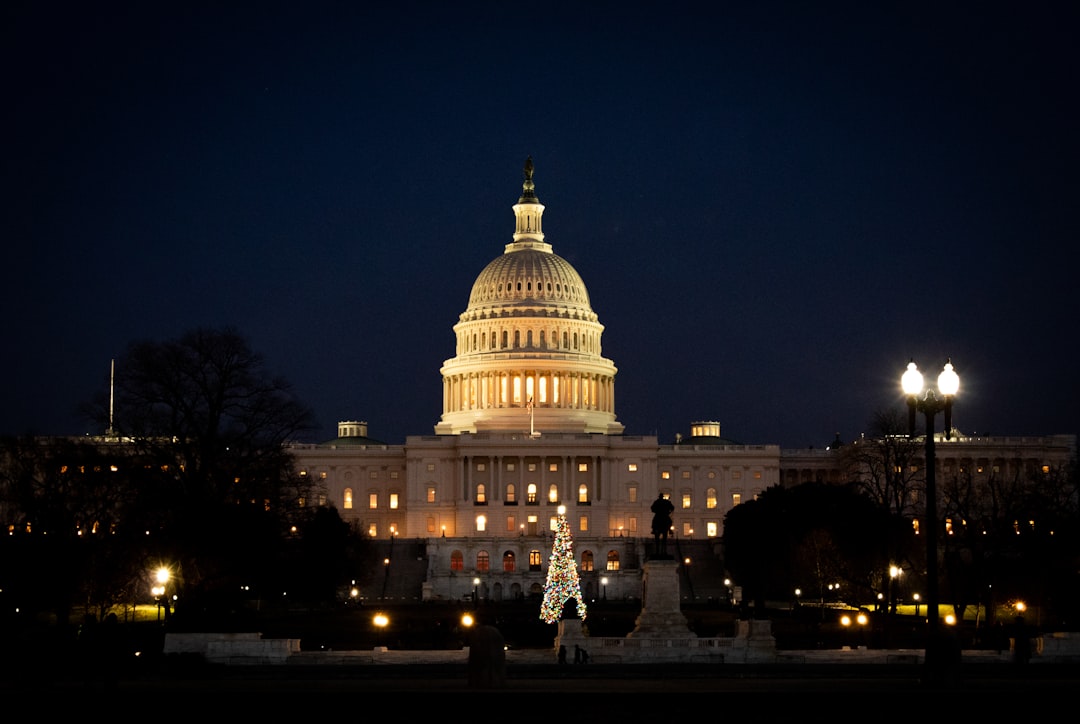
The National Defense Authorization Act (NDAA) is a pivotal piece of legislation that outlines the budget and expenditures for the United States Department of Defense (DoD) and other national security programs. Enacted annually, this act serves as a comprehensive framework for military policy, funding, and strategic priorities. The NDAA not only delineates the financial resources allocated to various defense initiatives but also establishes critical guidelines for military operations, personnel management, and procurement processes.
Its significance extends beyond mere budgetary considerations; it reflects the evolving landscape of national security and the United States’ commitment to maintaining a robust defense posture. The NDAA is a product of extensive deliberation among lawmakers, military leaders, and defense experts. Each year, it undergoes rigorous scrutiny and debate in Congress, where various stakeholders advocate for their priorities.
The act is instrumental in shaping the future of U.S. defense capabilities, ensuring that the military is equipped to address both current and emerging threats. As global dynamics shift and new challenges arise, the NDAA remains a cornerstone of American defense policy, adapting to meet the needs of a changing world.
Key Takeaways
- The National Defense Authorization Act (NDAA) outlines key policies and funding for U.S. defense.
- It focuses on improving military readiness, cybersecurity, and addressing emerging threats.
- The act invests in modernizing defense technology and infrastructure.
- Support for military personnel and strengthening international alliances are prioritized.
- Oversight of defense spending ensures accountability and impacts future national security strategies.
Key provisions of the National Defense Authorization Act
The NDAA encompasses a wide array of provisions that address various aspects of national defense. Among its key components are funding allocations for military personnel, equipment modernization, research and development, and operational readiness. Each year, the act specifies the budgetary limits for different branches of the armed forces, ensuring that resources are allocated efficiently to meet strategic objectives.
For instance, recent iterations of the NDAA have included significant investments in advanced technologies such as artificial intelligence, unmanned systems, and cyber capabilities. In addition to funding, the NDAA often includes provisions aimed at enhancing military personnel policies. This may involve adjustments to pay scales, benefits, and support programs for service members and their families.
The act also addresses issues related to recruitment and retention, recognizing that a well-trained and motivated workforce is essential for maintaining military effectiveness. Furthermore, the NDAA frequently incorporates measures to improve diversity and inclusion within the armed forces, reflecting a commitment to fostering an equitable environment for all service members.
Strengthening military readiness and capabilities

One of the primary objectives of the NDAA is to bolster military readiness and capabilities across all branches of the armed forces. This involves ensuring that troops are adequately trained, equipped, and prepared to respond to a wide range of contingencies. The act often mandates increased funding for training exercises, maintenance of equipment, and procurement of new technologies that enhance operational effectiveness.
For example, recent legislation has emphasized the importance of joint exercises that promote interoperability among different military branches and allied forces. Moreover, the NDAA addresses the need for strategic investments in critical areas such as logistics and supply chain management. By streamlining these processes, the military can enhance its responsiveness to emerging threats and ensure that resources are available when needed most.
The act also emphasizes the importance of maintaining a robust reserve force capable of augmenting active-duty personnel during times of crisis. This multifaceted approach to readiness ensures that the U.S. military remains agile and capable in an increasingly complex global environment.
Enhancing cybersecurity and information warfare capabilities
In an era marked by rapid technological advancements and increasing reliance on digital infrastructure, cybersecurity has emerged as a paramount concern for national defense. The NDAA recognizes this reality by allocating significant resources toward enhancing cybersecurity measures across military networks and systems. This includes investments in advanced threat detection technologies, secure communication protocols, and training programs designed to equip personnel with the skills necessary to combat cyber threats effectively.
Additionally, the NDAA addresses the growing importance of information warfare in modern conflicts. As adversaries increasingly leverage disinformation campaigns and cyberattacks to undermine U.S. interests, the act emphasizes the need for proactive measures to counter these tactics.
This may involve developing capabilities for psychological operations, strategic communications, and public diplomacy aimed at countering misinformation narratives. By prioritizing cybersecurity and information warfare capabilities, the NDAA seeks to ensure that the U.S. military can effectively navigate the complexities of contemporary warfare.
Addressing emerging threats and challenges
| Metric | Value | Description |
|---|---|---|
| Bill Number | H.R. 2670 | House of Representatives bill number for the NDAA 2024 |
| Fiscal Year | 2024 | Fiscal year covered by the authorization |
| Authorized Budget | 858 billion | Total authorized budget for national defense programs |
| Military Personnel Funding | 194 billion | Funding allocated for military personnel salaries and benefits |
| Procurement Funding | 146 billion | Funding for procurement of weapons, vehicles, and equipment |
| Research & Development | 130 billion | Funding for defense-related research and development programs |
| Cybersecurity Initiatives | 5 billion | Allocated funds for enhancing cybersecurity capabilities |
| Defense Health Program | 40 billion | Funding for military health care services and medical research |
| Authorization Status | Passed | Current legislative status of the bill |
| Effective Date | October 1, 2023 | Date when the authorization takes effect |
The landscape of global security is constantly evolving, with new threats emerging from various sources. The NDAA plays a crucial role in addressing these challenges by providing a framework for assessing risks and developing appropriate responses. Recent iterations of the act have focused on countering threats posed by state actors such as China and Russia, as well as non-state actors like terrorist organizations.
This involves not only military preparedness but also diplomatic efforts aimed at mitigating tensions and fostering stability in volatile regions. Furthermore, the NDAA recognizes the importance of addressing transnational challenges such as climate change, pandemics, and resource scarcity. These issues have far-reaching implications for national security and require a comprehensive approach that integrates military capabilities with diplomatic and humanitarian efforts.
By acknowledging these emerging threats, the NDAA positions the U.S. military to respond effectively to a diverse array of challenges that may impact global stability.
Investing in modernizing defense infrastructure and technology

Modernizing defense infrastructure is a critical component of maintaining military effectiveness in an increasingly complex security environment. The NDAA allocates substantial resources toward upgrading existing facilities, enhancing logistics networks, and investing in cutting-edge technologies that improve operational capabilities. This includes initiatives aimed at modernizing weapon systems, enhancing surveillance capabilities, and integrating advanced technologies such as artificial intelligence into military operations.
Moreover, the NDAA emphasizes the importance of research and development (R&D) in driving innovation within the defense sector. By fostering collaboration between government agencies, private industry, and academic institutions, the act seeks to accelerate the development of next-generation technologies that can provide a competitive edge on the battlefield.
S.
forces remain at the forefront of technological advancements while adapting to evolving threats.
Supporting military personnel and their families
Recognizing that military personnel are the backbone of national defense, the NDAA includes provisions aimed at supporting service members and their families. This encompasses a wide range of initiatives designed to enhance quality of life, including improvements in healthcare access, housing support, education benefits, and mental health services. By prioritizing these areas, the act seeks to ensure that service members can focus on their missions without undue stress related to personal or family challenges.
Additionally, the NDAA often includes measures aimed at addressing issues such as suicide prevention and mental health awareness within the military community.
Ultimately, supporting personnel holistically contributes to overall military readiness by ensuring that individuals are mentally and physically prepared for their duties.
Strengthening alliances and partnerships
The NDAA recognizes that effective national defense extends beyond U.S. borders; it involves collaboration with allies and partners around the world. Strengthening alliances is a key focus of recent legislation, which emphasizes joint training exercises, intelligence sharing, and cooperative defense initiatives with allied nations.
By fostering these relationships, the U.S. can enhance collective security efforts while deterring potential adversaries. Moreover, the NDAA often includes provisions aimed at bolstering partnerships with regional organizations and multilateral institutions.
This collaborative approach allows for coordinated responses to shared security challenges while promoting stability in critical regions. By investing in alliances and partnerships, the NDAA reinforces the notion that collective security is essential for addressing complex global threats effectively.
Ensuring oversight and accountability in defense spending
Given the substantial financial resources allocated through the NDAA, ensuring oversight and accountability in defense spending is paramount. The act includes provisions aimed at enhancing transparency in budgetary processes while establishing mechanisms for monitoring expenditures effectively. This oversight is crucial for preventing wasteful spending while ensuring that taxpayer dollars are utilized efficiently to support national security objectives.
Additionally, Congress plays a vital role in overseeing defense spending through regular hearings and reports on program effectiveness. By holding defense agencies accountable for their financial decisions, lawmakers can ensure that resources are directed toward initiatives that align with strategic priorities while addressing any potential inefficiencies or mismanagement.
Impact of the National Defense Authorization Act on national security
The NDAA has far-reaching implications for national security by shaping U.S. defense policy and resource allocation strategies. Through its comprehensive framework, the act ensures that military forces are adequately funded and prepared to address a diverse array of threats while promoting stability both domestically and internationally.
By prioritizing modernization efforts, enhancing cybersecurity capabilities, and strengthening alliances, the NDAA positions the U.S. military as a formidable force capable of responding effectively to evolving challenges. Moreover, by supporting military personnel and their families while ensuring oversight in defense spending, the NDAA fosters a culture of accountability within the armed forces.
This holistic approach contributes not only to immediate operational effectiveness but also to long-term sustainability within national defense strategies.
Future implications and challenges for national defense
As global dynamics continue to shift rapidly, future iterations of the NDAA will face numerous challenges in addressing emerging threats while maintaining military readiness. The increasing complexity of warfare—characterized by hybrid threats involving cyberattacks, disinformation campaigns, and unconventional tactics—will require adaptive strategies that integrate traditional military capabilities with innovative approaches. Furthermore, budgetary constraints may pose challenges in sustaining robust funding levels for defense initiatives amid competing domestic priorities.
Balancing resource allocation while addressing pressing national security concerns will be critical for future lawmakers tasked with crafting effective legislation. In conclusion, the National Defense Authorization Act serves as a cornerstone of U.S. national security policy by providing a comprehensive framework for funding military operations while addressing emerging threats through modernization efforts and international partnerships.
As global dynamics evolve rapidly, ongoing adaptation will be essential for ensuring that U.S. forces remain prepared to meet future challenges effectively while safeguarding national interests both at home and abroad.
The National Defense Authorization Act (NDAA) is a critical piece of legislation that outlines the budget and expenditures for the Department of Defense. For those interested in understanding the broader implications of government spending, you might find the article on Amazon stock analysis and predictions insightful, as it discusses how government contracts can impact major corporations. You can read more about it in this Amazon stock analysis and predictions article.
FAQs
What is the National Defense Authorization Act (NDAA)?
The National Defense Authorization Act (NDAA) is an annual federal law that specifies the budget, expenditures, and policies of the U.S. Department of Defense. It authorizes funding for military activities, personnel, equipment, and operations.
How often is the NDAA passed?
The NDAA is passed annually by the United States Congress. It typically goes through the legislative process each fiscal year to authorize defense spending and policies for the upcoming year.
What does the NDAA cover?
The NDAA covers a wide range of defense-related topics including military personnel pay and benefits, procurement of weapons and equipment, military construction projects, research and development, and national security policies.
Who proposes the NDAA bill?
The NDAA bill is usually proposed by the House and Senate Armed Services Committees. Members of these committees draft the bill, which is then debated and amended by the full Congress.
Does the NDAA authorize actual spending?
No, the NDAA authorizes funding levels and policies but does not appropriate funds. Actual spending is determined through separate appropriations bills passed by Congress.
Can the NDAA include non-defense related provisions?
While primarily focused on defense, the NDAA can sometimes include provisions related to national security, veterans’ affairs, and other related areas. However, unrelated policy measures are generally discouraged.
What happens if the NDAA is not passed on time?
If the NDAA is not passed before the start of the fiscal year, it can lead to delays in defense funding and operations. Congress may pass continuing resolutions to temporarily fund defense activities until the NDAA is enacted.
How does the NDAA impact military personnel?
The NDAA often includes provisions related to military pay raises, benefits, healthcare, housing allowances, and other quality-of-life issues for service members and their families.
Is the NDAA subject to presidential approval?
Yes, after Congress passes the NDAA, it is sent to the President for signature. The President can sign it into law or veto it, although vetoes are rare for this bill.
Where can I find the text of the current NDAA bill?
The text of the current and past NDAA bills can be found on official government websites such as Congress.gov or the Government Publishing Office (GPO) website.