Now Reading: Maximizing Your Tax Refund: Tips for Getting the Most Back
-
01
Maximizing Your Tax Refund: Tips for Getting the Most Back
Maximizing Your Tax Refund: Tips for Getting the Most Back

Understanding your tax situation is essential for sound financial planning. Begin by identifying all income sources, including wages, dividends, interest, and other revenue streams. Different income types are subject to varying tax rates and regulations that affect your total tax liability.
Ordinary income faces higher tax rates than capital gains, making the classification and reporting of earnings strategically important. The United States uses a progressive tax system with multiple tax brackets based on income levels. As income increases, the applicable tax rate rises accordingly.
Knowing which bracket applies to your income helps estimate tax obligations and enables better financial planning. Tax laws and regulations change periodically, so staying informed about current rules ensures accurate reporting and legal compliance.
Key Takeaways
- Know your tax situation to identify potential savings and obligations.
- Maximize tax credits, deductions, and tax-advantaged accounts to reduce taxable income.
- Keep financial documents well-organized for accurate and efficient filing.
- Consider timing income and expenses strategically to optimize tax outcomes.
- Consult a tax professional and review filing status to avoid errors and leverage all benefits.
Taking Advantage of Tax Credits and Deductions
Tax credits and deductions are powerful tools that can significantly reduce your taxable income and overall tax liability. Tax deductions lower your taxable income by allowing you to subtract certain expenses from your total earnings. Common deductions include mortgage interest, student loan interest, and medical expenses that exceed a certain percentage of your adjusted gross income (AGI).
By itemizing these deductions on your tax return, you can potentially lower your taxable income and save money. On the other hand, tax credits provide a dollar-for-dollar reduction in the amount of tax owed. For example, the Earned Income Tax Credit (EITC) is designed to benefit low- to moderate-income working individuals and families, providing substantial financial relief.
Other notable credits include the Child Tax Credit and education-related credits such as the American Opportunity Credit. Understanding which credits you qualify for can lead to significant savings, making it imperative to stay informed about eligibility requirements and application processes.
Organizing Your Financial Documents
Effective organization of financial documents is a cornerstone of successful tax preparation.
Start by categorizing documents into relevant sections such as income statements (W-2s, 1099s), expense receipts, and records of deductions or credits claimed in previous years.
Utilizing digital tools can enhance organization efforts. Consider employing cloud storage solutions or dedicated financial software to keep track of important documents securely. This not only facilitates easy access during tax season but also ensures that you have a backup in case of loss or damage to physical documents.
Additionally, maintaining organized records throughout the year can help you identify potential deductions and credits as they arise, ultimately leading to a more favorable tax outcome.
Utilizing Tax-Advantaged Accounts
Tax-advantaged accounts are instrumental in optimizing your financial strategy while minimizing tax liabilities. Accounts such as Health Savings Accounts (HSAs), Flexible Spending Accounts (FSAs), and retirement accounts like 401(k)s and IRAs offer unique benefits that can enhance your financial health. Contributions to these accounts often reduce your taxable income, providing immediate tax relief while also promoting long-term savings.
For instance, contributions to a traditional IRA may be tax-deductible, allowing you to lower your taxable income in the year you contribute. Similarly, HSAs offer triple tax benefits: contributions are tax-deductible, growth is tax-free, and withdrawals for qualified medical expenses are also tax-free. Understanding the specific rules governing these accounts, including contribution limits and withdrawal regulations, is essential for maximizing their benefits.
Timing Your Income and Expenses
| Metric | Description | Typical Value | Notes |
|---|---|---|---|
| Average Refund Amount | The average amount refunded to taxpayers | 3,200 | Varies by income and deductions |
| Refund Processing Time | Time taken by tax authorities to issue refund | 21 days | Faster with e-filing and direct deposit |
| Percentage of Taxpayers Receiving Refund | Share of taxpayers who get a refund | 70% | Depends on withholding and credits |
| Top Refund Reasons | Common causes for receiving a refund | Over-withholding, Earned Income Credit, Child Tax Credit | Refunds often result from tax credits and excess withholding |
| Refund Offset Rate | Percentage of refunds reduced due to debts | 5% | Includes unpaid federal or state debts |
Strategically timing your income and expenses can have a profound impact on your tax situation. By deferring income to the following year or accelerating deductible expenses into the current year, you can potentially lower your taxable income for the current tax year. This approach is particularly beneficial if you anticipate moving into a higher tax bracket in the near future.
For example, if you are self-employed or have control over when you receive payments, consider delaying invoicing until the next calendar year if it means keeping your taxable income lower for the current year. Conversely, if you have significant deductible expenses such as medical bills or charitable contributions, consider making those payments before the end of the year to maximize their impact on your current year’s taxes.
Considering Charitable Contributions
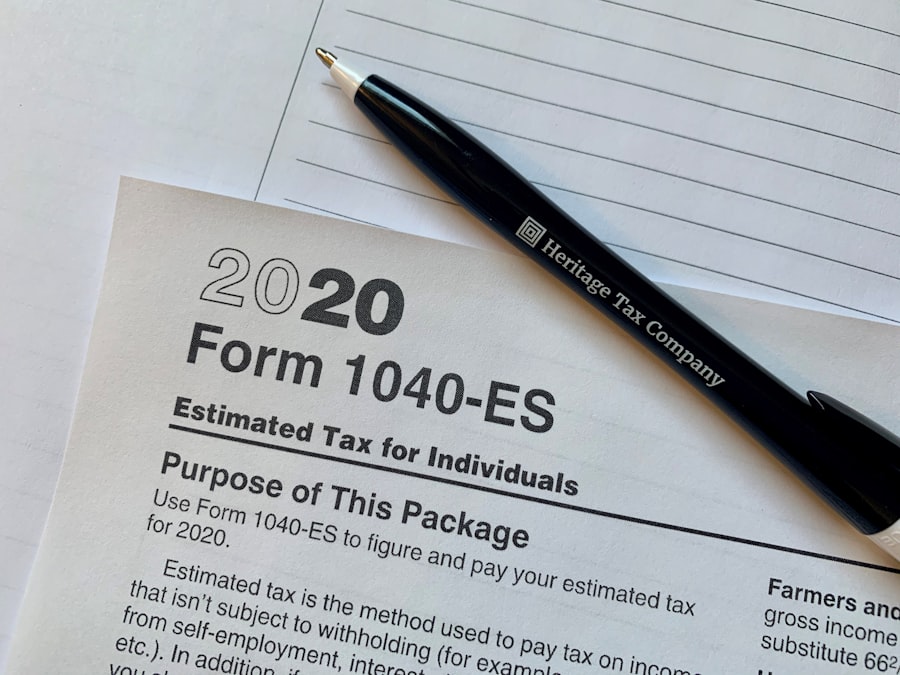
Charitable contributions not only support causes you care about but also provide valuable tax benefits. Donations made to qualified charitable organizations can be deducted from your taxable income, reducing your overall tax liability. It is essential to keep detailed records of all contributions made throughout the year, including receipts and acknowledgment letters from charities.
When planning charitable contributions, consider both cash donations and non-cash items such as clothing or household goods. The IRS allows taxpayers to deduct the fair market value of donated items, which can lead to significant savings if you have valuable items to contribute. Additionally, be aware of specific rules regarding charitable contributions, such as limits on deductions based on your AGI and requirements for substantiating non-cash donations.
Consulting with a Tax Professional
Engaging with a qualified tax professional can provide invaluable insights into optimizing your tax situation. Tax laws are complex and frequently changing; therefore, having an expert on your side can help ensure compliance while maximizing potential savings. A tax professional can assist in identifying applicable deductions and credits that you may not be aware of and provide personalized strategies tailored to your financial circumstances.
Moreover, a tax advisor can help navigate more intricate situations such as business ownership or investment income, where specialized knowledge is crucial for accurate reporting. They can also assist in preparing your return accurately and efficiently, reducing the risk of errors that could lead to audits or penalties.
Reviewing Your Filing Status
Your filing status plays a significant role in determining your tax rate and eligibility for various credits and deductions. The IRS recognizes five filing statuses: Single, Married Filing Jointly, Married Filing Separately, Head of Household, and Qualifying Widow(er). Each status has distinct implications for how much tax you owe and what benefits you may qualify for.
For instance, married couples often benefit from filing jointly due to lower tax rates and increased eligibility for certain credits. However, there are scenarios where filing separately may be advantageous, particularly if one spouse has significant medical expenses or miscellaneous deductions. Regularly reviewing your filing status ensures that you are taking full advantage of available benefits while minimizing your overall tax burden.
Checking for Errors and Omissions
Thoroughly reviewing your tax return for errors and omissions is critical before submission. Simple mistakes such as incorrect Social Security numbers or miscalculations can lead to delays in processing or even audits by the IRS. Take the time to double-check all entries against supporting documentation to ensure accuracy.
Additionally, be vigilant about ensuring that all sources of income are reported correctly. Failing to report income from side jobs or freelance work can result in penalties or interest charges if discovered by the IRS later on. Utilizing software with built-in error-checking features can also help identify potential issues before filing.
Exploring State-Specific Tax Benefits
In addition to federal taxes, state-specific regulations can significantly impact your overall tax situation. Each state has its own set of rules regarding income taxes, deductions, credits, and exemptions that may differ from federal guidelines. Familiarizing yourself with these state-specific benefits can uncover additional opportunities for savings.
For example, some states offer deductions for property taxes paid or credits for certain types of education expenses. Additionally, states may have unique incentives for businesses or individuals who invest in specific sectors such as renewable energy or technology development. Researching these opportunities can enhance your overall financial strategy while ensuring compliance with state laws.
Planning for Next Year’s Tax Return
Proactive planning for next year’s tax return is essential for maintaining financial health and minimizing liabilities. Start by setting financial goals that align with potential changes in income or expenses anticipated in the coming year. This foresight allows you to make informed decisions regarding investments, savings strategies, and spending habits.
Consider adjusting withholding amounts on your paycheck if you consistently receive large refunds or owe significant amounts at tax time.
Additionally, regularly reviewing changes in tax laws or regulations will help you stay informed about potential impacts on your future returns.
In summary, understanding your tax situation involves a multifaceted approach that includes leveraging credits and deductions, organizing financial documents effectively, utilizing tax-advantaged accounts strategically, timing income and expenses wisely, considering charitable contributions thoughtfully, consulting with professionals when necessary, reviewing filing statuses diligently, checking for errors meticulously, exploring state-specific benefits thoroughly, and planning proactively for future returns. By adopting these strategies, individuals can optimize their financial outcomes while ensuring compliance with ever-evolving tax regulations.
If you’re looking to maximize your tax refund this year, it’s essential to stay informed about various financial topics that can impact your return. One related article that might interest you is about federal holidays, which can affect your filing deadlines and financial planning. You can read more about it in this article on November’s Day Off. Understanding these holidays can help you better navigate your tax obligations and ensure you don’t miss any important dates.
FAQs
What is a tax refund?
A tax refund is the amount of money returned to a taxpayer when they have paid more income tax than they owe for a given tax year.
How do I know if I am eligible for a tax refund?
You may be eligible for a tax refund if your total tax payments, including withholding and estimated payments, exceed your actual tax liability for the year.
When can I expect to receive my tax refund?
The timing of a tax refund depends on how and when you file your tax return. Electronic filing with direct deposit typically results in faster refunds, often within 21 days, while paper returns can take longer.
How can I check the status of my tax refund?
You can check the status of your tax refund by using the official tax authority’s online refund tracking tool, such as the IRS “Where’s My Refund?” tool in the United States.
What should I do if my tax refund is delayed?
If your refund is delayed, verify that your tax return was filed correctly and check for any errors or missing information. Contact the tax authority if the delay exceeds the typical processing time.
Can I receive a tax refund if I did not work the entire year?
Yes, you can receive a tax refund if you had taxes withheld from any income earned during the year and your total tax liability is less than the amount withheld.
Are tax refunds taxable income?
Generally, tax refunds are not considered taxable income because they are a return of overpaid taxes.
What happens if I owe taxes instead of receiving a refund?
If you owe taxes, you will need to pay the amount due by the tax deadline to avoid penalties and interest. No refund will be issued in this case.
Can I choose to apply my tax refund to next year’s taxes?
Yes, many tax authorities allow taxpayers to apply all or part of their refund to the following year’s estimated taxes.
Is it possible to get a tax refund advance?
Some tax preparation services offer refund advances, which are loans based on your expected refund. These advances may have fees or interest, so it’s important to understand the terms before accepting.