Now Reading: Maximize Your Reach with FB Business Manager
-
01
Maximize Your Reach with FB Business Manager
Maximize Your Reach with FB Business Manager

Facebook Business Manager is a powerful tool designed to help businesses manage their presence on Facebook and Instagram more effectively. Launched in 2014, it provides a centralized platform for managing ad accounts, pages, and the people who work on them. This tool is particularly beneficial for companies that handle multiple pages or ad accounts, as it streamlines the process of managing these assets without the need to share personal Facebook login information.
By using Business Manager, businesses can maintain a clear separation between personal and professional activities, ensuring that sensitive information remains secure. The platform is not just about managing ads; it also offers a suite of features that enable businesses to analyze performance, collaborate with team members, and optimize their marketing strategies. With the rise of digital marketing, having a robust tool like Business Manager is essential for businesses looking to leverage social media effectively.
It allows for better organization, improved communication among team members, and enhanced targeting capabilities, all of which contribute to more successful marketing campaigns. As businesses increasingly turn to social media for customer engagement and brand promotion, understanding how to navigate Facebook Business Manager becomes crucial.
Setting Up Your Business Manager Account
Setting up a Facebook Business Manager account is a straightforward process that begins with visiting the Business Manager website. Users need to log in with their personal Facebook account, which serves as the foundation for creating a business profile. Once logged in, the user can click on the “Create Account” button and follow the prompts to enter their business name, their name, and their business email address.
This initial setup is critical as it establishes the identity of the business within the Facebook ecosystem. After creating the account, users can customize their Business Manager settings by adding additional information such as their business address and phone number. This information not only helps in establishing credibility but also aids in local targeting for ads.
Furthermore, users can set up two-factor authentication to enhance security, ensuring that only authorized personnel have access to sensitive business data. Once the account is set up, users can begin adding assets like Facebook Pages and ad accounts, which are essential for running marketing campaigns.
Adding and Managing Pages and Ad Accounts

Once the Business Manager account is established, the next step involves adding Facebook Pages and ad accounts. This process begins by navigating to the “Business Settings” section within Business Manager. Here, users can select “Pages” and then click on “Add.” They have the option to add an existing page they manage or create a new one from scratch.
This flexibility allows businesses to consolidate their online presence under one roof, making it easier to manage multiple pages without switching between different accounts. Managing ad accounts follows a similar process. Users can add existing ad accounts or create new ones tailored to specific campaigns or objectives.
Each ad account can be assigned different roles and permissions, allowing team members to collaborate effectively while maintaining control over who can access sensitive information. For instance, a business might want to give its marketing team full access to an ad account while restricting access for other employees. This level of granularity in permissions ensures that sensitive data remains protected while still enabling collaboration.
Utilizing Custom Audiences and Lookalike Audiences
| Metrics | Custom Audiences | Lookalike Audiences |
|---|---|---|
| Reach | Highly targeted to specific audience | Expands reach to similar users |
| Conversion Rate | Higher conversion rate due to targeting | Potential for higher conversion rate |
| Cost | Can be cost-effective for targeted ads | May require higher budget for broader reach |
| Engagement | Higher engagement from relevant audience | Potential for increased engagement |
One of the standout features of Facebook Business Manager is its ability to create Custom Audiences and Lookalike Audiences. Custom Audiences allow businesses to target specific groups of people based on their previous interactions with the brand. For example, a company can upload a list of email addresses from its customer database to create a Custom Audience that targets those individuals with tailored ads.
This approach not only increases the relevance of ads but also enhances conversion rates by reaching users who are already familiar with the brand. Lookalike Audiences take this concept a step further by allowing businesses to reach new potential customers who share similar characteristics with their existing customers. By analyzing data from Custom Audiences, Facebook identifies common traits such as demographics, interests, and behaviors, then finds new users who match these criteria.
This feature is particularly useful for businesses looking to expand their reach without sacrificing targeting precision. For instance, a clothing retailer could create a Lookalike Audience based on its best customers, thereby increasing the likelihood of attracting new buyers who are likely to engage with its products.
Creating and Managing Ad Campaigns
Creating and managing ad campaigns within Facebook Business Manager involves several steps that require careful planning and execution. The process begins with defining campaign objectives, which could range from brand awareness to lead generation or sales conversions. Once objectives are established, users can navigate to the “Ads Manager” section of Business Manager to create their campaigns.
Here, they can select the appropriate ad format—be it image ads, video ads, carousel ads, or collection ads—based on what best suits their marketing goals. After selecting the ad format, users must define their target audience using demographic filters such as age, gender, location, and interests. Additionally, they can set a budget and schedule for their campaigns, determining how much they are willing to spend daily or over the life of the campaign.
The ability to A/B test different ad creatives and audiences is another powerful feature within Ads Manager that allows businesses to optimize their campaigns continuously.
Analyzing Performance with Business Manager Insights

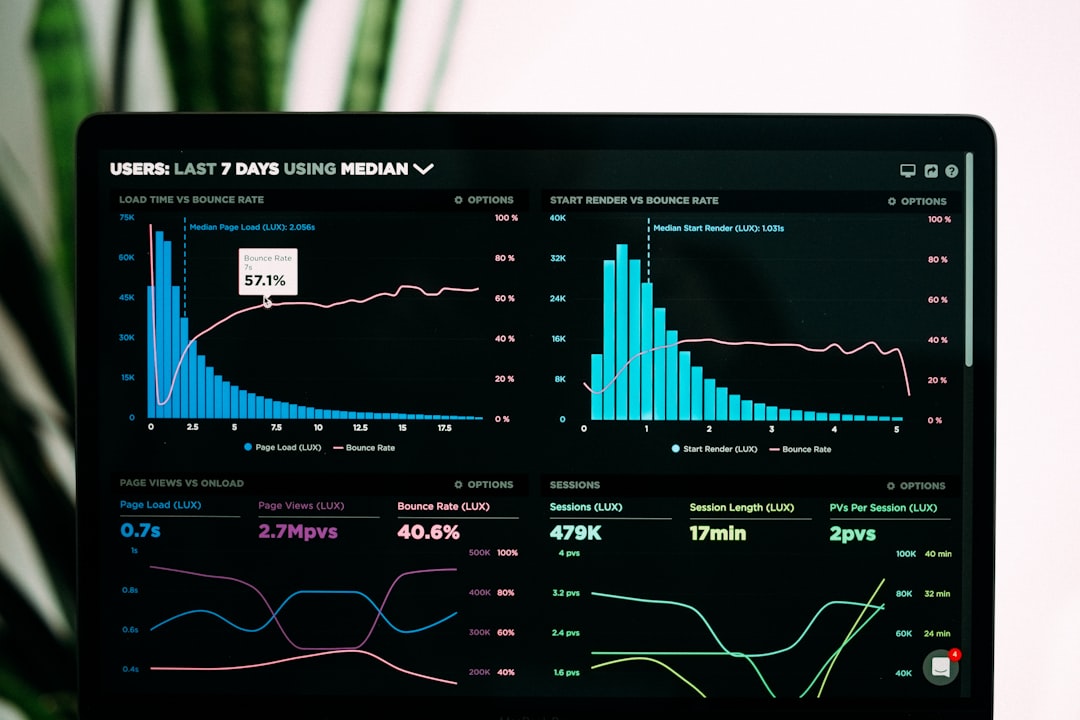
Analyzing performance is a critical component of any successful marketing strategy, and Facebook Business Manager provides robust tools for this purpose. The “Insights” section offers detailed analytics on page performance, ad performance, audience engagement, and more. Users can track key performance indicators (KPIs) such as reach, impressions, engagement rates, and conversions over time.
This data is invaluable for understanding how well campaigns are performing and where adjustments may be necessary. For instance, if a particular ad campaign shows high engagement but low conversion rates, it may indicate that while users are interested in the content, there may be issues with the landing page or call-to-action (CTA). Conversely, if an ad has low engagement but high conversion rates, it may suggest that while fewer people are clicking on the ad, those who do are highly motivated to make a purchase.
By leveraging these insights effectively, businesses can refine their strategies and allocate resources more efficiently to maximize return on investment (ROI).
Collaborating with Team Members and Agencies
Collaboration is essential in today’s fast-paced digital marketing environment, and Facebook Business Manager facilitates this through its user role management features. Businesses can invite team members or external agencies to collaborate on their pages and ad accounts by assigning specific roles such as Admin, Advertiser, or Analyst. Each role comes with different permissions that dictate what actions users can perform within Business Manager.
For example, an Admin has full control over all aspects of the account, including adding or removing users and managing payment methods. In contrast, an Advertiser can create ads but cannot change account settings or manage users. This hierarchical structure allows businesses to maintain control over sensitive information while enabling team members to contribute effectively to campaigns.
Best Practices for Maximizing Reach and Engagement
To maximize reach and engagement on Facebook and Instagram through Business Manager, businesses should adhere to several best practices. First and foremost is the importance of understanding the target audience deeply. Conducting thorough market research helps identify not only demographic information but also psychographic factors such as interests and behaviors that influence purchasing decisions.
Tailoring content specifically for these audiences increases the likelihood of engagement. Another best practice involves leveraging A/B testing for ads. By experimenting with different visuals, copy variations, and CTAs, businesses can determine what resonates best with their audience.
Regularly reviewing performance metrics allows marketers to pivot strategies quickly based on real-time data rather than relying solely on assumptions or past experiences. Moreover, maintaining an active presence on social media is crucial for fostering engagement. Regularly posting content that encourages interaction—such as polls, questions, or user-generated content—can significantly enhance community building around a brand.
Engaging with comments and messages promptly also contributes positively to customer relationships. Lastly, utilizing retargeting strategies through Custom Audiences can help re-engage users who have previously interacted with the brand but did not convert. By reminding these potential customers of products they viewed or abandoned in their shopping carts through targeted ads, businesses can effectively increase conversion rates while maximizing their advertising spend.
In conclusion, Facebook Business Manager serves as an indispensable tool for businesses aiming to harness the full potential of social media marketing. From setting up accounts to analyzing performance metrics and collaborating with teams or agencies, each aspect of Business Manager plays a vital role in creating effective marketing strategies that drive results in today’s competitive digital landscape.
FAQs
What is Facebook Business Manager?
Facebook Business Manager is a tool that allows businesses and agencies to manage their Facebook Pages, ad accounts, and other business assets in one place.
What can you do with Facebook Business Manager?
With Facebook Business Manager, you can manage multiple ad accounts, assign roles and permissions to team members, create and manage Facebook Pages, and access insights and analytics for your business assets.
How do I set up a Facebook Business Manager account?
To set up a Facebook Business Manager account, you need to have a personal Facebook account and then go to business.facebook.com to create a new Business Manager account. You will need to provide information about your business and follow the prompts to complete the setup process.
Can I use Facebook Business Manager for free?
Yes, Facebook Business Manager is a free tool provided by Facebook for businesses and agencies to manage their business assets on the platform.
What are the benefits of using Facebook Business Manager?
Some benefits of using Facebook Business Manager include centralized management of business assets, improved security and control over access to business assets, and access to advanced advertising features and insights.
Can I use Facebook Business Manager for Instagram as well?
Yes, Facebook Business Manager allows you to manage your Instagram business account and assets, including ad campaigns and analytics, in addition to your Facebook assets.