Now Reading: Managing Hypertension to Prevent Heart Failure
-
01
Managing Hypertension to Prevent Heart Failure
Managing Hypertension to Prevent Heart Failure
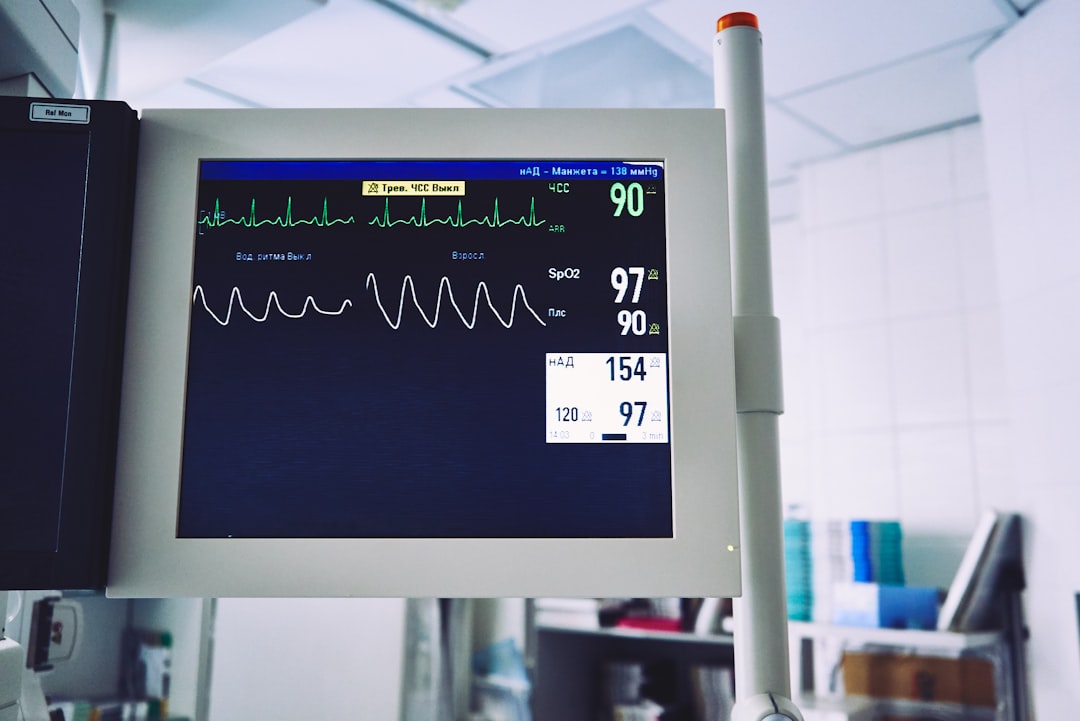
Hypertension, commonly referred to as high blood pressure, is a chronic medical condition characterized by elevated pressure in the arteries. This condition is often asymptomatic, leading many individuals to remain unaware of their elevated blood pressure levels. The American Heart Association defines hypertension as having a systolic blood pressure of 130 mm Hg or higher, or a diastolic blood pressure of 80 mm Hg or higher.
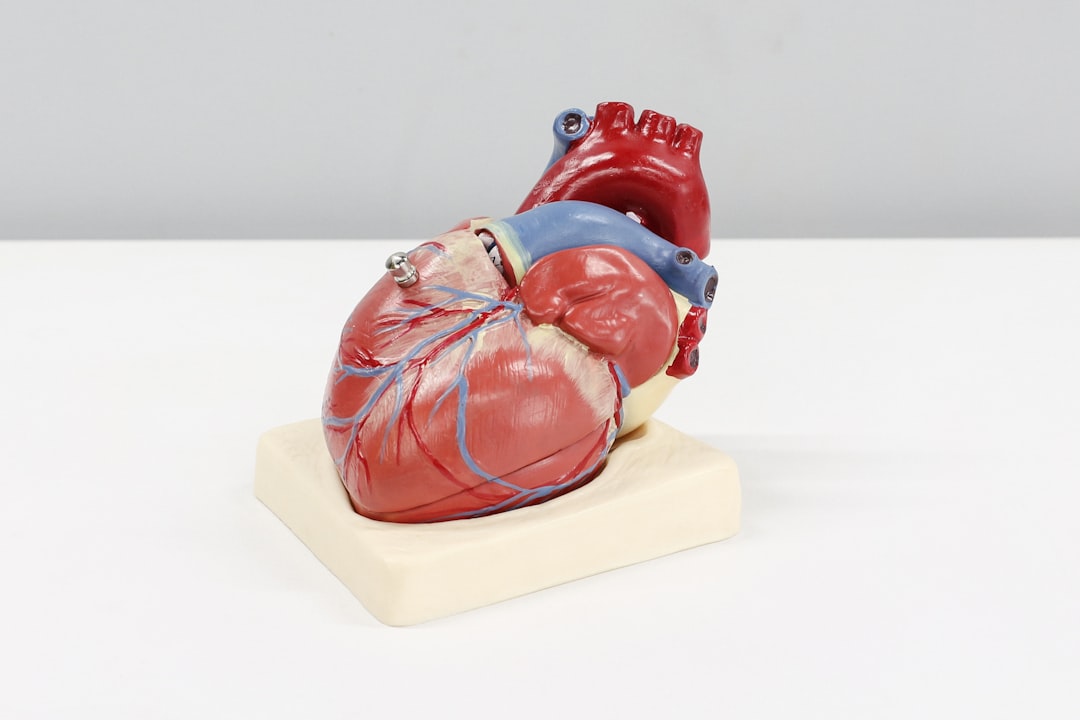
Over time, uncontrolled hypertension can lead to significant cardiovascular complications, including heart failure, a condition where the heart is unable to pump sufficient blood to meet the body’s needs. The pathophysiology of hypertension involves complex interactions between genetic predisposition, environmental factors, and lifestyle choices. Prolonged high blood pressure exerts excessive strain on the heart and blood vessels, leading to structural changes such as left ventricular hypertrophy.
This alteration in heart structure can compromise cardiac function and ultimately result in heart failure. Epidemiological studies have consistently demonstrated that individuals with hypertension are at a markedly increased risk of developing heart failure, underscoring the critical need for effective management strategies.
Key Takeaways
- Hypertension is a major risk factor for heart failure and other heart conditions
- Lifestyle changes such as regular exercise and a healthy diet can help manage hypertension
- Medication management is crucial for controlling high blood pressure and preventing heart failure
- Regular monitoring and check-ups are important for early detection and management of hypertension
- Stress management is essential for controlling hypertension and reducing the risk of heart failure
Lifestyle Changes to Manage Hypertension
Implementing lifestyle modifications is paramount in managing hypertension effectively. These changes not only help lower blood pressure but also enhance overall cardiovascular health. One of the most impactful adjustments is adopting a balanced diet rich in fruits, vegetables, whole grains, and lean proteins while minimizing sodium intake.
The DASH (Dietary Approaches to Stop Hypertension) diet has been extensively studied and shown to significantly reduce blood pressure levels. This dietary plan emphasizes potassium-rich foods such as bananas, spinach, and sweet potatoes, which can help counteract the effects of sodium. In addition to dietary changes, maintaining a healthy weight is crucial for hypertension management.
Obesity is a significant risk factor for developing high blood pressure, and even modest weight loss can lead to substantial improvements in blood pressure readings.
Furthermore, reducing alcohol consumption and quitting smoking are vital steps that can lead to better control of hypertension.
Medication Management for Hypertension
For many individuals, lifestyle changes alone may not suffice in managing hypertension effectively. In such cases, pharmacological intervention becomes necessary. A variety of antihypertensive medications are available, each with distinct mechanisms of action and potential side effects.
Common classes of antihypertensive drugs include diuretics, ACE inhibitors, angiotensin II receptor blockers (ARBs), calcium channel blockers, and beta-blockers. Diuretics, often referred to as “water pills,” help the body eliminate excess sodium and fluid, thereby reducing blood volume and lowering blood pressure. ACE inhibitors work by inhibiting the angiotensin-converting enzyme, leading to vasodilation and decreased blood pressure.
ARBs block the action of angiotensin II, a potent vasoconstrictor, while calcium channel blockers prevent calcium from entering heart and blood vessel cells, resulting in relaxed blood vessels. Beta-blockers reduce heart rate and cardiac output, contributing to lower blood pressure levels. It is essential for healthcare providers to tailor medication regimens based on individual patient profiles, considering factors such as age, comorbidities, and potential drug interactions.
Regular follow-up appointments are necessary to monitor efficacy and adjust dosages as needed.
Importance of Regular Monitoring and Check-ups
| Metrics | Importance |
|---|---|
| Early detection of health issues | High |
| Preventive care | High |
| Monitoring chronic conditions | High |
| Improving overall health | High |
Regular monitoring of blood pressure is critical for effective hypertension management. Individuals diagnosed with hypertension should have their blood pressure checked at least once every three months if their readings are stable or more frequently if they are undergoing treatment adjustments. Home monitoring devices can also empower patients to track their blood pressure readings between medical visits, providing valuable data for healthcare providers.
In addition to blood pressure monitoring, routine check-ups allow healthcare professionals to assess overall cardiovascular health and identify any potential complications early on. These visits provide an opportunity for patients to discuss any concerns regarding their treatment plan or lifestyle changes. Moreover, healthcare providers can offer education on the importance of adherence to prescribed medications and lifestyle modifications.
Dietary Recommendations for Hypertension Management
Diet plays a pivotal role in managing hypertension effectively. The DASH diet is widely recommended due to its emphasis on nutrient-dense foods that promote cardiovascular health. This dietary approach encourages the consumption of whole grains, fruits, vegetables, low-fat dairy products, lean meats, fish, nuts, and seeds while limiting saturated fats, cholesterol, and added sugars.
Sodium reduction is particularly crucial for individuals with hypertension. The American Heart Association recommends limiting sodium intake to no more than 2,300 mg per day, with an ideal target of 1,500 mg for most adults. Reading food labels and being mindful of hidden sources of sodium in processed foods can aid in achieving this goal.
Additionally, incorporating potassium-rich foods can help mitigate the effects of sodium on blood pressure. Hydration is also essential; drinking adequate amounts of water supports overall health and can aid in maintaining optimal blood pressure levels. Furthermore, moderation in alcohol consumption is advised; excessive alcohol intake can lead to elevated blood pressure levels.
The Role of Exercise in Preventing Heart Failure
Physical activity is a cornerstone of cardiovascular health and plays a significant role in preventing heart failure. Engaging in regular exercise helps lower blood pressure by improving endothelial function and promoting vasodilation. Aerobic exercises such as brisk walking, jogging, cycling, or swimming are particularly effective in enhancing cardiovascular fitness.
The American Heart Association recommends at least 150 minutes of moderate-intensity aerobic exercise per week or 75 minutes of vigorous-intensity exercise for adults. Additionally, incorporating strength training exercises at least twice a week can further enhance cardiovascular health by improving muscle mass and metabolic function. Exercise not only aids in weight management but also reduces stress levels and improves overall well-being.
It has been shown to enhance mood and reduce symptoms of anxiety and depression—factors that can contribute to hypertension if left unmanaged.
Stress Management and its Impact on Hypertension
Chronic stress is a significant contributor to elevated blood pressure levels and can exacerbate existing hypertension. The physiological response to stress involves the release of hormones such as cortisol and adrenaline, which can lead to increased heart rate and constriction of blood vessels. Therefore, effective stress management techniques are essential for individuals with hypertension.
Mindfulness practices such as meditation, yoga, and deep-breathing exercises have been shown to reduce stress levels significantly. These techniques promote relaxation and can help lower blood pressure by inducing a state of calmness. Additionally, engaging in hobbies or activities that bring joy can serve as effective stress relievers.
Cognitive-behavioral therapy (CBT) may also be beneficial for individuals struggling with chronic stress or anxiety related to their health condition. By addressing negative thought patterns and developing coping strategies, patients can better manage stressors that may contribute to elevated blood pressure.
The Dangers of Untreated Hypertension
Untreated hypertension poses significant risks to overall health and well-being. Chronic high blood pressure can lead to severe complications such as heart attack, stroke, kidney damage, vision loss, and peripheral artery disease. The silent nature of hypertension often results in delayed diagnosis until serious complications arise.
Heart failure is one of the most concerning outcomes associated with untreated hypertension. As the heart works harder to pump against elevated arterial pressure over time, it may become weakened or stiffened—leading to heart failure symptoms such as fatigue, shortness of breath, and fluid retention. Moreover, untreated hypertension increases the risk of developing other cardiovascular diseases such as coronary artery disease (CAD) and arrhythmias.
Therefore, early detection and intervention are crucial in preventing these life-threatening complications.
The Connection Between Hypertension and Other Heart Conditions
Hypertension is intricately linked with various other cardiovascular conditions that can exacerbate overall health risks. For instance, individuals with high blood pressure are at an increased risk of developing coronary artery disease (CAD), where narrowed arteries reduce blood flow to the heart muscle due to plaque buildup. Additionally, hypertension can contribute to atrial fibrillation (AFib), an irregular heartbeat that increases the risk of stroke.
The relationship between these conditions highlights the importance of comprehensive cardiovascular assessments for individuals diagnosed with hypertension. Furthermore, untreated hypertension can lead to left ventricular hypertrophy (LVH), where the heart’s left ventricle thickens due to increased workload. LVH is a significant predictor of adverse cardiovascular events and necessitates vigilant management strategies.
Support Systems for Managing Hypertension
Managing hypertension effectively often requires a robust support system that includes healthcare professionals, family members, and community resources. Healthcare providers play a pivotal role in guiding patients through their treatment journey by offering education on lifestyle modifications and medication adherence. Family support is equally important; loved ones can encourage healthy habits such as cooking nutritious meals together or participating in physical activities as a group.
Support groups or community programs focused on hypertension management can provide additional resources and foster a sense of camaraderie among individuals facing similar challenges. Utilizing technology such as mobile health applications can also enhance self-management efforts by allowing patients to track their blood pressure readings and receive reminders for medication adherence or upcoming appointments.
Seeking Professional Help for Hypertension Management
For individuals struggling with hypertension or those at risk due to family history or lifestyle factors, seeking professional help is essential for effective management. Primary care physicians or cardiologists can conduct thorough evaluations to determine appropriate treatment plans tailored to individual needs. Regular consultations allow healthcare providers to monitor progress closely and make necessary adjustments based on patient feedback or changes in health status.
Additionally, specialists such as dietitians or exercise physiologists may offer valuable insights into dietary modifications or exercise regimens that align with individual goals. In conclusion, managing hypertension requires a multifaceted approach that encompasses lifestyle changes, medication management, regular monitoring, dietary adjustments, exercise incorporation, stress management techniques, and professional support systems. By addressing these components holistically, individuals can significantly reduce their risk of developing heart failure and other cardiovascular complications associated with untreated hypertension.
Hypertension and heart failure are serious health conditions that can have a significant impact on a person’s quality of life. According to a recent article on Boogger, “Forecasting Amazon Stock Values for the Coming Year,” it is important to consider the financial implications of these health issues. High medical costs associated with managing hypertension and heart failure can put a strain on an individual’s finances, making it crucial to plan for potential expenses. By staying informed about the latest trends in the stock market, individuals can make informed decisions about their investments and ensure they have the resources to cover any unexpected healthcare costs. To read more about this topic, check out the article here.
FAQs
What is hypertension?
Hypertension, also known as high blood pressure, is a condition in which the force of the blood against the artery walls is consistently too high. This can lead to serious health complications such as heart disease, stroke, and kidney problems.
What is heart failure?
Heart failure is a chronic condition in which the heart is unable to pump enough blood to meet the body’s needs. This can lead to symptoms such as shortness of breath, fatigue, and swelling in the legs and abdomen.
How are hypertension and heart failure related?
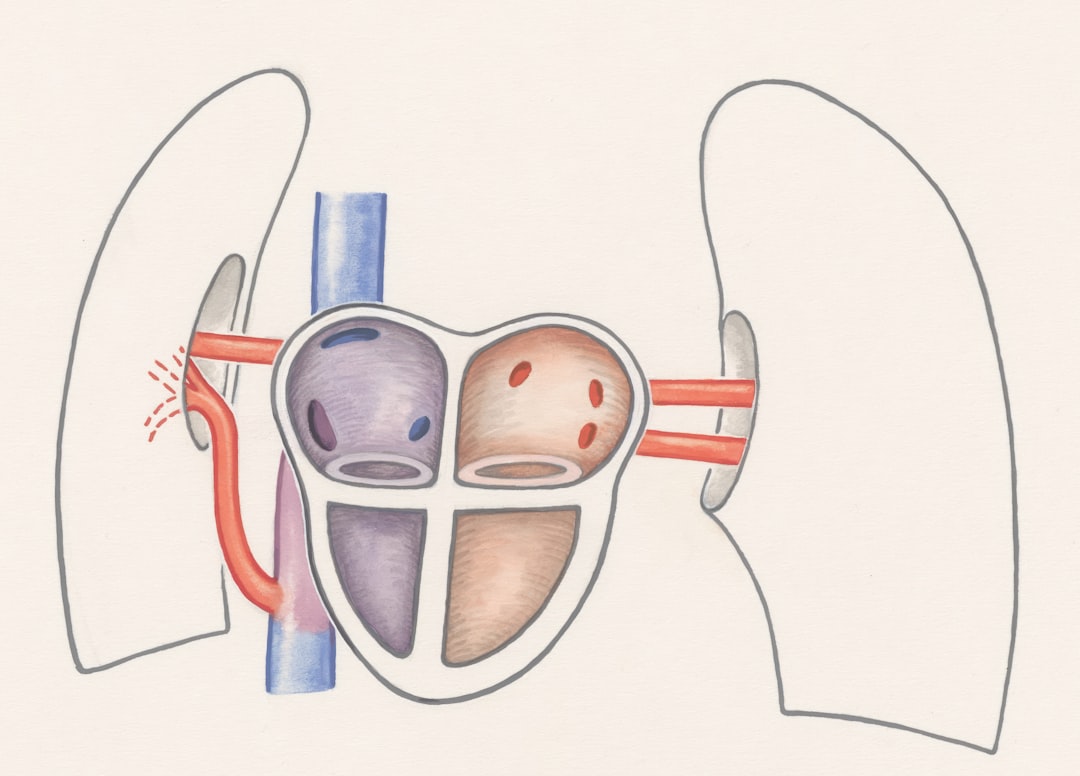
Hypertension is a major risk factor for heart failure. Over time, the increased pressure on the artery walls caused by hypertension can lead to the heart muscle becoming thick and stiff, making it harder for the heart to pump effectively and leading to heart failure.
What are the symptoms of hypertension and heart failure?
Symptoms of hypertension may include headaches, shortness of breath, and nosebleeds. Symptoms of heart failure may include shortness of breath, fatigue, and swelling in the legs and abdomen.
How are hypertension and heart failure diagnosed?
Hypertension is diagnosed through blood pressure measurements, while heart failure is diagnosed through a combination of symptoms, physical examination, and tests such as echocardiograms and blood tests.
What are the treatment options for hypertension and heart failure?
Treatment for hypertension may include lifestyle changes, such as diet and exercise, as well as medications to lower blood pressure. Treatment for heart failure may include medications to improve heart function, lifestyle changes, and in some cases, devices or surgery to help the heart pump more effectively.