Now Reading: Latest Brazil News: Political Turmoil and Economic Challenges
-
01
Latest Brazil News: Political Turmoil and Economic Challenges
Latest Brazil News: Political Turmoil and Economic Challenges

Brazil has experienced significant political upheaval in recent years, fundamentally transforming its political landscape. The 2018 election of President Jair Bolsonaro represented a decisive turn toward right-wing populism, generating strong divisions within Brazilian society. His administration has confronted significant challenges, including public demonstrations, claims of authoritarian tendencies, and a deeply divided electorate.
The COVID-19 pandemic has intensified these political tensions while exposing fundamental weaknesses in Brazil’s governance structures. Political activism has intensified across Brazil in recent months, with citizens demonstrating against economic disparities, environmental destruction, and human rights concerns. Political discourse has become increasingly polarized between Bolsonaro supporters and critics debating the nation’s future direction.
This ongoing unrest has prompted growing demands for governmental accountability and transparency, alongside calls for more inclusive political processes that better represent Brazil’s diverse population.
Key Takeaways
- Brazil is experiencing significant political turmoil marked by controversies and public protests.
- President Bolsonaro’s policies have sparked widespread backlash and intensified political divisions.
- Corruption scandals continue to undermine trust in Brazilian political institutions.
- The country faces severe economic challenges, including high inflation, unemployment, and a growing fiscal deficit.
- Efforts to address environmental issues and improve international relations are ongoing amid social and economic pressures.
President Bolsonaro’s Controversial Policies and Public Backlash
President Bolsonaro’s tenure has been marked by a series of controversial policies that have sparked significant public backlash. His approach to governance has often been characterized by a disregard for established norms and an inclination towards populist rhetoric. Key policies, such as the relaxation of gun control laws and the promotion of agribusiness at the expense of indigenous rights, have drawn sharp criticism from various sectors of society.
Environmentalists, in particular, have condemned his administration’s stance on deforestation and climate change, arguing that it undermines Brazil’s commitment to global environmental standards. The public response to Bolsonaro’s policies has been multifaceted. While his supporters laud his efforts to combat crime and stimulate economic growth, many Brazilians express concern over his handling of social issues and human rights.
Protests have erupted across the country, with demonstrators demanding accountability for government actions perceived as detrimental to democracy and social justice. The polarization of Brazilian society has intensified, leading to a climate where dialogue between opposing factions is increasingly difficult.
Corruption Scandals and Investigations Rocking Brazilian Politics

Corruption has long been a pervasive issue within Brazilian politics, and recent scandals have further eroded public trust in government institutions. High-profile investigations, such as Operation Car Wash (Operação Lava Jato), have unveiled extensive networks of bribery and corruption involving politicians, business leaders, and state-owned enterprises. These revelations have not only implicated members of Bolsonaro’s administration but have also exposed systemic flaws within Brazil’s political framework.
The ramifications of these scandals extend beyond individual accountability; they have sparked widespread calls for reform and greater transparency in governance. Citizens are demanding comprehensive measures to combat corruption, including stricter enforcement of anti-corruption laws and enhanced oversight mechanisms. The ongoing investigations serve as a reminder of the urgent need for institutional reform to restore public confidence in Brazil’s political system.
Economic Challenges Facing Brazil: Inflation, Unemployment, and Fiscal Deficit
Brazil’s economy is grappling with a myriad of challenges that threaten its stability and growth prospects. Inflation rates have surged in recent years, driven by factors such as rising commodity prices and supply chain disruptions exacerbated by the pandemic. This inflationary pressure has eroded purchasing power for many Brazilians, leading to increased hardship for low- and middle-income families.
Unemployment remains a pressing concern, with millions of Brazilians out of work or underemployed. The fiscal deficit has also widened, prompting debates over government spending priorities and the need for austerity measures. Policymakers face the daunting task of balancing economic recovery with social welfare needs, as public discontent grows over rising living costs and stagnant wages.
Impact of the COVID-19 Pandemic on Brazil’s Economy
| Date | Headline | Category | Source | Views (in thousands) |
|---|---|---|---|---|
| 2024-06-20 | Brazil’s Economy Shows Signs of Recovery in Q2 | Economy | Globo News | 150 |
| 2024-06-19 | New Environmental Policies Announced to Protect Amazon Rainforest | Environment | Folha de S.Paulo | 120 |
| 2024-06-18 | Brazilian Soccer Team Qualifies for World Cup 2026 | Sports | UOL Esporte | 200 |
| 2024-06-17 | Government Launches New Education Reform Plan | Politics | Estadão | 95 |
| 2024-06-16 | Inflation Rate in Brazil Drops to 3.5% in May | Economy | Valor Econômico | 110 |
The COVID-19 pandemic has had a profound impact on Brazil’s economy, exacerbating existing vulnerabilities and exposing structural weaknesses. The health crisis led to widespread lockdowns and restrictions that disrupted economic activity across various sectors. As a result, GDP contracted sharply in 2020, leading to significant job losses and increased poverty rates.
In response to the economic fallout, the Brazilian government implemented emergency relief measures aimed at supporting vulnerable populations and stimulating economic recovery. However, these measures have faced criticism for being insufficient and poorly targeted. As Brazil continues to navigate the aftermath of the pandemic, questions remain about the long-term implications for economic growth and social equity.
Efforts to Tackle Deforestation and Environmental Issues in Brazil
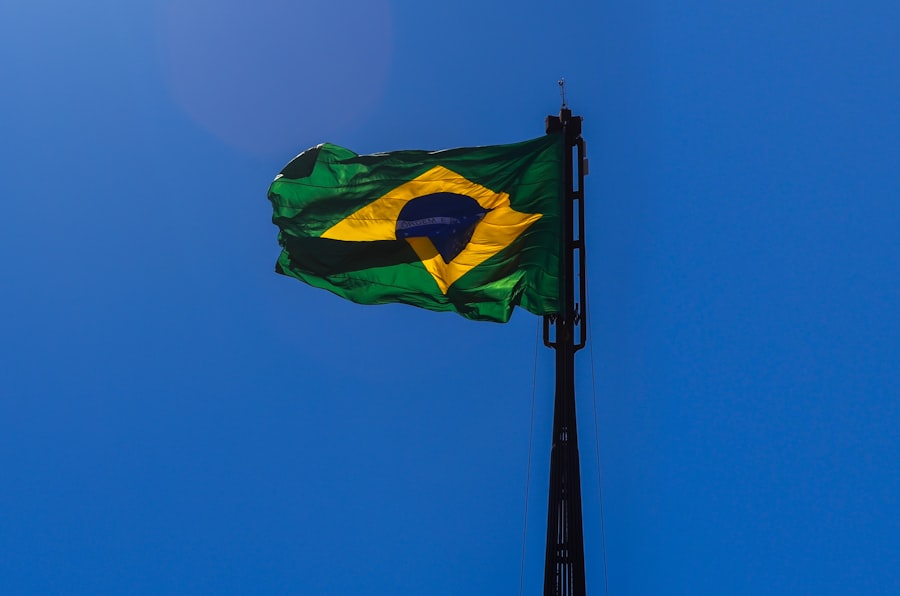
Deforestation in the Amazon rainforest has emerged as one of Brazil’s most pressing environmental challenges, drawing international scrutiny and condemnation. Under Bolsonaro’s administration, policies favoring agribusiness have led to increased deforestation rates, threatening biodiversity and contributing to climate change. Environmental activists argue that protecting the Amazon is not only crucial for global ecological health but also for the well-being of indigenous communities that depend on these ecosystems.
In response to growing concerns about environmental degradation, various initiatives have been launched to address deforestation and promote sustainable land use practices. These efforts include reforestation projects, stricter enforcement of environmental regulations, and partnerships with indigenous groups to safeguard their rights. However, achieving meaningful progress requires a concerted effort from both government and civil society to prioritize environmental protection alongside economic development.
International Relations: Brazil’s Role in Global Trade and Diplomacy
Brazil occupies a significant position in global trade and diplomacy, serving as a key player in regional and international forums. As one of the largest economies in Latin America, Brazil is a member of various multilateral organizations, including the BRICS group (comprising Brazil, Russia, India, China, and South Africa) and the Mercosur trade bloc. These affiliations provide Brazil with opportunities to engage in trade negotiations and strengthen diplomatic ties with other nations.
However, Brazil’s international standing has been challenged by its domestic policies and political controversies. The Bolsonaro administration’s approach to foreign relations has often been characterized by a shift towards alignment with right-wing governments and a distancing from traditional allies. This realignment has raised concerns about Brazil’s commitment to multilateralism and its role in addressing global challenges such as climate change and public health crises.
Social Unrest and Protests in Brazil: Demands for Change and Reform
Social unrest has become a defining feature of Brazil’s contemporary political landscape, with widespread protests reflecting deep-seated frustrations among various segments of society. Demonstrators have mobilized around issues such as police violence, racial inequality, environmental protection, and economic justice. The Black Lives Matter movement has resonated strongly in Brazil, highlighting systemic racism and advocating for social reforms.
The demands for change are not limited to specific issues; they encompass broader calls for democratic accountability and transparency in governance. Protesters are increasingly vocal about their desire for a more inclusive political process that addresses the needs of marginalized communities. As social movements gain momentum, they challenge traditional power structures and push for transformative reforms that prioritize equity and justice.
The Future of Brazil’s Economy: Forecasts and Projections
Looking ahead, Brazil’s economic outlook remains uncertain amid ongoing challenges and potential opportunities for recovery. Analysts project that while growth may rebound post-pandemic, structural issues such as high inflation rates and unemployment will continue to pose significant obstacles. The government’s ability to implement effective economic policies will be crucial in determining the trajectory of recovery.
Investment in infrastructure development, education, and innovation is essential for fostering sustainable growth in the long term. Additionally, addressing social inequalities through targeted programs can help build resilience within vulnerable communities. Policymakers must navigate these complexities while fostering an environment conducive to business investment and job creation.
Political and Economic Reforms: Government Initiatives and Public Response
In response to mounting pressures from civil society and economic challenges, the Brazilian government has initiated various reforms aimed at addressing systemic issues within politics and the economy. These initiatives include efforts to enhance transparency in public spending, streamline bureaucratic processes, and promote fiscal responsibility. Public response to these reforms has been mixed; while some citizens welcome measures aimed at combating corruption and improving governance, others express skepticism about their effectiveness.
The success of these initiatives hinges on genuine political will and sustained engagement with civil society stakeholders to ensure that reforms are inclusive and responsive to the needs of all Brazilians.
Expert Analysis and Perspectives on Brazil’s Political and Economic Landscape
Experts analyzing Brazil’s political and economic landscape emphasize the importance of addressing underlying structural issues that contribute to instability. They advocate for comprehensive reforms that prioritize social equity while fostering economic growth. Additionally, experts highlight the need for greater civic engagement to ensure that diverse voices are represented in decision-making processes.
As citizens demand accountability from their leaders, there is an opportunity for transformative change that can lead to a more equitable society. By prioritizing democratic values and sustainable development practices, Brazil can navigate its challenges while positioning itself as a leader on the global stage.
In summary, Brazil is currently navigating a complex landscape marked by political turmoil, economic challenges, environmental concerns, and social unrest. The interplay between these factors shapes public sentiment and influences policy decisions at all levels of government. As citizens demand accountability and reform from their leaders, there is potential for transformative change that prioritizes equity and sustainability in shaping Brazil’s future trajectory.
In recent news, Brazil has been making headlines with its vibrant cultural celebrations and significant holidays. One such celebration is Juneteenth, which has gained recognition as America’s newest federal holiday. This event highlights the importance of freedom and equality, resonating with Brazil’s own rich history of cultural diversity and social movements. For more insights on this topic, you can read the related article on Juneteenth here: Juneteenth: America’s Newest Federal Holiday.
FAQs
What does “notícias Brasil” mean?
“Notícias Brasil” translates to “Brazil news” in English. It refers to news and current events related to Brazil.
Where can I find reliable notícias Brasil?
Reliable sources for notícias Brasil include major Brazilian news outlets such as Globo, Folha de S.Paulo, O Estado de S. Paulo, and international news agencies that cover Brazil.
What topics are commonly covered in notícias Brasil?
Common topics include politics, economy, social issues, culture, sports, environment, and international relations involving Brazil.
Is notícias Brasil available in English?
Yes, some Brazilian news websites and international news organizations provide news about Brazil in English to reach a wider audience.
How often is notícias Brasil updated?
News about Brazil is typically updated daily, with breaking news and developments reported as they happen.
Can I access notícias Brasil for free?
Many Brazilian news websites offer free access to their articles, though some may require subscriptions for premium content.
How can I stay updated with the latest notícias Brasil?
You can stay updated by following Brazilian news websites, subscribing to newsletters, using news apps, or following social media accounts dedicated to Brazil news.