Now Reading: Joyful Sounds: Celebrating the Season with Christmas Carols
-
01
Joyful Sounds: Celebrating the Season with Christmas Carols
Joyful Sounds: Celebrating the Season with Christmas Carols

The tradition of singing Christmas carols dates back centuries, with roots that can be traced to ancient pagan celebrations. The word “carol” originally referred to a type of dance, and the songs were often sung during festive occasions, celebrating the changing seasons and the harvest. As Christianity spread across Europe, these joyous songs began to take on a new significance, incorporating themes of the Nativity and the birth of Jesus Christ.
By the Middle Ages, carols had become an integral part of Christmas celebrations, with both religious and secular songs being performed in churches and public spaces alike. During the 15th and 16th centuries, the popularity of Christmas carols surged, particularly in England. The introduction of printed music allowed for wider dissemination of these songs, making them accessible to a broader audience.
Notable figures such as Martin Luther contributed to this movement by encouraging congregational singing in the vernacular language, which helped to further popularize carols. The tradition continued to evolve, with composers like Franz Gruber and John Francis Wade creating timeless classics that are still cherished today. By the 19th century, caroling had transformed into a beloved holiday custom, with groups of singers going door-to-door to spread cheer and goodwill during the festive season.
The Meaning Behind the Lyrics
The Story of Jesus’ Birth
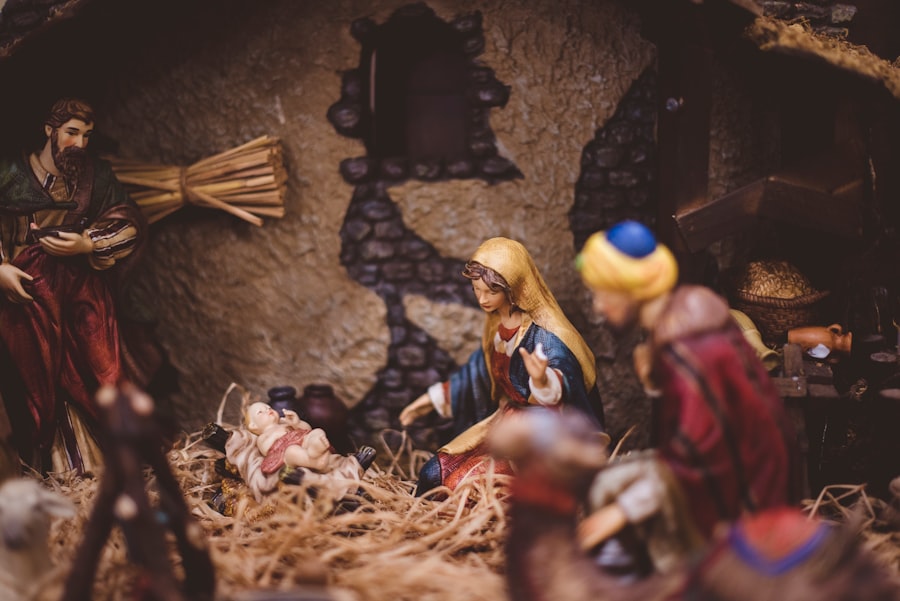
Many carols recount the story of Jesus’ birth, emphasizing themes of redemption and divine love. For instance, “O Holy Night” captures the essence of hope and salvation, inviting listeners to reflect on the significance of Christ’s arrival in a world filled with darkness.
Universal Themes of Togetherness and Joy
Beyond their religious connotations, many carols also celebrate universal themes such as family, togetherness, and goodwill toward others. Songs like “Jingle Bells” and “Deck the Halls” focus on the joy of gathering with loved ones and embracing the festive spirit.
Fostering Connections Across Boundaries
These lyrics resonate with people from various backgrounds, transcending cultural and religious boundaries. As such, Christmas carols serve not only as a means of worship but also as a way to foster connections among individuals and communities during this special time of year.
Popular Christmas Carols Around the World
Christmas carols vary widely across cultures, each reflecting unique traditions and customs. In the United States, classics like “Hark! The Herald Angels Sing” and “O Come, All Ye Faithful” are staples in holiday celebrations.
Meanwhile, in countries like Germany, “Stille Nacht” (Silent Night) holds a special place in the hearts of many, having originated in Austria in the early 19th century. The song’s gentle melody and poignant lyrics have made it a favorite around the globe. In Latin America, carols take on a vibrant flair with songs like “Feliz Navidad,” which celebrates both Christmas and cultural heritage.
This catchy tune has become synonymous with holiday cheer in many Spanish-speaking countries. In contrast, in Italy, “Tu scendi dalle stelle” (You Come Down from the Stars) is a beloved carol that beautifully captures the essence of Christmas through its poetic lyrics. Each region’s unique contributions to the repertoire of Christmas carols enriches the global celebration of this cherished holiday.
The Role of Christmas Carols in Holiday Traditions
| Christmas Carol | Origin | Popularized By | Meaning |
|---|---|---|---|
| Silent Night | Austria, 1818 | Performed by Bing Crosby | Reflects on the peace of the night when Jesus was born |
| Jingle Bells | USA, 1857 | Recorded by Frank Sinatra | Celebrates the joy of sleigh riding and winter festivities |
| O Holy Night | France, 1847 | Performed by Mariah Carey | Highlights the birth of Jesus and the redemption of humanity |
| We Wish You a Merry Christmas | England, 16th century | Popularized by The Kingston Trio | Expresses good tidings and well wishes for the holiday season |
Christmas carols play a pivotal role in shaping holiday traditions around the world. In many cultures, singing carols is a cherished activity that brings families and communities together. From church services to neighborhood gatherings, caroling fosters a sense of unity and shared joy during the festive season.
In some regions, it is customary for groups to go door-to-door singing carols, spreading cheer and goodwill while collecting donations for charitable causes. In addition to their communal aspect, carols also serve as a means of preserving cultural heritage. Many families pass down their favorite carols from generation to generation, creating lasting memories associated with holiday celebrations.
This transmission of tradition not only strengthens familial bonds but also reinforces cultural identity within communities. As people gather to sing familiar tunes, they create an atmosphere filled with nostalgia and warmth that enhances the overall spirit of Christmas.
How Christmas Carols Bring Joy and Unity
The act of singing Christmas carols has an unparalleled ability to evoke feelings of joy and unity among individuals. Whether performed in a grand concert hall or sung around a cozy fireplace at home, these melodies have a way of lifting spirits and fostering connections.
Moreover, caroling often serves as an opportunity for outreach and community service. Many groups organize events where they sing in hospitals, nursing homes, or shelters, bringing comfort and joy to those who may be feeling lonely or isolated during the holidays. This spirit of giving back is an essential aspect of the Christmas season, reminding us that the true essence of joy lies not only in receiving but also in sharing love and kindness with others.
The Evolution of Christmas Carols Through the Years
Reinterpreting Classics
As society evolves, so too do Christmas carols. While traditional hymns remain beloved staples during the holiday season, contemporary artists have begun to reinterpret these classics or create entirely new compositions that reflect modern sensibilities. This evolution has led to a diverse array of musical styles within the genre, from pop-infused renditions to soulful interpretations that resonate with younger audiences.
The Impact of Technology
The rise of technology has also played a significant role in shaping how we experience Christmas carols today.
This accessibility has allowed for cross-cultural exchanges that enrich our understanding and appreciation of different musical traditions.
A New Generation of Voices
As new generations embrace these evolving forms of expression, they contribute their unique voices to the ongoing narrative of Christmas carols.
The Impact of Christmas Carols on Culture and Society
Christmas carols have left an indelible mark on culture and society throughout history. They have inspired countless artistic expressions beyond music, influencing literature, film, and visual arts. Iconic films like “A Christmas Carol,” based on Charles Dickens’ novella, have brought classic carols to life on screen while reinforcing their themes of redemption and generosity.
Moreover, carols often serve as a reflection of societal values and changes over time. For instance, during periods of war or hardship, many new carols emerged that expressed hope for peace and healing. These songs not only provided comfort but also became rallying cries for communities seeking solace during difficult times.
As such, Christmas carols are not merely festive tunes; they are powerful narratives that capture the human experience across generations.
Celebrating the Season with Christmas Carol Performances and Events
The holiday season is marked by numerous performances and events centered around Christmas carols that bring communities together in celebration. From grand concerts featuring orchestras and choirs to intimate gatherings where friends and family sing around a piano, these events create cherished memories that last a lifetime. Many cities host annual tree-lighting ceremonies accompanied by live performances of beloved carols, drawing crowds eager to partake in the festive spirit.
In addition to traditional performances, innovative events have emerged that blend various art forms with caroling. For example, some communities organize flash mob-style performances in public spaces where singers spontaneously break into song, surprising passersby with joyful melodies. These unexpected moments not only delight audiences but also serve as reminders of the magic that can be found in everyday life during the holiday season.
In conclusion, Christmas carols are more than just songs; they are an integral part of our cultural fabric that brings joy, unity, and meaning to our holiday celebrations. From their rich history to their evolving nature in contemporary society, these melodies continue to resonate with people around the world. As we gather with loved ones to sing familiar tunes or discover new favorites each year, we participate in a timeless tradition that connects us all through shared experiences and heartfelt emotions during this special time of year.
If you’re looking for some interesting facts about Christmas carols, you should check out this article on boogger.com. It delves into the history of some popular carols and how they have evolved over time. It’s a fascinating read for anyone who loves the tradition of singing carols during the holiday season.
FAQs
What are Christmas carols?
Christmas carols are traditional songs that are sung during the Christmas season. They often have religious themes and are used to celebrate the birth of Jesus Christ.
What is the history of Christmas carols?
The tradition of singing Christmas carols dates back to the Middle Ages, when they were performed as part of the Nativity plays. Over time, the tradition spread throughout Europe and eventually to other parts of the world.
What are some popular Christmas carols?
Some popular Christmas carols include “Silent Night,” “Jingle Bells,” “O Holy Night,” “Joy to the World,” “Hark! The Herald Angels Sing,” and “Deck the Halls.”
Why are Christmas carols sung during the holiday season?
Christmas carols are sung during the holiday season to spread joy and celebrate the spirit of Christmas. They are often performed at religious services, as well as in public spaces and at private gatherings.
Are Christmas carols only religious in nature?
While many Christmas carols have religious themes, there are also secular carols that focus on the festive and joyful aspects of the holiday season. These songs often celebrate traditions such as gift-giving, winter weather, and spending time with loved ones.