Now Reading: Japan Earthquake: Devastating Impact of Zemětřesení on Japan
-
01
Japan Earthquake: Devastating Impact of Zemětřesení on Japan
Japan Earthquake: Devastating Impact of Zemětřesení on Japan
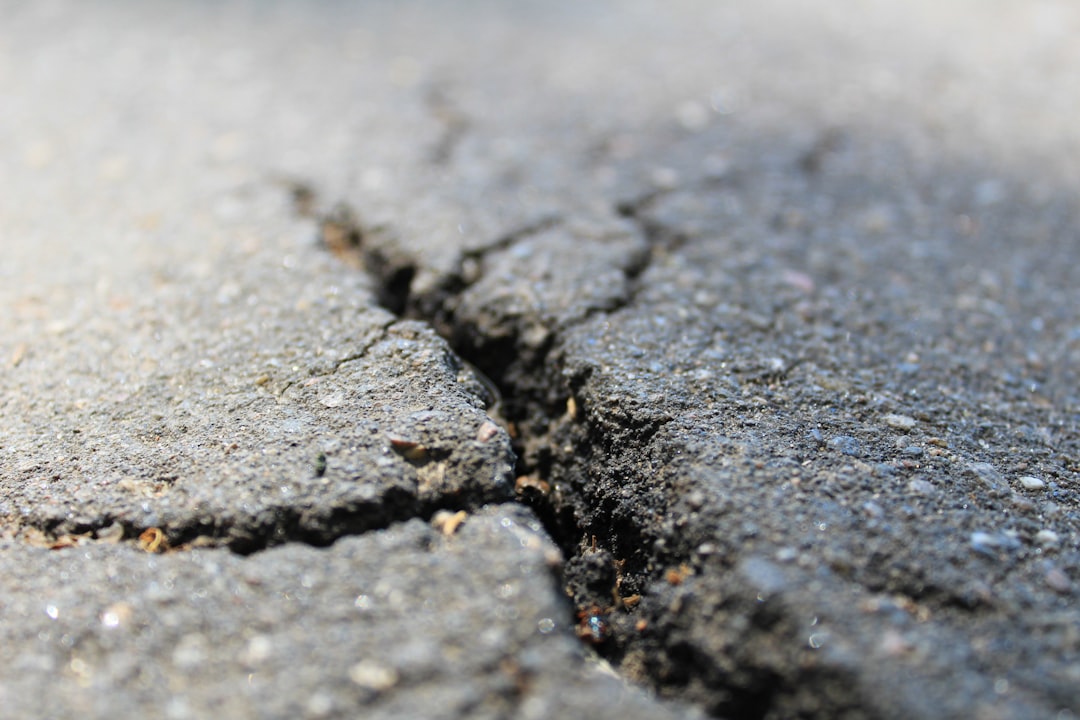
Japan is located on the Pacific Ring of Fire, a region characterized by high seismic activity due to tectonic plate movements. On March 11, 2011, a magnitude 9.0 earthquake occurred off the northeast coast of Honshu, making it the most powerful earthquake ever recorded in Japan and the fourth most powerful worldwide since modern record-keeping began in 1900. The earthquake’s epicenter was located approximately 70 kilometers east of the Oshika Peninsula.
The seismic event generated a massive tsunami with waves reaching heights of up to 40 meters in some coastal areas. The tsunami traveled inland for distances of up to 10 kilometers, affecting approximately 561 square kilometers of Japanese territory. The disaster resulted in 15,899 confirmed deaths and 2,529 missing persons, with over 6,000 people injured.
The economic impact was substantial, with the World Bank estimating damage costs between $122 billion and $235 billion. Critical infrastructure was severely damaged, including the Fukushima Daiichi Nuclear Power Plant, where three reactors experienced meltdowns following the loss of cooling systems. The event displaced approximately 470,000 people initially, with many requiring long-term relocation.
The disaster disrupted global supply chains, particularly affecting the automotive and electronics industries due to Japan’s significant role in manufacturing these products. Japan’s response demonstrated both the effectiveness of existing earthquake preparedness measures and areas requiring improvement. The country’s early warning systems, building codes, and emergency response protocols helped minimize casualties compared to what could have occurred without such preparations.
The disaster has since informed international best practices for seismic risk management and tsunami preparedness in vulnerable coastal regions worldwide.
Key Takeaways
- The Japan earthquake had a significant magnitude with a clearly identified epicenter, causing widespread damage.
- Immediate impacts included severe damage to infrastructure and a substantial economic setback.
- The disaster resulted in numerous casualties and large-scale displacement of residents.
- Both the Japanese government and international community mobilized extensive relief and support efforts.
- Long-term recovery plans focus on reconstruction, psychological support, and improved preparedness for future earthquakes.
Magnitude and Epicenter of the Earthquake
The earthquake that struck Japan on March 11, 2011, registered a magnitude of 9.0 on the moment magnitude scale, making it one of the most powerful earthquakes ever recorded. The epicenter was located approximately 70 kilometers east of Sendai, in the Pacific Ocean, at a depth of about 30 kilometers. This depth played a significant role in the intensity of the shaking experienced on land, as seismic waves traveled through the Earth’s crust and reached populated areas with devastating force.
The sheer magnitude of this earthquake was compounded by its location along the subduction zone where the Pacific Plate converges with the North American Plate. This tectonic setting is notorious for generating powerful seismic events. The energy released during this earthquake was equivalent to approximately 600 million times that of the atomic bomb dropped on Hiroshima, illustrating the immense power unleashed during this natural disaster.
The geological characteristics of the region contributed to both the immediate and long-term effects observed in Japan.
Immediate Impact on Japan’s Infrastructure and Economy
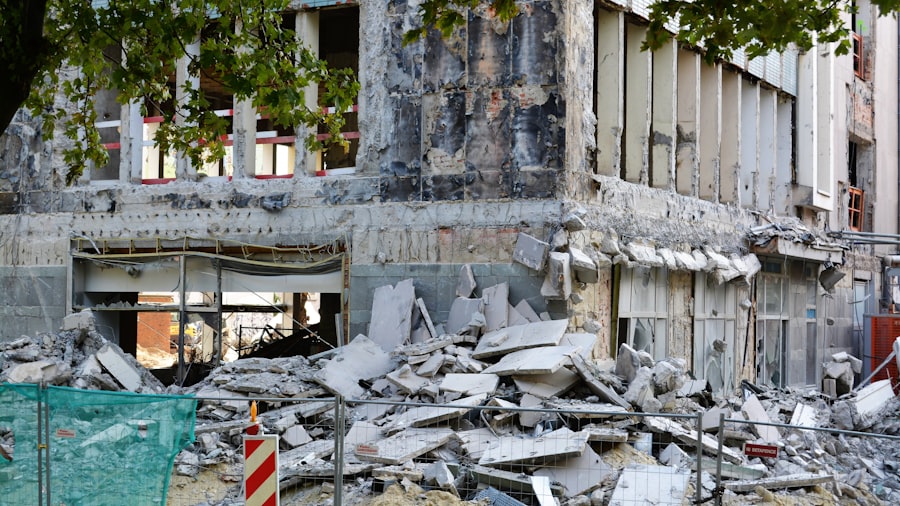
The immediate aftermath of the earthquake revealed extensive damage to Japan’s infrastructure. Buildings, bridges, and roads were severely compromised, with entire towns reduced to rubble. The transportation network faced significant disruptions, hampering rescue efforts and emergency response initiatives.
Key facilities, including hospitals and schools, were rendered inoperable, further complicating relief efforts in affected areas. Economically, the earthquake had a staggering impact on Japan’s GDP. Initial estimates suggested that damages could exceed $235 billion, making it one of the costliest natural disasters in history.
Industries such as manufacturing and agriculture faced severe setbacks due to supply chain disruptions and loss of production capacity. The Fukushima Daiichi Nuclear Power Plant disaster further exacerbated economic challenges, leading to widespread energy shortages and increased reliance on imported fossil fuels. The long-term economic ramifications continue to be felt as Japan navigates recovery and rebuilding efforts.
Human Toll: Casualties and Displacement
The human toll of the earthquake was catastrophic. Official reports indicated that over 18,500 people lost their lives, while thousands more sustained injuries ranging from minor to life-threatening. The tsunami that followed the earthquake exacerbated these figures, sweeping away entire communities and leaving countless individuals unaccounted for.
The psychological impact on survivors was profound, with many grappling with grief and trauma in the wake of such loss. Displacement became a significant issue as well, with approximately 450,000 people forced to evacuate their homes due to safety concerns and destruction. Temporary shelters were established across the country to accommodate those displaced by the disaster.
However, living conditions in these shelters were often inadequate, leading to further health complications and emotional distress among survivors. The long-term effects of displacement continue to resonate within affected communities as individuals strive to rebuild their lives.
Response and Relief Efforts by the Japanese Government
| Year | Magnitude | Location | Depth (km) | Casualties | Damage Description |
|---|---|---|---|---|---|
| 2011 | 9.0 | Tohoku, Japan | 29 | Approx. 15,899 dead | Massive tsunami, nuclear disaster at Fukushima |
| 1995 | 6.9 | Kobe, Japan | 16 | 6,434 dead | Severe urban damage, fires, infrastructure collapse |
| 2004 | 7.4 | Niigata, Japan | 15 | 68 dead | Building collapses, landslides |
| 2016 | 7.0 | Kumamoto, Japan | 12 | 50 dead | Severe damage to buildings and roads |
| 2007 | 6.8 | Chubu, Japan | 10 | 1 dead | Moderate structural damage |
In response to the disaster, the Japanese government mobilized an extensive relief effort that involved local authorities, military personnel, and various agencies. Search and rescue operations commenced immediately following the earthquake, with thousands of personnel deployed to locate survivors trapped under debris. The government also established emergency response centers to coordinate relief efforts effectively.
Financial assistance was made available to affected individuals and businesses through various programs aimed at facilitating recovery. The government allocated substantial funds for rebuilding infrastructure and restoring essential services such as water supply and electricity. Additionally, mental health support services were initiated to address the psychological needs of survivors grappling with trauma and loss.
The comprehensive approach taken by the government underscored its commitment to restoring normalcy in affected regions.
International Aid and Support for Japan
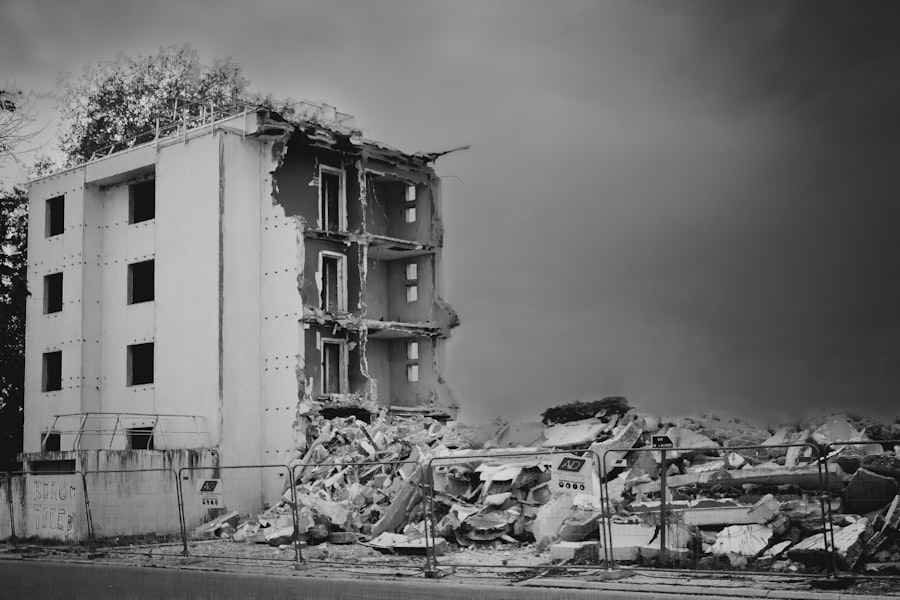
The scale of devastation prompted an outpouring of international support from governments, organizations, and individuals worldwide.
Humanitarian organizations mobilized quickly to provide food, medical care, and shelter for those affected by the disaster.
International aid played a crucial role in supplementing domestic efforts during the initial response phase. The collaboration between Japan and international partners exemplified global solidarity in times of crisis. However, challenges arose regarding coordination among various aid agencies and ensuring that assistance reached those most in need efficiently.
Lessons learned from this experience have informed future disaster response strategies on a global scale.
Environmental Impact and Concerns
The environmental consequences of the earthquake and subsequent tsunami were profound and far-reaching. Coastal ecosystems faced significant disruption due to flooding and debris accumulation. Marine life was adversely affected as pollutants from damaged industrial facilities entered waterways, raising concerns about long-term ecological damage.
The Fukushima Daiichi Nuclear Power Plant disaster introduced additional environmental challenges as radioactive materials were released into the atmosphere and ocean. Contamination concerns prompted widespread monitoring efforts to assess radiation levels in affected areas. The long-term implications for public health and environmental safety remain subjects of ongoing research and debate among scientists and policymakers.
Long-term Reconstruction and Recovery Plans
In the years following the disaster, Japan embarked on an ambitious reconstruction plan aimed at revitalizing affected regions. The government allocated over $300 billion for rebuilding infrastructure, homes, and public facilities while implementing stricter building codes to enhance resilience against future earthquakes. Community engagement became a cornerstone of recovery efforts as local residents participated in planning processes to ensure that reconstruction met their needs.
Efforts also focused on revitalizing local economies through investment in sustainable industries and job creation initiatives. The integration of advanced technology into rebuilding efforts aimed at enhancing efficiency while minimizing environmental impact became a priority. As Japan continues its recovery journey, these long-term plans reflect a commitment to not only restore what was lost but also build a more resilient future.
Psychological and Emotional Impact on Survivors
The psychological toll on survivors cannot be overstated. Many individuals experienced post-traumatic stress disorder (PTSD), anxiety, depression, and other mental health issues as they coped with loss and uncertainty about their futures. Support services were established to provide counseling and therapy for those affected by trauma; however, stigma surrounding mental health issues often hindered access to these resources.
Peer support groups facilitated sharing experiences and coping strategies among individuals who had endured similar hardships. Recognizing the importance of mental health in recovery has led to increased awareness and advocacy for comprehensive support systems in disaster-affected areas.
Lessons Learned and Preparedness for Future Earthquakes
The 2011 earthquake served as a critical learning opportunity for Japan and other nations prone to seismic activity. Enhanced preparedness measures have been implemented across various sectors, including education, infrastructure development, and emergency response planning. Schools now conduct regular earthquake drills to instill preparedness among students while communities engage in training exercises to improve coordination during disasters.
Investment in early warning systems has also increased significantly since the earthquake. These systems utilize advanced technology to detect seismic activity and provide alerts before shaking occurs, allowing individuals time to take protective measures. By prioritizing preparedness initiatives based on lessons learned from past experiences, Japan aims to mitigate risks associated with future earthquakes.
Solidarity and Resilience of the Japanese People
Throughout this challenging period, the solidarity exhibited by the Japanese people has been remarkable. Communities came together to support one another through acts of kindness, sharing resources, and providing emotional support during times of crisis. This collective resilience has been instrumental in fostering hope amid adversity.
Cultural values emphasizing perseverance and unity have played a significant role in shaping Japan’s response to disasters over time. The spirit of “ganbatte” (doing one’s best) resonates deeply within society as individuals strive to rebuild their lives while honoring those who were lost during the tragedy. This unwavering determination reflects not only a commitment to recovery but also an enduring belief in a brighter future for all.
In summary, the 2011 earthquake in Japan was a catastrophic event that reshaped lives, infrastructure, and economies across the nation. With a magnitude of 9.0 and devastating consequences including loss of life, displacement, environmental concerns, and economic challenges, it prompted extensive response efforts both domestically and internationally. As Japan continues its journey toward recovery through long-term reconstruction plans while addressing psychological impacts on survivors, it stands as a testament to resilience amid adversity—a reminder that solidarity can emerge even in our darkest moments.
In the wake of the recent zemětřesení japonsko, many are seeking to understand the broader implications of natural disasters on economies and communities. For those interested in how such events can impact various sectors, a related article discussing market trends can be found here: Understanding Amazon Stock Trends Over Time. This piece provides insights into how external factors, including natural disasters, can influence stock performance and investor behavior.
FAQs
What causes earthquakes in Japan?
Japan is located along the Pacific “Ring of Fire,” where several tectonic plates, including the Pacific Plate, Philippine Sea Plate, and Eurasian Plate, converge. The movement and interaction of these plates cause frequent seismic activity, leading to earthquakes.
How often do earthquakes occur in Japan?
Earthquakes occur very frequently in Japan, with thousands of small tremors detected each year. While most are minor and go unnoticed, significant earthquakes happen several times a decade.
What was the most powerful earthquake in Japan’s history?
The most powerful recorded earthquake in Japan was the 2011 Tōhoku earthquake, which had a magnitude of 9.0. It caused a devastating tsunami and widespread damage, including the Fukushima nuclear disaster.
How does Japan prepare for earthquakes?
Japan has strict building codes designed to withstand earthquakes, early warning systems, public education programs, and regular disaster drills. The country invests heavily in technology and infrastructure to minimize damage and casualties.
What should people do during an earthquake in Japan?
During an earthquake, people are advised to drop to the ground, take cover under sturdy furniture, and hold on until shaking stops. After the shaking, they should evacuate if necessary and follow official instructions.
Are tsunamis common after earthquakes in Japan?
Tsunamis can occur after undersea earthquakes, especially those with high magnitudes. Japan’s coastal areas are at risk, and the country has tsunami warning systems and evacuation plans in place.
Can earthquakes in Japan be predicted?
Currently, precise prediction of earthquakes is not possible. However, Japan uses early warning systems that can provide seconds to minutes of advance notice after an earthquake begins, helping people take immediate safety measures.
What impact do earthquakes have on Japan’s economy?
Earthquakes can cause significant damage to infrastructure, homes, and businesses, leading to costly repairs and economic disruption. However, Japan’s resilience and preparedness help in rapid recovery and rebuilding efforts.