Now Reading: Independence Day: Celebrating Freedom and Unity
-
01
Independence Day: Celebrating Freedom and Unity
Independence Day: Celebrating Freedom and Unity

Independence Day, celebrated annually on July 4th, marks a pivotal moment in American history—the adoption of the Declaration of Independence in 1776. This day commemorates the thirteen American colonies’ assertion of their autonomy from British rule, a decision fueled by a desire for self-governance and freedom from oppressive taxation and legislation. The roots of this celebration can be traced back to the growing discontent among colonists, who felt increasingly marginalized by the British Parliament’s decisions, which were made without their representation.
The culmination of these tensions led to the Continental Congress convening in Philadelphia, where delegates debated and ultimately voted for independence. The first official celebration of Independence Day took place in 1777, just one year after the Declaration was adopted. Fireworks lit up the night sky, and festivities included parades and speeches that honored the newly declared nation.
Over the years, the observance of this day evolved, becoming a symbol of national pride and unity. By the early 19th century, July 4th had become a federal holiday, solidifying its place in American culture as a day of reflection on the values of liberty and democracy.
Key Takeaways
- Independence Day commemorates the adoption of the Declaration of Independence on July 4, 1776, marking the birth of the United States of America.
- The Declaration of Independence was a statement adopted by the Continental Congress, declaring that the thirteen American colonies were no longer subject to British rule.
- Independence Day holds great significance as a day to celebrate freedom, democracy, and the American spirit of unity.
- Celebrations on Independence Day often include fireworks, parades, barbecues, and gatherings with family and friends.
- Independence Day is a time to reflect on the meaning of freedom and the importance of unity in the pursuit of a better future for all.
The Declaration of Independence
The Declaration of Independence is not merely a historical document; it is a profound statement of human rights and governance principles. Drafted primarily by Thomas Jefferson, this document articulates the colonies’ grievances against King George III and outlines the philosophical underpinnings of a new nation. The Declaration famously asserts that “all men are created equal” and are endowed with “unalienable Rights,” including “Life, Liberty and the pursuit of Happiness.” These words have resonated through generations, serving as a foundation for American democracy and inspiring movements for freedom worldwide.
The adoption of the Declaration on July 4, 1776, was a bold act of defiance against tyranny. It signified not only a break from British rule but also an assertion of the colonies’ right to self-determination. The document’s signing was a momentous occasion, with fifty-six delegates from various colonies putting their names to a declaration that would change the course of history.
The Declaration’s principles have been referenced in numerous historical contexts, including civil rights movements and international struggles for independence, highlighting its enduring relevance.
The Significance of Independence Day
Independence Day holds profound significance for Americans as it embodies the core values of freedom, democracy, and national identity. It serves as a reminder of the sacrifices made by those who fought for independence and the ongoing struggle to uphold these ideals. The day encourages citizens to reflect on their rights and responsibilities within a democratic society, fostering a sense of civic duty and engagement.
It is an opportunity to celebrate not only the nation’s past but also its future potential. Moreover, Independence Day acts as a unifying force that transcends regional, cultural, and political differences. It invites individuals from diverse backgrounds to come together in celebration of shared values and aspirations. The day serves as a platform for discussions about liberty and justice, prompting citizens to consider how they can contribute to the ongoing pursuit of these ideals in their communities.
Celebrating Freedom and Unity
| Event | Location | Date | Attendance |
|---|---|---|---|
| Freedom Parade | Main Street | July 4th | 10,000 |
| Unity Concert | Park Square | June 20th | 5,000 |
| Community Picnic | City Park | September 15th | 3,000 |
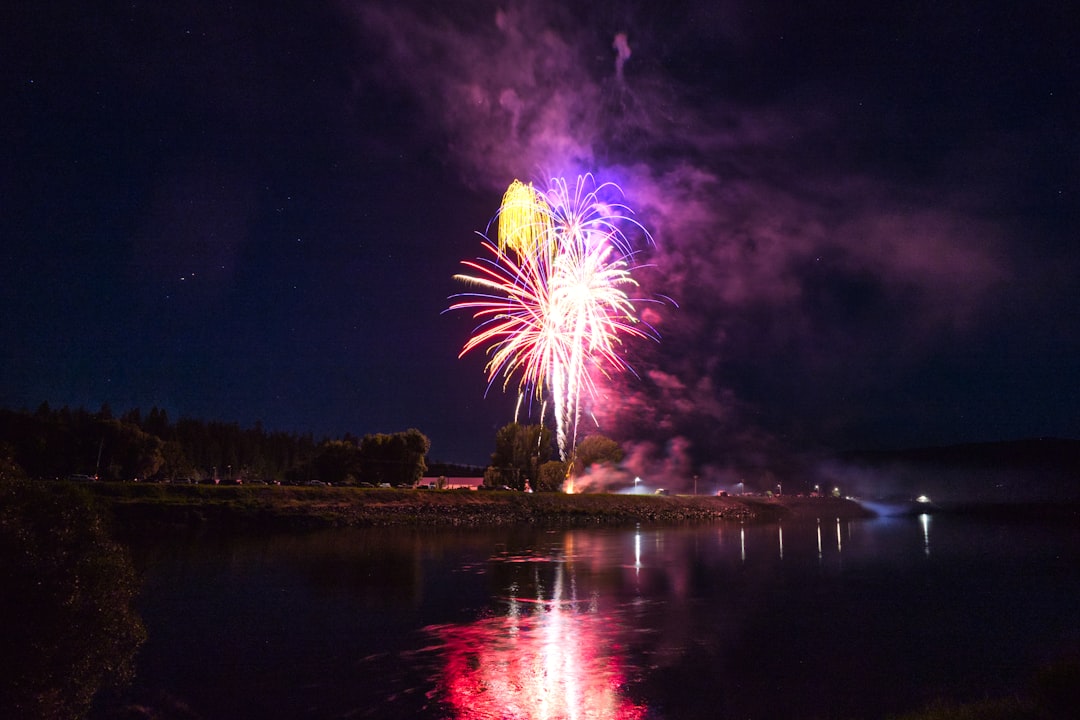
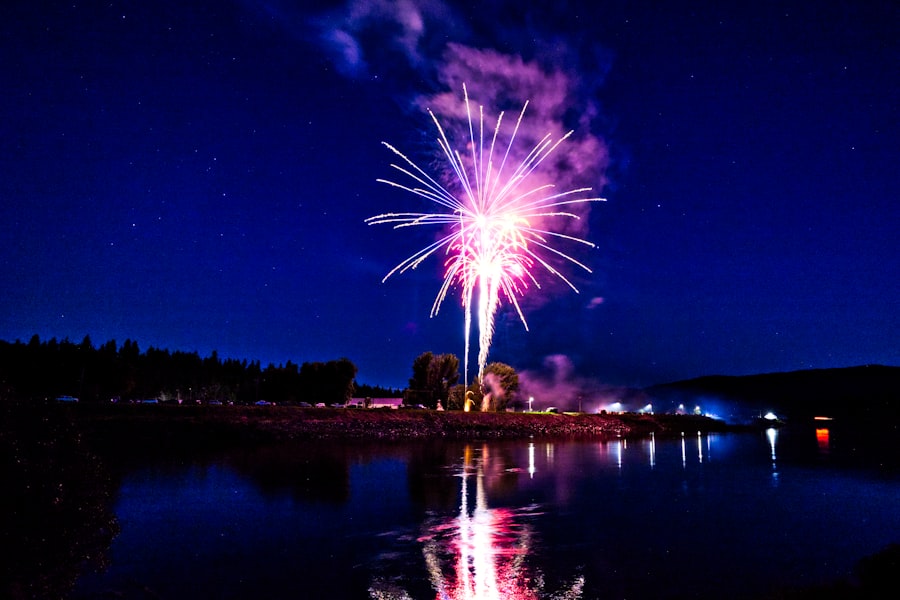
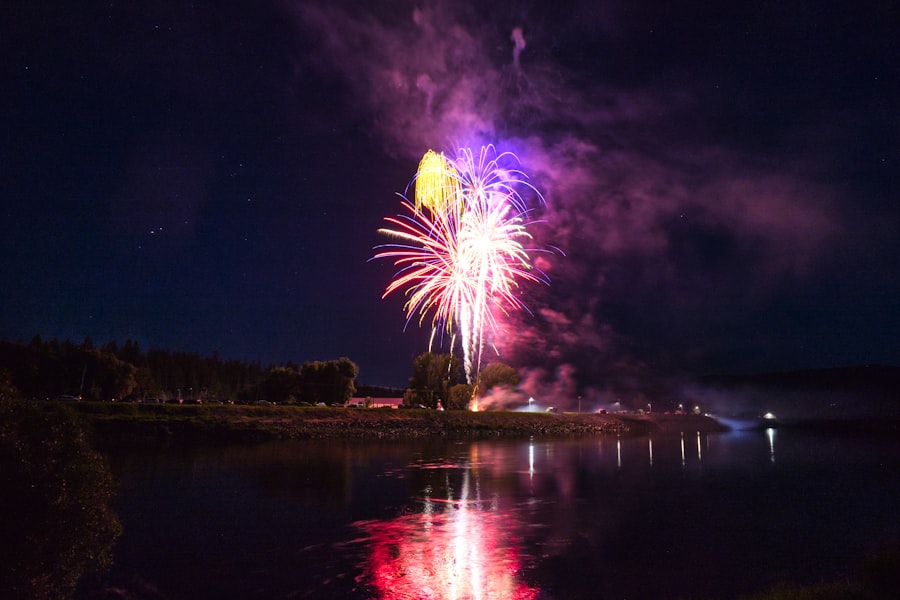
Celebrating Independence Day is an expression of patriotism that manifests in various forms across the nation. Communities organize parades featuring marching bands, floats, and local organizations that showcase their pride in American heritage. Fireworks displays illuminate the night sky, symbolizing both celebration and remembrance.
These festivities foster a sense of belonging and community spirit, reinforcing the idea that freedom is a collective achievement. In addition to public celebrations, many families observe Independence Day through personal traditions such as barbecues, picnics, and gatherings with friends. These intimate celebrations allow individuals to reflect on their own experiences with freedom while sharing stories that connect them to the larger narrative of American history.
The day serves as an opportunity to express gratitude for the liberties enjoyed today while recognizing the ongoing efforts required to maintain them.
Traditional Independence Day Activities
Independence Day is synonymous with a variety of traditional activities that have become ingrained in American culture. One of the most iconic customs is the fireworks display, which dates back to the first anniversary of independence in 1777. Fireworks symbolize joy and celebration, lighting up the sky in vibrant colors as families gather to watch.
Many cities host elaborate shows that draw large crowds, creating a festive atmosphere.
Communities across the nation organize parades featuring local organizations, veterans, and civic groups that march proudly down main streets.
These events often include patriotic music, floats adorned with red, white, and blue decorations, and performances by local artists. Additionally, many people engage in outdoor activities such as barbecuing or attending concerts that celebrate American music and culture. These traditions not only honor the nation’s history but also foster community connections.
The Meaning of Freedom
Freedom is a multifaceted concept that encompasses various dimensions—political, social, economic, and personal. At its core, freedom represents the ability to make choices without undue interference or oppression. The Declaration of Independence articulates this ideal by asserting that individuals possess inherent rights that cannot be taken away by any government or authority.
This principle has been foundational in shaping American identity and governance. However, the meaning of freedom is not static; it evolves with societal changes and challenges. In contemporary discussions, freedom often intersects with issues such as civil rights, social justice, and economic opportunity.
The ongoing struggle for equality highlights that while independence was declared over two centuries ago, the quest for true freedom remains an active pursuit for many marginalized communities. Understanding freedom’s complexities encourages citizens to engage critically with their rights and responsibilities within society.
The Importance of Unity
Unity is essential for maintaining a strong and resilient nation. Independence Day serves as a reminder that despite differences in background or belief systems, Americans share a common commitment to democratic principles and values. This day encourages individuals to come together in celebration of their shared identity as citizens of a nation founded on ideals of liberty and justice for all.
In times of division or conflict, reflecting on the significance of unity becomes even more crucial. Independence Day provides an opportunity for dialogue about how to bridge divides and work collaboratively toward common goals. By fostering understanding and cooperation among diverse groups, citizens can strengthen their communities and contribute to a more inclusive society.
Independence Day Around the World
While July 4th is uniquely significant to Americans, many countries celebrate their own independence days throughout the year. Each nation’s observance reflects its unique history and cultural heritage. For instance, Bastille Day in France commemorates the storming of the Bastille prison on July 14th, symbolizing the fight against tyranny during the French Revolution.
Similarly, India celebrates its independence from British rule on August 15th with flag-hoisting ceremonies and cultural events. These global celebrations highlight the universal desire for self-determination and freedom from oppression. They serve as reminders that while nations may differ in their histories and traditions, the pursuit of liberty is a shared aspiration among people worldwide.
Observing how other countries commemorate their independence can foster greater appreciation for one’s own national identity while promoting solidarity among nations striving for justice.
Patriotic Symbols and Traditions
Patriotic symbols play an integral role in Independence Day celebrations, serving as visual representations of national pride and identity. The American flag stands as the most prominent symbol; its red, white, and blue colors evoke feelings of unity and resilience. Displaying flags during Independence Day festivities is a common practice that reinforces citizens’ connection to their country.
Other symbols include the bald eagle—America’s national bird—representing strength and freedom, as well as various songs such as “The Star-Spangled Banner” and “America the Beautiful,” which evoke patriotic sentiments during celebrations. Traditions such as reciting the Pledge of Allegiance or singing patriotic songs during public events further enhance this sense of national pride. These symbols and traditions serve not only as reminders of America’s past but also as inspirations for future generations to uphold its values.
Honoring the Military on Independence Day
Independence Day provides an opportunity to honor those who have served in the military to protect the freedoms enjoyed by citizens today. Veterans’ contributions are recognized through various ceremonies and events held across the nation. Many communities host parades that feature veterans’ organizations prominently, allowing them to share their stories and experiences with younger generations.
Additionally, moments of silence or special tributes are often observed during public celebrations to acknowledge those who made sacrifices in defense of liberty. This recognition fosters appreciation for military service members’ dedication while reinforcing the connection between independence and national security. By honoring veterans on this day, citizens can reflect on their role in safeguarding democracy and ensuring that future generations continue to enjoy their freedoms.
Reflecting on the Values of Independence Day
As Americans celebrate Independence Day each year, it is essential to reflect on its underlying values—freedom, unity, equality, and justice. These principles are not merely historical artifacts; they remain relevant today as society grapples with contemporary challenges related to civil rights and social justice. Engaging in discussions about these values encourages citizens to consider how they can actively contribute to upholding them within their communities.
Moreover, reflecting on Independence Day’s significance prompts individuals to recognize their role in shaping democracy’s future. By participating in civic activities such as voting or community service, citizens can embody the spirit of independence while working toward a more equitable society for all. Ultimately, Independence Day serves as both a celebration of past achievements and an invitation to continue striving for progress in pursuit of liberty and justice.
From its origins in 1776 with the Declaration of Independence to contemporary celebrations across diverse communities today, this day serves as an enduring reminder of shared values that bind citizens together in pursuit of liberty for all. As individuals reflect on these ideals each year on July 4th—through festivities honoring military service members or engaging in meaningful discussions about democracy—they contribute not only to preserving history but also shaping its future trajectory toward greater inclusivity and justice for generations yet unborn.
If you’re looking to make the most of your holiday, check out this article on maximizing your Monday holiday. It offers tips and ideas on how to fully enjoy your day off. And if you’re already thinking ahead to future holidays, you might be interested in this article on federal holidays in 2024. It’s always good to have something to look forward to, even if it’s a few years away.
FAQs
What is Independence Day?
Independence Day is a national holiday in many countries, commemorating the anniversary of the country’s independence or statehood.
When is Independence Day celebrated?
The date of Independence Day varies from country to country. For example, in the United States, Independence Day is celebrated on July 4th, while in India, it is celebrated on August 15th.
How is Independence Day celebrated?
Independence Day is typically celebrated with various festivities, including parades, fireworks, concerts, and other public events. It is also a time for reflection on the country’s history and the struggles for independence.
Why is Independence Day important?
Independence Day is important because it marks the freedom and sovereignty of a nation. It is a time to honor the sacrifices made by those who fought for independence and to celebrate the country’s achievements and progress.
What are some common traditions associated with Independence Day?
Common traditions associated with Independence Day include flag-raising ceremonies, patriotic speeches, singing national anthems, and displaying national symbols such as flags and other patriotic decorations. In some countries, it is also a time for family gatherings and picnics.