
Now Reading: Independence Day: Celebrating Cuatro de Julio
-
01
Independence Day: Celebrating Cuatro de Julio
Independence Day: Celebrating Cuatro de Julio

Cuatro de Julio, or the Fourth of July, marks a pivotal moment in American history, commemorating the adoption of the Declaration of Independence on July 4, 1776. This document, primarily authored by Thomas Jefferson, proclaimed the thirteen American colonies’ separation from British rule. The Continental Congress officially adopted the Declaration in Philadelphia, Pennsylvania, a city that would become synonymous with the birth of American democracy.
The historical significance of this day is underscored by the fact that it not only symbolizes the colonies’ quest for autonomy but also embodies the ideals of liberty and justice that continue to resonate in contemporary society. The first official celebration of Cuatro de Julio took place in 1777, just one year after the Declaration was signed. Festivities included fireworks, parades, and public readings of the Declaration itself.
Over the years, these celebrations evolved, reflecting the changing social and political landscape of the nation. By the 19th century, Cuatro de Julio had become a national holiday, with various states adopting it as a day of remembrance and festivity. The historical roots of this day are deeply intertwined with the American identity, serving as a reminder of the sacrifices made for freedom and the ongoing struggle for equality.
Key Takeaways
- Cuatro de Julio, or Independence Day, commemorates the adoption of the Declaration of Independence on July 4, 1776.
- Independence Day holds great significance in the United States as it marks the country’s freedom from British rule and the birth of American democracy.
- Across the country, Cuatro de Julio is celebrated with parades, barbecues, concerts, and fireworks displays, bringing communities together in patriotic spirit.
- Fireworks play a central role in Independence Day celebrations, symbolizing the rockets and bombs used in the Revolutionary War.
- Traditional foods and drinks for Cuatro de Julio include hot dogs, hamburgers, apple pie, and lemonade, reflecting American culinary traditions.
The Significance of Independence Day in the United States
Independence Day holds profound significance in the United States, representing not only a historical event but also a celebration of American values. It serves as a reminder of the principles enshrined in the Declaration of Independence: life, liberty, and the pursuit of happiness. These ideals have shaped the nation’s ethos and continue to inspire citizens to advocate for their rights and freedoms.
Cuatro de Julio is a day when Americans reflect on their shared history and the ongoing journey toward a more perfect union. Moreover, Cuatro de Julio fosters a sense of national unity and pride. It is a day when citizens from diverse backgrounds come together to celebrate their common heritage.
The holiday transcends regional differences, allowing individuals to express their patriotism through various forms of celebration. From small-town parades to grand fireworks displays in major cities, Cuatro de Julio serves as a unifying force that reinforces the collective identity of Americans as a nation committed to freedom and democracy.
How Cuatro de Julio is Celebrated Across the Country

Celebrations of Cuatro de Julio vary widely across the United States, reflecting regional customs and traditions. In many towns and cities, parades are a central feature of the festivities. These parades often include floats, marching bands, and community groups showcasing their pride and creativity.
Local organizations frequently participate, highlighting the unique character of each community. In larger cities like New York and Los Angeles, parades can attract thousands of spectators, transforming streets into vibrant displays of patriotism. In addition to parades, public gatherings and concerts are common during Cuatro de Julio celebrations.
Many communities host events featuring live music, food vendors, and family-friendly activities. Parks and public spaces become gathering spots for families and friends to enjoy picnics and barbecues while celebrating their nation’s independence. The sense of camaraderie during these events fosters connections among attendees, reinforcing community bonds and shared values.
The Role of Fireworks in Independence Day Celebrations
| Country | Amount Spent on Fireworks | Number of Firework-Related Injuries | Environmental Impact |
|---|---|---|---|
| United States | 1 billion | 12,900 | Air and noise pollution |
| Canada | 100 million | 1,200 | Wildlife disturbance |
| Australia | 200 million | 2,500 | Water pollution |
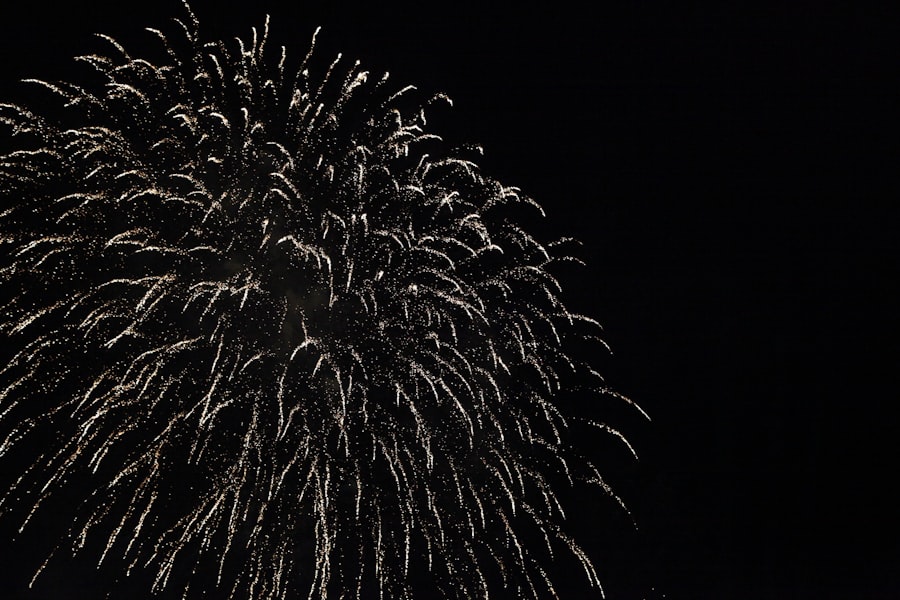
Fireworks have become synonymous with Cuatro de Julio celebrations, symbolizing both joy and patriotism. The tradition of using fireworks dates back to the first anniversary of Independence Day in 1777 when they were employed to enhance public festivities. Today, elaborate firework displays are organized in cities across the nation, drawing large crowds eager to witness the spectacle.
These displays often feature intricate designs and vibrant colors that light up the night sky, creating a sense of wonder and excitement. The use of fireworks on Cuatro de Julio serves multiple purposes beyond mere entertainment. They evoke feelings of nostalgia and connection to history while also providing an opportunity for communities to come together in celebration.
However, safety concerns surrounding fireworks have led to increased regulations in many areas. Communities are encouraged to attend organized displays rather than using personal fireworks to minimize risks associated with accidents or injuries.
Traditional Foods and Drinks for Cuatro de Julio
Culinary traditions play an essential role in Cuatro de Julio celebrations, with many families preparing classic American dishes that reflect regional flavors. Barbecues are particularly popular during this holiday, with grilled meats such as hamburgers, hot dogs, and ribs taking center stage. Accompanying side dishes often include coleslaw, potato salad, corn on the cob, and baked beans—each contributing to a festive atmosphere filled with delicious aromas.
In addition to savory dishes, desserts also hold a special place in Cuatro de Julio celebrations. Red, white, and blue-themed treats such as berry pies, flag cakes adorned with strawberries and blueberries, and ice cream sundaes are commonly enjoyed. Refreshing beverages like lemonade, iced tea, and beer are popular choices for quenching thirst during summer festivities.
These culinary delights not only satisfy appetites but also enhance the overall experience of celebrating independence.
The Importance of Patriotic Symbols on Independence Day
Patriotic symbols play a crucial role in Cuatro de Julio celebrations, serving as visual representations of American identity and values. The American flag is perhaps the most prominent symbol associated with Independence Day. Displayed prominently during parades, gatherings, and fireworks shows, Old Glory evokes feelings of pride and unity among citizens.
Many people adorn their homes with flags or wear clothing featuring patriotic colors—red, white, and blue—to express their allegiance to the nation. Other symbols associated with Cuatro de Julio include the bald eagle—the national bird—and various historical figures such as George Washington and Thomas Jefferson. These symbols remind citizens of their shared heritage and the sacrifices made by those who fought for freedom.
Incorporating these elements into celebrations reinforces a sense of belonging and encourages individuals to reflect on their responsibilities as citizens in upholding democratic values.
Family Activities and Events on Cuatro de Julio
Cuatro de Julio is an occasion for families to come together and engage in various activities that foster bonding and create lasting memories. Many families participate in outdoor activities such as picnics at local parks or backyard barbecues where they can enjoy good food while celebrating their nation’s independence.
In addition to outdoor activities, many families take part in community events such as concerts or festivals that feature live music and entertainment. Fireworks displays often serve as a grand finale to these events, providing an opportunity for families to gather under the stars while marveling at colorful explosions lighting up the sky. These shared experiences strengthen familial ties while instilling a sense of pride in American heritage.
The Impact of Cuatro de Julio on American Culture
Cuatro de Julio has significantly influenced American culture over time by shaping national identity and fostering a sense of belonging among citizens. The holiday serves as an annual reminder of the values that underpin American society—freedom, equality, and democracy—encouraging individuals to reflect on their roles within this framework. As such, it has become an integral part of cultural expression through art, music, literature, and film.
Moreover, Cuatro de Julio celebrations often highlight diversity within American culture by showcasing various traditions from different communities across the nation. This inclusivity enriches the holiday experience while promoting understanding among diverse populations. As Americans come together to celebrate their shared history on this day each year, they contribute to an evolving narrative that embraces both unity and diversity.
The Evolution of Independence Day Celebrations Over Time
The way Cuatro de Julio is celebrated has evolved significantly since its inception in 1776. Initially marked by solemn observances such as public readings of the Declaration of Independence or church services honoring freedom fighters, celebrations gradually transformed into more festive occasions featuring parades and fireworks displays by the late 18th century. As America grew into a more diverse nation throughout the 19th century—marked by waves of immigration—celebrations began incorporating various cultural elements that reflected this diversity.
In recent decades, Cuatro de Julio has continued to adapt to contemporary society’s changing values and preferences. While traditional elements remain integral—such as fireworks shows or barbecues—new trends have emerged that emphasize sustainability or community engagement through volunteerism during this holiday season. This evolution reflects broader societal shifts while maintaining core principles associated with independence.
The Connection Between Cuatro de Julio and American Freedom
Cuatro de Julio serves as a powerful reminder of America’s ongoing struggle for freedom—a theme deeply embedded within its history since its founding days. The Declaration of Independence articulated aspirations for liberty not only from British rule but also for future generations seeking justice against oppression or inequality. As such, this holiday encourages citizens to reflect on their responsibilities toward safeguarding these ideals today.
Moreover, Cuatro de Julio inspires activism among individuals advocating for social change or civil rights movements throughout history—from abolitionists fighting against slavery to contemporary efforts addressing systemic injustices faced by marginalized communities today. By commemorating this day each year through celebration while acknowledging past struggles for freedom—Americans reaffirm their commitment toward building an inclusive society where everyone can thrive.
How Different States and Cities Celebrate Independence Day
Celebrations for Cuatro de Julio vary widely across states and cities throughout America—each bringing unique flavors reflective of local customs or traditions into their festivities. For instance, Boston hosts one of the oldest celebrations featuring historical reenactments alongside concerts at iconic venues like the Hatch Shell along Charles River Esplanade—a nod toward its rich revolutionary history. In contrast, cities like San Diego embrace coastal charm by organizing beach parties complete with sandcastle competitions alongside traditional fireworks displays over picturesque waterfronts—creating an atmosphere filled with excitement amidst stunning scenery!
Meanwhile smaller towns often opt for quaint parades showcasing local talent while fostering community spirit through shared experiences among residents. In summary, Cuatro de Julio stands as a testament to America’s enduring spirit—a celebration steeped in history yet continually evolving over time! From its origins rooted in independence struggles through modern-day festivities reflecting diverse cultures—this holiday unites citizens across generations while inspiring them toward collective action for justice!
If you’re interested in learning more about the significance of federal holidays, you may want to check out this article on Juneteenth 2024: Celebrating the New Federal Holiday. It discusses the importance of recognizing historical events and their impact on society. Just like how Cuatro de Julio commemorates the independence of the United States, Juneteenth marks the end of slavery in America. Understanding the history behind these holidays can provide valuable insights into our nation’s past and present.
FAQs
What is Cuatro de Julio?
Cuatro de Julio, also known as the Fourth of July, is the Independence Day of the United States. It is a federal holiday commemorating the adoption of the Declaration of Independence on July 4, 1776.
How is Cuatro de Julio celebrated?
Cuatro de Julio is celebrated with various festivities including fireworks, parades, barbecues, carnivals, fairs, concerts, baseball games, family reunions, and political speeches and ceremonies.
What is the significance of Cuatro de Julio?
Cuatro de Julio is significant as it marks the day when the United States declared its independence from Great Britain, leading to the formation of a new nation based on principles of liberty and democracy.
Why are fireworks a big part of Cuatro de Julio celebrations?
Fireworks are a big part of Cuatro de Julio celebrations because they symbolize the rockets and bombs used during the American Revolutionary War. They are also a way for people to express their joy and celebrate the holiday.
Are there any traditional foods associated with Cuatro de Julio?
Yes, traditional foods associated with Cuatro de Julio include barbecued meats, hot dogs, hamburgers, potato salad, corn on the cob, apple pie, and ice cream. These foods are often enjoyed at picnics and outdoor gatherings.


