Now Reading: French Celebrate Bastille Day: A National Holiday
-
01
French Celebrate Bastille Day: A National Holiday
French Celebrate Bastille Day: A National Holiday
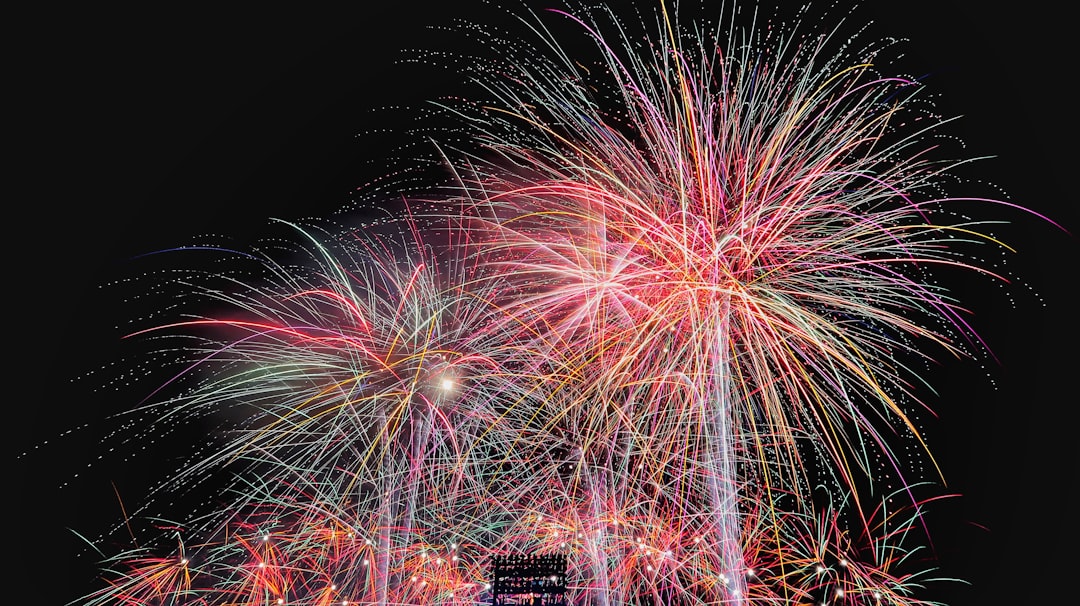
Bastille Day, celebrated on July 14th each year, marks a pivotal moment in French history—the storming of the Bastille prison in 1789. This event is often regarded as the spark that ignited the French Revolution, a period characterized by radical social and political upheaval. The Bastille, a fortress in Paris, was seen as a symbol of the tyranny of the Bourbon monarchy.
On that fateful day, revolutionaries stormed the prison, seeking to liberate political prisoners and seize arms to defend their cause. The fall of the Bastille became a powerful emblem of the fight against oppression and the quest for liberty, equality, and fraternity. The significance of this event extends beyond its immediate impact; it represents the collective desire for change among the French populace.
The storming of the Bastille was not merely an act of rebellion but a declaration of the people’s will to challenge an unjust regime. Following this event, France underwent a series of transformations, leading to the establishment of a republic and the eventual rise of Napoleon Bonaparte. Over time, July 14th evolved into a national holiday, symbolizing the birth of modern France and its enduring values of democracy and human rights.
Traditions and Customs of Bastille Day
Bastille Day is steeped in rich traditions and customs that reflect the spirit of the French Revolution. One of the most notable customs is the gathering of citizens for communal celebrations, which often include parades, concerts, and fireworks. The day begins with a military parade on the Champs-Élysées in Paris, showcasing France’s armed forces and their commitment to protecting the nation.
In addition to the military parade, many towns and cities across France host their own local festivities. These celebrations often feature music, dancing, and communal meals, fostering a sense of unity among participants.
Traditional songs such as “La Marseillaise,” the national anthem, are sung with pride, reinforcing national identity and solidarity. Fireworks light up the night sky in many regions, creating a festive atmosphere that brings communities together in joyous celebration.
The Significance of Bastille Day in French Culture

Bastille Day holds profound significance in French culture as it embodies the values that are central to the French identity: liberty, equality, and fraternity. These principles emerged from the revolutionary ideals that sought to dismantle feudal structures and promote social justice. The holiday serves as a reminder of the struggles endured by previous generations in their quest for these ideals, encouraging contemporary citizens to reflect on their own responsibilities in upholding them.
Moreover, Bastille Day is a celebration of national pride and unity. It transcends regional differences and brings together people from diverse backgrounds to commemorate their shared history. The day fosters a sense of belonging among citizens, reinforcing their connection to one another and to their nation.
In this way, Bastille Day is not just a historical event; it is a living expression of French culture that continues to evolve while remaining rooted in its revolutionary past.
How Bastille Day is Celebrated Across France
| City | Celebration | Activities |
|---|---|---|
| Paris | Fireworks at Eiffel Tower | Parades, concerts, and parties |
| Nice | Fireworks on Promenade des Anglais | Beach parties and concerts |
| Marseille | Fireworks at Old Port | Traditional dances and feasts |
| Lyon | Light shows and concerts | Street performances and food festivals |
While Paris is often seen as the epicenter of Bastille Day celebrations, festivities occur throughout France, each region adding its unique flavor to the national holiday. In smaller towns and villages, local traditions come to life with parades featuring floats, music bands, and community groups showcasing their heritage. These events often include traditional dances and performances that highlight regional customs, allowing residents to celebrate their local identity while participating in a national event.
In addition to parades, many communities organize picnics and barbecues where families and friends gather to enjoy traditional French cuisine. These communal meals foster camaraderie and create an atmosphere of festivity. In coastal areas, beach parties may take place, complete with music and dancing under the stars.
Regardless of location, the essence of Bastille Day remains consistent: it is a time for people to come together in celebration of their shared history and values.
Bastille Day Parades and Fireworks
The military parade on the Champs-Élysées is undoubtedly one of the most iconic aspects of Bastille Day celebrations. This grand spectacle features troops from various branches of the French armed forces marching down one of the most famous avenues in the world. The parade showcases not only military might but also serves as a tribute to those who have served and continue to serve in defense of France.
Spectators line the streets to witness this impressive display, which includes flyovers by fighter jets that paint the sky in blue, white, and red—the colors of the French flag. As night falls, fireworks illuminate the sky across France, creating a magical atmosphere that captivates audiences young and old. In Paris, the fireworks display at the Eiffel Tower is particularly breathtaking, drawing thousands who gather along the Seine River to watch the colorful explosions light up the night sky.
This visual spectacle symbolizes hope and joy, encapsulating the spirit of celebration that defines Bastille Day.
Bastille Day Festivities in Paris
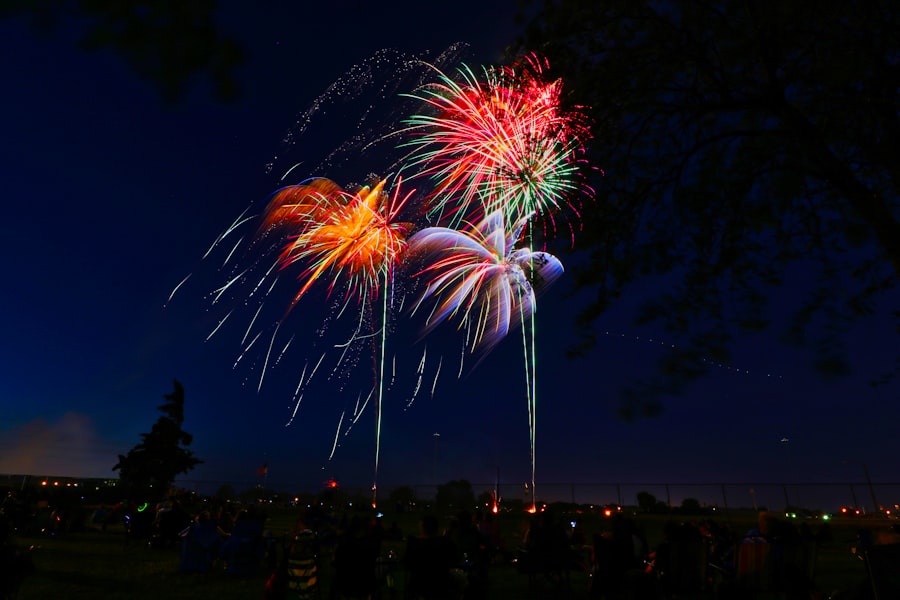
In Paris, Bastille Day transforms the city into a vibrant hub of activity and celebration. Beyond the military parade and fireworks, numerous events take place throughout the day. Street fairs pop up across neighborhoods, offering food stalls featuring traditional French delicacies such as crepes, baguettes, and cheeses.
Musicians perform on street corners, filling the air with lively tunes that invite passersby to dance and join in the festivities. The atmosphere in Paris on July 14th is electric; locals and tourists alike come together to celebrate. Many people dress in red, white, and blue attire or don berets as a nod to their national pride.
The city’s landmarks become focal points for gatherings—people flock to parks like Champ de Mars or Place de la Bastille to enjoy picnics with friends and family while soaking in the festive ambiance. As night descends, Parisians gather along the Seine River for an unforgettable view of fireworks cascading over iconic monuments.
Bastille Day Food and Drink
Food plays an integral role in Bastille Day celebrations, with many families preparing special meals to mark the occasion. Traditional French dishes take center stage during this festive time; from coq au vin to ratatouille, these culinary delights reflect France’s rich gastronomic heritage. Picnics are particularly popular on this day, with people packing baskets filled with baguettes, cheeses, charcuterie, and fresh fruits to enjoy in parks or at home with loved ones.
In addition to savory dishes, sweet treats are also abundant during Bastille Day festivities. Pastries such as éclairs and macarons are often enjoyed alongside glasses of sparkling wine or champagne as people toast to freedom and unity. The act of sharing food brings communities together and enhances the celebratory spirit that defines this national holiday.
Bastille Day Around the World
While Bastille Day is primarily associated with France, its influence has spread globally as French expatriates and communities around the world commemorate this significant day. In cities with large French populations—such as New York City, Sydney, and Montreal—festivities mirror those in France with parades, concerts, and fireworks displays that celebrate French culture. These international celebrations often include cultural exhibitions showcasing French art, music, and cuisine.
Local French restaurants may offer special menus featuring traditional dishes while bakeries prepare themed pastries for patrons to enjoy.
In conclusion, Bastille Day is more than just a historical commemoration; it is a vibrant celebration of French identity that resonates deeply within both France and around the world.
From its origins rooted in revolution to its modern-day festivities filled with joy and unity, this national holiday continues to inspire generations to uphold the values of liberty, equality, and fraternity that define what it means to be French.
In celebration of Bastille Day, a national holiday in France commemorating the French Revolution, many people gather for parades, fireworks, and other festivities. This year, amidst the ongoing pandemic, the celebrations may look a bit different. However, there are still ways to honor the holiday while staying safe. For tips on how to celebrate Bastille Day during COVID-19, check out this helpful article on boogger.com.
FAQs
What is Bastille Day?
Bastille Day, also known as French National Day, is a holiday celebrated on July 14th each year. It commemorates the storming of the Bastille prison in 1789, a key event in the French Revolution.
How is Bastille Day celebrated?
Bastille Day is celebrated with various events and activities, including fireworks, parades, parties, and concerts. It is a day for people to come together and celebrate French culture and history.
Is Bastille Day a public holiday in France?
Yes, Bastille Day is a public holiday in France. It is a day off for the general population, and schools and most businesses are closed.
What are some traditional foods and drinks associated with Bastille Day?
Traditional foods and drinks associated with Bastille Day include French wine, champagne, cheese, baguettes, croissants, and various French pastries and desserts.
Are there any specific symbols associated with Bastille Day?
The French flag, also known as the tricolor, is a prominent symbol associated with Bastille Day. The national motto of France, “Liberté, égalité, fraternité” (liberty, equality, fraternity), is also closely associated with the holiday.