Now Reading: Federal Holiday 2022: What to Expect
-
01
Federal Holiday 2022: What to Expect
Federal Holiday 2022: What to Expect

Federal holidays in the United States serve as significant markers on the calendar, providing citizens with opportunities to celebrate, reflect, and spend time with loved ones. In 2022, these holidays took on a unique significance as the nation continued to navigate the complexities of a post-pandemic world. Each federal holiday not only honors historical events and figures but also offers a chance for communities to come together, fostering a sense of unity and shared purpose.
As we delve into the specifics of federal holidays in 2022, it is essential to understand their cultural and social implications, as well as the changes that shaped how they were observed. The year 2022 was marked by a renewed enthusiasm for in-person gatherings and celebrations, as many Americans sought to reconnect after extended periods of isolation. Federal holidays provided a structured framework for these reunions, allowing families and friends to come together in celebration of shared values and traditions.
From Memorial Day to Thanksgiving, each holiday presented an opportunity for reflection on the past while looking forward to the future. The significance of these holidays was amplified by the collective experiences of the previous years, making them even more meaningful for individuals and communities alike.
Changes in Federal Holiday 2022
In 2022, several notable changes influenced the observance of federal holidays across the United States. One of the most significant shifts was the growing emphasis on inclusivity and representation in holiday celebrations. As society becomes increasingly aware of diverse cultural narratives, there has been a push to recognize and honor a broader spectrum of histories and contributions.
This shift was evident in how certain holidays were celebrated, with communities taking steps to incorporate diverse perspectives into their observances. Additionally, the impact of ongoing public health considerations continued to shape how federal holidays were experienced. While many Americans were eager to return to pre-pandemic traditions, caution remained a priority for some.
This led to a mix of virtual and in-person events, with many organizations opting for hybrid models that allowed for greater participation while still prioritizing safety. The adaptability shown by communities in 2022 highlighted a resilience that has emerged from the challenges faced in recent years, demonstrating a commitment to celebrating federal holidays while being mindful of public health.
Travel Expectations for Federal Holiday 2022

Travel during federal holidays has always been a hallmark of American culture, with millions taking to the roads and skies to visit family and friends. In 2022, travel expectations were notably high as people sought to reunite after long periods apart. Airlines and transportation services braced for an influx of travelers, anticipating that many would take advantage of the extended weekends provided by federal holidays.
This surge in travel was fueled by a pent-up desire for connection and adventure, as individuals looked to make up for lost time. However, with increased travel came challenges. The industry faced staffing shortages and logistical hurdles that could impact travel plans.
Travelers were encouraged to book flights and accommodations well in advance, as demand surged during peak holiday periods. Additionally, travelers were advised to remain flexible with their plans, as weather conditions and other unforeseen circumstances could lead to delays or cancellations. Despite these challenges, the overall sentiment surrounding travel during federal holidays in 2022 was one of optimism and excitement, as families prepared to create new memories together.
Events and Celebrations for Federal Holiday 2022
| Federal Holiday | Date | Events and Celebrations |
|---|---|---|
| New Year’s Day | January 1 | Fireworks, parties, parades |
| Memorial Day | May 30 | Memorial ceremonies, barbecues, parades |
| Independence Day | July 4 | Fireworks, concerts, picnics |
| Labor Day | September 5 | Parades, picnics, outdoor activities |
| Thanksgiving Day | November 24 | Family gatherings, feasts, parades |
| Christmas Day | December 25 | Gift exchanges, decorations, religious services |
Federal holidays in 2022 were marked by a vibrant array of events and celebrations that reflected the diverse tapestry of American culture.
For instance, Independence Day saw cities across the nation hosting grand fireworks displays, while local communities organized parades featuring floats, music, and performances that honored American history and culture.
Moreover, many organizations took the initiative to create inclusive events that celebrated various cultural heritages. For example, Juneteenth, which commemorates the emancipation of enslaved African Americans, saw an increase in public awareness and celebration through educational events, art exhibitions, and community gatherings. These celebrations not only honored historical milestones but also fostered dialogue about ongoing social issues, encouraging participants to reflect on progress made and work still needed.
Retail and Sales for Federal Holiday 2022
Federal holidays have long been associated with retail sales and promotions, providing consumers with opportunities to take advantage of discounts and special offers.
Major sales events coincided with holidays such as Memorial Day, Labor Day, and Black Friday, drawing in crowds eager to find deals on everything from clothing to electronics.
The rise of e-commerce also transformed how consumers approached holiday shopping in 2022. Many people opted for online shopping due to its convenience and accessibility, leading retailers to enhance their digital platforms and offer exclusive online deals. This shift not only catered to changing consumer preferences but also allowed businesses to reach a broader audience beyond their local markets.
As a result, federal holidays became not just moments of celebration but also significant economic drivers for many industries.
Government Closures for Federal Holiday 2022

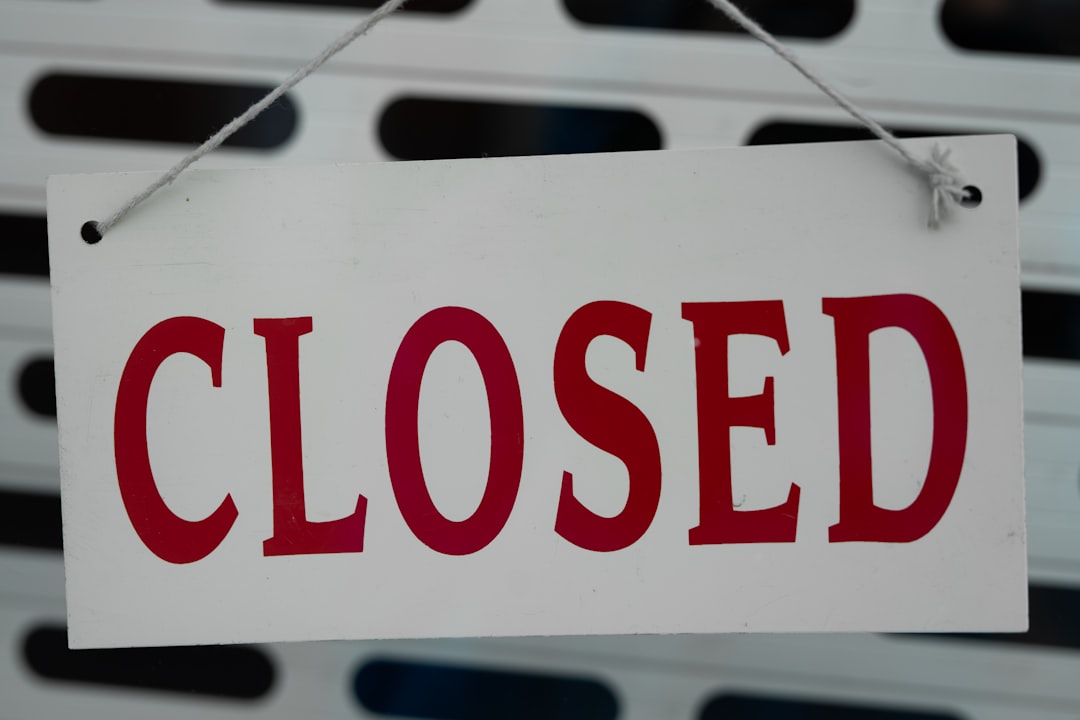
Federal holidays typically result in government closures across various sectors, impacting services and operations nationwide. In 2022, federal offices observed standard closures on designated holidays such as New Year’s Day, Independence Day, and Thanksgiving. These closures provided government employees with time off to celebrate with their families or engage in community activities.
However, it is important to note that while federal offices closed their doors on these holidays, essential services such as law enforcement, emergency response teams, and healthcare facilities remained operational. This ensured that critical services continued uninterrupted even during holiday observances. The balance between providing time off for government employees while maintaining essential services reflects the complexities involved in managing public sector operations during federal holidays.
Safety and Security Measures for Federal Holiday 2022
As federal holidays often involve large gatherings and public celebrations, safety and security measures were paramount in 2022. Local authorities implemented various strategies to ensure the well-being of participants during events such as parades, concerts, and fireworks displays. Increased police presence at major gatherings aimed to deter potential threats while providing reassurance to attendees.
In addition to law enforcement efforts, public health guidelines continued to play a role in shaping safety protocols during holiday celebrations. Many organizers encouraged attendees to follow recommended health practices such as wearing masks in crowded areas or maintaining social distancing where feasible. These measures reflected a commitment to prioritizing public health while still allowing individuals to enjoy the festivities associated with federal holidays.
Conclusion and Recommendations for Federal Holiday 2022
In conclusion, federal holidays in 2022 served as vital touchpoints for reflection, celebration, and community engagement across the United States. The changes observed during this year highlighted an evolving understanding of inclusivity and representation within holiday observances while also addressing ongoing public health considerations. As families traveled to reunite and communities organized events that celebrated diverse cultural narratives, it became clear that these holidays held profound significance in fostering connections among individuals.
Looking ahead, it is essential for communities and organizations to continue embracing inclusivity in their holiday celebrations while remaining adaptable to changing circumstances. Encouraging participation from diverse groups can enrich the experience for all involved while fostering understanding and appreciation for different cultural heritages. Additionally, prioritizing safety measures will ensure that everyone can enjoy these celebrations without compromising their well-being.
As we reflect on the lessons learned from federal holidays in 2022, it is crucial to carry forward the spirit of unity and resilience that emerged during this time. By doing so, we can create meaningful experiences that honor our shared history while paving the way for a more inclusive future.
If you’re looking for more information on federal holidays in 2022, you may want to check out this article on boogger.com. This website provides a comprehensive list of all federal holidays in the upcoming year, including dates and descriptions of each holiday. It’s a great resource for planning your time off and staying informed about important dates throughout the year.
FAQs
What is Federal Holiday 2022?
Federal Holiday 2022 refers to the list of holidays recognized by the United States government for the year 2022. These holidays are observed by federal employees and often also recognized as public holidays nationwide.
What are the Federal Holidays in 2022?
The federal holidays in 2022 include New Year’s Day (January 1), Martin Luther King Jr. Day (January 17), Washington’s Birthday (February 21), Memorial Day (May 30), Independence Day (July 4), Labor Day (September 5), Columbus Day (October 10), Veterans Day (November 11), Thanksgiving Day (November 24), and Christmas Day (December 25).
Do all states observe Federal Holidays?
While federal holidays are recognized nationwide, it is up to individual states to decide whether to observe these holidays. Most states do observe federal holidays, but there may be variations in terms of additional holidays or specific observance practices.
Do Federal Holidays apply to private sector employees?
Federal holidays are typically observed by federal government employees, but whether private sector employees receive these holidays off is determined by their employer’s policies. Some private sector employers may choose to observe federal holidays, while others may not.
Are Federal Holidays paid holidays?
For federal employees, federal holidays are typically paid holidays. However, for private sector employees, whether federal holidays are paid depends on the employer’s policies and the terms of the employee’s contract or agreement.