Now Reading: FBI Agents Kneeling in Solidarity
-
01
FBI Agents Kneeling in Solidarity
FBI Agents Kneeling in Solidarity

Kneeling has become a significant form of symbolic protest in contemporary society, particularly in movements addressing racial inequality and police violence. The gesture gained widespread attention when NFL quarterback Colin Kaepernick began kneeling during the national anthem before games in 2016 to protest police brutality against Black Americans. This action sparked national debate and was subsequently adopted by other athletes and activists.
The practice of kneeling as protest draws on the gesture’s traditional associations with reverence, submission, and solemn reflection, while recontextualizing these meanings to highlight social injustices. In protest contexts, kneeling serves multiple communicative functions: it demonstrates respect for victims of violence, creates a visible form of dissent, and provides a non-violent method of expressing opposition to systemic problems. Research indicates that symbolic protests like kneeling can effectively raise public awareness of social issues and generate political discourse.
Studies of protest movements show that symbolic actions often serve as catalysts for broader conversations about policy reform and social change, though their effectiveness in producing concrete outcomes varies depending on factors such as media coverage, public reception, and institutional responses.
Key Takeaways
- Kneeling has a long history as a powerful symbolic act of protest against injustice.
- The Black Lives Matter movement has significantly influenced law enforcement practices and public perceptions.
- FBI agents face complex challenges balancing their roles with expressions of solidarity like kneeling.
- Public and law enforcement reactions to kneeling in solidarity are deeply divided and controversial.
- The future of kneeling in law enforcement hinges on ongoing dialogue about social justice and unity.
The History of Kneeling as a Form of Protest
The historical roots of kneeling as a form of protest can be traced back to various cultural and religious practices. In many traditions, kneeling is associated with prayer, supplication, and reverence. However, it has also been utilized as a means of dissent against oppressive systems.
One notable example is the 1960s civil rights movement in the United States, where activists employed kneeling as a gesture of humility and resistance in their fight for equality. In more recent history, the act gained international attention when NFL player Colin Kaepernick began kneeling during the national anthem in 2016 to protest police brutality and racial injustice. This act sparked widespread debate and controversy, igniting discussions about patriotism, freedom of expression, and the role of athletes in social activism.
Kaepernick’s decision to kneel became emblematic of a broader movement advocating for racial equality and justice, inspiring countless individuals to join the cause.
The Role of FBI Agents in Law Enforcement
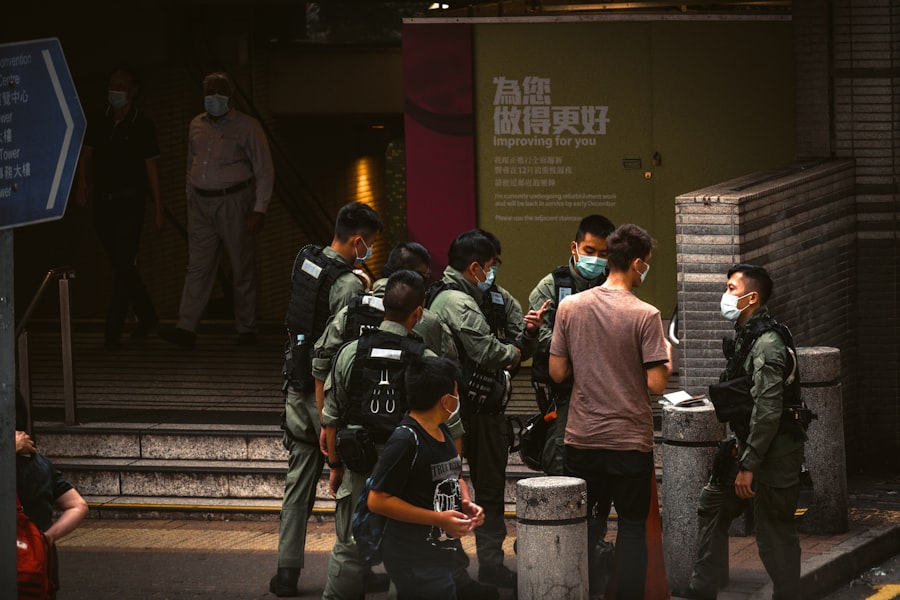
FBI agents play a crucial role in the landscape of law enforcement in the United States. As federal law enforcement officers, they are tasked with investigating a wide array of criminal activities, including terrorism, cybercrime, organized crime, and civil rights violations. The FBI operates under the jurisdiction of the Department of Justice and is responsible for upholding federal laws while ensuring national security.
Agents undergo rigorous training at the FBI Academy in Quantico, Virginia, where they acquire essential skills in investigative techniques, firearms proficiency, and legal knowledge. Their work often involves collaboration with local and state law enforcement agencies to address complex criminal cases that cross jurisdictional boundaries. The FBI’s commitment to upholding justice extends beyond mere enforcement; agents are also involved in community outreach initiatives aimed at fostering trust and cooperation between law enforcement and the communities they serve.
The Impact of the Black Lives Matter Movement on Law Enforcement
The Black Lives Matter (BLM) movement has significantly influenced public discourse surrounding law enforcement practices and accountability. Founded in 2013 in response to the acquittal of George Zimmerman in the shooting death of Trayvon Martin, BLM has grown into a global movement advocating for racial justice and an end to police violence against Black individuals. The movement has brought attention to systemic issues within law enforcement, prompting calls for reform and greater transparency.
As BLM gained momentum, it catalyzed discussions about police practices, including the use of force and racial profiling. Protests organized by BLM have highlighted instances of police brutality, leading to increased scrutiny of law enforcement agencies across the nation. In response to public outcry, many police departments have begun implementing reforms aimed at improving community relations and addressing concerns about racial bias within their ranks.
The Controversy Surrounding Kneeling in Solidarity
| Metric | Data | Details |
|---|---|---|
| Number of FBI Agents Kneeling | Approximately 20 | Reported during a protest event in 2020 |
| Date of Event | June 2020 | Following George Floyd’s death |
| Location | Washington, D.C. | Outside the FBI Headquarters |
| Purpose | Solidarity with Black Lives Matter | Protest against racial injustice and police brutality |
| Official FBI Statement | Condemned violence, supported peaceful protest | Emphasized commitment to justice and equality |
The act of kneeling in solidarity has sparked considerable controversy, particularly within the context of law enforcement. While many view it as a powerful gesture of support for marginalized communities, others perceive it as disrespectful or unpatriotic. This divide often reflects broader societal tensions regarding race relations and perceptions of authority.
Critics argue that kneeling during national anthems undermines the sacrifices made by military personnel and disrespects national symbols. Conversely, proponents assert that kneeling is not an affront to patriotism but rather an expression of love for one’s country—a call for it to live up to its ideals of justice and equality for all citizens. This ongoing debate underscores the complexities surrounding expressions of dissent and solidarity within a diverse society.
The Response from the FBI Leadership

In light of the growing prominence of kneeling as a form of protest, FBI leadership has sought to navigate the delicate balance between supporting agents’ rights to express their beliefs while maintaining the integrity of the agency. In 2020, following widespread protests against police brutality, FBI Director Christopher Wray acknowledged the importance of addressing systemic racism within law enforcement. Wray emphasized that the FBI is committed to fostering an inclusive environment that respects diverse perspectives while upholding the rule of law.
The agency has implemented training programs focused on implicit bias and community engagement to enhance understanding between law enforcement officers and the communities they serve. By promoting dialogue around these issues, FBI leadership aims to create a culture that values both accountability and empathy.
The Reactions from the Public and Law Enforcement Community
Public reactions to kneeling in solidarity have been mixed, reflecting a spectrum of opinions on social justice issues. Many community members have expressed support for law enforcement officers who choose to kneel as a demonstration of solidarity with marginalized groups. These individuals view such actions as essential steps toward healing divisions between police forces and communities affected by systemic racism.
Conversely, some members within law enforcement have voiced concerns about potential backlash from colleagues or community members who may perceive kneeling as an endorsement of anti-police sentiment. This tension highlights the challenges faced by officers who wish to advocate for social justice while remaining committed to their roles as law enforcement professionals. Ultimately, these reactions underscore the need for ongoing dialogue about race relations and policing practices.
The Importance of Solidarity and Unity in Law Enforcement
Solidarity within law enforcement is paramount for fostering trust between officers and the communities they serve. When law enforcement agencies demonstrate unity in addressing social justice issues, they can build stronger relationships with community members who may feel marginalized or disenfranchised. This sense of solidarity can lead to improved communication, collaboration, and ultimately more effective policing.
Moreover, unity among law enforcement personnel can enhance morale within agencies by creating an environment where officers feel supported in their efforts to promote justice and equity. By standing together in solidarity—whether through kneeling or other forms of expression—law enforcement professionals can send a powerful message that they are committed to serving all members of their communities with respect and dignity.
The Connection Between Kneeling and Police Brutality
The act of kneeling has become intrinsically linked to discussions about police brutality and systemic racism within law enforcement. As protests erupted across the nation following high-profile incidents of police violence against Black individuals, kneeling emerged as a poignant symbol of resistance against these injustices. It serves as a reminder that many individuals are calling for accountability and reform within policing practices.
Kneeling represents not only an acknowledgment of past wrongs but also a commitment to creating a future where all individuals are treated equitably under the law. By engaging in this act, individuals signal their desire for change while honoring those who have suffered due to systemic injustices. This connection between kneeling and police brutality underscores the urgent need for comprehensive reforms aimed at addressing these pervasive issues.
The Role of FBI Agents in Promoting Social Justice
FBI agents have an essential role in promoting social justice through their work in civil rights investigations and community outreach initiatives. The agency’s Civil Rights Program focuses on addressing hate crimes, human trafficking, and other violations that disproportionately affect marginalized communities. By investigating these issues thoroughly, FBI agents contribute to holding perpetrators accountable while advocating for victims’ rights.
Additionally, agents often engage with community organizations to foster dialogue around social justice issues. Through partnerships with local groups, they can better understand community concerns while working collaboratively toward solutions that promote equity and justice. This proactive approach not only enhances public trust but also reinforces the FBI’s commitment to serving all citizens fairly.
The Future of Kneeling in Law Enforcement and Society
As society continues to grapple with issues related to race relations and social justice, the future of kneeling as a form of protest remains uncertain yet hopeful. While some may view it as a fleeting trend, others see it as an enduring symbol of resistance against systemic injustices that demand attention. The ongoing dialogue surrounding kneeling reflects broader societal shifts toward greater awareness and accountability regarding issues affecting marginalized communities.
In law enforcement specifically, the act may evolve into a more accepted form of expression among officers seeking to demonstrate solidarity with those advocating for change. As agencies prioritize community engagement and reform efforts aimed at addressing systemic bias within policing practices, kneeling could become an integral part of fostering trust between law enforcement professionals and the communities they serve. In summary, kneeling has transformed into a significant symbolic act representing solidarity with marginalized communities while highlighting pressing issues related to police brutality and systemic racism.
Its historical roots as a form of protest underscore its relevance today amidst ongoing discussions about social justice. As FBI agents navigate their roles within this complex landscape, their commitment to promoting equity will be crucial in shaping future interactions between law enforcement and society at large.
In recent discussions surrounding the actions of FBI agents kneeling during public events, it’s important to consider the broader context of how various institutions engage with societal issues. For a deeper understanding of how federal agencies interact with cultural and social traditions, you might find this article on celebrating America’s traditions insightful. It explores the significance of federal holidays and how they reflect the values and practices of the nation, which can provide a backdrop to the actions of law enforcement agencies in contemporary society.
FAQs
What does it mean when FBI agents are kneeling?
Kneeling by FBI agents typically signifies a peaceful protest or demonstration, often related to social justice issues such as racial equality and police reform. It is a symbolic gesture to show solidarity and raise awareness.
When did FBI agents start kneeling publicly?
FBI agents began kneeling publicly around 2020, following widespread protests against racial injustice and police brutality, particularly after the death of George Floyd.
Is kneeling allowed for FBI agents while on duty?
FBI agents must adhere to strict professional conduct guidelines. While they can express personal views, kneeling during official duties or in uniform may be subject to agency policies and approval.
What is the significance of kneeling in protests?
Kneeling during protests is a non-violent form of demonstration that originated in sports and civil rights movements. It symbolizes a call for justice and an end to systemic discrimination.
Have there been any official statements from the FBI about agents kneeling?
The FBI has acknowledged the importance of diversity and inclusion within the agency. Official statements often emphasize respect for individual rights while maintaining the agency’s commitment to impartial law enforcement.
Are all FBI agents supportive of kneeling as a form of protest?
Opinions among FBI agents vary. Some support kneeling as a meaningful gesture for social change, while others may have differing views based on personal beliefs or professional considerations.
Does kneeling by FBI agents impact public perception of the agency?
Kneeling can influence public perception by highlighting the agency’s engagement with social issues. It may foster trust among communities advocating for justice, but it can also prompt debate about the role of law enforcement in political expressions.
Have other law enforcement agencies adopted kneeling as a form of protest?
Yes, various local, state, and federal law enforcement officers have participated in kneeling demonstrations to show solidarity with social justice movements, though practices and acceptance vary widely.