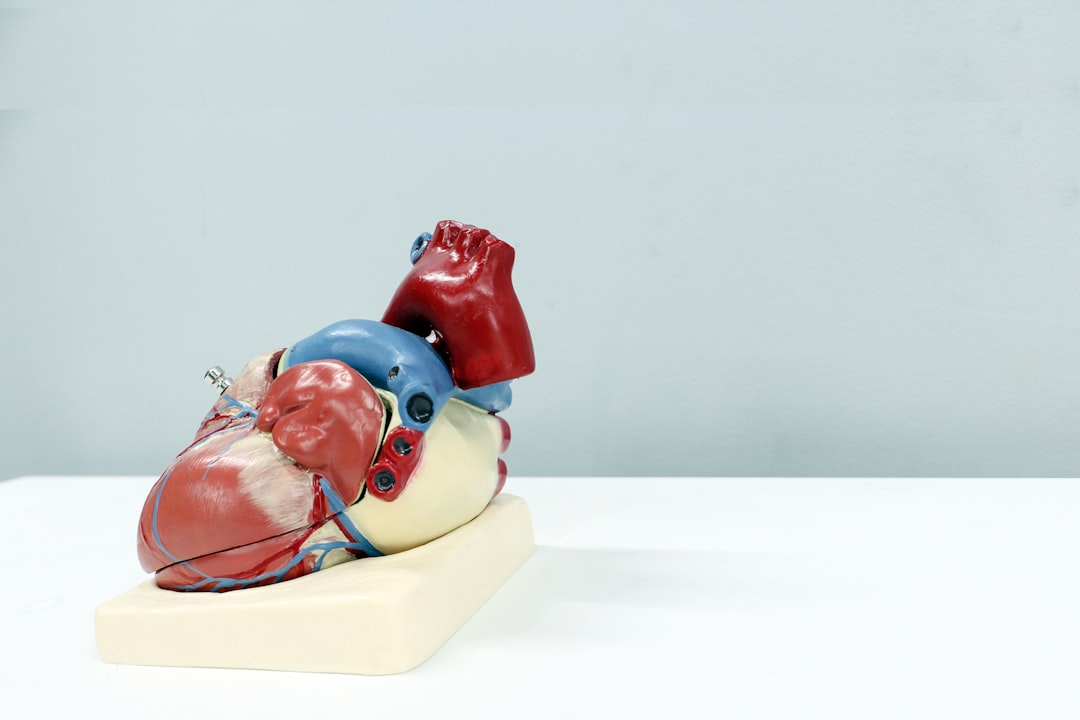
Now Reading: Fainting: A Sign of Serious Heart Issues
-
01
Fainting: A Sign of Serious Heart Issues
Fainting: A Sign of Serious Heart Issues

Fainting, medically termed syncope, is a transient loss of consciousness characterized by a rapid onset, short duration, and spontaneous recovery. This phenomenon occurs when there is a temporary reduction in blood flow to the brain, leading to a brief period of unconsciousness. The experience can be alarming for both the individual and bystanders, often prompting immediate concern regarding underlying health issues.
Fainting can occur in various settings, from standing up too quickly to experiencing emotional distress or physical exertion. The physiological mechanisms behind fainting involve complex interactions between the cardiovascular and nervous systems. When blood pressure drops suddenly, the brain may not receive adequate oxygen, resulting in syncope.
While many instances of fainting are benign and self-limiting, it is crucial to understand that recurrent episodes may indicate more serious underlying conditions that warrant further investigation.
Key Takeaways
- Fainting, also known as syncope, is a temporary loss of consciousness due to a lack of blood flow to the brain.
- Common causes of fainting include dehydration, low blood sugar, and sudden changes in position.
- Fainting can be a sign of underlying heart issues such as arrhythmias, structural heart disease, or heart valve problems.
- Symptoms of serious heart issues may include chest pain, shortness of breath, and irregular heartbeat.
- Risk factors for fainting and heart issues include age, family history, and certain medical conditions such as diabetes and high blood pressure.
Causes of Fainting
Fainting can arise from a multitude of causes, which can be broadly categorized into reflex syncope, orthostatic hypotension, and cardiac-related issues. Reflex syncope is often triggered by specific stimuli such as pain, fear, or prolonged standing. This type of fainting is typically benign and resolves quickly once the individual is in a horizontal position.
Orthostatic hypotension occurs when a person stands up too quickly, causing a sudden drop in blood pressure. This condition can be exacerbated by dehydration, certain medications, or prolonged bed rest. Cardiac-related causes of fainting are more concerning and can include arrhythmias, structural heart disease, or even myocardial infarction.
Identifying the precise cause of syncope is essential for determining appropriate management strategies.
Fainting and Heart Issues

The relationship between fainting and heart issues is significant and multifaceted. Cardiac syncope occurs when the heart’s ability to pump blood effectively is compromised, leading to inadequate cerebral perfusion. Conditions such as arrhythmias—irregular heartbeats that can be too fast or too slow—are common culprits.
For instance, ventricular tachycardia can lead to a rapid decline in cardiac output, resulting in syncope. Structural heart diseases, including hypertrophic cardiomyopathy or valvular heart disease, can also contribute to episodes of fainting. These conditions may obstruct blood flow or disrupt normal electrical conduction pathways within the heart.
It is imperative for individuals experiencing fainting spells to undergo thorough cardiovascular evaluation to rule out these potentially life-threatening conditions.
Symptoms of Serious Heart Issues
| Symptom | Description |
|---|---|
| Chest pain or discomfort | May feel like pressure, squeezing, fullness, or pain in the center of the chest |
| Shortness of breath | Difficulty breathing or feeling like you can’t get enough air |
| Pain in the upper body | May include discomfort in one or both arms, the back, neck, jaw, or stomach |
| Cold sweats | May occur with or without chest discomfort |
| Dizziness or lightheadedness | Feeling faint or like you might pass out |
Recognizing the symptoms associated with serious heart issues is crucial for timely intervention. In addition to fainting, individuals may experience chest pain, palpitations, shortness of breath, or extreme fatigue. These symptoms can indicate underlying cardiac dysfunction and should not be overlooked.
In some cases, individuals may also report dizziness or lightheadedness prior to fainting. This pre-syncope phase can serve as an important warning sign that something is amiss within the cardiovascular system. If these symptoms occur alongside fainting episodes, it is essential to seek medical attention promptly to assess for any serious underlying heart conditions.
Risk Factors for Fainting and Heart Issues
Several risk factors contribute to the likelihood of experiencing fainting episodes and associated heart issues. Age plays a significant role; older adults are more susceptible due to age-related changes in cardiovascular function and increased prevalence of comorbidities. Additionally, individuals with a family history of heart disease or arrhythmias may be at heightened risk.
Lifestyle factors such as sedentary behavior, poor diet, and substance abuse can exacerbate cardiovascular health and increase the likelihood of syncope. Certain medications—particularly those affecting blood pressure or heart rhythm—can also predispose individuals to fainting episodes. Understanding these risk factors is vital for implementing preventive measures and promoting overall cardiovascular health.
Diagnosis of Heart Issues Related to Fainting

Diagnosing heart issues related to fainting requires a comprehensive approach that includes a detailed medical history, physical examination, and diagnostic testing. Healthcare providers will often begin with an electrocardiogram (ECG) to assess the heart’s electrical activity and identify any arrhythmias or conduction abnormalities. Further evaluation may involve echocardiography to visualize cardiac structure and function, as well as Holter monitoring for continuous ECG recording over 24-48 hours.
In some cases, stress testing may be employed to evaluate the heart’s response to physical exertion. Blood tests may also be conducted to assess for markers of myocardial injury or electrolyte imbalances that could contribute to syncope.
Treatment for Fainting and Heart Issues
Treatment strategies for fainting and associated heart issues depend on the underlying cause identified during diagnosis. For reflex syncope, lifestyle modifications such as increased fluid intake and gradual position changes may suffice. In cases where orthostatic hypotension is diagnosed, pharmacological interventions like fludrocortisone or midodrine may be prescribed to help regulate blood pressure.
For cardiac-related syncope, treatment may involve antiarrhythmic medications such as beta-blockers or implantable devices like pacemakers for patients with significant arrhythmias. In more severe cases involving structural heart disease, surgical interventions such as valve repair or replacement may be necessary. It is essential for patients to work closely with their healthcare providers to develop an individualized treatment plan that addresses their specific needs.
Prevention of Fainting and Heart Issues
Preventive measures play a crucial role in reducing the incidence of fainting episodes and associated heart issues. Individuals are encouraged to maintain a healthy lifestyle that includes regular physical activity, a balanced diet rich in fruits and vegetables, and adequate hydration. Avoiding excessive alcohol consumption and smoking cessation are also vital components of cardiovascular health.
For those at higher risk due to existing medical conditions or family history, regular monitoring and follow-up with healthcare providers are essential. Patients should be educated about recognizing early warning signs of syncope and encouraged to take proactive steps in managing their health.
When to Seek Medical Help
It is imperative for individuals experiencing fainting episodes to understand when to seek medical assistance. If fainting occurs without an obvious trigger or is accompanied by concerning symptoms such as chest pain, palpitations, or prolonged confusion, immediate medical evaluation is warranted. Additionally, if fainting episodes become recurrent or if there are changes in the frequency or nature of these episodes, it is crucial to consult a healthcare professional for further assessment.
Living with Heart Issues and Fainting
Living with heart issues and the potential for fainting can be challenging but manageable with appropriate care and lifestyle adjustments. Patients are encouraged to engage in open communication with their healthcare providers about their symptoms and treatment options. Support groups and educational resources can also provide valuable information and emotional support for individuals navigating these health challenges.
Adopting a proactive approach to health management—such as adhering to prescribed medications, attending regular check-ups, and making informed lifestyle choices—can empower individuals to lead fulfilling lives despite their diagnoses.
Taking Fainting Seriously
Fainting should never be dismissed as a trivial occurrence; it can serve as an important indicator of underlying health issues that require attention. Understanding the complexities surrounding syncope and its potential relationship with heart problems is essential for effective management and prevention strategies. By recognizing risk factors, seeking timely medical evaluation, and adhering to treatment plans, individuals can significantly reduce their risk of serious complications associated with fainting episodes.
In summary, while fainting may often appear benign, it can signal more serious health concerns that necessitate thorough investigation and management. By taking these episodes seriously and prioritizing cardiovascular health through preventive measures and appropriate treatment options, individuals can enhance their quality of life while minimizing risks associated with syncope and heart issues.
According to a recent study published in the Journal of the American College of Cardiology, fainting spells could be a sign of underlying heart problems such as arrhythmias or structural issues. This research highlights the importance of seeking medical attention if you experience fainting episodes, as they could be indicative of a more serious condition. To learn more about the potential causes of fainting related to heart problems, check out this informative article on boogger.com.
FAQs
What are some common heart problems that can cause fainting?
Some common heart problems that can cause fainting include arrhythmias (abnormal heart rhythms), heart valve disorders, and structural heart defects.
How do arrhythmias cause fainting?
Arrhythmias can cause fainting by disrupting the normal pumping action of the heart, leading to a decrease in blood flow to the brain. This can result in a temporary loss of consciousness.
What are some symptoms of heart valve disorders that can lead to fainting?
Symptoms of heart valve disorders that can lead to fainting include shortness of breath, chest pain, and feeling lightheaded or dizzy. Fainting may occur when the heart is unable to pump enough blood due to a malfunctioning heart valve.
How do structural heart defects contribute to fainting?
Structural heart defects, such as congenital heart defects or cardiomyopathy, can lead to fainting by affecting the heart’s ability to pump blood effectively. This can result in decreased blood flow to the brain, causing fainting episodes.
When should someone seek medical attention for fainting related to heart problems?
It is important to seek medical attention if fainting episodes are recurrent, are accompanied by chest pain or shortness of breath, or if there is a family history of heart problems. A thorough evaluation by a healthcare professional is necessary to determine the underlying cause and appropriate treatment.