Now Reading: Facebook’s Impact on Society: A Closer Look
-
01
Facebook’s Impact on Society: A Closer Look
Facebook’s Impact on Society: A Closer Look
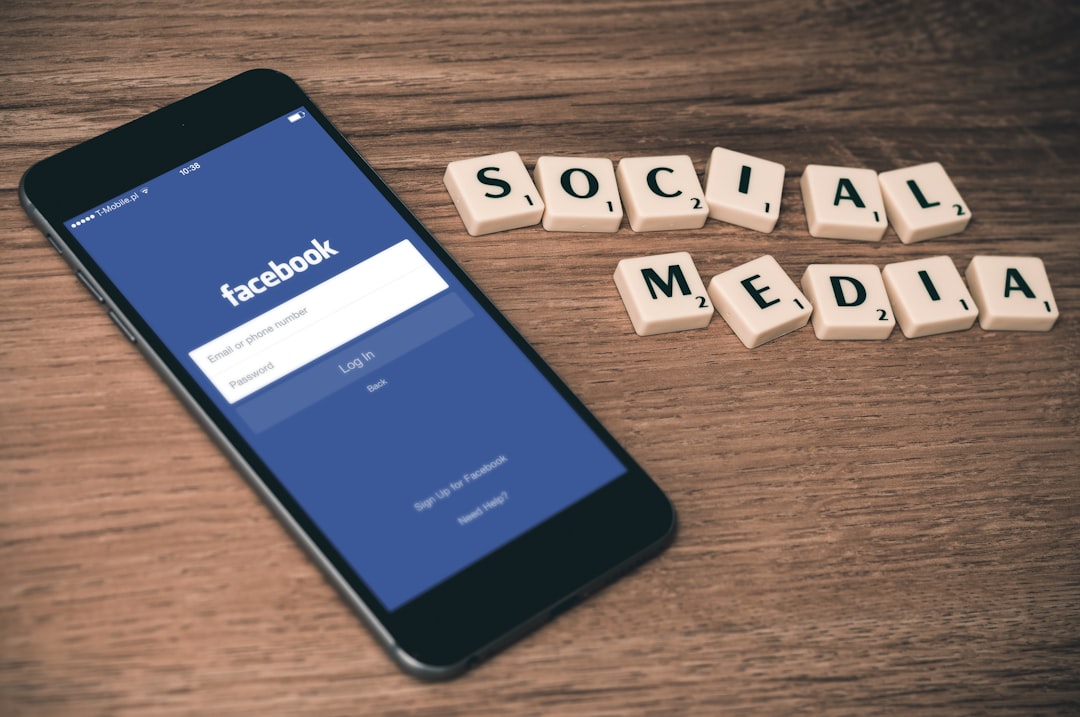
Facebook, launched in 2004 by Mark Zuckerberg and his college roommates, has evolved from a simple social networking site into a global phenomenon that has fundamentally altered the way individuals communicate, share information, and interact with one another. With over 2.8 billion monthly active users as of 2021, Facebook has become a central hub for social interaction, information dissemination, and even commerce. Its influence extends beyond personal connections, permeating various aspects of society, including politics, culture, and mental health.
On one hand, it has provided a platform for marginalized voices and facilitated social movements; on the other hand, it has been criticized for enabling echo chambers and the spread of false information.
As we delve deeper into the multifaceted effects of Facebook on society, it becomes crucial to examine both the positive and negative ramifications of its widespread use. Understanding these dynamics is essential for navigating the complexities of modern communication and social interaction in an increasingly digital world.
The Rise of Social Media and Facebook’s Dominance
The advent of social media marked a significant shift in how people engage with one another and consume information. Platforms like MySpace and Friendster laid the groundwork for social networking, but it was Facebook that truly revolutionized the landscape. By introducing features such as the News Feed, which aggregates posts from friends and pages users follow, Facebook created an environment where real-time updates became the norm.
This innovation not only kept users engaged but also encouraged them to share more personal content, leading to a culture of oversharing that has become characteristic of social media today. Facebook’s dominance can be attributed to its ability to adapt and innovate continuously. The introduction of features like Groups, Events, and Marketplace transformed the platform into a multifaceted tool for communication, organization, and commerce.
As competitors emerged, Facebook acquired several of them, including Instagram and WhatsApp, further solidifying its position in the social media landscape. This strategic expansion allowed Facebook to cater to diverse user needs while maintaining a cohesive ecosystem that keeps users within its orbit. The result is a platform that not only connects individuals but also serves as a primary source of news and information for millions worldwide.
The Positive Effects of Facebook on Society

One of the most significant positive effects of Facebook is its ability to foster connections among individuals who may otherwise remain isolated. For many users, especially those in remote areas or with limited mobility, Facebook provides a vital link to friends and family. The platform enables users to share life events, celebrate milestones, and maintain relationships despite geographical barriers.
This connectivity can be particularly beneficial for marginalized communities, allowing them to find support networks and share their experiences with others who understand their struggles. Moreover, Facebook has played a pivotal role in facilitating social movements and activism. The Arab Spring is often cited as a prime example of how social media can mobilize people for political change.
Activists used Facebook to organize protests, share information about government actions, and raise awareness about human rights abuses. Similarly, movements like Black Lives Matter have leveraged the platform to amplify their messages and mobilize supporters globally. By providing a space for dialogue and activism, Facebook has empowered individuals to advocate for change and hold those in power accountable.
The Negative Effects of Facebook on Society
| Negative Effects of Facebook on Society |
|---|
| Decreased face-to-face interaction |
| Increased feelings of loneliness and depression |
| Spread of misinformation and fake news |
| Privacy concerns and data breaches |
| Impact on mental health, especially among young people |
| Encouragement of comparison and jealousy |
Despite its many benefits, Facebook is not without its drawbacks. One of the most pressing concerns is the proliferation of misinformation on the platform. The ease with which users can share content means that false information can spread rapidly, often outpacing efforts to correct it.
This phenomenon has significant implications for public discourse, particularly during critical events such as elections or public health crises. The COVID-19 pandemic highlighted this issue as misinformation about the virus circulated widely on social media, leading to confusion and mistrust in health authorities. Additionally, Facebook’s algorithms prioritize engagement over accuracy, often promoting sensational or polarizing content that can exacerbate divisions within society.
Users may find themselves trapped in echo chambers where they are only exposed to viewpoints that reinforce their beliefs. This lack of exposure to diverse perspectives can hinder constructive dialogue and contribute to societal polarization. As individuals become more entrenched in their views, the potential for meaningful conversation diminishes, leading to an increasingly fragmented public sphere.
Facebook and its Influence on Politics and Social Movements
Facebook’s influence on politics cannot be overstated. The platform has transformed how political campaigns are conducted, allowing candidates to reach voters directly through targeted advertisements and organic posts. This shift has democratized political communication to some extent; however, it has also raised concerns about the integrity of elections.
The Cambridge Analytica scandal exemplified how user data could be exploited for political gain, leading to calls for greater regulation of social media platforms. Moreover, Facebook has become a battleground for political discourse, where users engage in debates over policies and candidates. While this can foster civic engagement, it can also lead to toxic interactions that discourage participation from those who may feel intimidated or marginalized by aggressive rhetoric.
The platform’s role in shaping public opinion is further complicated by the presence of bots and fake accounts that can manipulate discussions and spread disinformation. As political polarization intensifies, understanding Facebook’s role in these dynamics becomes increasingly critical for both users and policymakers.
Facebook’s Impact on Mental Health and Well-being

The relationship between Facebook use and mental health is complex and multifaceted. On one hand, the platform can provide social support and foster connections that enhance well-being. Users who engage positively with others may experience increased feelings of belonging and reduced loneliness.
For some individuals, particularly those with social anxiety or other mental health challenges, online interactions can serve as a valuable alternative to face-to-face communication. Conversely, excessive use of Facebook has been linked to negative mental health outcomes. Studies have shown that individuals who spend significant time scrolling through their feeds may experience increased feelings of inadequacy or anxiety due to constant comparisons with others’ curated lives.
The phenomenon known as “social media envy” can lead to dissatisfaction with one’s own life circumstances as users are bombarded with images of seemingly perfect lifestyles. Furthermore, cyberbullying remains a pervasive issue on the platform, contributing to feelings of isolation and distress among victims.
The Role of Facebook in Shaping Cultural Norms and Values
Facebook’s impact extends beyond individual interactions; it plays a significant role in shaping cultural norms and values within society. The platform serves as a space where trends emerge and cultural conversations unfold. From viral challenges to movements advocating for social justice, Facebook influences what is deemed acceptable or desirable within various communities.
This cultural shaping occurs through user-generated content that reflects societal values while simultaneously influencing them. Moreover, Facebook’s algorithms prioritize content that generates engagement, often amplifying sensational or controversial topics at the expense of nuanced discussions. This dynamic can lead to the normalization of certain behaviors or attitudes while marginalizing others.
For instance, the rise of influencer culture on Facebook has shifted perceptions of success and beauty standards among younger users. As individuals curate their online personas to gain validation through likes and shares, traditional notions of self-worth may become increasingly intertwined with online popularity.
The Future of Facebook’s Impact on Society
As we look toward the future, the impact of Facebook on society will likely continue to evolve in response to technological advancements and changing user behaviors. The platform faces increasing scrutiny regarding its role in spreading misinformation and its influence on mental health. In response to these challenges, there is potential for Facebook to implement more robust measures aimed at promoting accurate information while fostering healthier online interactions.
The ongoing dialogue surrounding privacy concerns will also shape Facebook’s trajectory as users demand greater transparency regarding data usage and algorithmic decision-making. As society grapples with the implications of living in an interconnected digital world, understanding Facebook’s multifaceted impact will be essential for navigating the complexities of modern communication and fostering a healthier online environment for all users.
FAQs
What is Facebook Company?
Facebook Company refers to the corporate entity that owns and operates the social media platform Facebook, as well as other related products and services.
When was Facebook Company founded?
Facebook Company was founded in 2004 by Mark Zuckerberg, along with his college roommates Andrew McCollum, Eduardo Saverin, Chris Hughes, and Dustin Moskovitz.
What products and services does Facebook Company offer?
Facebook Company offers a range of products and services, including the Facebook social media platform, Instagram, WhatsApp, Oculus VR, and various other related apps and technologies.
Where is Facebook Company headquartered?
Facebook Company is headquartered in Menlo Park, California, United States.
How many employees does Facebook Company have?
As of 2021, Facebook Company has over 60,000 employees worldwide.
What is the mission of Facebook Company?
The mission of Facebook Company is to give people the power to build community and bring the world closer together.
What is the revenue of Facebook Company?
In 2020, Facebook Company reported a total revenue of over $85.9 billion.
Is Facebook Company publicly traded?
Yes, Facebook Company is publicly traded on the NASDAQ stock exchange under the ticker symbol “FB”.