Now Reading: Exploring the History of Fort Bragg
-
01
Exploring the History of Fort Bragg
Exploring the History of Fort Bragg
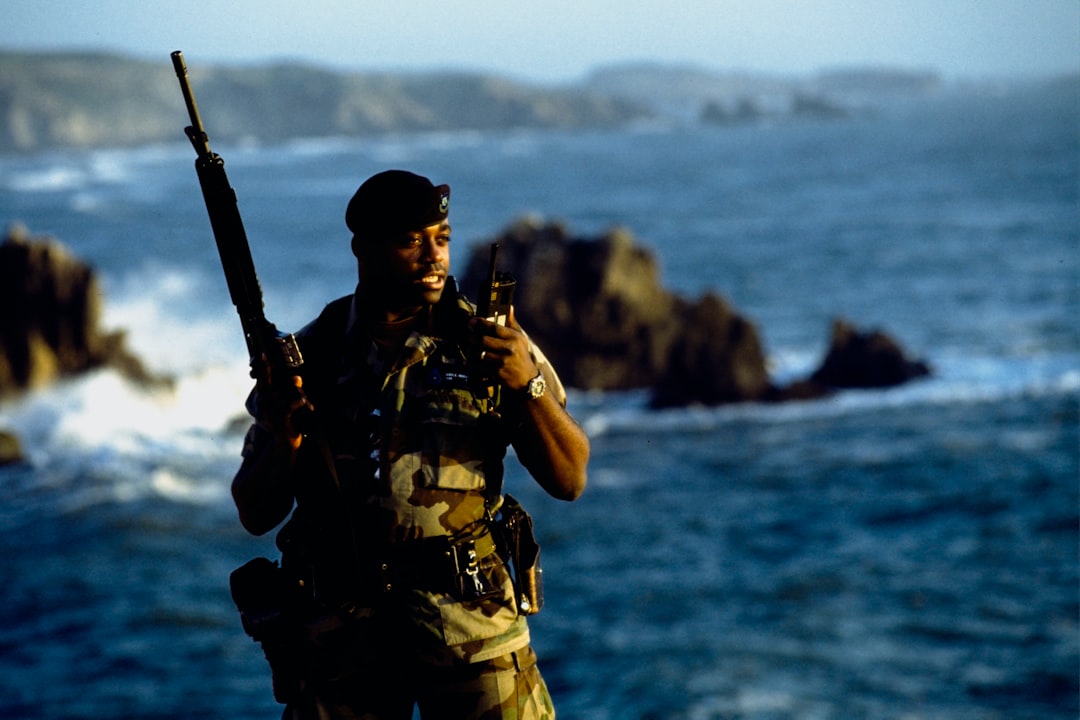
Fort Bragg, located in North Carolina, was established in 1918 as a military training facility. Named after Confederate General Braxton Bragg, the installation was initially created to accommodate the growing needs of the United States Army during World War
The site was strategically chosen for its expansive land, which provided ample space for training exercises and troop mobilization. The establishment of Fort Bragg marked a significant moment in military history, as it represented the U.S. Army’s commitment to enhancing its operational capabilities.
The fort’s founding was not merely a response to wartime exigencies; it also reflected broader trends in military organization and infrastructure development. The early 20th century saw a shift towards more centralized military training facilities, which allowed for standardized training protocols and improved readiness. Fort Bragg quickly became a hub for various military units, and its location in the southeastern United States made it an ideal site for troop deployment and logistical support.
Key Takeaways
- Fort Bragg was established in 1918 as a training base for artillery units during World War I.
- During the Civil War, Fort Bragg served as a Confederate artillery position and played a crucial role in the defense of the Cape Fear River.
- Over the years, Fort Bragg has expanded to become one of the largest military installations in the world, covering over 160,000 acres.
- Fort Bragg has been a key training and deployment center for major conflicts, including World War II, the Vietnam War, and the wars in Iraq and Afghanistan.
- The base has evolved to offer a wide range of training programs, including airborne and special operations training, making it a vital asset for the U.S. military.
Fort Bragg’s Role in the Civil War
Although Fort Bragg was established long after the Civil War, its historical significance is intertwined with the conflict. The land on which Fort Bragg now stands was once part of a larger network of military installations and encampments that played crucial roles during the Civil War. The region was strategically important due to its proximity to key transportation routes and supply lines, making it a focal point for both Union and Confederate forces. During the Civil War, the area witnessed numerous skirmishes and battles, contributing to the rich tapestry of military history that would later define Fort Bragg.
The legacy of these conflicts is evident in the fort’s ongoing commitment to honoring the sacrifices made by soldiers throughout American history. Today, Fort Bragg serves as a reminder of the complexities of warfare and the evolution of military strategy over time.
The Development of Fort Bragg as a Military Base
| Year | Event |
|---|---|
| 1918 | Fort Bragg established as a military training facility |
| 1940 | Fort Bragg becomes a major training base during World War II |
| 1951 | Korean War training conducted at Fort Bragg |
| 1961 | Special Forces training begins at Fort Bragg |
| 1990 | Fort Bragg units deployed to the Persian Gulf War |
| 2001 | Fort Bragg units deployed in support of the War on Terror |
Following its establishment, Fort Bragg underwent significant development to accommodate the growing demands of military training and operations. The initial construction included barracks, administrative buildings, and training facilities designed to support infantry units. Over the decades, the fort expanded its infrastructure to include advanced training ranges, medical facilities, and logistical support systems.
The development of Fort Bragg as a military base was characterized by continuous modernization efforts. As warfare evolved, so too did the training programs and facilities at the fort. The introduction of mechanized warfare during World War II necessitated upgrades to training methodologies and equipment.
This adaptability has allowed Fort Bragg to remain at the forefront of military readiness and innovation.
Fort Bragg’s Involvement in World War I and World War II
Fort Bragg played a pivotal role during both World War I and World War II, serving as a primary training ground for soldiers preparing for combat. During World War I, the fort trained thousands of troops who would go on to serve in Europe. The emphasis on rigorous physical conditioning and tactical training laid the groundwork for future military engagements.
In World War II, Fort Bragg’s significance escalated as it became a central hub for airborne operations. The establishment of the 82nd Airborne Division at Fort Bragg marked a transformative moment in military history, as paratrooper units were trained to execute rapid deployment strategies. This innovative approach to warfare not only changed the dynamics of battle but also solidified Fort Bragg’s reputation as a leader in airborne operations.
The Evolution of Fort Bragg’s Training Programs
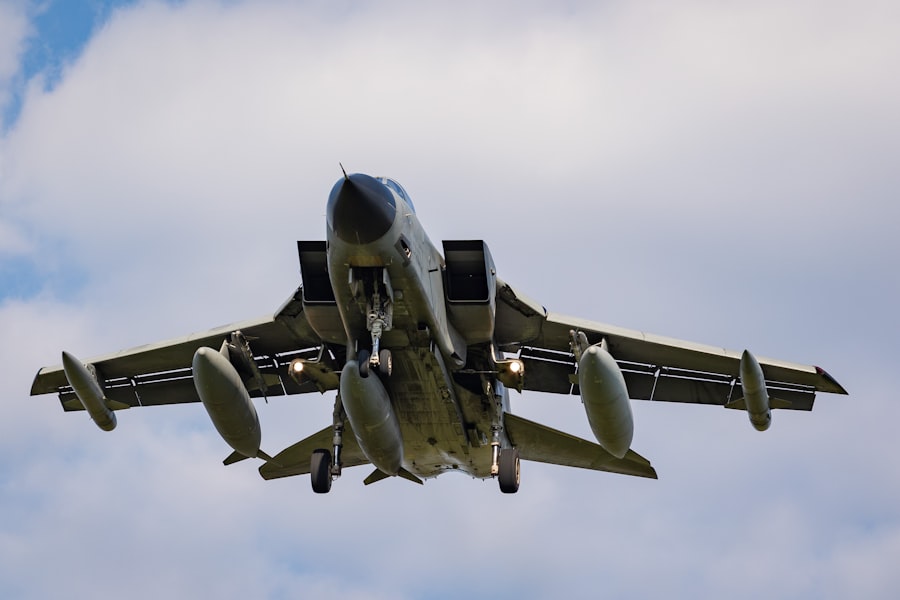
The evolution of training programs at Fort Bragg reflects broader changes in military doctrine and technology. Initially focused on traditional infantry tactics, training at the fort has expanded to encompass a wide range of specialties, including airborne operations, special forces training, and advanced weaponry systems. This diversification has enabled soldiers to develop skills that are critical in modern warfare.
S. Army John F. Kennedy Special Warfare Center and School.
This institution is dedicated to producing highly skilled special operations personnel capable of executing complex missions worldwide. The emphasis on adaptability and innovation in training programs ensures that soldiers are prepared for the multifaceted challenges they may encounter in contemporary combat scenarios.
Fort Bragg’s Impact on the Surrounding Community
The presence of Fort Bragg has had a profound impact on the surrounding community, both economically and socially. As one of the largest military installations in the world, it provides employment opportunities for thousands of civilians and service members alike. Local businesses thrive due to the influx of personnel and their families, creating a symbiotic relationship between the fort and the community.
Moreover, Fort Bragg actively engages with local residents through various outreach programs and initiatives aimed at fostering positive relationships. Community events, educational partnerships, and volunteer opportunities allow service members to connect with civilians, promoting mutual understanding and respect. This integration has enriched the cultural fabric of the region while reinforcing the importance of military service.
Notable Figures and Units Stationed at Fort Bragg
Throughout its history, Fort Bragg has been home to numerous notable figures and distinguished units that have left an indelible mark on military history. Among these is General William Lee, often referred to as the “Father of the Airborne.” His leadership during World War II helped shape airborne operations as we know them today. Additionally, units such as the 82nd Airborne Division and Special Forces have gained legendary status within military circles.
These elite groups have participated in numerous high-profile missions around the globe, showcasing their exceptional skills and dedication to service. The legacy of these units continues to inspire new generations of soldiers who train at Fort Bragg.
Fort Bragg’s Modern-Day Significance
In contemporary times, Fort Bragg remains a cornerstone of U.S. military operations. Its strategic location allows for rapid deployment capabilities, making it an essential asset in responding to global crises.
The fort’s focus on special operations training ensures that it remains at the forefront of modern warfare tactics. Moreover, Fort Bragg plays a critical role in joint operations with allied forces, enhancing international cooperation in defense matters. The installation’s commitment to innovation and adaptability positions it as a leader in military readiness, ensuring that U.
forces are prepared for any challenge they may face.
The Cultural and Historical Importance of Fort Bragg
Fort Bragg’s cultural and historical significance extends beyond its military functions; it serves as a living testament to American resilience and sacrifice. The fort is home to several memorials and museums that honor those who have served in various conflicts throughout history. These sites provide valuable insights into the experiences of soldiers and their families.
The preservation of historical artifacts and narratives at Fort Bragg contributes to a deeper understanding of military heritage. Educational programs offered at the fort aim to engage visitors and promote awareness of the sacrifices made by service members throughout American history.
Fort Bragg’s Contributions to Military Technology and Innovation
Fort Bragg has been instrumental in advancing military technology and innovation over the years. The installation has served as a testing ground for new equipment and tactics that have shaped modern warfare. From advancements in airborne operations to cutting-edge communication systems, Fort Bragg has consistently pushed the boundaries of what is possible in military operations.
The collaboration between military personnel and defense contractors at Fort Bragg has led to significant breakthroughs in areas such as logistics, weaponry, and medical support systems. This commitment to innovation ensures that U.S. forces remain equipped with the best tools available to accomplish their missions effectively.
The Future of Fort Bragg and Its Legacy
As we look toward the future, Fort Bragg is poised to continue its legacy as a vital component of U.S. military operations. Ongoing investments in infrastructure and training programs will ensure that it remains adaptable to emerging threats and challenges.
The fort’s commitment to fostering strong community ties will also play a crucial role in maintaining its relevance in an ever-changing world. In conclusion, Fort Bragg stands as a symbol of American military strength and resilience. Its rich history, ongoing contributions to military innovation, and deep-rooted connections with the surrounding community underscore its significance both domestically and internationally.
As we honor its past, we also look forward to its future contributions to national defense and global security. In summary, Fort Bragg has evolved from its founding as a training facility into a modern-day hub for military excellence. Its historical significance during pivotal conflicts like World War I and II has shaped its identity as a leader in airborne operations and special forces training.
The fort’s impact on local communities is profound, fostering economic growth while promoting cultural exchange between service members and civilians alike. As it continues to adapt to new challenges, Fort Bragg remains an essential asset in safeguarding national security while honoring its storied legacy.
Fort Bragg, a well-known military installation in America, has a rich history and is home to many important figures in the country’s military. One related article that discusses the most well-known figures in America can provide insight into the significance of Fort Bragg and its impact on the nation’s history. To learn more about these influential individuals, check out this article.
FAQs
What is Fort Bragg?
Fort Bragg is a major United States Army installation located in North Carolina, covering over 251 square miles. It is one of the largest military installations in the world and serves as the home of the XVIII Airborne Corps and the 82nd Airborne Division.
When was Fort Bragg established?
Fort Bragg was established in 1918 as Camp Bragg, named after Confederate General Braxton Bragg. It was designated as a permanent installation in 1922 and has since grown to become a key military base for the U.S. Army.
What is Fort Bragg used for?
Fort Bragg serves as a center for air assault and special operations forces, as well as a training and deployment base for the U.S. Army. It also supports a wide range of military operations, including airborne and special operations training, as well as providing support for military families and veterans.
How many soldiers are stationed at Fort Bragg?
Fort Bragg is home to approximately 57,000 military personnel, including active duty, reserve, and National Guard soldiers. It also employs over 11,000 civilian employees, making it one of the largest military installations in the world.
What are some notable units stationed at Fort Bragg?
Fort Bragg is home to several notable units, including the 82nd Airborne Division, the XVIII Airborne Corps, the United States Army Special Operations Command (USASOC), and the Joint Special Operations Command (JSOC). These units play a crucial role in the U.S. Army’s airborne and special operations capabilities.