Now Reading: Exploring the Charms of Islamabad
-
01
Exploring the Charms of Islamabad
Exploring the Charms of Islamabad
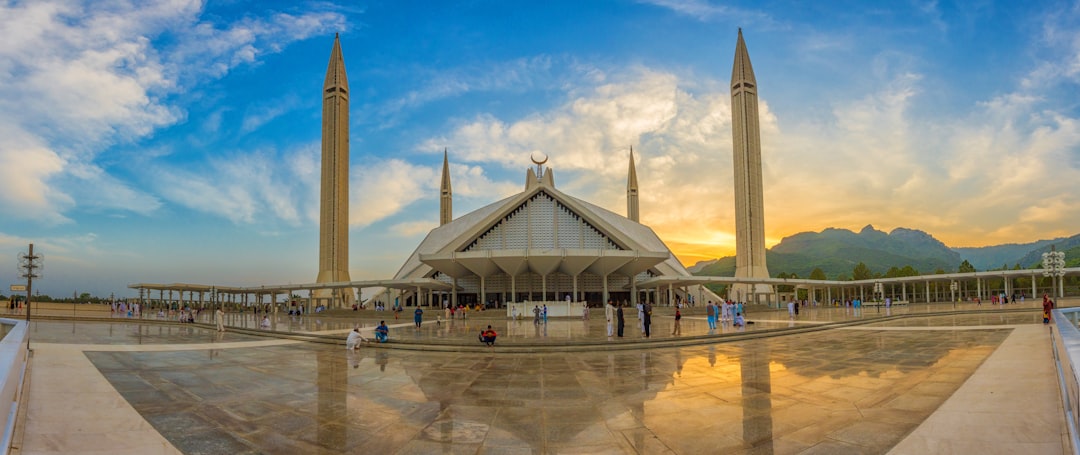
Islamabad, the capital city of Pakistan, is a vibrant metropolis that seamlessly blends modernity with tradition. Established in the 1960s, it was designed to serve as the political and administrative heart of the country. Nestled against the backdrop of the picturesque Margalla Hills, Islamabad is characterized by its well-planned layout, lush greenery, and wide avenues.
The city is not only a hub for government institutions but also a melting pot of diverse cultures, making it an intriguing destination for travelers seeking both historical insights and contemporary experiences. The city’s strategic location offers easy access to various regions of Pakistan, making it an ideal starting point for exploring the country’s rich heritage and natural wonders. With a population of over 1 million residents, Islamabad is known for its high standard of living, cleanliness, and safety.
The city’s architecture reflects a blend of modern design and traditional Islamic influences, creating a unique urban landscape that captivates visitors. As you traverse through its streets, you will encounter a harmonious mix of parks, monuments, and cultural institutions that showcase the essence of Pakistan.
Key Takeaways
- Islamabad is the capital city of Pakistan, known for its beautiful natural landscapes and rich cultural heritage.
- The city is home to historical landmarks and monuments such as Faisal Mosque, Pakistan Monument, and Lok Virsa Museum.
- Visitors can explore the natural beauty of Islamabad at places like Margalla Hills National Park and Rawal Lake, offering stunning views and outdoor activities.
- Islamabad has a vibrant cultural and art scene, with galleries, theaters, and cultural festivals showcasing the city’s creative spirit.
- Food enthusiasts can indulge in local cuisine and culinary delights at bustling markets and street food stalls, offering a diverse range of flavors and dishes.
Historical landmarks and monuments
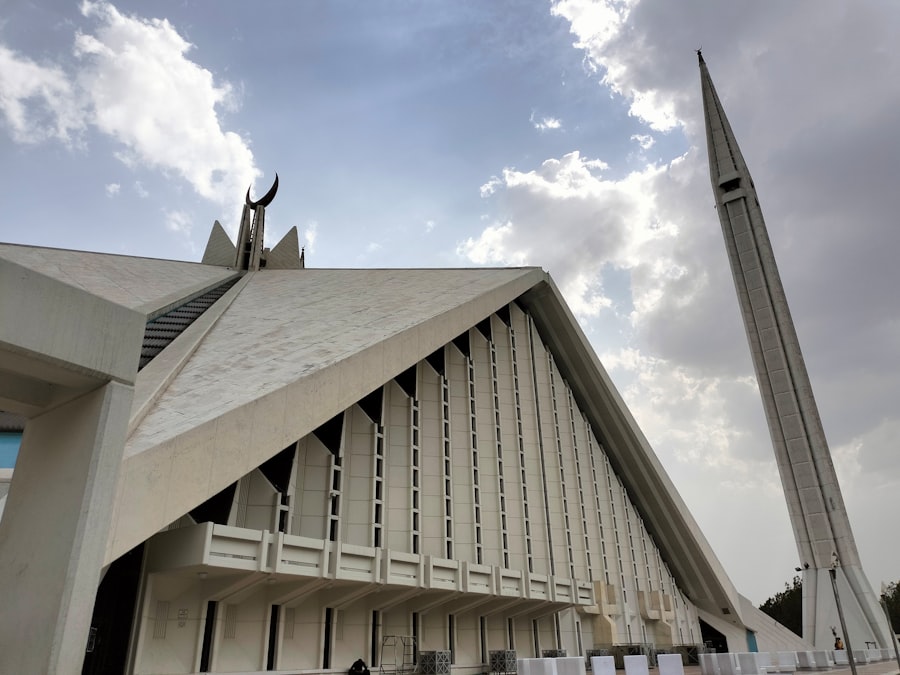
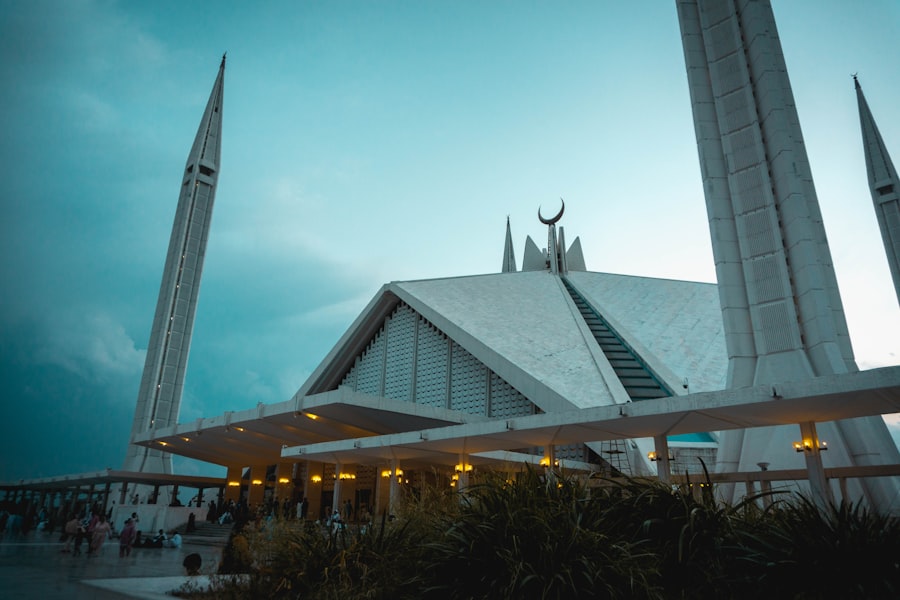
Islamabad is home to several historical landmarks and monuments that narrate the story of Pakistan’s past. One of the most iconic structures is the Faisal Mosque, which stands as a symbol of Islamic architecture. Completed in 1986, this mosque is one of the largest in the world and can accommodate over 100,000 worshippers.
Its unique design, inspired by a Bedouin tent, features a stunning white marble façade and four towering minarets that reach towards the sky.
Another significant site is the Pakistan Monument, which represents the four provinces and three territories of Pakistan.
This national monument is designed in the shape of a blooming flower and is surrounded by a beautiful park that offers panoramic views of the city. The monument symbolizes unity and patriotism, making it a must-visit for anyone interested in understanding Pakistan’s national identity. Additionally, the nearby Pakistan Museum showcases artifacts and exhibits that highlight the country’s rich history, from ancient civilizations to contemporary times.
Natural beauty and parks
The natural beauty of Islamabad is one of its most appealing features. The city is enveloped by the Margalla Hills National Park, which offers a plethora of outdoor activities for nature enthusiasts. The park is home to diverse flora and fauna, including various species of birds, mammals, and reptiles.
Hiking trails wind through the hills, providing breathtaking views of the city below and the surrounding landscape. Popular trails such as the Trail 3 and Trail 5 are frequented by locals and tourists alike, offering an invigorating escape into nature. In addition to the Margalla Hills, Islamabad boasts several well-maintained parks that provide serene environments for relaxation and recreation.
Daman-e-Koh is a viewpoint located in the hills that offers stunning vistas of Islamabad’s skyline. The park features walking paths, picnic areas, and observation points where visitors can enjoy the beauty of the city at sunset. Shakarparian Park is another popular destination that hosts cultural events and festivals throughout the year, further enriching the city’s vibrant atmosphere.
Cultural and art scene
| Category | Metrics |
|---|---|
| Museums | Number of museums in the city |
| Galleries | Number of art galleries in the city |
| Theaters | Number of theaters and performance venues |
| Art Events | Number of annual art events and festivals |
Islamabad’s cultural scene is thriving, with numerous galleries, theaters, and cultural institutions that promote artistic expression. The National Art Gallery is a prominent venue that showcases contemporary Pakistani art, featuring works from both established and emerging artists. The gallery hosts exhibitions, workshops, and educational programs aimed at fostering appreciation for visual arts among the public.
The city also hosts various cultural festivals that celebrate its diverse heritage. Events such as the Islamabad Literature Festival attract writers, poets, and intellectuals from across the country and beyond. These gatherings provide a platform for discussions on literature, art, and social issues, enriching the cultural fabric of Islamabad.
Additionally, traditional music performances and dance shows are frequently organized at venues like the Pakistan National Council of Arts (PNCA), allowing visitors to immerse themselves in the local culture.
Culinary delights and local cuisine
Islamabad’s culinary scene is as diverse as its population, offering a wide array of flavors that reflect both traditional Pakistani cuisine and international influences. The city is renowned for its street food culture, where vendors serve mouthwatering dishes such as biryani, kebabs, and chaat. The bustling markets are filled with tantalizing aromas that entice food lovers to sample local delicacies.
For those seeking a more refined dining experience, Islamabad boasts numerous restaurants that cater to various tastes. From traditional Pakistani fare to continental cuisine, there is something for everyone. Notable establishments like Monal Restaurant offer stunning views of the city while serving delectable dishes made from fresh ingredients.
Additionally, local sweets such as jalebi and gulab jamun are must-try treats that showcase the region’s culinary heritage.
Shopping and markets
Shopping in Islamabad presents an exciting opportunity to explore local crafts and products while experiencing the city’s vibrant atmosphere. The bustling markets are filled with colorful stalls selling everything from traditional handicrafts to modern fashion. The famous Aabpara Market is a popular destination for locals seeking fresh produce, spices, and household items at reasonable prices.
For those interested in high-end shopping, Centaurus Mall offers a range of international brands alongside local boutiques.
Additionally, exploring local bazaars like Jinnah Super Market provides an authentic experience where visitors can find unique souvenirs and artisanal products that reflect Pakistan’s rich cultural heritage.
Adventure and outdoor activities
Adventure seekers will find plenty of opportunities in Islamabad to engage in thrilling outdoor activities. The Margalla Hills National Park offers not only hiking but also rock climbing and mountain biking for those looking to push their limits. The scenic trails provide varying levels of difficulty, catering to both beginners and experienced adventurers.
For water sports enthusiasts, nearby locations such as Khanaspur Lake offer kayaking and fishing experiences amidst stunning natural surroundings. Additionally, camping in the hills allows visitors to connect with nature while enjoying breathtaking views under a starlit sky. These activities not only promote physical fitness but also foster a deeper appreciation for Islamabad’s natural beauty.
Religious sites and spiritual experiences
Islamabad is home to several religious sites that reflect the spiritual diversity of its inhabitants. The Faisal Mosque stands out as a significant Islamic landmark; however, other places of worship also contribute to the city’s spiritual landscape. The nearby Shah Faisal Mosque serves as an important pilgrimage site for Muslims from across Pakistan.
In addition to Islamic sites, Islamabad features temples and gurdwaras representing other faiths. The Hindu Temple in Saidpur Village offers insight into the region’s Hindu heritage while providing a tranquil space for reflection. Similarly, the Gurdwara Panja Sahib serves as an important Sikh pilgrimage site where visitors can learn about Sikh traditions and practices.
Nightlife and entertainment
As the sun sets over Islamabad, the city transforms into a lively hub of nightlife and entertainment options. While Islamabad may not be known for its party scene like other major cities, it offers various venues where visitors can unwind after a day of exploration. Cafés and restaurants often host live music performances or cultural events that create an inviting atmosphere for socializing.
For those seeking a more laid-back evening experience, parks such as Shakarparian become gathering spots for families enjoying picnics or leisurely strolls under the stars. Cinemas in shopping malls screen both local films and international blockbusters, providing entertainment options for movie enthusiasts. Overall, Islamabad’s nightlife reflects its unique blend of culture and modernity.
Day trips and excursions
Islamabad serves as an excellent base for day trips to nearby attractions that showcase Pakistan’s natural beauty and historical significance. One popular excursion is to Murree, a hill station located just 60 kilometers from Islamabad. Known for its cool climate and lush landscapes, Murree offers opportunities for hiking, horseback riding, and enjoying panoramic views from its hilltops.
Another notable destination is Taxila, an ancient city recognized as a UNESCO World Heritage Site. Located approximately 30 kilometers from Islamabad, Taxila boasts archaeological ruins dating back to the Gandhara civilization. Visitors can explore ancient stupas, monasteries, and museums that provide insight into this rich historical period.
Why Islamabad should be on your travel bucket list
In conclusion, Islamabad stands out as a captivating destination that offers a unique blend of history, culture, natural beauty, and modern amenities. Its well-planned layout ensures easy navigation while providing access to numerous attractions that cater to diverse interests. From exploring historical landmarks like Faisal Mosque to indulging in culinary delights at local eateries, there is something for every traveler in this vibrant city.
The city’s commitment to preserving its natural environment through parks and outdoor activities further enhances its appeal as a travel destination. Whether you seek adventure in the Margalla Hills or wish to immerse yourself in local culture through art festivals and culinary experiences, Islamabad promises unforgettable memories. With its rich tapestry of experiences waiting to be discovered, Islamabad deserves a prominent place on your travel bucket list—an invitation to explore a city where tradition meets modernity amidst breathtaking landscapes.
If you are interested in learning more about the culture and traditions of Islamabad, you may want to check out this article on national holidays as a celebration of culture and tradition. This article explores how holidays play a significant role in shaping the identity and values of a society, which is particularly relevant when understanding the rich cultural heritage of Islamabad.
FAQs
What is Islamabad?
Islamabad is the capital city of Pakistan, located in the northern part of the country. It is known for its modern architecture, beautiful parks, and scenic views of the Margalla Hills.
When was Islamabad established as the capital of Pakistan?
Islamabad was established as the capital of Pakistan in 1960, replacing Karachi. The city was built to replace Karachi as the capital due to its central location and to serve as a symbol of national unity.
What is the population of Islamabad?
As of 2021, the population of Islamabad is estimated to be around 1.1 million people. The city has a diverse population, with people from various ethnic and cultural backgrounds.
What are some popular attractions in Islamabad?
Some popular attractions in Islamabad include Faisal Mosque, Pakistan Monument, Lok Virsa Museum, Rawal Lake, and Daman-e-Koh viewpoint. The city also has a vibrant food and shopping scene.
What is the climate like in Islamabad?
Islamabad has a humid subtropical climate, with hot summers and mild winters. The city experiences four distinct seasons, with the monsoon season bringing heavy rainfall from July to September.
Is Islamabad a safe city for tourists?
Islamabad is generally considered to be a safe city for tourists. The city has a strong security presence and is known for its peaceful and serene environment. However, it is always advisable for tourists to exercise caution and be aware of their surroundings.