Now Reading: Exploring the Charms of Evropa
-
01
Exploring the Charms of Evropa
Exploring the Charms of Evropa
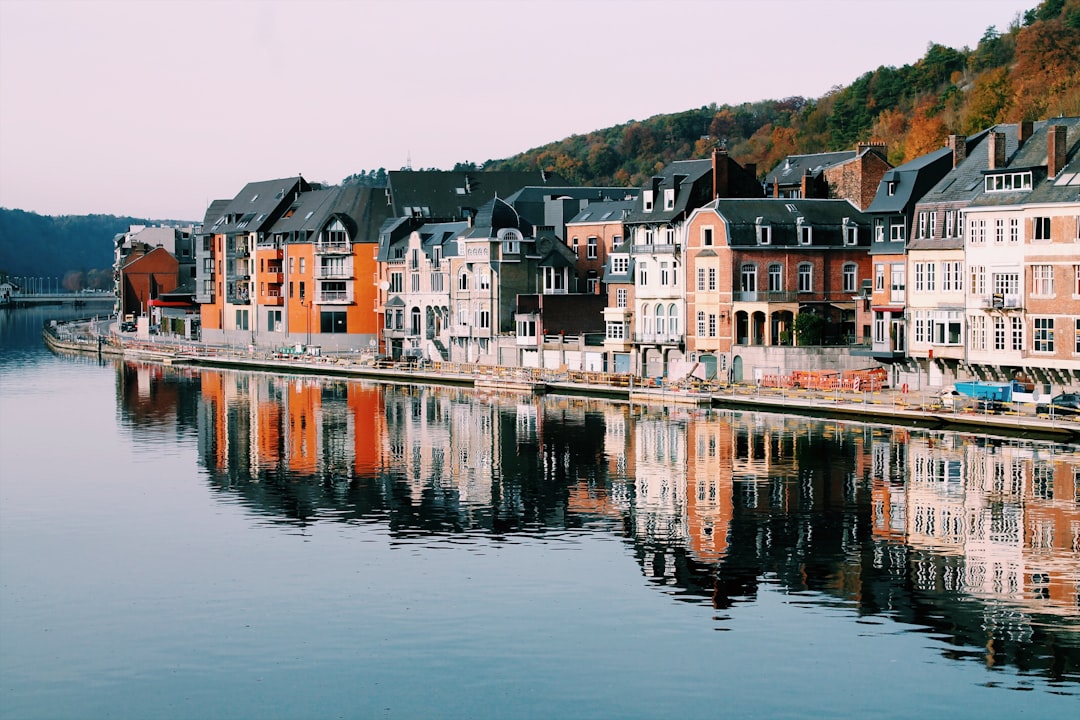
Europe, a continent rich in history and culture, comprises diverse nations, languages, and traditions. Extending from Scandinavia’s arctic regions to the Mediterranean coastline, this area offers numerous historical and natural attractions. Shaped by centuries of human civilization, Europe presents visitors with opportunities to experience art, architecture, and natural landscapes.
While each European country maintains its distinct identity, they share interconnected cultural heritage. Visitors are drawn to Europe for both its natural beauty and dynamic urban centers. Cities like Paris and Rome feature significant historical sites and cultural attractions.
The continent appeals to various interests, including adventure tourism, leisure travel, and cultural exploration. Europe’s historical monuments, cuisine, cultural events, and other attractions make it a destination with broad appeal for international travelers.
Key Takeaways
- Evropa offers a rich blend of historical landmarks, diverse culinary experiences, and vibrant cultural festivals.
- Visitors can enjoy stunning natural landscapes alongside outdoor activities like hiking and sightseeing.
- The region boasts a variety of shopping opportunities, from local markets to unique artisan shops.
- Art lovers will find numerous museums and galleries showcasing Evropa’s creative heritage.
- Practical tips and accommodation options help travelers make the most of their visit to Evropa.
Historical landmarks and architecture
Evropa is home to some of the most iconic historical landmarks and architectural marvels in the world. The Colosseum in Rome stands as a testament to ancient engineering prowess, drawing millions of visitors each year who marvel at its grandeur and historical significance. This amphitheater, built in AD 70-80, once hosted gladiatorial contests and public spectacles, making it a symbol of the Roman Empire’s might.
Similarly, the Parthenon in Athens epitomizes classical architecture and serves as a reminder of Greece’s profound influence on Western civilization. Beyond these well-known sites, Evropa is dotted with lesser-known gems that offer insight into the continent’s rich past. The medieval castles of the Loire Valley in France showcase the opulence of the French monarchy, while the intricate Gothic cathedrals of Spain reflect the country’s deep religious roots.
Each structure tells a story, encapsulating the artistic styles and cultural values of its time. Visitors can immerse themselves in guided tours that provide context and depth to these architectural wonders, enhancing their appreciation for Evropa’s historical narrative.
Culinary delights
The culinary landscape of Evropa is as diverse as its geography, offering an array of flavors that reflect regional ingredients and traditions. Italian cuisine, renowned for its emphasis on fresh produce and bold flavors, features iconic dishes such as pasta, risotto, and pizza. Each region boasts its specialties; for instance, the rich ragu of Bologna contrasts with the seafood dishes of coastal regions like Sicily.
The art of Italian cooking is not merely about sustenance; it is a celebration of family and community. In contrast, French gastronomy is celebrated for its sophistication and technique. From flaky croissants to exquisite pastries like macarons, France has perfected the art of baking.
The country is also famous for its cheese varieties and wines, with regions like Bordeaux and Burgundy producing some of the finest vintages in the world. Culinary enthusiasts can indulge in wine tastings and cooking classes that provide hands-on experience in creating traditional dishes.
Cultural festivals and events
Evropa’s cultural calendar is brimming with festivals and events that showcase its rich heritage and artistic expression. The Carnival of Venice is a spectacular celebration characterized by elaborate masks and costumes, drawing visitors from around the globe to partake in its vibrant festivities. This annual event transforms the city into a whimsical wonderland where tradition meets creativity.
Another notable event is Oktoberfest in Munich, Germany, which attracts millions of beer enthusiasts eager to sample local brews and indulge in hearty Bavarian fare. This festival not only highlights Germany’s brewing culture but also fosters a sense of community among attendees. Additionally, the Edinburgh Festival Fringe in Scotland stands as the world’s largest arts festival, featuring thousands of performances across various genres, from theater to comedy.
These events provide an opportunity for travelers to engage with local customs while enjoying world-class entertainment.
Natural wonders and outdoor activities
| Metric | Value | Notes |
|---|---|---|
| Continent | Europe | Also known as Evropa in some languages |
| Area | 10.18 million km² | Second smallest continent by surface area |
| Population | Approximately 747 million | As of 2024 estimates |
| Number of Countries | 44 | Including transcontinental countries |
| GDP (Nominal) | ~20 trillion | Aggregate GDP of European countries |
| Major Languages | English, French, German, Russian, Spanish | Widely spoken languages across Europe |
| Time Zones | UTC+0 to UTC+4 | Spanning multiple time zones |
Evropa’s diverse landscapes offer an abundance of natural wonders that beckon outdoor enthusiasts. The fjords of Norway present breathtaking vistas characterized by steep cliffs and serene waters, ideal for hiking and kayaking adventures. The breathtaking beauty of these natural formations is complemented by opportunities for wildlife spotting, including seals and eagles.
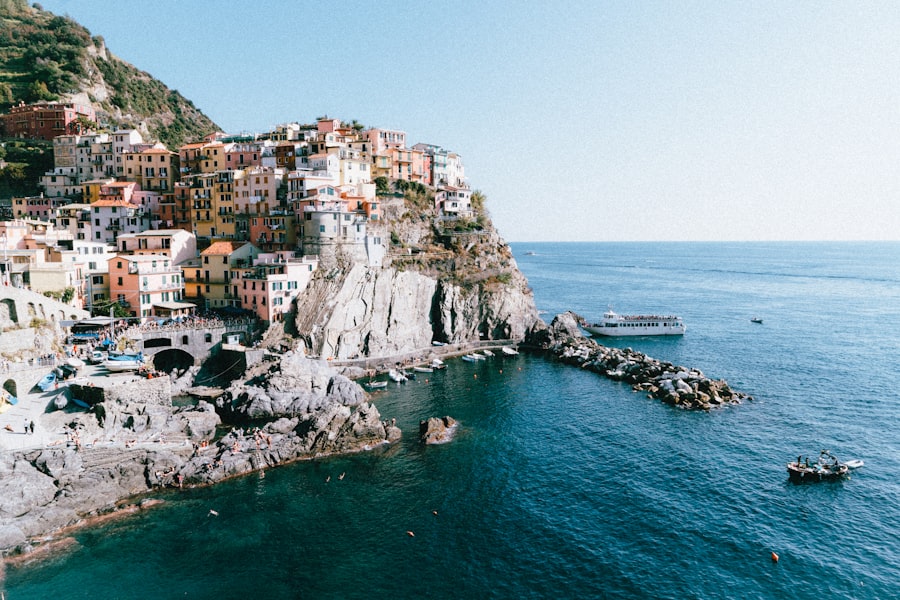
In contrast, the Swiss Alps provide a playground for skiing and snowboarding during winter months while offering hiking trails that reveal stunning panoramas in summer. The region’s commitment to preserving its natural beauty ensures that visitors can enjoy pristine environments year-round. National parks across Evropa, such as Plitvice Lakes in Croatia and Cinque Terre in Italy, showcase unique ecosystems that are perfect for exploration and photography.
Shopping and local markets
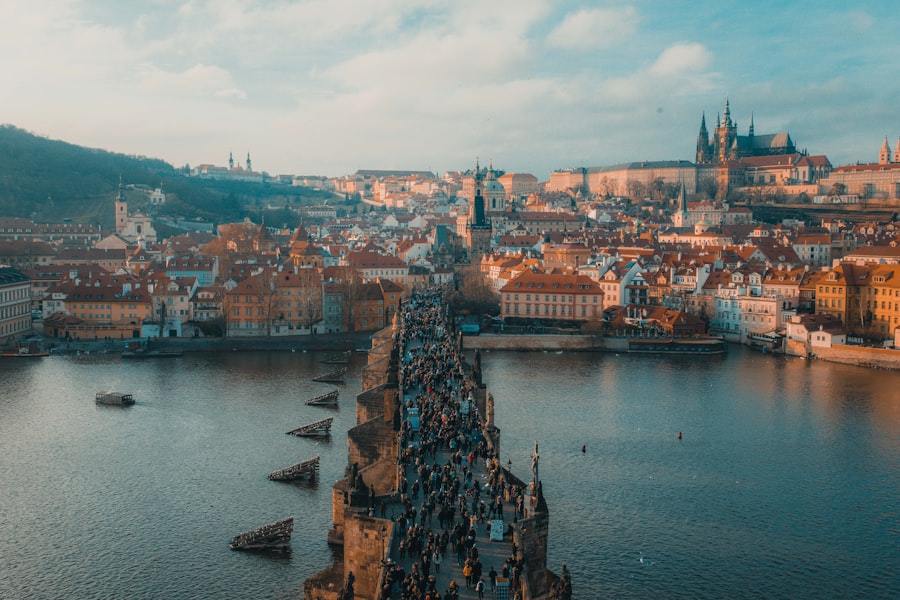
Shopping in Evropa is an experience that transcends mere consumerism; it is an opportunity to engage with local culture and craftsmanship. Major cities like Paris and Milan are renowned for their high-end fashion boutiques and designer stores that attract style aficionados from around the world. The Champs-Élysées in Paris offers a blend of luxury brands alongside charming cafes where shoppers can take a break.
Local markets are another highlight for those seeking authentic souvenirs and culinary delights. The Mercado de San Miguel in Madrid is a bustling food market where visitors can sample tapas while browsing artisanal products. Similarly, the Grand Bazaar in Istanbul presents an array of textiles, spices, and handcrafted goods that reflect Turkey’s rich heritage.
Engaging with local vendors not only supports small businesses but also provides insight into regional traditions.
Art and museums
Evropa boasts an impressive array of art galleries and museums that house some of the world’s most celebrated masterpieces. The Louvre in Paris is an iconic institution that attracts millions annually with its vast collection spanning thousands of years. Home to works such as the Mona Lisa and the Venus de Milo, this museum offers visitors an unparalleled glimpse into human creativity.
In addition to major institutions, smaller galleries throughout Evropa showcase contemporary artists and emerging talent. The Tate Modern in London exemplifies this trend by presenting innovative works that challenge traditional notions of art. Visitors can participate in guided tours or workshops that deepen their understanding of artistic movements while fostering appreciation for diverse forms of expression.
Nightlife and entertainment
The nightlife scene across Evropa is as varied as its cultures, offering something for everyone—from lively bars to sophisticated clubs. Cities like Berlin are renowned for their vibrant electronic music scene, with venues such as Berghain attracting international DJs and partygoers seeking unforgettable experiences. The city’s nightlife thrives on creativity and inclusivity, making it a hub for those looking to dance until dawn.
Conversely, cities like Barcelona offer a more laid-back atmosphere with beachside bars where visitors can enjoy cocktails while watching the sunset over the Mediterranean Sea. Tapas bars come alive at night as locals gather to socialize over small plates and drinks. The diversity in nightlife options ensures that every traveler can find their niche while exploring Evropa after dark.
Local customs and traditions
Understanding local customs is essential for travelers seeking an authentic experience in Evropa. Each country has its unique traditions that reflect its history and values. For instance, in Spain, the tradition of siesta emphasizes the importance of rest during midday hours, influencing daily schedules across the country.
In Italy, family gatherings are central to social life, often revolving around shared meals that celebrate culinary heritage. Participating in communal dining experiences allows visitors to connect with locals on a personal level while savoring traditional dishes.
Embracing these customs fosters mutual respect and enriches one’s travel experience.
Accommodation options
Evropa offers a wide range of accommodation options catering to various preferences and budgets. Luxury hotels such as The Ritz in Paris provide opulent amenities and impeccable service for those seeking indulgence during their stay. Boutique hotels often reflect local character through unique designs and personalized experiences.
For budget-conscious travelers, hostels present an affordable alternative while fostering social interaction among guests from around the world. Additionally, vacation rentals through platforms like Airbnb allow visitors to immerse themselves in local neighborhoods while enjoying home-like comforts. Regardless of choice, accommodations across Evropa prioritize guest satisfaction and comfort.
Tips for exploring Evropa
To make the most of your journey through Evropa, consider these practical tips: 1. **Plan Ahead**: Research destinations before arrival to maximize your time exploring.
**Public Transport**: Utilize efficient public transportation systems available in most cities for easy navigation.
3.
**Local Etiquette**: Familiarize yourself with cultural norms to show respect towards locals.
4. **Language Basics**: Learning a few key phrases in the local language can enhance interactions.
5. **Travel Insurance**: Consider obtaining travel insurance for peace of mind during your trip.
6.
**Stay Hydrated**: Carry water while exploring to stay refreshed throughout your adventures.
7. **Culinary Exploration**: Don’t hesitate to try street food; it often reflects authentic local flavors.
8. **Flexible Itinerary**: Allow room for spontaneity; some of the best experiences come from unplanned moments.
In summary, Evropa is a continent rich in history, culture, and natural beauty that offers something for every traveler. From its iconic landmarks and culinary delights to vibrant festivals and outdoor adventures, each aspect contributes to an unforgettable experience. By embracing local customs and exploring diverse regions, visitors can create lasting memories while discovering the essence of this remarkable land.
If you’re looking to add a festive touch to your holiday decor, you might find inspiration in the article about mini Christmas trees. These charming decorations can bring a delightful ambiance to any space, making them a perfect addition to your celebrations. You can read more about it in this article: Mini Christmas Trees: A Festive Touch for Any Space.
FAQs
What is Evropa?
Evropa is the word for “Europe” in several Slavic languages, including Russian, Bulgarian, and Serbian. It refers to the continent of Europe, which is located entirely in the Northern Hemisphere and mostly in the Eastern Hemisphere.
Where is Evropa located?
Evropa, or Europe, is a continent situated to the north of Africa, west of Asia, and east of the Atlantic Ocean. It is bordered by the Arctic Ocean to the north and the Mediterranean Sea to the south.
How many countries are there in Evropa?
Europe consists of approximately 44 to 50 countries, depending on the definition and political recognition. Some commonly recognized countries include France, Germany, Italy, Russia (partly in Europe), and the United Kingdom.
What languages are spoken in Evropa?
Europe is linguistically diverse, with hundreds of languages spoken across the continent. Major language families include Romance (e.g., French, Italian, Spanish), Germanic (e.g., English, German, Dutch), Slavic (e.g., Russian, Polish, Bulgarian), and others such as Greek, Baltic, and Celtic languages.
What is the significance of Evropa in history?
Europe has played a central role in world history, including the development of Western civilization, the Renaissance, the Industrial Revolution, and both World Wars. It has been a major center for art, science, philosophy, and political thought.
What are some major geographical features of Evropa?
Europe features diverse geography including mountain ranges like the Alps and the Pyrenees, major rivers such as the Danube and the Rhine, extensive coastlines, and large plains like the North European Plain.
What is the European Union?
The European Union (EU) is a political and economic union of 27 European countries that collaborate on policies, trade, and legislation to promote integration and stability within Evropa.
What is the population of Evropa?
Europe has a population of approximately 740 million people, making it the third most populous continent after Asia and Africa.
What are some cultural highlights of Evropa?
Europe is known for its rich cultural heritage, including classical music, art, literature, architecture, and cuisine. It is home to many UNESCO World Heritage sites and famous cities like Paris, Rome, and London.
What is the climate like in Evropa?
Europe has a varied climate ranging from Arctic conditions in the north to Mediterranean climates in the south. Most of the continent experiences temperate weather with four distinct seasons.