Now Reading: Exploring the Charms of Denmark
-
01
Exploring the Charms of Denmark
Exploring the Charms of Denmark
Denmark, a Scandinavian country, is located between the North Sea and Baltic Sea with approximately 5.8 million inhabitants. The nation is known for its progressive social policies, high living standards, and environmental sustainability initiatives. Copenhagen, the capital, features numerous historical sites and contemporary cultural attractions.
The Danish cultural concept of “hygge” emphasizes comfort and social connection in everyday life. Denmark consistently ranks among the world’s happiest countries, reflecting its strong focus on equality, community welfare, and environmental responsibility. The country’s geographic position has historically made it an important center for trade and cultural exchange throughout Northern Europe.
Key Takeaways
- Denmark offers a rich blend of history, culture, and modern innovation.
- Danish cuisine features unique culinary delights rooted in tradition.
- The country is known for its stunning architecture and picturesque natural landscapes.
- Vibrant cities and charming coastal towns provide diverse travel experiences.
- Travelers should be aware of local customs, festivals, and practical tips for a smooth visit.
Danish Cuisine and Culinary Delights
Danish cuisine is a delightful reflection of the country’s agricultural heritage and coastal resources. Traditional dishes often feature fresh, locally sourced ingredients, with an emphasis on simplicity and flavor. One of the most iconic elements of Danish gastronomy is the open-faced sandwich known as “smørrebrød.” Typically served on rye bread, these sandwiches are adorned with a variety of toppings such as pickled herring, roast beef, or shrimp, often accompanied by fresh herbs and vegetables.
In recent years, Denmark has gained international acclaim for its innovative culinary scene, particularly in Copenhagen. The city is home to several Michelin-starred restaurants, including the world-renowned Noma, which has been lauded for its focus on foraging and seasonal ingredients. The New Nordic cuisine movement has revolutionized the way food is prepared and presented, emphasizing sustainability and local produce.
Visitors can indulge in culinary experiences that range from traditional fare to avant-garde dining, showcasing the versatility and creativity of Danish chefs.
The Rich History and Culture of Denmark
Denmark’s history is a tapestry woven with tales of Viking conquests, royal dynasties, and cultural revolutions. The Viking Age (circa 793-1066 AD) marked a significant period in Danish history when seafaring Norsemen explored vast territories across Europe and beyond. This era left an indelible mark on the nation’s identity, with remnants of Viking settlements still visible today in archaeological sites and museums.
The cultural landscape of Denmark has been shaped by influential figures such as Hans Christian Andersen, whose fairy tales have enchanted generations worldwide. The legacy of the Danish Golden Age in the 19th century saw a flourishing of arts and literature, with notable contributions from painters like Caspar David Friedrich and writers like Søren Kierkegaard. Today, Denmark continues to celebrate its rich cultural heritage through various festivals, museums, and artistic endeavors that honor both historical and contemporary contributions.
Exploring the Stunning Architecture of Denmark
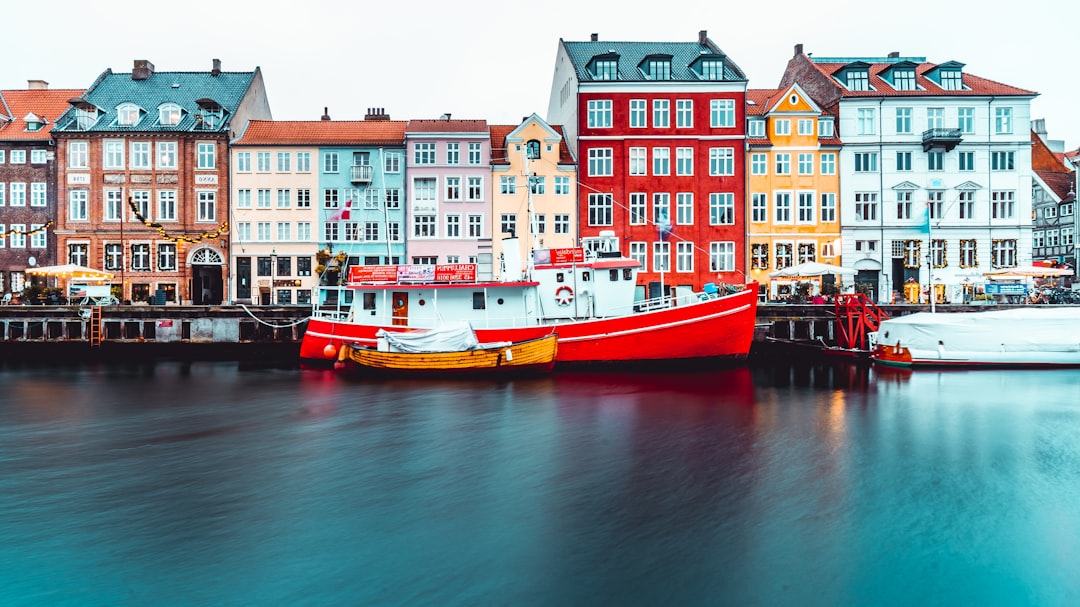
Denmark’s architectural landscape is a harmonious blend of historical grandeur and modern innovation. The capital city of Copenhagen showcases an array of architectural styles that reflect the nation’s evolution over centuries. From the iconic Nyhavn waterfront with its colorful 17th-century townhouses to the majestic Rosenborg Castle, visitors can witness the beauty of Danish architecture firsthand.
Modern architectural marvels also dot the skyline, with structures like the Copenhagen Opera House and the Royal Danish Playhouse exemplifying cutting-edge design. The integration of sustainability into architecture is a hallmark of contemporary Danish design philosophy. Buildings are often constructed with eco-friendly materials and energy-efficient technologies, reflecting Denmark’s commitment to environmental stewardship.
Exploring these architectural wonders provides insight into the nation’s values and aspirations.
The Natural Beauty of Denmark: Landscapes and Scenery
| Metric | Value |
|---|---|
| Capital | Copenhagen |
| Population | 5.9 million (2024 estimate) |
| Area | 42,933 km² |
| Official Language | Danish |
| GDP (Nominal) | Approximately 450 billion |
| Currency | Danish Krone (DKK) |
| Life Expectancy | 81 years |
| Unemployment Rate | 4.5% |
| Internet Penetration | 98% |
| Renewable Energy Usage | 47% |
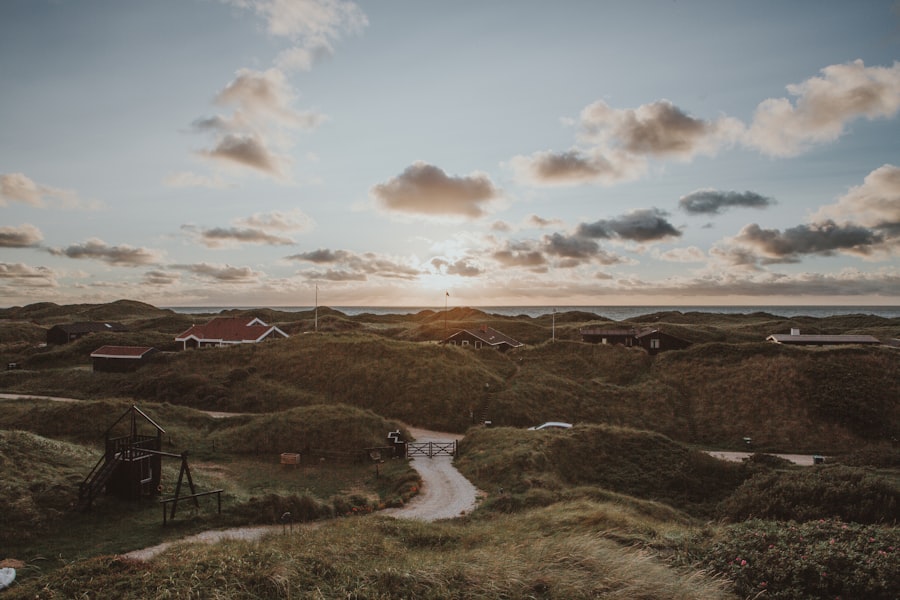
Denmark’s natural beauty is characterized by diverse landscapes that range from rolling hills to pristine coastlines. The country is home to numerous national parks and protected areas that showcase its ecological richness. One such gem is Mols Bjerge National Park, where visitors can hike through lush forests and enjoy breathtaking views of the surrounding countryside.
The coastline is dotted with picturesque beaches that invite relaxation and recreation. The white sandy shores of Skagen, where the North Sea meets the Baltic Sea, are particularly famous for their stunning sunsets and unique light that has inspired countless artists. Additionally, Denmark’s many islands offer opportunities for exploration, each with its own distinct charm and natural wonders.
Whether it’s cycling through scenic countryside or strolling along coastal paths, Denmark’s landscapes provide a serene backdrop for outdoor enthusiasts.
The Charming Coastal Towns of Denmark
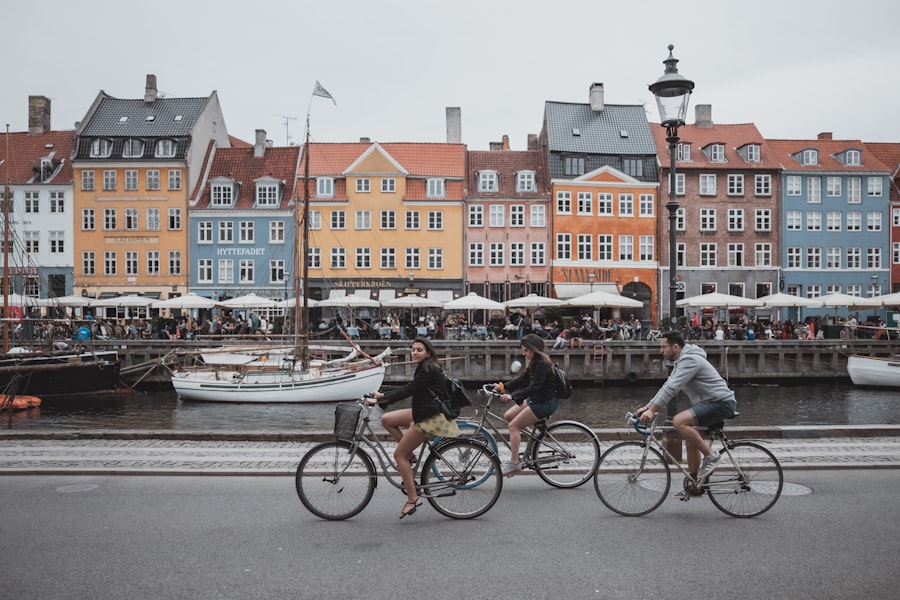
Denmark’s coastal towns exude charm and character, each offering a unique glimpse into the country’s maritime heritage. Towns like Aarhus and Odense are not only picturesque but also steeped in history. Aarhus, Denmark’s second-largest city, boasts a vibrant cultural scene alongside its beautiful harbor area.
Visitors can explore the ARoS Aarhus Art Museum or wander through the historic Latin Quarter filled with quaint shops and cafes. Odense, the birthplace of Hans Christian Andersen, invites visitors to delve into the world of fairy tales through its dedicated museum and charming streets lined with half-timbered houses. Coastal towns like Sæby and Gilleleje provide idyllic settings for relaxation by the sea, with opportunities for fishing, sailing, or simply enjoying fresh seafood at local eateries.
These towns embody the essence of Danish coastal life, where tradition meets modernity in a harmonious blend.
Danish Design and Innovation
Denmark is synonymous with exceptional design and innovation, particularly in furniture and industrial design. The principles of functionality, simplicity, and aesthetics are at the core of Danish design philosophy. Renowned designers such as Hans Wegner and Arne Jacobsen have left an indelible mark on the global design landscape with their iconic creations that seamlessly blend form and function.
Copenhagen Design Week showcases the latest trends in design and innovation, attracting designers from around the world to share their ideas and creations. The emphasis on sustainability is also evident in contemporary Danish design practices, where eco-friendly materials are prioritized in product development. Visitors can explore design showrooms and galleries that highlight both classic pieces and cutting-edge innovations that reflect Denmark’s commitment to quality craftsmanship.
Danish Traditions and Festivals
Danish traditions are deeply rooted in history and often revolve around seasonal celebrations that bring communities together.
This event symbolizes the arrival of summer and is marked by gatherings where families and friends come together to enjoy food and drink.
Another significant celebration is Christmas (Jul), which is characterized by festive decorations, traditional foods like roast duck or goose, and the lighting of candles on Advent wreaths. The Danish concept of “julefrokost,” or Christmas lunch, involves indulging in a lavish spread of traditional dishes shared among family members or colleagues. These festivals not only showcase Denmark’s rich cultural heritage but also foster a sense of community and togetherness among its people.
Outdoor Activities and Adventure in Denmark
Denmark’s diverse landscapes offer ample opportunities for outdoor activities and adventure enthusiasts. Cycling is a popular pastime throughout the country, with an extensive network of bike paths that make it easy to explore urban areas as well as scenic countryside routes. The city of Copenhagen is particularly bike-friendly, encouraging residents and visitors alike to embrace this eco-friendly mode of transportation.
For those seeking more adrenaline-pumping activities, Denmark’s coastline provides opportunities for water sports such as windsurfing, kayaking, and sailing. The rugged cliffs of Møn offer breathtaking views for hikers looking to explore nature trails while enjoying panoramic vistas of the Baltic Sea. Additionally, winter sports enthusiasts can find opportunities for skiing or snowboarding in designated areas during colder months.
Whether it’s cycling through picturesque villages or engaging in thrilling water sports along the coast, Denmark caters to outdoor adventurers year-round.
Exploring the Vibrant Cities of Denmark
Denmark’s cities are vibrant hubs brimming with culture, history, and modernity. Copenhagen stands out as a cosmopolitan capital known for its eclectic neighborhoods such as Vesterbro and Nørrebro, each offering unique experiences ranging from trendy cafes to artistic enclaves. The iconic Tivoli Gardens amusement park provides entertainment for all ages with its enchanting gardens and thrilling rides.
Aarhus offers a blend of youthful energy and historical charm as home to one of Denmark’s largest universities. The city’s cultural institutions include the ARoS Aarhus Art Museum featuring contemporary art exhibitions alongside historical artifacts at Den Gamle By (The Old Town). Odense captivates visitors with its fairy-tale ambiance while showcasing Andersen’s legacy through various attractions dedicated to his life’s work.
Tips for Traveling to Denmark: What to Know Before You Go
Traveling to Denmark requires some preparation to ensure an enjoyable experience. First and foremost, familiarize yourself with local customs such as greeting people with a handshake or saying “tak” (thank you) frequently during interactions. English proficiency is high among Danes; however learning basic Danish phrases can enhance your interactions.
When planning your itinerary consider purchasing a Copenhagen Card which grants access to numerous attractions along with public transportation benefits within the city limits. Additionally be mindful of Denmark’s weather conditions; pack layers as temperatures can fluctuate throughout the day even during summer months. In conclusion, Denmark offers an enchanting blend of history, culture, culinary delights, stunning architecture, natural beauty, charming coastal towns, innovative design traditions festivals outdoor adventures vibrant cities making it an ideal destination for travelers seeking diverse experiences within one captivating country.
Denmark, known for its rich cultural heritage and progressive values, has a unique approach to holidays and celebrations that often reflects its societal values. For those interested in exploring how different countries celebrate their national days, you might find it intriguing to read about America’s federal holidays in the article on federal holidays. This article provides insights into how various national days are observed in the United States, offering a contrast to Denmark’s own holiday traditions.
FAQs
What is Denmark?
Denmark is a Nordic country located in Northern Europe. It consists of the Jutland Peninsula and numerous islands, with Copenhagen as its capital city.
What is the population of Denmark?
As of recent estimates, Denmark has a population of approximately 5.9 million people.
What language is spoken in Denmark?
The official language of Denmark is Danish.
What type of government does Denmark have?
Denmark is a constitutional monarchy with a parliamentary system. The monarch is the head of state, and the Prime Minister is the head of government.
What currency is used in Denmark?
Denmark uses the Danish krone (DKK) as its official currency.
Is Denmark a member of the European Union?
Yes, Denmark is a member of the European Union but has opted out of certain aspects such as the Euro currency and some justice and home affairs policies.
What is Denmark known for?
Denmark is known for its high quality of life, strong welfare system, design and architecture, cycling culture, and contributions to renewable energy.
What is the climate like in Denmark?
Denmark has a temperate maritime climate, characterized by mild winters, cool summers, and moderate rainfall throughout the year.
What are some popular tourist attractions in Denmark?
Popular attractions include Tivoli Gardens in Copenhagen, the historic city of Aarhus, the Viking Ship Museum in Roskilde, and the scenic landscapes of Zealand and Funen islands.
What is the education system like in Denmark?
Denmark has a well-developed education system with free and compulsory education for children between ages 6 and 16, and a strong emphasis on higher education and research.