Now Reading: Exploring the Charming City of Minsk
-
01
Exploring the Charming City of Minsk
Exploring the Charming City of Minsk
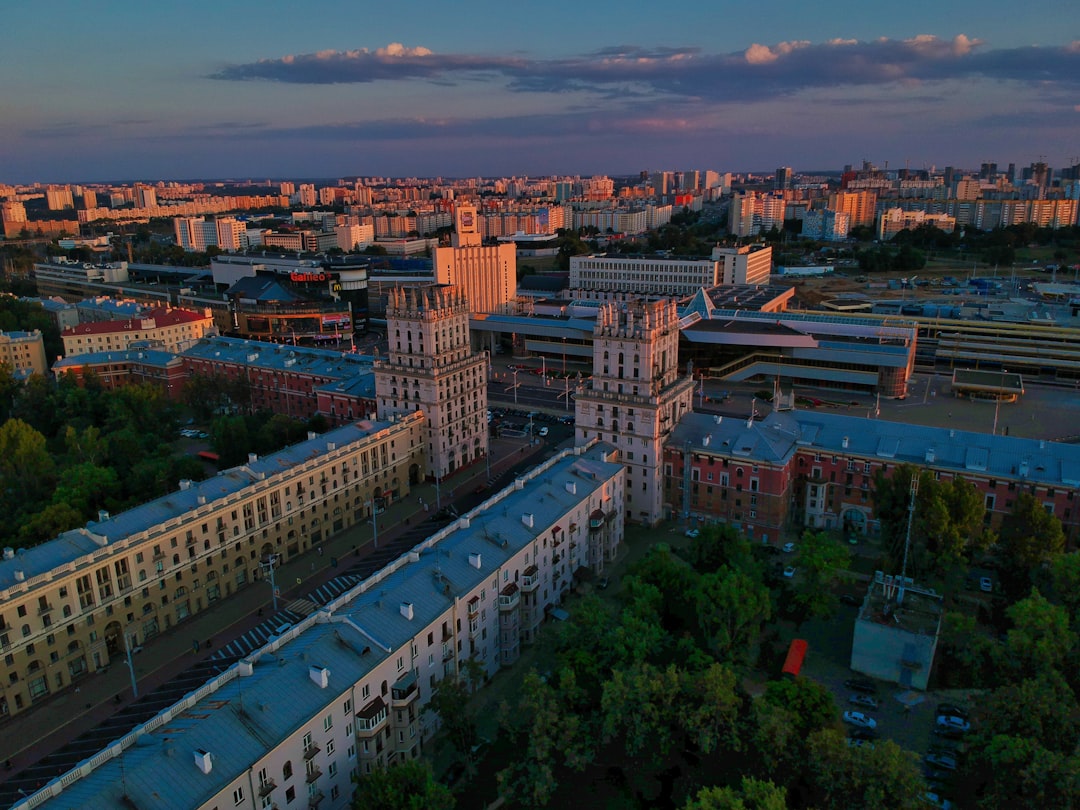
Minsk serves as the capital and largest city of Belarus, with a population of approximately 2 million residents. The city functions as the country’s primary political, economic, and cultural center. Minsk’s urban landscape features wide boulevards and extensive Soviet-era architecture, alongside a developing contemporary arts sector.
The city’s infrastructure includes comprehensive public transportation systems and pedestrian-friendly areas that facilitate navigation for visitors. Minsk contains various historical sites, cultural institutions, and modern facilities. The city offers museums, galleries, restaurants, and entertainment venues that reflect both its historical development and current cultural trends.
Minsk’s location in Eastern Europe positions it as a regional hub, though it receives fewer international visitors compared to other capitals in the region. The city’s amenities and attractions accommodate different interests, including historical tourism, culinary experiences, and cultural activities.
Key Takeaways
- Minsk offers a rich blend of history, culture, and modern attractions, making it a unique Eastern European destination.
- The city boasts impressive architectural landmarks alongside lush green spaces perfect for relaxation.
- Visitors can enjoy diverse culinary experiences and vibrant arts, entertainment, and nightlife scenes.
- Minsk’s local markets, traditions, and festivals provide authentic cultural immersion opportunities.
- Practical tips and nearby day trips enhance the overall experience of exploring Minsk.
Uncovering Minsk’s Rich History and Culture
Minsk’s history dates back over 1,000 years, with its first recorded mention in 1067. The city has witnessed numerous transformations throughout the centuries, from its early days as a trading post to its role as a significant center during the Soviet era. The impact of World War II was profound, as much of the city was destroyed during the conflict.
However, it was rebuilt in the post-war period, leading to the development of its distinctive architectural style. Culturally, Minsk is a melting pot of influences that reflect its diverse past. The city is home to several museums and galleries that showcase Belarusian art and history.
The National Museum of History and Culture offers an extensive collection that spans from ancient artifacts to contemporary works. Additionally, the Belarusian State Museum of the Great Patriotic War provides insight into the country’s experiences during World War II, featuring exhibits that honor the resilience of the Belarusian people.
Exploring Minsk’s Architectural Marvels
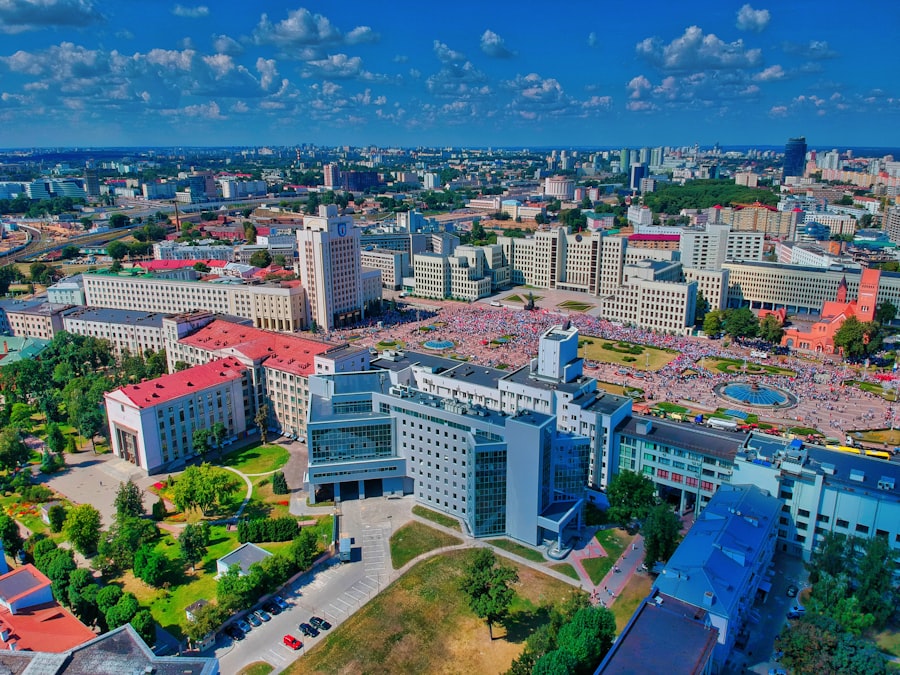
Minsk boasts an eclectic mix of architectural styles that tell the story of its evolution over time. The city’s skyline is dominated by Soviet-era structures, characterized by their monumental scale and utilitarian design. Notable examples include the House of Government and the iconic National Library of Belarus, which features a unique diamond-shaped design and serves as a cultural hub.
In contrast to these imposing structures, visitors can also find charming examples of neoclassical architecture scattered throughout the city. The Church of Saints Simon and Helena, often referred to as the Red Church due to its striking red brick exterior, is a prime example of this style. Its intricate stained glass windows and serene interior provide a peaceful retreat from the bustling city streets.
Indulging in Minsk’s Culinary Delights
Minsk’s culinary scene is a delightful reflection of Belarusian culture, offering a variety of traditional dishes that are both hearty and flavorful. One must-try dish is draniki, which are potato pancakes typically served with sour cream. Another local favorite is machanka, a rich meat stew often accompanied by fluffy pancakes or bread.
In addition to traditional fare, Minsk has seen a rise in modern dining establishments that fuse local ingredients with international flavors. Restaurants such as Bistro de Luxe and Grand Café offer innovative menus that cater to diverse palates while maintaining a connection to Belarusian culinary traditions. For those seeking a sweet treat, be sure to sample some local pastries like babka or honey cake, which are popular among both locals and visitors alike.
Getting Lost in Minsk’s Lush Green Spaces
| Metric | Value |
|---|---|
| Country | Belarus |
| Population (2024 estimate) | 2 million |
| Area | 348.84 km² |
| Time Zone | UTC+3 |
| Climate | Humid continental |
| GDP (City level estimate) | Approximately 30 billion |
| Main Industries | Manufacturing, IT, Services |
| Official Language | Belarusian, Russian |
| Founded | 1067 |
Despite being an urban center, Minsk is adorned with numerous parks and green spaces that provide residents and visitors with a breath of fresh air. The Gorky Central Park is one of the most popular recreational areas in the city, featuring walking paths, amusement rides, and picturesque lakes. It serves as an ideal spot for families and individuals looking to unwind amidst nature.
Another notable green space is the Botanical Garden, which showcases a diverse collection of flora from around the world. Visitors can stroll through themed gardens and enjoy seasonal flower displays while learning about various plant species. These green spaces not only enhance the city’s aesthetic appeal but also promote outdoor activities and community engagement.
Delving into Minsk’s Vibrant Arts and Entertainment Scene
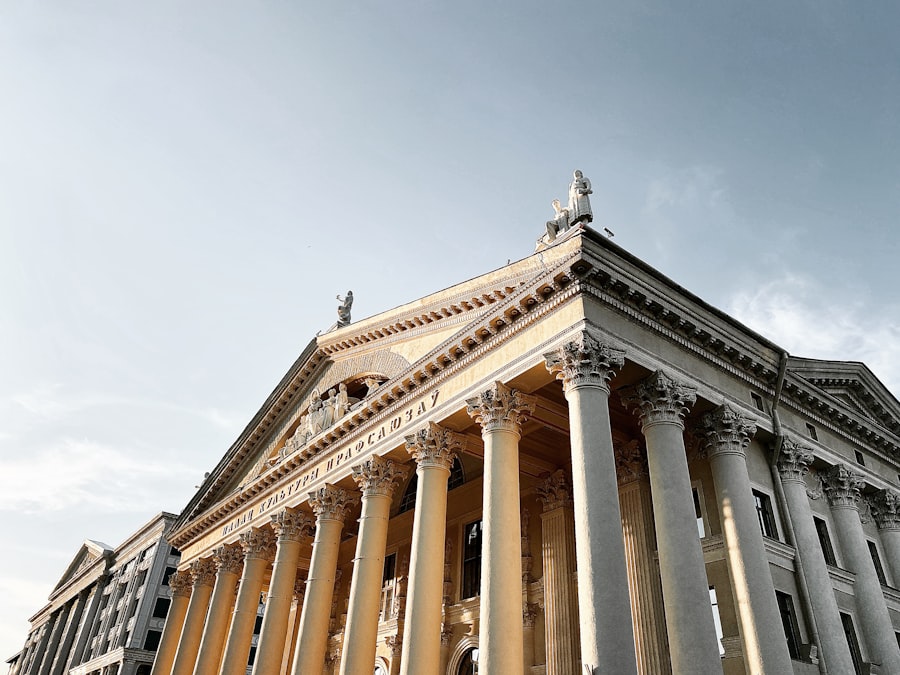
Minsk’s arts scene is thriving, with numerous theaters, galleries, and performance venues showcasing local talent and international productions. The National Academic Bolshoi Opera and Ballet Theatre is a cultural landmark where visitors can experience world-class performances in a stunning setting. The theater hosts a variety of operas and ballets throughout the year, attracting both local audiences and international visitors.
In addition to traditional performing arts, Minsk has embraced contemporary art through various galleries and exhibitions. The Y Gallery and Art Belarus are two prominent spaces that feature works by emerging artists, providing insight into the current artistic landscape of Belarus. These venues often host workshops and events that encourage community participation and foster creativity among residents.
Experiencing Minsk’s Thriving Nightlife
As the sun sets over Minsk, the city comes alive with a vibrant nightlife scene that caters to all tastes. From cozy pubs serving local brews to upscale cocktail bars offering innovative drinks, there is no shortage of options for those looking to enjoy an evening out. Popular nightlife districts such as Zybitskaya Street are lined with establishments that create an energetic atmosphere for socializing.
For those seeking live music or entertainment, venues like Re:Public and Club 108 host performances by local bands and DJs, providing an opportunity to experience Belarusian music culture firsthand. Whether you prefer dancing the night away or enjoying a quiet drink with friends, Minsk’s nightlife offers something for everyone.
Discovering Minsk’s Unique Shopping and Markets
Shopping in Minsk presents an array of opportunities for both locals and tourists alike. The city features modern shopping malls such as Galleria Minsk and Dana Mall, where visitors can find international brands alongside local boutiques. These malls often host events and exhibitions that showcase Belarusian craftsmanship and design.
For a more authentic experience, exploring local markets is highly recommended. The Komarovsky Market is one of the largest in the city, offering fresh produce, artisanal goods, and traditional Belarusian products. Here, visitors can interact with local vendors while sampling homemade delicacies or purchasing unique souvenirs to take home.
Immersing Yourself in Minsk’s Local Traditions and Festivals
Minsk is rich in traditions that reflect its cultural heritage. Throughout the year, various festivals celebrate Belarusian customs, music, and art. One notable event is Kupalle, a midsummer festival that honors ancient pagan rituals with bonfires, singing, and dancing.
This vibrant celebration attracts both locals and tourists who wish to experience authentic Belarusian culture. Another significant event is the Minsk International Film Festival “Listapad,” which showcases films from around the world while promoting Belarusian cinema. This festival provides an excellent platform for filmmakers to connect with audiences and industry professionals alike.
Day Trips and Excursions from Minsk
Minsk serves as an excellent base for exploring nearby attractions and natural wonders. One popular day trip destination is Mir Castle Complex, a UNESCO World Heritage site located approximately 90 kilometers from the city. This stunning castle features Gothic architecture and picturesque grounds that invite exploration.
Another option is visiting Brest Hero-Fortress, which holds historical significance as a symbol of resistance during World War
Navigating Minsk is relatively straightforward due to its efficient public transportation system comprising buses, trams, and metro lines. Purchasing a transport card can simplify travel within the city while saving money on fares. English signage is available in many areas; however, learning a few basic phrases in Belarusian or Russian can enhance interactions with locals.
When planning your visit, consider timing your trip around one of Minsk’s many festivals or events for an immersive cultural experience. Additionally, be sure to sample local cuisine at various eateries throughout the city to fully appreciate Belarusian flavors. In summary, Minsk is an enchanting destination that offers travelers a unique blend of history, culture, culinary delights, green spaces, vibrant arts scenes, nightlife options, shopping experiences, local traditions, day trips, and practical tips for navigating this hidden gem in Eastern Europe.
With its rich heritage and modern aspirations, Minsk invites exploration and promises unforgettable memories for all who visit.
Minsk, the capital of Belarus, has a rich history and vibrant culture that often draws comparisons to other cities in Eastern Europe. For those interested in exploring the significance of national holidays and their impact on various cultures, you might find the article on federal holidays particularly insightful. It delves into how different nations celebrate their leaders and historical events, providing a broader context that can enhance your understanding of Minsk’s own traditions and celebrations.
FAQs
What is Minsk?
Minsk is the capital and largest city of Belarus. It serves as the political, economic, cultural, and scientific center of the country.
Where is Minsk located?
Minsk is located in the central part of Belarus, situated on the Svislach and Nyamiha rivers.
What is the population of Minsk?
As of recent estimates, Minsk has a population of approximately 2 million people, making it the most populous city in Belarus.
What is the historical significance of Minsk?
Minsk has a rich history dating back to the 11th century. It has been an important center for trade, culture, and politics throughout various periods, including the Grand Duchy of Lithuania, the Polish-Lithuanian Commonwealth, the Russian Empire, and the Soviet Union.
What languages are spoken in Minsk?
The primary languages spoken in Minsk are Belarusian and Russian. Russian is widely used in daily communication, business, and government.
What is the climate like in Minsk?
Minsk has a humid continental climate, characterized by cold winters with snowfall and warm summers.
What are some key attractions in Minsk?
Key attractions in Minsk include Independence Square, Victory Square, the National Library of Belarus, the Belarusian State Museum of the Great Patriotic War, and the historic Upper Town district.
How is public transportation in Minsk?
Minsk has an extensive public transportation system, including buses, trams, trolleybuses, and a metro system that connects various parts of the city efficiently.
What is the economy of Minsk based on?
Minsk’s economy is diverse, with major sectors including manufacturing, information technology, finance, and services. It is also home to many government institutions and international organizations.
Is Minsk a safe city for tourists?
Minsk is generally considered a safe city for tourists, with low crime rates compared to many other European capitals. However, standard travel precautions are recommended.