Now Reading: Exploring the Beauty of Switzerland
-
01
Exploring the Beauty of Switzerland
Exploring the Beauty of Switzerland

The Swiss Alps are a mountain range extending approximately 1,200 kilometers across Switzerland and neighboring countries. This region contains several of Europe’s highest peaks, including the Matterhorn at 4,478 meters and the Jungfrau at 4,158 meters. The landscape consists of high-altitude peaks, valleys, and glacial formations that attract millions of tourists annually.
The region supports a year-round tourism industry centered on outdoor recreation.
Moritz.
Summer activities focus on hiking and mountaineering, with an extensive trail system providing access to alpine terrain. The seasonal variation in vegetation includes wildflower blooms and alpine flora during warmer months. The Swiss Alps serve both recreational and economic functions, supporting tourism infrastructure and providing opportunities for various outdoor activities across different seasons.
The region’s elevation and climate create distinct environmental zones that support diverse recreational uses throughout the year.
Key Takeaways
- The Swiss Alps offer breathtaking mountain landscapes and outdoor activities.
- Switzerland’s lakes and charming villages provide enchanting natural and cultural experiences.
- Rich cultural heritage and picturesque cities showcase Switzerland’s unique traditions and architecture.
- Scenic train journeys highlight the country’s stunning scenery and efficient transportation.
- Swiss cuisine, including world-famous chocolate and cheese, reflects the nation’s culinary delights.
The Enchanting Lakes of Switzerland
Switzerland is renowned for its stunning lakes, each offering a unique charm and breathtaking scenery. Among the most famous is Lake Geneva, which stretches across the border with France and is surrounded by picturesque towns such as Montreux and Lausanne. The lake’s azure waters reflect the surrounding mountains, creating a mesmerizing panorama that enchants visitors.
Activities such as sailing, swimming, and lakeside picnicking are popular here, allowing individuals to immerse themselves in the serene beauty of the landscape. Another gem is Lake Lucerne, nestled amidst towering mountains and dotted with charming villages. The lake is famous for its crystal-clear waters and scenic boat cruises that provide an unparalleled view of the surrounding peaks.
Visitors can explore the historic Chapel Bridge in Lucerne or take a cable car ride up to Mount Pilatus for breathtaking vistas. Each lake in Switzerland tells its own story, offering opportunities for relaxation and adventure alike, making them essential stops on any Swiss itinerary.
The Charming Swiss Villages
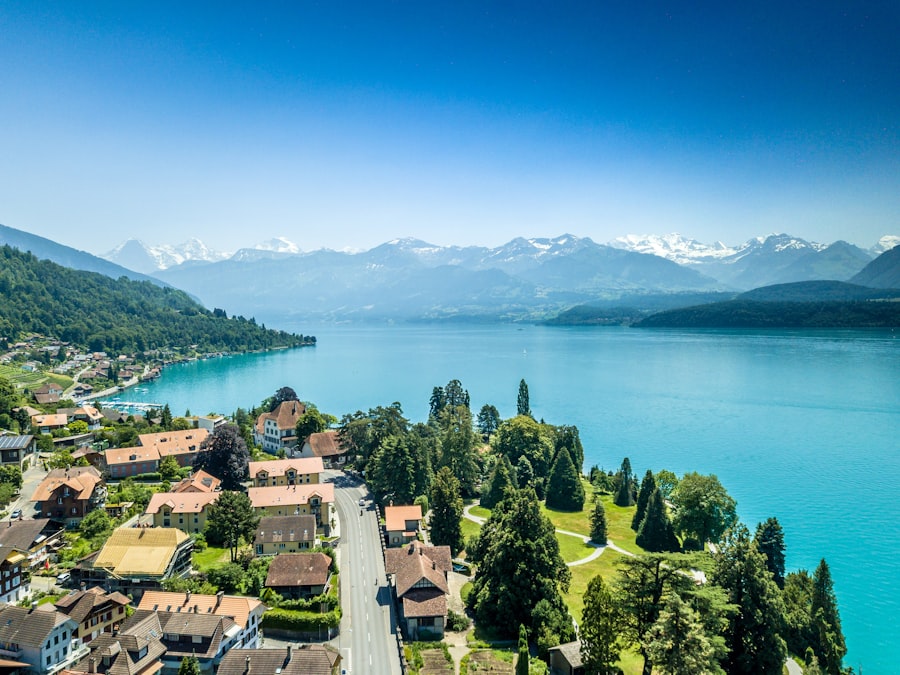
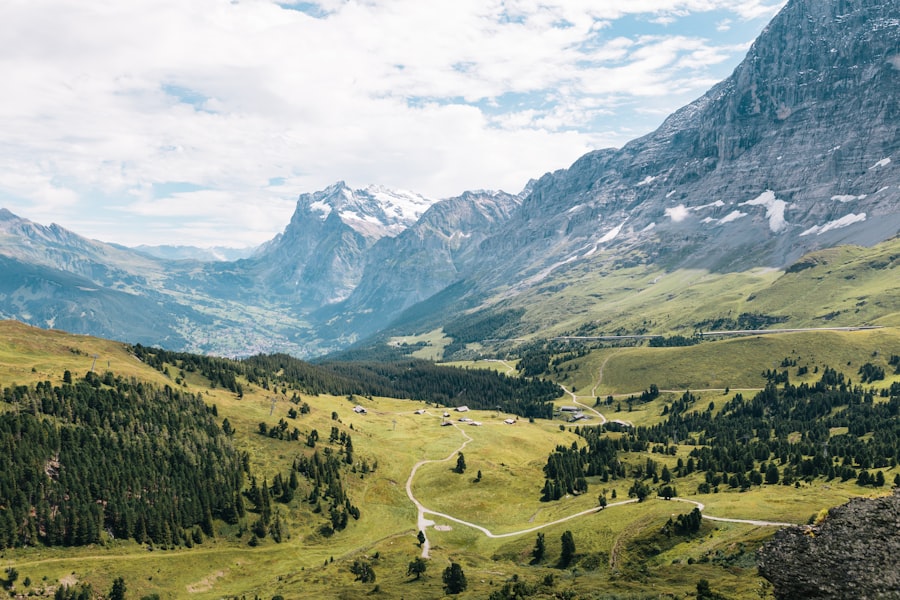
Switzerland’s villages exude an undeniable charm that transports visitors back in time. Nestled in valleys or perched on hillsides, these quaint settlements are characterized by their traditional wooden chalets, cobblestone streets, and vibrant flower boxes. One such village is Grindelwald, known for its stunning views of the Eiger mountain and its proximity to numerous hiking trails.
The village serves as a gateway to adventure while maintaining its rustic charm, with local shops and eateries that showcase Swiss hospitality. Another enchanting village is Lauterbrunnen, often referred to as the “Valley of 72 Waterfalls.” This picturesque locale is surrounded by towering cliffs and cascading waterfalls, creating a dramatic backdrop for exploration. Visitors can wander through lush meadows and enjoy the tranquility of nature while experiencing the warmth of local culture.
These villages not only offer stunning scenery but also provide insight into Switzerland’s rich traditions and way of life.
The Rich Cultural Heritage of Switzerland
Switzerland boasts a rich cultural heritage shaped by its diverse linguistic regions: German, French, Italian, and Romansh. This multicultural tapestry is reflected in its festivals, architecture, and traditions. The annual Fête de l’Escalade in Geneva celebrates the city’s victory over an invasion in 1602 with parades, music, and traditional foods.
Similarly, the Montreux Jazz Festival attracts music lovers from around the world, showcasing a blend of genres against the stunning backdrop of Lake Geneva. Architecturally, Switzerland is a treasure trove of historical landmarks ranging from medieval castles to modern masterpieces. The Château de Chillon on Lake Geneva is one of the most visited historic sites in Switzerland, offering insights into the country’s feudal past.
In contrast, cities like Zurich and Basel showcase contemporary art and design through their vibrant galleries and museums. This cultural richness invites visitors to explore not only the scenic beauty but also the stories that have shaped this remarkable nation.
The Scenic Swiss Train Journeys
| Metric | Value |
|---|---|
| Capital | Bern |
| Population | 8.7 million (2024 estimate) |
| Area | 41,290 km² |
| Official Languages | German, French, Italian, Romansh |
| GDP (Nominal) | Approximately 824 billion |
| Currency | Swiss Franc (CHF) |
| Life Expectancy | 83.6 years |
| Unemployment Rate | 2.1% |
| Major Industries | Finance, Pharmaceuticals, Machinery, Tourism |
| Climate | Temperate with four distinct seasons |
Traveling through Switzerland by train is an experience that combines efficiency with breathtaking scenery. The Swiss Federal Railways operates an extensive network that connects major cities and remote villages alike. One of the most iconic routes is the Glacier Express, often dubbed the “slowest express train in the world.” This journey takes passengers through stunning landscapes, including deep gorges, picturesque valleys, and snow-capped peaks, all while enjoying gourmet dining onboard.
Another remarkable route is the Bernina Express, which traverses the Swiss Alps and offers panoramic views of glaciers and alpine lakes. This journey is particularly enchanting during autumn when the foliage transforms into a vibrant tapestry of colors. Train travel in Switzerland not only provides convenience but also allows travelers to immerse themselves in the country’s natural beauty without the distractions of urban life.
The Delightful Swiss Cuisine
Swiss cuisine is a delightful fusion of flavors influenced by its diverse cultural heritage. Renowned for its cheese varieties such as Emmental and Gruyère, Switzerland has earned a reputation as a cheese lover’s paradise. Fondue, a traditional dish made by melting cheese with wine and served with bread for dipping, is a must-try experience that brings people together around the table.
In addition to cheese, Swiss chocolate is world-famous for its quality and craftsmanship. Brands like Lindt and Toblerone have become synonymous with indulgence. Visitors can explore chocolate factories to witness the production process firsthand and sample delectable treats.
Furthermore, regional specialties such as rösti (a potato dish) and Zürcher Geschnetzeltes (sliced veal in cream sauce) showcase the country’s culinary diversity. Dining in Switzerland is not just about sustenance; it’s an exploration of flavors that reflects its rich cultural tapestry.
The Allure of Swiss Chocolate and Cheese
Swiss chocolate and cheese are two culinary treasures that have garnered international acclaim. The meticulous craftsmanship involved in chocolate production has made Switzerland synonymous with high-quality confections. From artisanal shops to large-scale factories, visitors can indulge in tastings that highlight various cocoa percentages and flavor profiles.
Chocolate lovers can even participate in workshops to create their own sweet masterpieces. Cheese production in Switzerland is equally impressive, with over 450 varieties produced across different regions. The process often involves traditional methods passed down through generations.
Cheese enthusiasts can visit local dairies to learn about cheese-making techniques while sampling fresh products straight from the source. Whether it’s enjoying a slice of aged Gruyère or savoring a creamy fondue, these culinary delights are integral to Switzerland’s identity.
The Picturesque Swiss Cities
Switzerland’s cities are vibrant hubs that blend modernity with historical charm. Zurich stands out as the largest city, known for its financial district as well as its rich cultural scene. Visitors can explore world-class museums like the Kunsthaus Zurich or stroll along Lake Zurich’s promenade while enjoying stunning views of the Alps in the distance.
Geneva, often referred to as the “Capital of Peace,” is home to numerous international organizations and boasts a cosmopolitan atmosphere. The Jet d’Eau fountain on Lake Geneva is an iconic landmark that symbolizes the city’s spirit. Meanwhile, Bern, Switzerland’s capital city, enchants visitors with its well-preserved medieval architecture and charming old town—a UNESCO World Heritage site—where cobblestone streets lead to historic landmarks like the Zytglogge clock tower.
The Thriving Swiss Wildlife
Switzerland’s diverse ecosystems provide habitats for an array of wildlife species that thrive in both mountainous regions and lush valleys. The Swiss National Park in Graubünden is a prime example of conservation efforts aimed at protecting native flora and fauna. Here, visitors may encounter ibexes scaling rocky cliffs or chamois grazing in meadows while enjoying guided tours that educate about local biodiversity.
Birdwatchers will find delight in observing species such as golden eagles soaring above alpine peaks or migratory birds resting along lakeshores during seasonal migrations.
The Serene Swiss Countryside
The Swiss countryside offers an idyllic escape from urban life, characterized by rolling hills, verdant pastures, and charming farms dotting the landscape. Regions like Emmental are famous for their picturesque scenery and traditional dairy farms where visitors can witness cheese production firsthand while enjoying fresh dairy products. The countryside also provides ample opportunities for outdoor activities such as cycling along scenic routes or hiking through tranquil forests.
Many villages host seasonal festivals celebrating local traditions—such as harvest festivals—allowing visitors to immerse themselves in rural culture while savoring homemade delicacies.
The Adventure Activities in Switzerland
For thrill-seekers, Switzerland presents an abundance of adventure activities set against stunning backdrops. From paragliding over breathtaking landscapes to bungee jumping from iconic bridges like the Verzasca Dam, adrenaline-pumping experiences abound throughout this alpine paradise. Hiking enthusiasts can tackle challenging trails leading to breathtaking viewpoints or embark on multi-day treks through remote areas where nature reigns supreme.
Additionally, water sports such as white-water rafting on rivers like the Aare provide exhilarating experiences for those seeking adventure on land or water. In summary, Switzerland captivates visitors with its majestic landscapes ranging from towering mountains to serene lakes while offering rich cultural experiences through charming villages and vibrant cities alike. With delectable cuisine featuring world-renowned chocolate and cheese alongside thrilling outdoor activities available year-round—Switzerland truly embodies a harmonious blend of nature’s beauty and human creativity that leaves lasting impressions on all who visit this enchanting country.
Switzerland is known for its stunning landscapes and high quality of life, but it also has a unique approach to holidays and work-life balance. For those interested in understanding how different countries manage their holidays, you might find the article on federal holidays insightful. It discusses various federal holidays and their implications, which can provide a comparative perspective to Switzerland’s holiday practices. You can read more about it in this article: Federal Holidays: What You Need to Know.
FAQs
What is Switzerland known for?
Switzerland is known for its stunning Alpine landscapes, high-quality watches, chocolates, banking system, and political neutrality. It is also famous for its efficient public transportation and multilingual culture.
What languages are spoken in Switzerland?
Switzerland has four official languages: German, French, Italian, and Romansh. The predominant language varies by region, with German being the most widely spoken.
What is the capital of Switzerland?
The capital of Switzerland is Bern. It is the de facto capital where the federal government is located.
Is Switzerland part of the European Union?
No, Switzerland is not a member of the European Union. However, it maintains close relations with the EU through various bilateral agreements.
What is the currency used in Switzerland?
The official currency of Switzerland is the Swiss Franc, abbreviated as CHF.
What is the political system of Switzerland?
Switzerland is a federal directorial republic with a system of direct democracy. It has a Federal Council consisting of seven members who collectively serve as the head of state.
What are some popular tourist attractions in Switzerland?
Popular tourist attractions include the Matterhorn, Lake Geneva, Jungfrau region, Interlaken, Lucerne, and the cities of Zurich and Geneva.
What is the climate like in Switzerland?
Switzerland has a temperate climate with four distinct seasons. The climate varies by altitude, with colder temperatures and more snowfall in the mountainous regions.
Is Switzerland famous for any sports?
Yes, Switzerland is famous for winter sports such as skiing and snowboarding. It also has a strong tradition in tennis, with famous players like Roger Federer.
What is the population of Switzerland?
As of recent estimates, Switzerland has a population of approximately 8.5 million people.