Now Reading: Exploring the Beauty of New Caledonia
-
01
Exploring the Beauty of New Caledonia
Exploring the Beauty of New Caledonia

New Caledonia, an archipelago located in the southwest Pacific Ocean, is a French territory renowned for its breathtaking landscapes, rich cultural heritage, and diverse ecosystems. Comprising the main island of Grande Terre, the Loyalty Islands, and several smaller islets, this tropical paradise boasts a unique blend of Melanesian and European influences. The territory is characterized by its stunning coral reefs, lush rainforests, and vibrant marine life, making it a sought-after destination for travelers seeking both adventure and relaxation.
The strategic location of New Caledonia has played a significant role in its history and development. With a population of approximately 285,000 inhabitants, the territory is home to a mix of indigenous Kanak people and settlers from France and other nations. This cultural diversity is reflected in the island’s traditions, languages, and customs, creating a rich tapestry of experiences for visitors.
Key Takeaways
- New Caledonia is a stunning archipelago in the South Pacific known for its natural beauty, rich culture, and diverse marine life.
- The natural landscapes of New Caledonia are breathtaking, with lush rainforests, charming beaches, and a vibrant capital city, Noumea.
- The unique culture and traditions of the Kanak people add to the charm of New Caledonia, offering visitors a rich and immersive experience.
- The diverse marine life in New Caledonia’s waters makes it a paradise for snorkeling and diving enthusiasts, with colorful coral reefs and an abundance of marine species.
- The delicious cuisine of New Caledonia reflects its diverse cultural influences, offering a tantalizing blend of flavors and ingredients.
The Stunning Natural Landscapes
New Caledonia’s natural landscapes are nothing short of spectacular. The main island, Grande Terre, features a diverse topography that includes rugged mountains, rolling hills, and pristine beaches. The island’s interior is dominated by the Central Mountain Range, which rises to over 1,600 meters (5,250 feet) at its highest point, Mount Panie.
This mountainous region is interspersed with lush valleys and cascading waterfalls, providing ample opportunities for hiking and exploration. The coastline of New Caledonia is equally impressive, with over 2,000 kilometers (1,240 miles) of shoreline adorned with white sandy beaches and crystal-clear waters. The surrounding lagoon is one of the largest in the world, recognized as a UNESCO World Heritage site for its exceptional biodiversity.
Visitors can explore the stunning landscapes through various means, including scenic drives along coastal roads or guided tours that delve into the island’s natural wonders.
The Unique Culture and Traditions
The cultural landscape of New Caledonia is a vibrant fusion of indigenous Kanak traditions and French colonial influences. The Kanak people have inhabited the islands for thousands of years, developing a rich cultural heritage that includes traditional music, dance, and art. Visitors can experience this unique culture through various festivals and events that celebrate Kanak customs, such as the annual Kanak Cultural Festival.
Traditional ceremonies play a significant role in Kanak society, often involving elaborate rituals that honor ancestors and the natural world. The use of traditional instruments like the “bwa” (a wooden flute) and “kawaw” (a drum) during these ceremonies showcases the deep connection between the Kanak people and their environment. Additionally, visitors can explore local art galleries that feature intricate carvings and handicrafts made from natural materials.
The Diverse Marine Life
| Species | Number |
|---|---|
| Fish | 30,000 |
| Mammals | 120 |
| Reptiles | 6,000 |
| Crustaceans | 50,000 |
New Caledonia is renowned for its extraordinary marine biodiversity, making it a paradise for snorkelers and divers alike. The surrounding coral reefs are home to over 1,500 species of fish, 400 species of coral, and numerous marine mammals. The lagoon’s clear waters provide excellent visibility for underwater exploration, allowing visitors to witness the vibrant colors and intricate ecosystems that thrive beneath the surface.
Among the most notable marine species found in New Caledonia are the majestic manta rays, sea turtles, and various species of sharks. The region is also known for its unique endemic species, such as the New Caledonian sea snake. Conservation efforts are in place to protect these fragile ecosystems from threats such as overfishing and climate change.
Eco-tourism initiatives encourage responsible exploration of marine habitats while promoting awareness of their ecological significance.
The Delicious Cuisine
The culinary scene in New Caledonia reflects its diverse cultural influences, offering a delightful array of flavors that tantalize the taste buds. Traditional Kanak cuisine features fresh seafood, root vegetables like taro and yam, and tropical fruits such as mangoes and papayas. Dishes are often prepared using traditional cooking methods, including “bougna,” a dish made by wrapping ingredients in banana leaves and cooking them in an underground oven.
French culinary techniques have also made their mark on New Caledonian cuisine, resulting in a unique fusion of flavors. Visitors can indulge in gourmet dining experiences at upscale restaurants that showcase local ingredients alongside classic French dishes. Additionally, street food markets offer an opportunity to sample local delicacies such as “crevettes” (shrimp) and “poisson cru” (raw fish marinated in coconut milk).
The Adventure Activities
For adventure enthusiasts, New Caledonia offers an abundance of thrilling activities that cater to all levels of experience. The island’s diverse landscapes provide opportunities for hiking, mountain biking, and rock climbing. Trails range from leisurely walks through lush rainforests to challenging treks that lead to breathtaking viewpoints overlooking the coastline.
Water sports are also a major draw for visitors seeking adventure on the water. Kayaking through mangroves, windsurfing on the lagoon’s gentle waves, or embarking on a sailing excursion are just a few options available. Scuba diving is particularly popular due to the region’s rich marine biodiversity; divers can explore underwater caves, shipwrecks, and vibrant coral gardens teeming with life.
The Charming Beaches
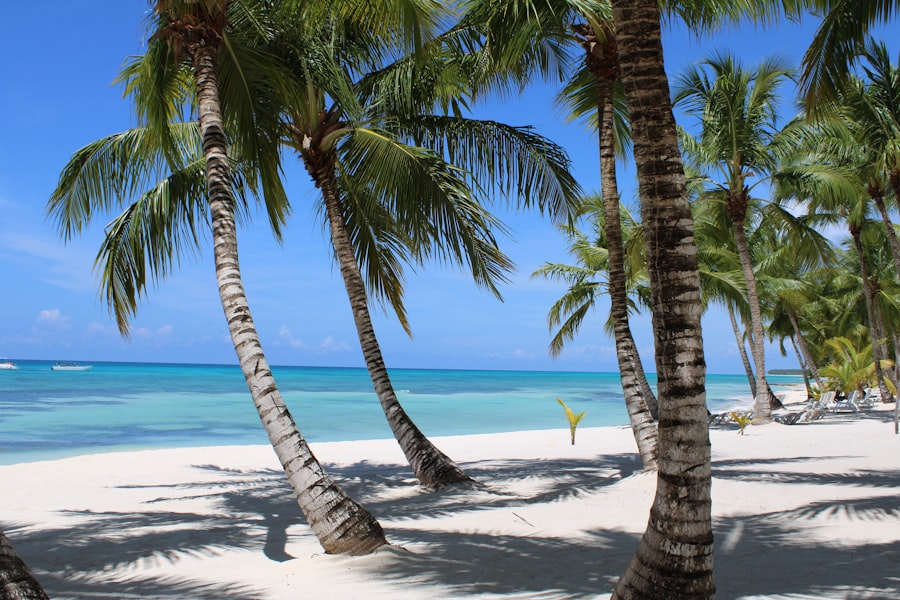
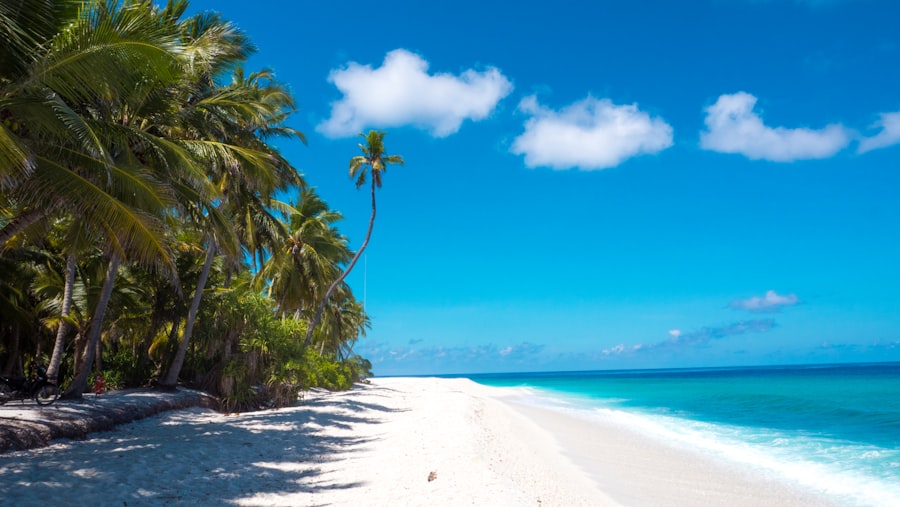
New Caledonia is home to some of the most picturesque beaches in the world. With powdery white sands and turquoise waters, these idyllic shores provide the perfect backdrop for relaxation and recreation. Popular beach destinations include Anse Vata Beach and Baie des Citrons in Noumea, where visitors can soak up the sun or partake in various water sports.
For those seeking seclusion, hidden coves and lesser-known beaches can be found throughout the islands. These tranquil spots offer an escape from the crowds and an opportunity to connect with nature. Whether lounging under swaying palm trees or enjoying a beachside picnic with fresh local produce, New Caledonia’s beaches are a true paradise for sun-seekers.
The Rich History and Heritage
The history of New Caledonia is marked by significant events that have shaped its identity over time. Initially inhabited by the Kanak people for thousands of years, the islands were later discovered by European explorers in the 18th century. French colonization began in the mid-19th century when convicts were sent to establish a penal colony on Grande Terre.
The struggle for independence has been a defining aspect of New Caledonia’s modern history. The Kanak people’s quest for self-determination culminated in political agreements aimed at addressing historical injustices and promoting cultural recognition. Today, visitors can explore historical sites such as Fort Teremba and the Museum of New Caledonia to gain insight into the territory’s complex past.
The Lush Rainforests
New Caledonia’s rainforests are among its most captivating natural features. These lush ecosystems are home to an array of endemic flora and fauna found nowhere else on Earth. Towering trees draped in vibrant orchids create a stunning canopy that shelters diverse wildlife, including unique bird species like the New Caledonian crow.
Exploring these rainforests offers visitors an opportunity to connect with nature while learning about conservation efforts aimed at preserving these fragile habitats. Guided tours led by knowledgeable local experts provide insights into the ecological significance of these forests and highlight ongoing initiatives to protect their biodiversity.
The Vibrant Capital City, Noumea
Noumea serves as the vibrant capital city of New Caledonia, blending modern amenities with rich cultural heritage. The city’s waterfront promenade is lined with cafes, shops, and art galleries that showcase local talent.
Cultural attractions abound in Noumea, including the Tjibaou Cultural Center dedicated to celebrating Kanak heritage through art exhibitions and performances. The city’s diverse culinary scene offers an array of dining options ranging from casual eateries to upscale restaurants featuring gourmet cuisine inspired by both French and local flavors.
The Ecological Importance of New Caledonia’s Ecosystems
New Caledonia’s ecosystems play a crucial role in maintaining global biodiversity and ecological balance. The region’s coral reefs serve as vital habitats for countless marine species while also acting as natural barriers against coastal erosion. Additionally, the rainforests contribute to carbon sequestration efforts essential for combating climate change.
Conservation initiatives are paramount in safeguarding these ecosystems from threats such as pollution and habitat destruction. Local organizations work tirelessly to promote sustainable practices among residents and visitors alike while raising awareness about the importance of preserving New Caledonia’s unique natural heritage. In summary, New Caledonia is a captivating destination that offers an extraordinary blend of stunning landscapes, rich cultural traditions, diverse marine life, delectable cuisine, thrilling adventure activities, charming beaches, rich history, lush rainforests, vibrant urban life in Noumea, and significant ecological importance.
This unique archipelago invites travelers to explore its wonders while fostering appreciation for its natural beauty and cultural richness.
If you’re planning a trip to New Caledonia, you may want to check out this article on Christmas Tree Lane. This festive holiday attraction could be a great way to get into the holiday spirit while exploring the beautiful landscapes and culture of New Caledonia.
FAQs
What is New Caledonia?
New Caledonia is a special collectivity of France located in the southwest Pacific Ocean. It is made up of a main island, Grande Terre, as well as several smaller islands.
What is the capital of New Caledonia?
The capital of New Caledonia is Nouméa, which is located on the main island of Grande Terre.
What is the population of New Caledonia?
As of 2021, the population of New Caledonia is estimated to be around 285,000 people.
What is the official language of New Caledonia?
The official languages of New Caledonia are French and several indigenous languages, including Drehu, Nengone, and Paicî.
What is the economy of New Caledonia based on?
The economy of New Caledonia is primarily based on nickel mining and metallurgy, as the region is one of the world’s largest producers of nickel.
Is New Caledonia a part of France?
Yes, New Caledonia is a special collectivity of France, which means it is an overseas territory that is governed by the French Republic.
What is the climate like in New Caledonia?
New Caledonia has a tropical climate, with warm temperatures and high humidity throughout the year. The region experiences a wet season from November to March and a dry season from April to October.
What are some popular tourist attractions in New Caledonia?
Some popular tourist attractions in New Caledonia include the Isle of Pines, the Loyalty Islands, the Tjibaou Cultural Centre, and the Amedee Lighthouse. The region is also known for its beautiful beaches and coral reefs, making it a popular destination for snorkeling and diving.