Now Reading: Exploring Tahiti: The Ultimate Tropical Paradise
-
01
Exploring Tahiti: The Ultimate Tropical Paradise
Exploring Tahiti: The Ultimate Tropical Paradise
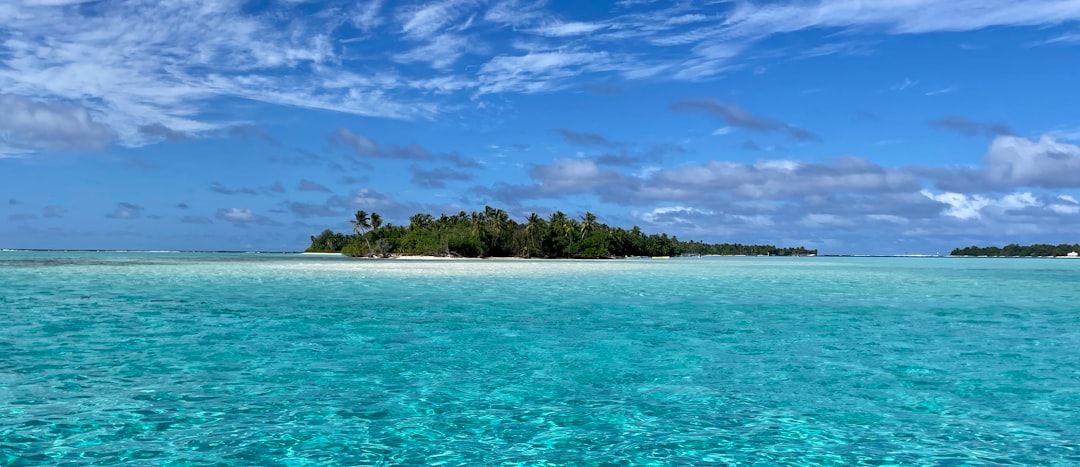
Tahiti is the largest island in French Polynesia, located in the South Pacific Ocean. The island covers an area of 1,045 square kilometers and has a population of approximately 190,000 residents. It serves as the administrative, cultural, and economic center of French Polynesia.
The island features mountainous terrain with peaks reaching up to 2,241 meters at Mount Orohena, surrounded by coral reefs and coastal plains. The island’s geography includes volcanic mountains, valleys, rivers, and waterfalls. Tahiti is divided into two main sections: Tahiti Nui (the larger northwestern part) and Tahiti Iti (the smaller southeastern peninsula), connected by the Isthmus of Taravao.
The coastline features both black volcanic sand beaches and white coral sand beaches, with barrier reefs creating protected lagoons. Tahiti experiences a tropical climate with two distinct seasons: a wet season from November to April and a dry season from May to October. Average temperatures range from 21°C to 29°C (70°F to 85°F) throughout the year.
The island receives significant rainfall, particularly in the mountainous interior regions, which supports dense tropical vegetation. The economy relies primarily on tourism, agriculture (including vanilla, coconuts, and tropical fruits), pearl farming, and fishing. Tahiti’s main airport, Faa’a International Airport, serves as the primary gateway to French Polynesia.
The island maintains strong cultural traditions, including traditional dance, music, and crafts, while French and Tahitian are the official languages.
Key Takeaways
- Tahiti offers a rich blend of history, culture, and natural beauty, making it a unique travel destination.
- Visitors can explore stunning beaches, lush landscapes, and diverse wildlife throughout the island.
- Traditional Tahitian cuisine and vibrant arts and crafts provide an authentic cultural experience.
- Activities range from adventurous outdoor excursions to relaxing stays in luxury resorts.
- Planning tips help travelers make the most of their visit to Tahiti’s charming villages and scenic attractions.
The History and Culture of Tahiti
The history of Tahiti is rich and complex, shaped by centuries of Polynesian migration and European exploration. The first settlers arrived around 1000 AD, bringing with them their customs, language, and agricultural practices. The island became a significant center for trade and cultural exchange among the Polynesian islands.
In the late 18th century, European explorers such as Captain James Cook and Samuel Wallis arrived, introducing new ideas and technologies that would forever alter the island’s way of life. Tahitian culture is deeply rooted in its traditions, which are expressed through music, dance, art, and oral storytelling. The traditional dance known as “ori tahiti” is a vibrant expression of Tahitian identity, characterized by rhythmic hip movements and colorful costumes.
Music plays an integral role in daily life, with traditional instruments like the ukulele and pahu drum accompanying songs that tell stories of love, nature, and mythology. The annual Heiva festival celebrates these cultural expressions through dance competitions, music performances, and traditional sports.
The Stunning Beaches of Tahiti
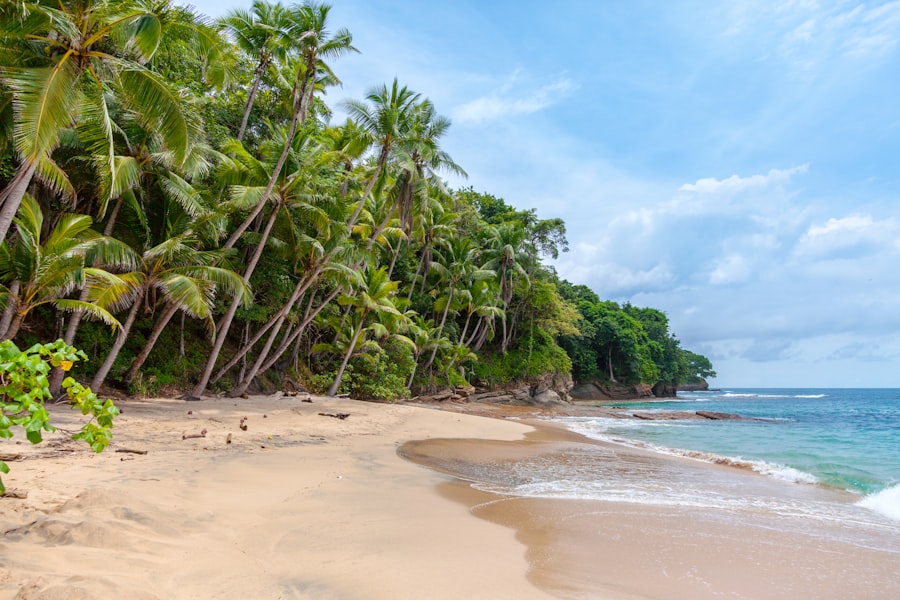
Tahiti boasts some of the most stunning beaches in the world, each offering a unique experience for visitors. The island’s coastline is dotted with white sandy shores framed by swaying palm trees and crystal-clear waters. One of the most famous beaches is Matira Beach, located on the nearby island of Bora Bora but often associated with Tahiti due to its proximity.
This idyllic beach features soft sand and shallow lagoons perfect for swimming and snorkeling. Another notable beach is La Plage de Toaroto, known for its calm waters ideal for families and water sports enthusiasts. The beach is surrounded by lush vegetation and offers stunning views of the nearby mountains.
For those seeking a more secluded experience, the black sand beaches of Papenoo provide a unique contrast to the typical white sand shores found elsewhere in the region. These beaches are perfect for sunbathing or enjoying a peaceful day by the ocean.
Exploring the Lush Landscapes of Tahiti
Beyond its stunning beaches lies a diverse landscape waiting to be explored. The interior of Tahiti is characterized by dramatic volcanic mountains, lush rainforests, and cascading waterfalls. The island’s highest peak, Mount Orohena, rises to an elevation of 7,352 feet (2,241 meters) and offers challenging hiking trails for adventurous travelers.
The hike to the summit rewards trekkers with panoramic views of the island’s breathtaking scenery. The Fautaua Valley is another must-visit destination for nature lovers. This lush valley features a stunning waterfall that plunges over 300 meters (984 feet) into a serene pool below.
Hiking through the valley allows visitors to immerse themselves in Tahiti’s natural beauty while discovering unique flora and fauna along the way. Guided tours are available for those who wish to learn more about the island’s ecology and geology.
The Unique Wildlife of Tahiti
| Metric | Value |
|---|---|
| Location | South Pacific Ocean |
| Area | 1,042 km² |
| Population | Approximately 190,000 (2023) |
| Capital | Papeete |
| Official Language | French, Tahitian |
| Currency | CFP Franc |
| Climate | Tropical rainforest climate |
| Main Economic Activities | Tourism, Agriculture, Fishing |
| Highest Point | Mount Orohena (2,241 m) |
| Time Zone | UTC -10:00 |
Tahiti is home to a diverse array of wildlife that reflects its unique ecosystem. The island’s marine life is particularly noteworthy, with vibrant coral reefs teeming with colorful fish species such as parrotfish, clownfish, and butterflyfish. Snorkeling and scuba diving are popular activities that allow visitors to explore these underwater wonders up close.
On land, Tahiti’s wildlife includes endemic bird species such as the Tahitian kingfisher and the Polynesian ground-dove.
Conservation efforts are underway to protect these species and their habitats from threats such as habitat loss and invasive species.
Activities and Adventures in Tahiti
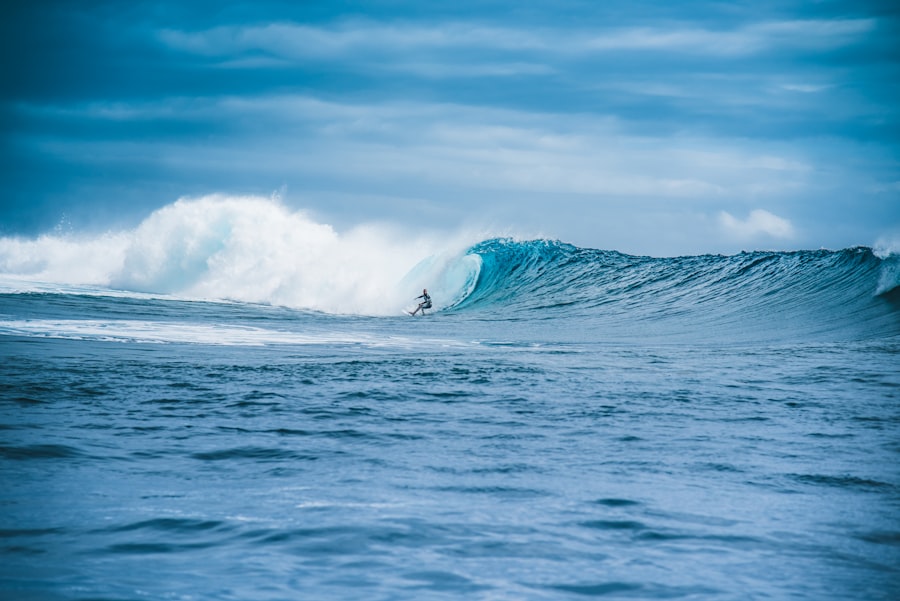
For those seeking adventure, Tahiti offers a plethora of activities that cater to all interests. Water sports enthusiasts can indulge in activities such as surfing, paddleboarding, and kayaking in the island’s calm lagoons. The famous Teahupo’o surf break attracts surfers from around the world due to its powerful waves.
Hiking enthusiasts can explore numerous trails that wind through Tahiti’s lush landscapes. The hike to the summit of Mount Aorai offers breathtaking views of the island’s interior and coastline. For a more leisurely experience, visitors can take guided tours through botanical gardens or participate in cultural workshops that teach traditional crafts such as weaving or tattooing.
Traditional Tahitian Cuisine and Dining
Tahitian cuisine is a delightful fusion of flavors influenced by both Polynesian traditions and French culinary techniques. Fresh seafood plays a central role in many dishes, with local specialties such as poisson cru—a marinated raw fish salad prepared with lime juice and coconut milk—being a must-try for visitors. This dish exemplifies the island’s emphasis on fresh ingredients sourced from both land and sea.
Another popular dish is “ma’a tahiti,” which consists of various meats cooked with root vegetables like taro and sweet potatoes. Dining in Tahiti often takes place in open-air restaurants or beachside eateries where guests can enjoy stunning views while savoring their meals. Traditional feasts known as “ahima’a” showcase an array of dishes cooked in an underground oven called an “ahima’a,” providing an authentic culinary experience.
The Vibrant Arts and Crafts of Tahiti
The arts and crafts scene in Tahiti is vibrant and diverse, reflecting the island’s rich cultural heritage. Traditional crafts such as weaving, carving, and painting are integral to Tahitian identity. Local artisans create intricate items using natural materials like coconut husks, pandanus leaves, and wood.
Tahitian black pearls are another hallmark of local craftsmanship. These exquisite gems are cultivated in the region’s lagoons and are highly sought after for their unique colors and luster. Visitors can explore local markets where artisans showcase their creations or participate in workshops to learn traditional crafting techniques firsthand.
Tahiti’s Charming Villages and Towns
Tahiti is dotted with charming villages that offer a glimpse into local life and culture. Papeete, the capital city, serves as the economic center of French Polynesia while retaining its small-town charm. Visitors can explore bustling markets filled with fresh produce, handicrafts, and souvenirs while enjoying the vibrant atmosphere.
Other notable villages include Mahina and Teva I Uta, where visitors can experience traditional Polynesian hospitality firsthand. These villages often host cultural events that showcase local music, dance, and cuisine, providing an authentic experience for travelers seeking to connect with the island’s heritage.
Luxury Resorts and Accommodations in Tahiti
For those seeking indulgence during their stay in Tahiti, luxury resorts offer unparalleled accommodations amidst stunning natural surroundings. Many resorts feature overwater bungalows that provide direct access to crystal-clear lagoons while offering breathtaking views of sunsets over the ocean. Resorts such as The St. Regis Bora Bora Resort and InterContinental Tahiti Resort & Spa provide world-class amenities including spas, gourmet dining options, and personalized service that cater to every guest’s needs. These luxurious accommodations allow visitors to unwind in style while immersing themselves in the beauty of their surroundings.
Tips for Planning Your Trip to Tahiti
When planning a trip to Tahiti, several factors should be considered to ensure an enjoyable experience. First and foremost, travelers should research the best time to visit based on weather conditions; typically, May to October offers pleasant temperatures with less humidity. Booking accommodations well in advance is advisable during peak travel seasons to secure preferred options at competitive rates.
Additionally, travelers should familiarize themselves with local customs and etiquette to enhance their interactions with residents. Lastly, packing essentials such as sunscreen, insect repellent, lightweight clothing suitable for warm weather will ensure comfort throughout your stay in this tropical paradise. In summary, Tahiti is an enchanting destination that offers a harmonious blend of natural beauty, rich culture, and adventure opportunities.
From its stunning beaches to lush landscapes teeming with wildlife, every aspect of this island invites exploration and appreciation. Visitors can immerse themselves in traditional cuisine while engaging with local artisans who keep their heritage alive through vibrant arts and crafts. With luxurious accommodations available alongside charming villages steeped in history, planning a trip to Tahiti promises an unforgettable experience filled with memories that will last a lifetime.
If you’re planning a trip to Tahiti, it’s essential to consider the timing of your visit, especially in relation to federal holidays. Understanding the holiday calendar can help you make the most of your travel experience. For a comprehensive overview of upcoming federal holidays, you can check out this article on the 2024 federal holidays: Federal Holidays 2024: What to Look Forward To. This information can assist you in planning your itinerary and ensuring you enjoy your time in this beautiful destination.
FAQs
Where is Tahiti located?
Tahiti is the largest island in French Polynesia, located in the central South Pacific Ocean. It is part of the Society Islands archipelago.
What is the capital city of Tahiti?
The capital city of Tahiti is Papeete, which is also the capital of French Polynesia.
What language is spoken in Tahiti?
The official languages of Tahiti are French and Tahitian. French is widely used in government, education, and business, while Tahitian is commonly spoken among locals.
What is the climate like in Tahiti?
Tahiti has a tropical climate with warm temperatures year-round. The wet season typically runs from November to April, while the dry season is from May to October.
What currency is used in Tahiti?
The currency used in Tahiti is the CFP franc (XPF), which is also used in other French overseas territories in the Pacific.
What are some popular activities to do in Tahiti?
Popular activities in Tahiti include snorkeling, scuba diving, surfing, hiking, exploring waterfalls, and experiencing local Polynesian culture and cuisine.
How can one travel to Tahiti?
Tahiti is accessible by air, with Faa’a International Airport near Papeete serving as the main gateway. Direct flights are available from several international locations, including the United States, France, and other Pacific islands.
Is Tahiti a safe destination for tourists?
Yes, Tahiti is generally considered a safe destination for tourists. Visitors are advised to take standard precautions, such as safeguarding personal belongings and being aware of their surroundings.
What is the time zone of Tahiti?
Tahiti operates on Tahiti Time (TAHT), which is 10 hours behind Coordinated Universal Time (UTC-10:00).
What is the best time to visit Tahiti?
The best time to visit Tahiti is during the dry season, from May to October, when the weather is cooler and less humid, making it ideal for outdoor activities.