Now Reading: Exploring St. Louis: A City of Rich History and Vibrant Culture
-
01
Exploring St. Louis: A City of Rich History and Vibrant Culture
Exploring St. Louis: A City of Rich History and Vibrant Culture
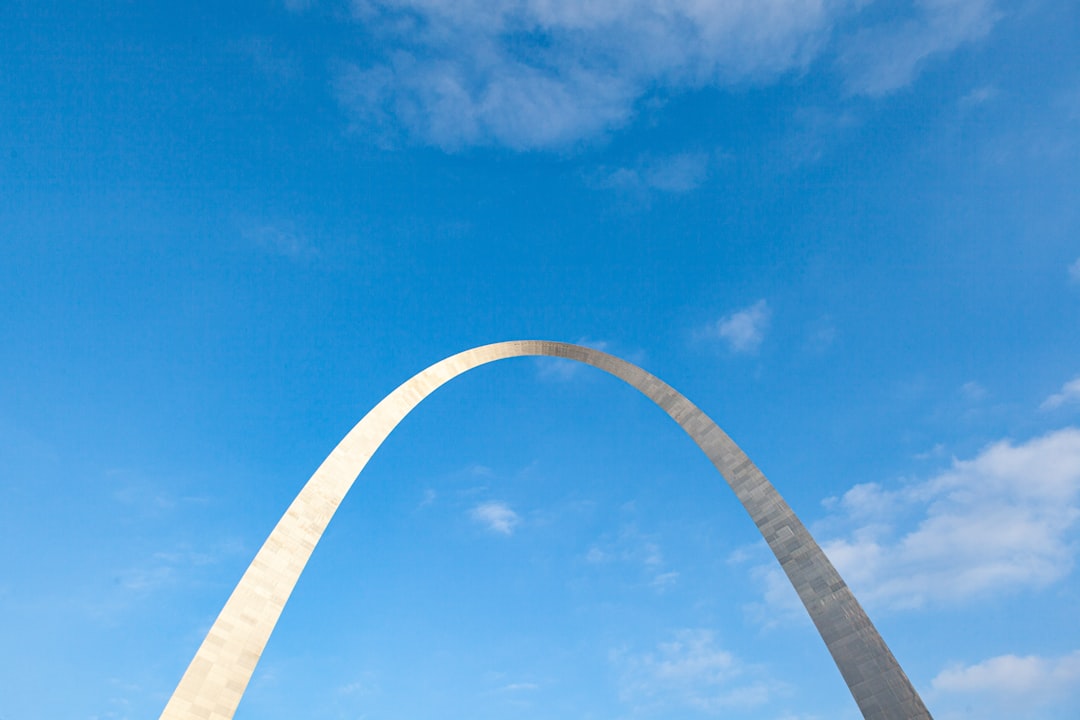
St. Louis, a vibrant city located along the western bank of the Mississippi River, serves as a cultural and economic hub in the heart of the United States. Known for its rich history, diverse population, and unique blend of Midwestern charm and urban sophistication, St.
Louis has much to offer both residents and visitors alike. The city is characterized by its iconic skyline, which features the stunning Gateway Arch, a symbol of westward expansion and American ingenuity. With a population of over 300,000, St.
Louis is the second-largest city in Missouri and plays a pivotal role in the region’s economy, education, and healthcare. The city’s strategic location has made it a significant center for trade and transportation since its founding in 1764. St.
Louis is often referred to as the “Gateway to the West,” reflecting its historical significance as a starting point for pioneers heading westward. Today, it continues to thrive as a melting pot of cultures, offering a rich tapestry of experiences that reflect its diverse heritage. From its historic neighborhoods to its modern attractions, St.
Louis is a city that invites exploration and discovery.
Key Takeaways
- St. Louis is a vibrant city with a rich history and diverse cultural scene.
- The Gateway Arch is a symbol of St. Louis and a must-see landmark for visitors.
- The city offers a wide range of culinary experiences, from BBQ to gourmet dining.
- St. Louis is home to a thriving music and entertainment scene, with something for everyone to enjoy.
- Outdoor enthusiasts will find plenty of parks and activities to explore in and around the city.
St. Louis boasts an impressive array of historical landmarks and monuments that tell the story of its past. One of the most notable is the Old Courthouse, where the famous Dred Scott case was tried in 1846.
This landmark not only represents a pivotal moment in American history but also showcases stunning architectural design from the mid-19th century. Visitors can explore its exhibits that delve into the legal battles surrounding slavery and civil rights. Another significant site is the Missouri Botanical Garden, established in 1859.
This expansive garden is not only a beautiful oasis in the city but also a center for botanical research and education. The garden features a variety of themed areas, including a Japanese garden, a Victorian district, and a conservatory housing exotic plants from around the world. The historical significance of these landmarks is complemented by their aesthetic appeal, making them must-visit destinations for anyone interested in St.
Louis’s rich heritage.
Cultural Institutions and Museums
St. Louis is home to an impressive array of cultural institutions and museums that cater to diverse interests. The Saint Louis Art Museum, located in Forest Park, houses an extensive collection of artworks spanning over 5,000 years of history.
From ancient artifacts to contemporary pieces, the museum offers visitors an opportunity to engage with art from various cultures and time periods. Admission is free, making it accessible to all. The City Museum is another unique attraction that combines art, architecture, and playfulness in an interactive environment.
Housed in a former shoe factory, this museum features a labyrinth of tunnels, slides, and climbing structures made from repurposed materials. It encourages creativity and exploration for visitors of all ages. Additionally, the Missouri History Museum provides insights into the city’s past through engaging exhibits and educational programs that highlight significant events and figures in St.
Louis history.
The Gateway Arch stands as an iconic symbol of St. Louis and is recognized worldwide as a representation of American history and progress. Completed in 1965, this 630-foot stainless steel monument was designed by architect Eero Saarinen to commemorate the westward expansion of the United States.
The Arch’s sleek design and towering presence make it a remarkable feat of engineering. Visitors can take a tram ride to the top of the Arch for breathtaking views of the city and the Mississippi River. The experience includes an informative exhibit detailing the history of the Arch and its significance in American culture.
Surrounding the monument is the Gateway Arch National Park, which offers green spaces for relaxation and reflection, making it an ideal spot for both tourists and locals to enjoy.
Culinary Scene: From BBQ to Gourmet Dining

St. Louis’s culinary scene is as diverse as its population, offering a wide range of dining options that reflect both local traditions and global influences. The city is particularly famous for its barbecue, with establishments like Pappy’s Smokehouse and Sugarfire Smoke House serving up mouthwatering ribs, pulled pork, and brisket that draw food enthusiasts from near and far.
In addition to barbecue, St. Louis boasts a burgeoning gourmet dining scene that features innovative chefs creating dishes inspired by seasonal ingredients and international flavors. Restaurants such as Niche Food Group and Sidney Street Cafe have garnered acclaim for their creative menus and commitment to quality.
The city’s culinary landscape also includes iconic local specialties like toasted ravioli and gooey butter cake, which are must-try items for anyone visiting St. Louis.
Neighborhoods and Local Communities
| Neighborhood | Population | Median Income | Crime Rate |
|---|---|---|---|
| Downtown | 25,000 | 45,000 | Low |
| West End | 30,000 | 50,000 | Medium |
| East Side | 20,000 | 40,000 | High |
St. Louis is characterized by its distinct neighborhoods, each with its own unique charm and character. The Central West End is known for its historic architecture, trendy boutiques, and vibrant nightlife, making it a popular destination for young professionals and families alike.
This area also features Forest Park, one of the largest urban parks in the United States, which offers recreational opportunities and cultural attractions. Another notable neighborhood is Soulard, famous for its historic brick buildings and lively atmosphere. Soulard hosts one of the largest Mardi Gras celebrations outside of New Orleans, attracting thousands of revelers each year.
The neighborhood’s rich history is reflected in its cobblestone streets and local markets, where visitors can experience authentic St. Louis culture.
Music and Entertainment Scene
St. Louis has a rich musical heritage that has produced legendary artists across various genres, including blues, jazz, rock ‘n’ roll, and hip-hop. The city’s music scene thrives with numerous venues hosting live performances throughout the year.
The historic Fox Theatre is renowned for its Broadway shows and concerts, while smaller venues like Blueberry Hill showcase local talent in an intimate setting. The annual St. Louis Blues Festival celebrates the city’s deep-rooted connection to blues music, featuring performances from both established artists and emerging talent.
Louis’s vibrant arts scene.
Outdoor Activities and Parks
For outdoor enthusiasts, St. Louis offers an abundance of parks and recreational activities that cater to all interests. Forest Park stands out as one of the largest urban parks in the United States, encompassing over 1,300 acres of green space filled with walking trails, lakes, golf courses, and cultural institutions like the Saint Louis Zoo and Saint Louis Art Museum.
In addition to Forest Park, other notable outdoor spaces include Tower Grove Park and Lafayette Park, both offering picturesque landscapes for picnicking, jogging, or simply enjoying nature. The Mississippi Riverfront provides opportunities for boating and fishing while offering scenic views of the river’s banks.
Sports Culture: Home of the Cardinals and Blues
St. Louis has a passionate sports culture that revolves around its professional teams—the St.
Louis Blues (NHL). The Cardinals are one of Major League Baseball’s most successful franchises with numerous World Series championships under their belt. Fans flock to Busch Stadium to cheer on their team during baseball season while enjoying the electric atmosphere that surrounds each game. The Blues have also made their mark on the sports landscape by winning their first Stanley Cup in 2019 after decades of competition in the NHL. The team’s home games at Enterprise Center are filled with enthusiastic supporters who create an exhilarating environment for hockey fans.
Festivals and Events
St. Louis hosts a variety of festivals and events throughout the year that celebrate its culture, heritage, and community spirit. The St. Louis Art Fair showcases local artists’ work while providing live entertainment and culinary delights from local vendors. The annual Great Forest Park Balloon Race attracts thousands who gather to witness colorful hot air balloons take flight against the backdrop of Forest Park. Other notable events include the St. Louis International Film Festival, which highlights independent films from around the world; LouFest music festival; and various holiday celebrations that bring together residents from all walks of life to celebrate their shared community.
Exploring Beyond the City: Day Trips and Nearby Attractions
While St. Louis offers an abundance of attractions within its borders, there are also numerous day trip opportunities for those looking to explore beyond the city limits. Just a short drive away lies the picturesque town of Hermann, known for its wineries nestled along the Missouri River Valley—perfect for wine enthusiasts seeking tastings amid scenic landscapes.
Another popular destination is Cahokia Mounds State Historic Site—an ancient Native American city that was once one of North America’s largest urban centers—offering visitors insight into pre-Columbian history through its impressive earthen mounds. In summary, St. Louis is a city rich in history, culture, and community spirit that offers something for everyone—from iconic landmarks like the Gateway Arch to diverse culinary experiences and vibrant neighborhoods filled with local charm.
With its thriving arts scene, passionate sports culture, outdoor activities galore, and numerous festivals throughout the year—St.Louis invites exploration at every turn while providing ample opportunities for unforgettable experiences both within its borders as well as beyond them into nearby attractions waiting just outside city limits!
If you’re looking for a fun way to celebrate Christmas in St. Louis, check out the article “Christmas Day: A Time for Joy and Celebration”. St. Louis is known for its festive holiday events and attractions, making it a great place to spend the holiday season. Whether you’re interested in visiting the famous Anheuser-Busch Brewery Lights display or taking a stroll through the Winter Wonderland at Tilles Park, there’s something for everyone to enjoy in St. Louis during Christmas time.
FAQs
What is the history of St. Louis?
St. Louis was founded in 1764 by French fur traders and named after King Louis IX of France. It played a significant role in the westward expansion of the United States and was a major port on the Mississippi River.
What are some popular attractions in St. Louis?
Some popular attractions in St. Louis include the Gateway Arch, the St. Louis Zoo, the Missouri Botanical Garden, the St. Louis Art Museum, and the City Museum.
What is the climate like in St. Louis?
St. Louis has a humid subtropical climate with hot, humid summers and cold winters. It experiences all four seasons, with temperatures ranging from an average of 31°F in January to 89°F in July.
What is the economy of St. Louis like?
St. Louis has a diverse economy with strengths in biotechnology, manufacturing, healthcare, and transportation. It is home to several major corporations and has a growing startup scene.
What are some famous foods in St. Louis?
Some famous foods in St. Louis include toasted ravioli, St. Louis-style pizza (thin crust with Provel cheese), and the St. Paul sandwich (an egg foo young patty served with mayonnaise, lettuce, and tomato on white bread).
What sports teams are based in St. Louis?
St. Louis is home to several professional sports teams, including the St. Louis Cardinals (MLB), the St. Louis Blues (NHL), and the St. Louis City SC (MLS).