Now Reading: Exploring National Holidays: Celebrating Our Unique Traditions
-
01
Exploring National Holidays: Celebrating Our Unique Traditions
Exploring National Holidays: Celebrating Our Unique Traditions

National holidays serve as significant markers in the calendar year, providing citizens with a chance to pause and reflect on their shared history, culture, and values. These days are often steeped in tradition and meaning, allowing individuals to connect with their heritage and with one another. They offer a unique opportunity for communities to come together, fostering a sense of belonging and collective identity.
In many cases, national holidays commemorate pivotal events that have shaped a nation’s trajectory, such as independence movements, revolutions, or the establishment of foundational principles. Moreover, national holidays often serve as a reminder of the sacrifices made by previous generations. They encourage citizens to honor those who fought for freedom, equality, and justice.
This remembrance is crucial in cultivating a sense of gratitude and responsibility among the populace. By celebrating these days, individuals not only acknowledge their past but also reinforce their commitment to the values that define their nation. In this way, national holidays play a vital role in shaping civic consciousness and promoting active participation in society.
Exploring the Origins of National Holidays
Independence and Founding
Many national holidays celebrate the day a nation gained independence or was founded, marking the end of colonial rule or the establishment of a new government. For example, the Fourth of July in the United States celebrates the adoption of the Declaration of Independence in 1776, while Bastille Day in France marks the storming of the Bastille prison in 1789, a pivotal moment in the French Revolution.
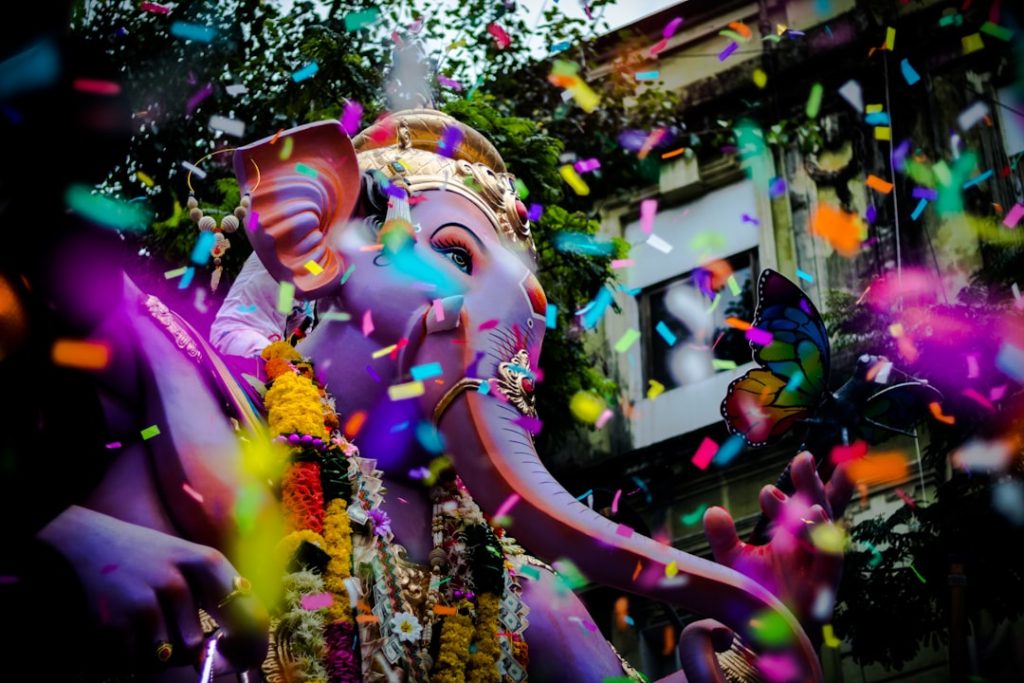
For instance, Diwali in India is celebrated by millions as a festival of lights, symbolizing the victory of light over darkness and good over evil. Similarly, Christmas is observed in many countries around the world as a time for family gatherings and reflection on spiritual beliefs.
Understanding the origins of these holidays allows individuals to appreciate their significance and the values they embody.
Unique Traditions and Customs Associated with National Holidays

Each national holiday is accompanied by its own set of traditions and customs that reflect the unique character of a nation. These practices can range from elaborate parades and fireworks displays to quiet family gatherings and solemn ceremonies. For instance, during Thanksgiving in the United States, families come together to share a meal that typically includes turkey, stuffing, and pumpkin pie.
This tradition emphasizes gratitude and togetherness, reinforcing familial bonds and cultural heritage. In contrast, some countries celebrate their national holidays with grand public festivities. In Brazil, for example, Independence Day is marked by vibrant parades featuring samba dancers and colorful floats that showcase the nation’s rich cultural diversity.
Such celebrations not only entertain but also serve as expressions of national pride and unity. Additionally, many nations incorporate rituals that honor their history or pay tribute to those who have contributed to their freedom. These customs create a sense of continuity and connection across generations, allowing individuals to participate in a shared narrative.
How National Holidays Reflect a Country’s Culture and History
| National Holiday | Country | Cultural Significance | Historical Significance |
|---|---|---|---|
| Independence Day | United States | Celebrates freedom and democracy | Commemorates the adoption of the Declaration of Independence in 1776 |
| Bastille Day | France | Symbolizes the French Revolution and unity | Marking the storming of the Bastille prison in 1789 |
| Diwali | India | Celebrates the victory of light over darkness | Has religious and historical significance in Hinduism, Jainism, and Sikhism |
| Chinese New Year | China | Represents family reunion and renewal | Based on the lunar calendar and has ancient mythological origins |
National holidays are powerful reflections of a country’s culture and history, encapsulating the values and beliefs that define its people. They often highlight key moments that have shaped national identity, serving as reminders of both triumphs and tribulations. For example, Australia Day commemorates the arrival of the First Fleet at Port Jackson in 1788, an event that is celebrated by many but also met with reflection on its impact on Indigenous communities.
This duality illustrates how national holidays can evoke complex emotions and prompt discussions about historical narratives. Furthermore, national holidays can reveal much about a society’s priorities and aspirations. Countries that emphasize themes of freedom, equality, and justice in their celebrations often reflect a commitment to democratic ideals.
In contrast, nations that focus on military victories or authoritarian leadership may convey different messages about power and governance. The way a holiday is celebrated—whether through joyous festivities or solemn remembrance—can provide insight into how a society views its past and envisions its future.
The Role of National Holidays in Promoting Unity and Patriotism
National holidays play a crucial role in fostering unity among citizens by providing common ground for celebration and reflection. During these occasions, individuals from diverse backgrounds come together to honor their shared identity as members of a nation. This collective experience can strengthen social bonds and promote a sense of belonging, which is particularly important in multicultural societies where differences may otherwise create divisions.
Moreover, national holidays often evoke feelings of patriotism, encouraging citizens to express pride in their country and its achievements. Parades, fireworks, and public speeches can instill a sense of hope and optimism about the future while reminding individuals of their responsibilities as active participants in society. This sense of patriotism can be particularly powerful during times of crisis or uncertainty when national solidarity is essential for overcoming challenges.
Celebrating National Holidays Around the World

Celebrations of national holidays vary widely across the globe, reflecting the diverse cultures and traditions that exist within different nations. In Japan, for instance, National Foundation Day is observed with ceremonies that honor the mythical first emperor, Jimmu. The day is marked by various events that celebrate Japanese culture and heritage, including traditional music and dance performances.
In contrast, Canada Day features fireworks displays, parades, and community gatherings that celebrate Canadian identity and diversity. Citizens often wear red and white clothing to symbolize their national colors while enjoying barbecues and outdoor activities with family and friends. These celebrations highlight how national holidays can be both festive and reflective, allowing individuals to engage with their culture while also enjoying leisure time with loved ones.
The Evolution of National Holidays Over Time
The significance and observance of national holidays have evolved over time as societies change and grow. Historical events that were once celebrated with great fervor may take on new meanings as generations pass. For example, Memorial Day in the United States began as a day to honor fallen soldiers from the Civil War but has since expanded to commemorate all military personnel who have died in service to their country.
This evolution reflects changing societal values regarding war, peace, and remembrance. Additionally, globalization has influenced how national holidays are celebrated around the world. As cultures intermingle through travel and technology, some traditions may blend or adapt to incorporate elements from other societies.
This can lead to new forms of celebration that resonate with contemporary audiences while still honoring historical roots. The dynamic nature of national holidays ensures that they remain relevant and meaningful in an ever-changing world.
Preserving and Honoring National Holiday Traditions
As societies evolve, it becomes increasingly important to preserve and honor the traditions associated with national holidays. This preservation can take many forms, from educational initiatives that teach younger generations about historical events to community programs that encourage participation in traditional celebrations. By actively engaging with these customs, individuals can ensure that they remain vibrant aspects of cultural identity.
Moreover, honoring national holiday traditions can foster intergenerational connections as families share stories and experiences related to these celebrations. This transmission of knowledge helps maintain cultural continuity while also allowing for personal interpretations that reflect contemporary values. In this way, national holidays become living traditions that adapt over time while still retaining their core significance.
In conclusion, national holidays are more than just days off from work; they are vital components of a nation’s identity that encapsulate its history, culture, and values. By exploring their origins, unique customs, and evolving significance, we gain insight into how these celebrations shape our understanding of ourselves as members of a larger community. As we continue to honor these traditions while adapting them for future generations, we contribute to a rich tapestry of shared experiences that unite us across time and space.
National Holidays are a time for celebration and reflection on the history and culture of a country. One interesting article related to this topic can be found on Boogger, which discusses the significance of National Holidays in different countries around the world. This article delves into the various traditions and customs that are observed during these special days, shedding light on the diverse ways in which people come together to honor their heritage and identity. It is a fascinating read for anyone interested in learning more about the importance of National Holidays in global society.
FAQs
What are national holidays?
National holidays are days designated by a country to commemorate important events, historical figures, or cultural traditions. These holidays are typically observed by the entire population and often involve special activities, ceremonies, or traditions.
How are national holidays determined?
National holidays are determined by the government of a country through legislation or proclamation. They are often based on historical events, significant cultural or religious traditions, or important figures in the country’s history.
Do all countries have national holidays?
Not all countries have national holidays, and the number and types of holidays can vary widely from one country to another. Some countries may have numerous national holidays, while others may have only a few.
What are some common types of national holidays?
Common types of national holidays include independence days, religious holidays, cultural celebrations, and days honoring national heroes or leaders. These holidays often reflect the values, history, and traditions of a particular country.
Do national holidays have a specific purpose?
National holidays serve various purposes, such as honoring historical events or figures, celebrating cultural traditions, fostering national unity, and providing opportunities for rest and relaxation. They also often serve as a time for reflection and remembrance.
Are national holidays observed in the same way in every country?
No, the way national holidays are observed can vary widely from country to country. Some holidays may involve large public celebrations, parades, or festivals, while others may be more solemn and focused on reflection and remembrance. Additionally, the customs and traditions associated with national holidays can differ significantly from one country to another.