Now Reading: Exploring Medicare Dental Plans: Affordable Coverage Options
-
01
Exploring Medicare Dental Plans: Affordable Coverage Options
Exploring Medicare Dental Plans: Affordable Coverage Options
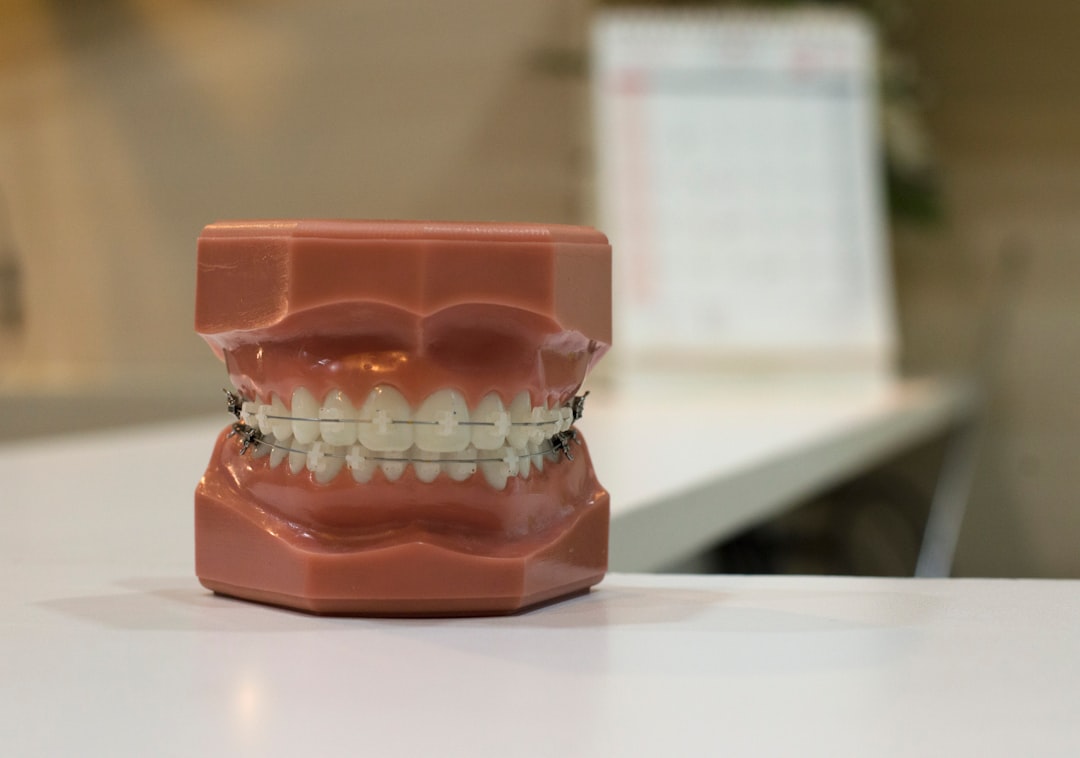
Medicare, the federal health insurance program primarily designed for individuals aged 65 and older, offers a variety of coverage options. However, dental care is often a complex aspect of this program. While Original Medicare (Part A and Part B) does not typically include routine dental services, it does provide limited coverage for certain dental procedures that are deemed medically necessary.
For instance, if a dental procedure is required in conjunction with a covered medical service, such as jaw surgery or treatment for an oral infection, Medicare may cover those specific costs. Understanding the nuances of Medicare dental coverage is crucial for beneficiaries seeking comprehensive oral health care. The lack of routine dental coverage under Original Medicare has led many beneficiaries to explore alternative options.
This gap in coverage has prompted the development of various Medicare Advantage plans (Part C), which often include additional benefits, including dental services. These plans can vary significantly in terms of coverage, costs, and provider networks. Therefore, it is essential for beneficiaries to familiarize themselves with the specifics of their Medicare options to ensure they receive the necessary dental care without incurring exorbitant out-of-pocket expenses.
Key Takeaways
- Medicare does not typically cover routine dental care
- Standalone dental plans and Medicare Advantage plans are two types of Medicare dental plans
- Costs for Medicare dental plans vary and may include premiums, deductibles, and copayments
- Eligibility for Medicare dental coverage is not guaranteed and may depend on the type of plan chosen
- It’s important to compare Medicare dental plans to find the best coverage for individual needs
Types of Medicare Dental Plans
Medicare dental plans can be broadly categorized into two main types: those offered through Original Medicare and those available through Medicare Advantage plans. Original Medicare does not provide comprehensive dental coverage; however, it may cover certain dental procedures when they are integral to a covered medical service. On the other hand, Medicare Advantage plans often include additional benefits, including preventive and routine dental care, which can encompass services such as cleanings, X-rays, fillings, and even dentures.
Medicare Advantage plans are offered by private insurance companies approved by Medicare. These plans typically bundle various health services, including hospital care, outpatient services, and prescription drug coverage, along with dental benefits. Beneficiaries should carefully review the specific dental services included in each plan, as coverage can vary widely.
Some plans may offer extensive dental networks and higher coverage limits, while others may have more restrictive options.
Cost of Medicare Dental Plans
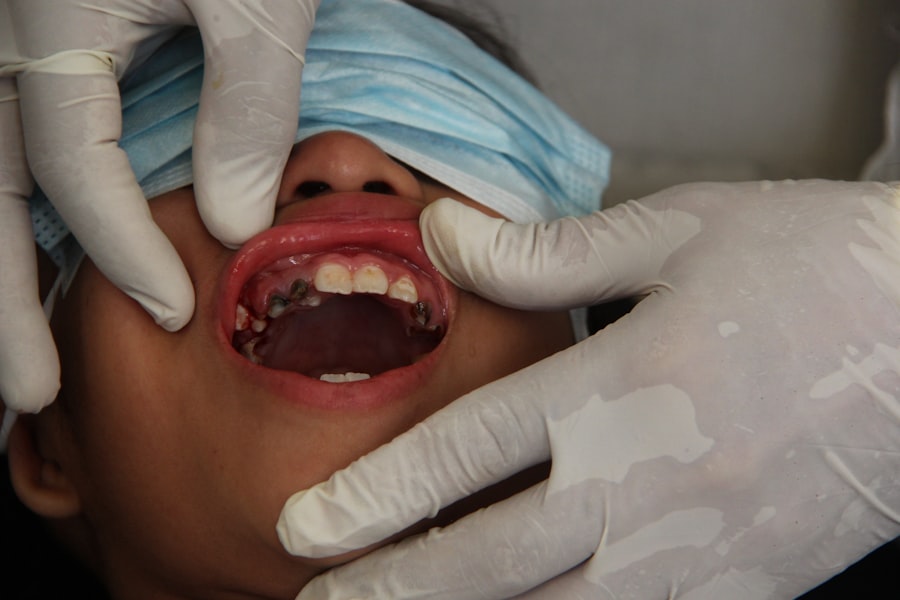
The cost associated with Medicare dental plans can vary significantly based on the type of plan selected and the specific services covered. For beneficiaries enrolled in Original Medicare, dental services are generally not covered unless they are part of a medically necessary procedure. This means that individuals may need to pay out-of-pocket for routine dental care, which can lead to substantial expenses over time. In contrast, Medicare Advantage plans typically have monthly premiums that can range from $0 to several hundred dollars, depending on the plan’s benefits and coverage levels. Additionally, these plans may require copayments or coinsurance for specific dental services.
It is essential for beneficiaries to evaluate their anticipated dental needs and compare the costs associated with different plans to determine which option provides the best value for their individual circumstances.
Eligibility for Medicare Dental Coverage
| Age | Eligibility |
|---|---|
| 65 and older | Eligible for Medicare dental coverage |
| Under 65 | Not eligible for Medicare dental coverage |
Eligibility for Medicare dental coverage is primarily determined by an individual’s enrollment in either Original Medicare or a Medicare Advantage plan. To qualify for Original Medicare, individuals must be 65 years or older or meet specific criteria related to disability or certain medical conditions. However, it is important to note that Original Medicare does not provide routine dental coverage.
For those considering a Medicare Advantage plan, eligibility requirements may vary by provider. Generally, individuals must be enrolled in both Medicare Part A and Part B to qualify for a Medicare Advantage plan. Additionally, beneficiaries must reside within the service area of the plan they wish to enroll in.
It is advisable for individuals to review their eligibility status and explore available options during the annual enrollment period to ensure they select a plan that meets their needs.
Comparing Medicare Dental Plans
When comparing Medicare dental plans, beneficiaries should consider several key factors to make an informed decision. First and foremost, it is essential to assess the specific dental services covered by each plan. Some plans may offer comprehensive coverage that includes preventive care, restorative procedures, and orthodontics, while others may have more limited offerings.
Another critical aspect to evaluate is the network of dental providers associated with each plan. Many Medicare Advantage plans require beneficiaries to use in-network providers to receive full benefits.
Additionally, reviewing the costs associated with each plan, including premiums, deductibles, and copayments for various services, will help beneficiaries determine which option aligns best with their budget.
Finding Affordable Medicare Dental Coverage
Finding affordable Medicare dental coverage requires thorough research and consideration of various factors. Beneficiaries should start by reviewing their current health needs and anticipated dental care requirements. This assessment will help identify which type of coverage—Original Medicare with supplemental insurance or a Medicare Advantage plan—best suits their needs.
Utilizing online resources and tools can also aid in comparing different plans available in one’s area. Websites such as the official Medicare site provide valuable information on available plans and their respective benefits. Additionally, consulting with a licensed insurance agent who specializes in Medicare can offer personalized guidance tailored to individual circumstances.
By exploring multiple options and understanding the nuances of each plan, beneficiaries can secure affordable dental coverage that meets their needs.
Benefits of Medicare Dental Plans
The benefits of enrolling in a Medicare dental plan can be substantial for individuals seeking comprehensive oral health care. One of the primary advantages is access to preventive services such as routine cleanings and examinations at little or no cost. Regular dental check-ups can help identify potential issues early on, reducing the risk of more severe complications down the line.
These may include vision and hearing services, wellness programs, and discounts on other health-related services. Such comprehensive coverage can enhance overall health outcomes and improve quality of life for beneficiaries by ensuring they receive necessary preventive care across multiple domains.
Limitations of Medicare Dental Plans
Despite the advantages associated with Medicare dental plans, there are notable limitations that beneficiaries should be aware of before enrolling. One significant drawback is that Original Medicare does not cover routine dental care at all; this means individuals must pay out-of-pocket for preventive services like cleanings and check-ups unless they have supplemental insurance. Additionally, even within Medicare Advantage plans that offer dental benefits, there may be restrictions on certain procedures or limitations on annual spending caps.
Some plans may also impose waiting periods before specific services become available or require prior authorization for certain treatments. Understanding these limitations is crucial for beneficiaries to avoid unexpected costs or gaps in coverage.
Supplemental Dental Coverage Options
For individuals seeking additional dental coverage beyond what is offered through Original Medicare or a Medicare Advantage plan, supplemental dental insurance options are available. These policies can help cover routine services such as cleanings, fillings, crowns, and dentures that Original Medicare does not address. Supplemental dental insurance typically comes in two forms: standalone policies or bundled packages that include other types of health insurance.
When considering supplemental options, beneficiaries should evaluate factors such as monthly premiums, waiting periods for coverage activation, and the extent of services included in the policy. By carefully assessing these factors, individuals can select a supplemental plan that complements their existing coverage effectively.
Tips for Choosing the Right Medicare Dental Plan
Selecting the right Medicare dental plan requires careful consideration of various factors tailored to individual needs. First and foremost, beneficiaries should assess their current oral health status and anticipated future needs. This evaluation will help determine whether preventive care or more extensive restorative services are necessary.
Next, individuals should compare different plans based on their specific benefits and costs. Reviewing provider networks is also essential; ensuring that preferred dentists are included in the plan’s network can significantly impact access to care. Additionally, beneficiaries should consider any potential out-of-pocket expenses associated with each plan to avoid unexpected financial burdens.
Enrolling in a Medicare Dental Plan
Enrolling in a Medicare dental plan involves several steps that require careful attention to detail. For those interested in a Medicare Advantage plan with dental benefits, enrollment typically occurs during specific periods throughout the year—namely the Initial Enrollment Period when first eligible or during the Annual Enrollment Period from October 15 to December 7 each year. Beneficiaries should gather necessary documentation such as their Medicare card and personal identification before beginning the enrollment process.
It is advisable to review multiple plans thoroughly before making a decision; this ensures that individuals select a plan that aligns with their healthcare needs and financial situation effectively. In summary, understanding the intricacies of Medicare dental coverage is essential for beneficiaries seeking comprehensive oral health care solutions. With various types of plans available—ranging from Original Medicare’s limited offerings to more extensive benefits through Medicare Advantage—individuals must carefully evaluate their options based on costs, eligibility criteria, and specific service needs.
By conducting thorough research and utilizing available resources effectively, beneficiaries can secure affordable and adequate dental coverage tailored to their unique circumstances.
If you are interested in learning more about the different types of insurance available in 2025, you may want to check out this article on exploring the different types of travel insurance available in 2025. Just like understanding travel insurance is important for your trips, understanding Medicare dental plans is crucial for your overall health coverage.
FAQs
What are Medicare dental plans?
Medicare dental plans are optional add-on plans that provide coverage for dental services not covered by original Medicare, such as routine dental exams, cleanings, fillings, and other dental procedures.
Are Medicare dental plans part of original Medicare?
No, Medicare dental plans are not part of original Medicare. They are offered by private insurance companies as standalone plans or as part of Medicare Advantage plans.
What dental services are typically covered by Medicare dental plans?
Medicare dental plans may cover a range of services including routine dental exams, cleanings, X-rays, fillings, extractions, crowns, bridges, dentures, and other dental procedures.
Are there any limitations or restrictions with Medicare dental plans?
Yes, Medicare dental plans may have limitations such as waiting periods for certain services, annual maximum coverage limits, and restrictions on the choice of dentists and dental providers.
How do I enroll in a Medicare dental plan?
You can enroll in a Medicare dental plan during the annual Medicare Open Enrollment period or when you first become eligible for Medicare. You can also enroll in a Medicare Advantage plan that includes dental coverage.
Are Medicare dental plans available to everyone with Medicare?
Yes, Medicare dental plans are available to anyone with Medicare who chooses to enroll in a standalone dental plan or a Medicare Advantage plan that includes dental coverage.