Now Reading: Exciting Honolulu Marathon 2025: A Race to Remember
-
01
Exciting Honolulu Marathon 2025: A Race to Remember
Exciting Honolulu Marathon 2025: A Race to Remember
The Honolulu Marathon, established in 1973, has evolved into one of the most prestigious and celebrated marathons globally. The inaugural event attracted a modest 1,200 participants, but over the years, it has grown exponentially, drawing tens of thousands of runners from around the world. The marathon was founded by Dr.
Jack Scaff, a prominent figure in the local running community, who envisioned a marathon that would not only challenge athletes but also promote health and fitness among residents. Over the decades, the Honolulu Marathon has witnessed significant milestones, including the introduction of the “no time limit” policy, which encourages participation from runners of all abilities, including those who may not be competitive but wish to complete the distance at their own pace. This inclusive approach has contributed to its reputation as a friendly and welcoming event, fostering a sense of community among participants and spectators alike.
Key Takeaways
- The Honolulu Marathon has a rich history and is renowned for its scenic route through Hawaii.
- Training for the marathon requires dedication, with tips available for first-time participants.
- The event is inclusive, welcoming elite runners and amateurs alike.
- Spectators and the local community play a vital role in creating a vibrant marathon atmosphere.
- Entertainment, festivities, and future plans ensure the marathon remains a memorable experience.
Training for the Honolulu Marathon
Preparing for the Honolulu Marathon requires a well-structured training regimen that accommodates the unique challenges posed by the course and climate of Hawaii’s capital city. Runners typically begin their training program at least 16 to 20 weeks prior to race day, gradually increasing their mileage to build endurance and strength necessary for completing 26.2 miles. A comprehensive training plan should include a mix of long runs, speed work, and recovery days to optimize performance while minimizing the risk of injury.
Long runs are essential for developing stamina, while speed workouts help improve pace and efficiency on race day. Additionally, incorporating cross-training activities such as swimming or cycling can enhance overall fitness and reduce the likelihood of overuse injuries.
The Route and Scenery of the Honolulu Marathon

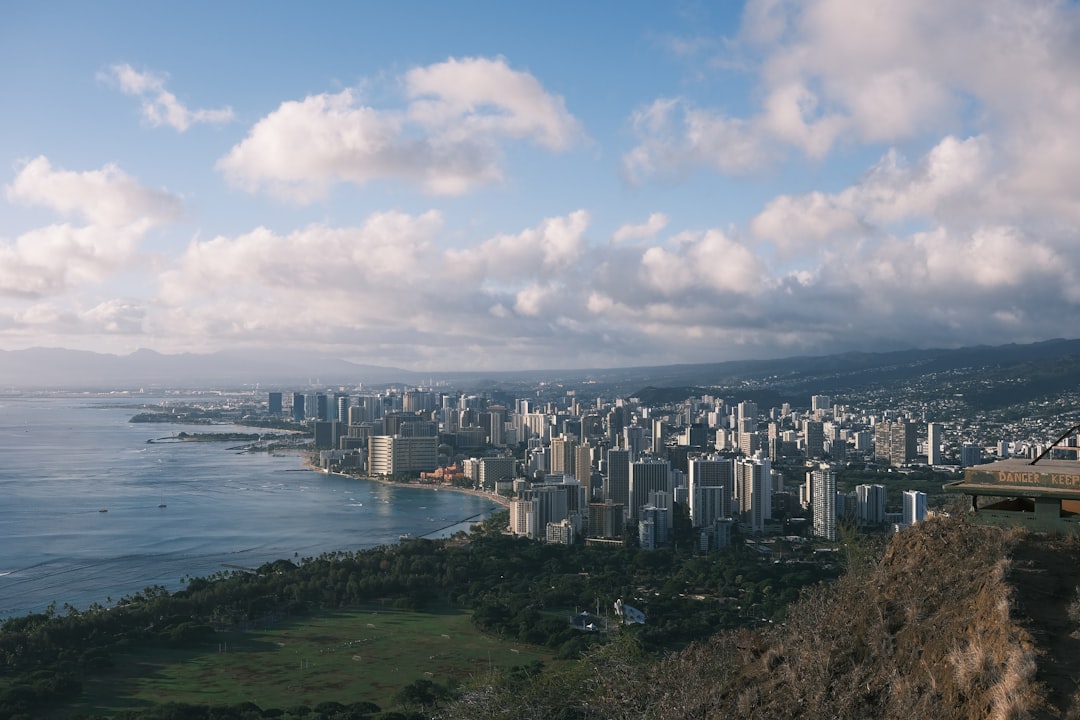
The Honolulu Marathon route is renowned for its breathtaking scenery and unique challenges, making it a favorite among both local and international runners alike. The course begins in downtown Honolulu and winds its way through iconic landmarks such as Waikiki Beach, Diamond Head, and the lush landscapes of the island’s interior. Runners are treated to stunning views of the Pacific Ocean, with the gentle sound of waves providing a soothing backdrop to their journey.
The route also features several elevation changes, particularly as participants navigate around Diamond Head Crater, which adds an element of difficulty but rewards runners with panoramic vistas of the coastline.
The Elite Runners of the Honolulu Marathon
The Honolulu Marathon attracts elite runners from around the globe, many of whom are drawn by the opportunity to compete in a scenic yet challenging environment while vying for substantial cash prizes and recognition within the running community. These athletes often possess remarkable endurance and speed, with many having previously competed in prestigious events such as the Boston Marathon or the New York City Marathon. Elite runners typically train rigorously, often logging upwards of 100 miles per week in preparation for major races like Honolulu’s marathon event.
Their participation not only elevates the competitive atmosphere but also inspires amateur runners to push their limits and strive for personal bests.
The Inclusive Nature of the Honolulu Marathon
| Metric | Details |
|---|---|
| Event Name | Honolulu Marathon 2025 |
| Date | December 14, 2025 |
| Location | Honolulu, Hawaii, USA |
| Race Distance | 42.195 kilometers (26.2 miles) |
| Expected Participants | Approximately 30,000 runners |
| Registration Opening | March 2025 |
| Course Type | Point-to-point, scenic coastal route |
| Average Temperature | 18°C to 26°C (64°F to 79°F) |
| Cut-off Time | 8 hours |
| Official Website | www.honolulumarathon.org |
One of the defining characteristics of the Honolulu Marathon is its commitment to inclusivity, welcoming participants from diverse backgrounds and skill levels to join in this extraordinary athletic endeavor. The event features various categories, including wheelchair divisions and a “Run/Walk” option that allows individuals to complete the marathon at their own pace. This inclusive philosophy extends beyond just physical participation; it fosters a sense of camaraderie among runners and spectators alike, creating an environment where everyone feels valued and supported regardless of their experience level or ability.
The Spectator Experience at the Honolulu Marathon
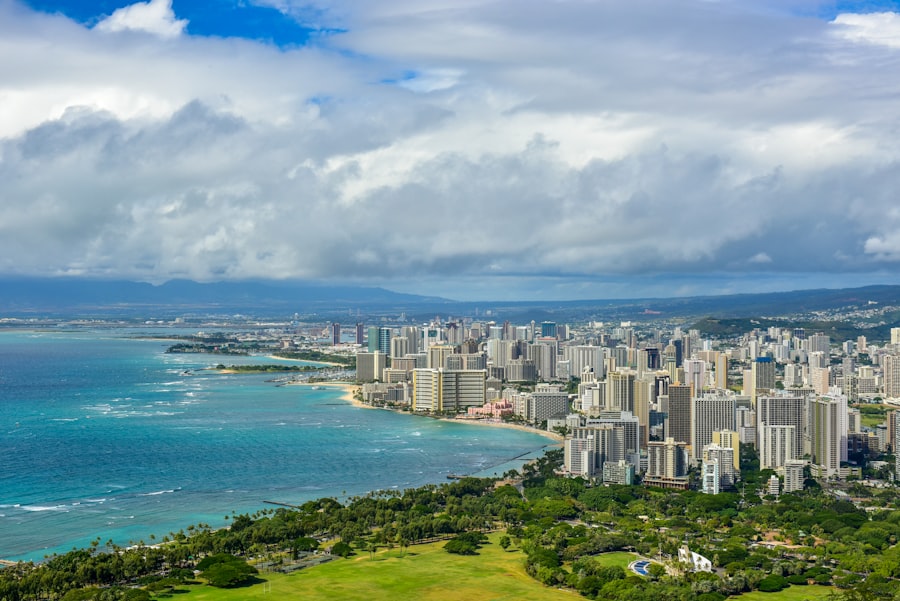
The spectator experience at the Honolulu Marathon is vibrant and engaging, with thousands of supporters lining the course to cheer on participants as they navigate through the scenic streets of Honolulu and Waikiki Beach area. Families, friends, and local residents come together to create an electrifying atmosphere that motivates runners to push through fatigue and finish strong. Spectators can enjoy various entertainment options along the route, including live music performances, hula dancers, and cultural displays that celebrate Hawaii’s rich heritage while enhancing the overall experience for both participants and onlookers.
The Community Impact of the Honolulu Marathon
The Honolulu Marathon has a profound impact on the local community, generating significant economic benefits through tourism and promoting health awareness among residents and visitors alike. The influx of participants from around the world contributes to local businesses, including hotels, restaurants, and shops that cater to marathon attendees. Moreover, the event encourages physical fitness and healthy lifestyles among residents by inspiring them to participate in training programs or volunteer opportunities associated with the marathon, fostering a culture of wellness within the community.
The Entertainment and Festivities Surrounding the Honolulu Marathon
In addition to the marathon itself, a plethora of entertainment options and festivities surround this iconic event, creating an unforgettable experience for participants and spectators alike. Pre-race activities often include an expo featuring vendors showcasing running gear, nutrition products, and health services tailored to athletes. Post-race celebrations typically feature live music performances, food vendors offering local delicacies, and awards ceremonies recognizing outstanding achievements among participants across various categories.
The Future of the Honolulu Marathon
As the Honolulu Marathon continues to grow in popularity and prestige, its future looks promising with plans for further enhancements aimed at improving participant experiences while maintaining its commitment to inclusivity and community engagement. Organizers are exploring innovative technologies such as virtual race options and enhanced tracking systems to provide real-time updates for spectators. Additionally, sustainability initiatives are being implemented to minimize environmental impact while promoting eco-friendly practices among participants and vendors during race weekend.
Tips for First-Time Participants in the Honolulu Marathon
For first-time participants in the Honolulu Marathon, preparation is key to ensuring a successful experience on race day: 1. **Start Training Early**: Begin your training program well in advance to build endurance gradually.
2. **Stay Hydrated**: Given Hawaii’s warm climate, prioritize hydration during training runs and on race day.
3.
**Familiarize Yourself with the Course**: Study the marathon route to understand elevation changes and key landmarks.
4. **Invest in Proper Gear**: Choose comfortable running shoes and moisture-wicking clothing suitable for warm weather.
5.
How to Make the Most of Your Honolulu Marathon Experience
To maximize your experience at the Honolulu Marathon: 1. **Engage with Fellow Runners**: Connect with other participants during training runs or at pre-race events to build camaraderie.
2. **Explore Local Culture**: Take time to enjoy Hawaii’s rich culture by visiting local attractions before or after the marathon.
3.
**Capture Memories**: Document your journey through photos or social media posts to share your experience with friends and family.
4. **Celebrate Your Accomplishment**: After crossing the finish line, take time to reflect on your achievement and celebrate your hard work. In summary, the Honolulu Marathon is not just a race; it is a celebration of community spirit, athleticism, and cultural heritage that brings together individuals from all walks of life in pursuit of a common goal—completing 26 miles in one of the most beautiful settings imaginable while fostering inclusivity and camaraderie among participants and spectators alike.
As runners prepare for the Honolulu Marathon 2025, it’s essential to consider all aspects of travel, including transportation options. A related article that can help you navigate the best rates for car insurance during your trip is available at Navigating the Best Rates for Car Insurance in 2025. This resource provides valuable insights that can help you save money and ensure a smooth journey to the beautiful Hawaiian islands for the marathon.
FAQs
What is the Honolulu Marathon 2025?
The Honolulu Marathon 2025 is an annual long-distance running event held in Honolulu, Hawaii. It typically attracts thousands of participants from around the world and features a scenic course through the city and along the coastline.
When will the Honolulu Marathon 2025 take place?
The Honolulu Marathon 2025 is scheduled to take place on Sunday, December 14, 2025.
Where does the Honolulu Marathon 2025 start and finish?
The marathon usually starts at Ala Moana Boulevard near Ala Moana Beach Park and finishes at Kapiolani Park, near Diamond Head in Honolulu.
How can I register for the Honolulu Marathon 2025?
Registration for the Honolulu Marathon 2025 can be completed online through the official Honolulu Marathon website. It is recommended to register early as the event is popular and spots may fill quickly.
What is the distance of the Honolulu Marathon?
The Honolulu Marathon is a full marathon with a distance of 26.2 miles (42.195 kilometers).
Are there any qualification requirements for the Honolulu Marathon 2025?
No qualifying times are required to participate in the Honolulu Marathon. It is open to runners of all levels, including beginners and experienced marathoners.
What is the typical weather like during the Honolulu Marathon?
The weather in Honolulu in December is generally warm and humid, with average temperatures ranging from the mid-60s to mid-80s Fahrenheit (around 18-29°C). Runners should prepare for potentially warm conditions.
Is there a time limit to complete the Honolulu Marathon?
Yes, the Honolulu Marathon typically has a time limit of 8 hours to complete the race.
Are there aid stations along the marathon course?
Yes, the Honolulu Marathon provides multiple aid stations along the course offering water, sports drinks, and medical assistance.
Can spectators watch the Honolulu Marathon 2025?
Yes, spectators are welcome to watch and cheer on runners along the marathon route. Popular viewing spots include the start and finish lines as well as various points along the course.
Are there other events associated with the Honolulu Marathon?
Yes, the Honolulu Marathon event weekend often includes a health and fitness expo, a pasta dinner for runners, and other community activities.
How can international participants travel to Honolulu for the marathon?
International participants can fly into Daniel K. Inouye International Airport (HNL) in Honolulu. It is advisable to plan travel and accommodations well in advance due to the event’s popularity.
Is the Honolulu Marathon 2025 a certified race?
Yes, the Honolulu Marathon is a USATF-certified course and is recognized by the International Association of Athletics Federations (IAAF).
Are there wheelchair or handcycle divisions in the Honolulu Marathon?
Yes, the Honolulu Marathon includes divisions for wheelchair and handcycle athletes.
Where can I find official results for the Honolulu Marathon 2025?
Official race results are typically posted on the Honolulu Marathon’s official website shortly after the event concludes.