Now Reading: Evolution of Apple Products: A Timeline
-
01
Evolution of Apple Products: A Timeline
Evolution of Apple Products: A Timeline
Apple Inc. was founded in 1976 by Steve Jobs, Steve Wozniak, and Ronald Wayne in Cupertino, California. The trio aimed to revolutionize personal computing, a vision that would soon materialize with the introduction of the Apple I computer.
This initial product was a simple motherboard, sold as a kit for $666.66, which appealed to hobbyists and early adopters. The Apple I was notable for its use of a single circuit board, a significant departure from the bulky systems of the time. By 1977, the company launched the Apple II, which featured a plastic casing, color graphics, and an open architecture that allowed for expansion through peripheral devices.
This model became one of the first highly successful mass-produced microcomputer products. The early years were marked by rapid growth and innovation. By 1980, Apple had gone public, raising over $100 million in its initial public offering (IPO), making it one of the largest IPOs of its time.
The company’s success was driven by its commitment to user-friendly design and functionality, which set it apart from competitors like IBM and Commodore. The introduction of VisiCalc, the first spreadsheet software for personal computers, further solidified Apple’s position in the market, as it demonstrated the practical applications of personal computing in business environments.
Key Takeaways
- Apple was founded in 1976 by Steve Jobs, Steve Wozniak, and Ronald Wayne, and the first product, the Apple I, was released in 1976.
- The Macintosh computer was introduced in 1984, revolutionizing the personal computer industry with its graphical user interface and mouse.
- The PowerBook, released in 1991, marked the beginning of Apple’s dominance in the portable computing market.
- Steve Jobs returned to Apple in 1997 and introduced the iMac, which revitalized the company and set the stage for future successes.
- The iPod and iTunes were launched in the early 2000s, transforming the music industry and solidifying Apple’s position as a leader in consumer electronics.
The Macintosh Revolution: The 1980s
The 1980s heralded a new era for Apple with the launch of the Macintosh in 1984. This groundbreaking computer was one of the first to feature a graphical user interface (GUI) and a mouse, making it accessible to a broader audience beyond tech enthusiasts.
The Macintosh’s design emphasized simplicity and ease of use, which resonated with consumers and set a new standard for personal computing. Despite its innovative features, the Macintosh faced challenges in gaining market share due to its high price point and limited software availability. However, Apple continued to refine its product line, introducing the Macintosh Plus in 1986 with enhanced memory and storage capabilities.
This period also saw the establishment of Apple’s developer community, which played a crucial role in expanding software offerings for the Macintosh platform. By the end of the decade, Apple had solidified its reputation as a leader in personal computing, paving the way for future innovations.
The PowerBook and the Rise of Portable Computing: The 1990s

The 1990s marked a significant shift in computing with the advent of portable technology.
The PowerBook featured a sleek design with an integrated keyboard and trackpad, making it more user-friendly than previous portable computers. This innovation not only catered to business professionals but also appealed to students and creatives who required mobility without sacrificing performance. As the decade progressed, Apple faced increased competition from other manufacturers entering the laptop market.
However, the introduction of the PowerBook G3 in 1997 showcased Apple’s commitment to performance and portability, featuring a powerful processor and enhanced graphics capabilities. This model became popular among graphic designers and video editors who required robust computing power on-the-go. The rise of portable computing during this era laid the groundwork for future innovations in mobile technology.
The iMac and the Return of Steve Jobs: Late 1990s
| Year | iMac Model | Processor | Storage | RAM |
|---|---|---|---|---|
| 1998 | iMac G3 | 233 MHz PowerPC G3 | 4 GB HDD | 32 MB |
| 1999 | iMac DV | 400 MHz PowerPC G3 | 10 GB HDD | 64 MB |
| 2000 | iMac DV SE | 500 MHz PowerPC G3 | 20 GB HDD | 128 MB |
In 1998, Apple introduced the iMac, a product that would redefine personal computing once again. Designed by Jony Ive, the iMac featured a striking all-in-one design with vibrant colors and a translucent casing that appealed to consumers’ aesthetic sensibilities. This product marked a turning point for Apple as it signaled Steve Jobs’ return to the company after his departure in 1985.
Under Jobs’ leadership, Apple focused on creating products that combined innovative technology with exceptional design. The iMac’s success was not solely due to its appearance; it also offered advanced features such as USB ports and built-in Ethernet connectivity, which were revolutionary at the time. The marketing campaign surrounding the iMac emphasized its ease of use and internet capabilities, attracting a new generation of users who were eager to explore digital communication.
By 2000, the iMac had become one of Apple’s best-selling products, helping to restore the company’s financial stability and reputation in the tech industry.
iPod and iTunes: Changing the Music Industry (2001-2003)
The early 2000s saw Apple venture into the music industry with the launch of the iPod in 2001. This portable media player revolutionized how people consumed music by allowing users to carry their entire music library in their pockets. The iPod’s sleek design, intuitive interface, and seamless integration with iTunes made it an instant hit among consumers.
By 2003, Apple had sold over 10 million iPods, establishing itself as a dominant player in digital music. iTunes played a crucial role in this transformation by providing a platform for users to purchase and organize their music collections legally. The introduction of the iTunes Store in 2003 further solidified Apple’s position in the music industry by offering a vast library of songs available for download at an affordable price.
This model not only benefited consumers but also provided artists with a new revenue stream in an era marked by rampant piracy. Together, the iPod and iTunes changed how music was distributed and consumed, setting new standards for digital media.
The iPhone: A Game-Changer in the Smartphone Market (2007)

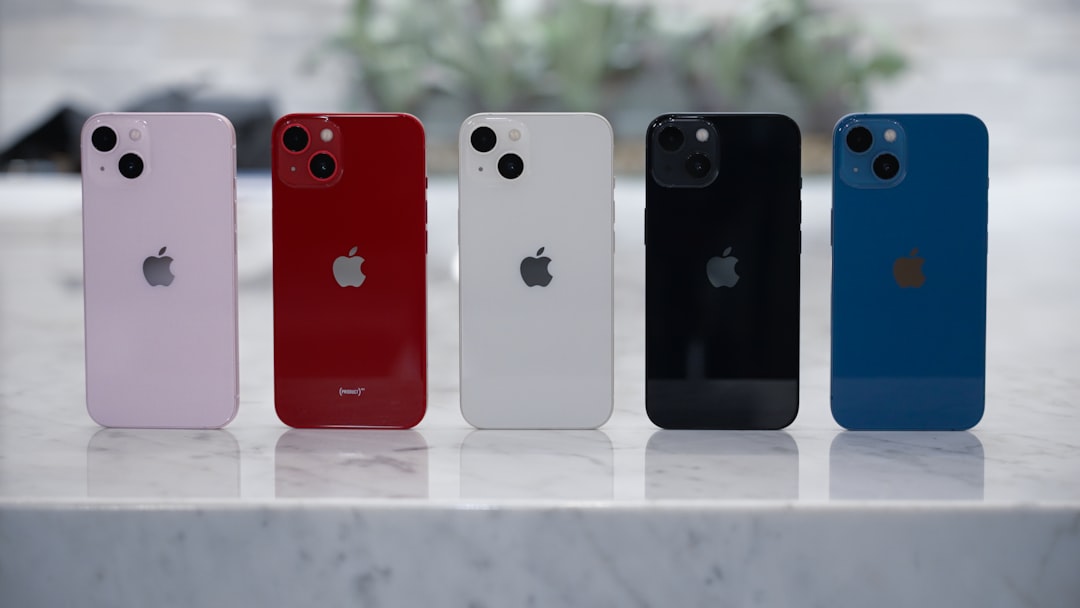
In 2007, Apple unveiled the iPhone, a device that would redefine mobile communication and computing forever. Combining a phone, an iPod, and an internet communicator into one sleek device, the iPhone introduced features such as a multi-touch screen and an intuitive user interface that set it apart from existing smartphones. The launch event was met with widespread anticipation, and upon release, it quickly became a cultural phenomenon.
The App Store’s introduction in 2008 further enhanced the iPhone’s appeal by allowing third-party developers to create applications that expanded its functionality beyond basic communication. This ecosystem fostered innovation and creativity among developers while providing users with endless possibilities for customization and utility. By 2010, Apple had sold over 100 million iPhones worldwide, solidifying its position as a leader in the smartphone market.
The iPad: Redefining the Tablet Market (2010)
In 2010, Apple introduced the iPad, a device that bridged the gap between smartphones and laptops. With its larger screen size and touch interface, the iPad offered users an immersive experience for browsing the web, watching videos, reading e-books, and playing games. The device’s lightweight design made it highly portable while maintaining powerful performance capabilities.
The iPad’s launch was met with enthusiasm from consumers and critics alike, who praised its versatility and ease of use. It quickly became popular among various demographics, including students, professionals, and casual users seeking an alternative to traditional laptops. By 2013, Apple had sold over 100 million iPads globally, establishing itself as a dominant force in the tablet market.
Apple Watch and Wearable Technology: Entry into the Wearables Market (2015)
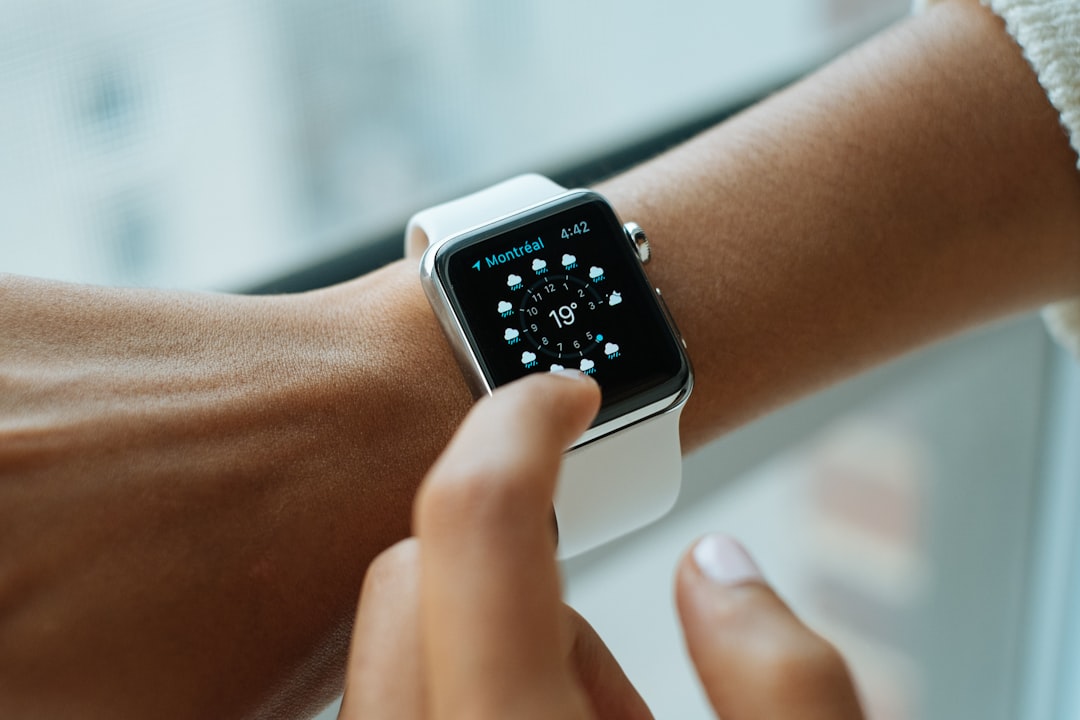
In 2015, Apple entered the wearable technology market with the launch of the Apple Watch. This smartwatch combined fitness tracking capabilities with notifications and communication features, appealing to health-conscious consumers seeking to monitor their activity levels while staying connected. The device’s customizable watch faces and interchangeable bands allowed users to express their personal style while benefiting from advanced technology.
The Apple Watch’s integration with health monitoring features such as heart rate tracking and activity rings positioned it as a valuable tool for fitness enthusiasts. Subsequent updates introduced additional health-related functionalities like ECG monitoring and fall detection, further enhancing its appeal among users concerned about their well-being. By 2020, Apple Watch had become the best-selling smartwatch globally, demonstrating Apple’s ability to innovate within emerging markets.
MacBook Pro and MacBook Air: Advancements in Laptop Technology (2006-2008)
The mid-2000s saw significant advancements in laptop technology with Apple’s introduction of the MacBook Pro and MacBook Air lines. Launched in 2006, the MacBook Pro targeted professionals seeking high-performance computing capabilities while maintaining portability. Featuring Intel processors and advanced graphics options, this model quickly gained popularity among creative professionals such as graphic designers and video editors.
In contrast, the MacBook Air debuted in 2008 as one of the thinnest laptops on the market at that time. Its ultra-slim design emphasized portability without compromising performance or battery life. The introduction of solid-state drives (SSDs) further enhanced speed and reliability compared to traditional hard drives.
Both models showcased Apple’s commitment to innovation in laptop technology while catering to diverse user needs.
The App Store and Apple Services: Expanding the Apple Ecosystem (2008)
The launch of the App Store in 2008 marked a pivotal moment for Apple as it expanded its ecosystem beyond hardware products into software services. This platform allowed developers to create applications for iOS devices while providing users access to millions of apps across various categories such as productivity, entertainment, education, and gaming. The App Store’s success fostered an environment of innovation among developers while enhancing user experience through diverse offerings.
In addition to apps, Apple began introducing subscription-based services such as Apple Music and Apple TV+, further solidifying its position within digital content distribution. These services not only generated recurring revenue streams but also created an integrated ecosystem that encouraged customer loyalty across multiple devices. By continuously expanding its services portfolio, Apple has positioned itself as a leader in both hardware innovation and software development.
The Latest Innovations: Apple’s Current and Future Products
As of October 2023, Apple continues to push boundaries with its latest innovations across various product lines. Recent releases include advancements in augmented reality (AR) technology through products like Vision Pro glasses that aim to redefine how users interact with digital content in their physical environments. Additionally, Apple’s commitment to sustainability is evident through initiatives aimed at reducing carbon emissions across its supply chain while utilizing recycled materials in product manufacturing.
Looking ahead, speculation surrounds potential developments such as foldable devices or advancements in artificial intelligence (AI) integration within existing products like Siri or HomeKit systems. As consumer demands evolve alongside technological advancements, Apple’s ability to adapt will be crucial for maintaining its competitive edge within an ever-changing landscape. In summary, Apple’s journey from its inception in 1976 to its current status as a tech giant has been marked by continuous innovation across various product lines.
From pioneering personal computing with the Macintosh to redefining mobile communication through the iPhone and expanding into wearables with the Apple Watch—each milestone reflects Apple’s commitment to enhancing user experience through cutting-edge technology combined with exceptional design principles. As we look toward future innovations on the horizon—Apple remains poised at the forefront of technological advancement while shaping how we interact with our devices daily.
If you are interested in exploring the evolution of technology products, you may also enjoy reading about the best car insurance options in 2025. Just as Apple Inc. has continuously innovated and improved its products over the years, the car insurance industry is also evolving to meet the changing needs of consumers. By staying informed about the latest trends and developments in various industries, you can make more informed decisions about the products and services you choose to invest in.
FAQs
What is the timeline of Apple Inc products?
The timeline of Apple Inc products is a chronological list of all the major products released by Apple Inc since its inception in 1976.
When was the first Apple product released?
The first Apple product, the Apple I, was released in 1976. It was a personal computer kit designed and hand-built by Steve Wozniak.
What were some of the early successful products released by Apple?
Some of the early successful products released by Apple include the Apple II, released in 1977, and the Macintosh, released in 1984.
When did Apple start releasing mobile devices?
Apple started releasing mobile devices with the launch of the iPod in 2001. This was followed by the release of the iPhone in 2007 and the iPad in 2010.
What are some of the most recent products released by Apple?
Some of the most recent products released by Apple include the iPhone 12, the MacBook Air with M1 chip, and the Apple Watch Series 6, all released in 2020.
How often does Apple release new products?
Apple typically holds product launch events several times a year, where they announce new products and updates to existing ones. The frequency of these events can vary.