Now Reading: Essential Travel Medical Insurance: Your Safety Net Abroad
-
01
Essential Travel Medical Insurance: Your Safety Net Abroad
Essential Travel Medical Insurance: Your Safety Net Abroad

Travel medical insurance is an essential component of any travel plan, particularly for international journeys.
The significance of this type of insurance cannot be overstated, as it safeguards travelers from exorbitant medical expenses that can occur in foreign healthcare systems, which may differ significantly from those in their home countries.
In an increasingly interconnected world, the likelihood of encountering health-related issues while abroad is heightened. Whether it’s a sudden illness, an accident, or a chronic condition exacerbated by travel, the implications can be severe. Travel medical insurance not only covers medical expenses but also offers peace of mind, allowing travelers to focus on their experiences rather than worrying about potential health crises.
Key Takeaways
- Travel medical insurance is important for covering unexpected medical expenses while traveling
- It covers emergency medical treatment, hospital stays, and medical evacuation
- Choose a plan that includes coverage for pre-existing conditions and emergency medical evacuation
- Benefits include peace of mind, financial protection, and access to quality healthcare
- Common misconceptions include thinking that regular travel insurance covers medical expenses
What Does Travel Medical Insurance Cover?
Travel medical insurance typically encompasses a wide range of medical services and expenses. Most plans include coverage for emergency medical treatment, hospitalization, and surgical procedures. Additionally, many policies provide benefits for ambulance services, prescription medications, and even emergency dental care.
Another critical aspect of travel medical insurance is coverage for medical evacuation. In cases where a traveler requires specialized treatment not available locally, the insurance can cover the costs associated with transporting them to a suitable medical facility. Furthermore, some plans may also include coverage for repatriation of remains in the unfortunate event of a traveler’s death abroad.
How to Choose the Right Travel Medical Insurance Plan
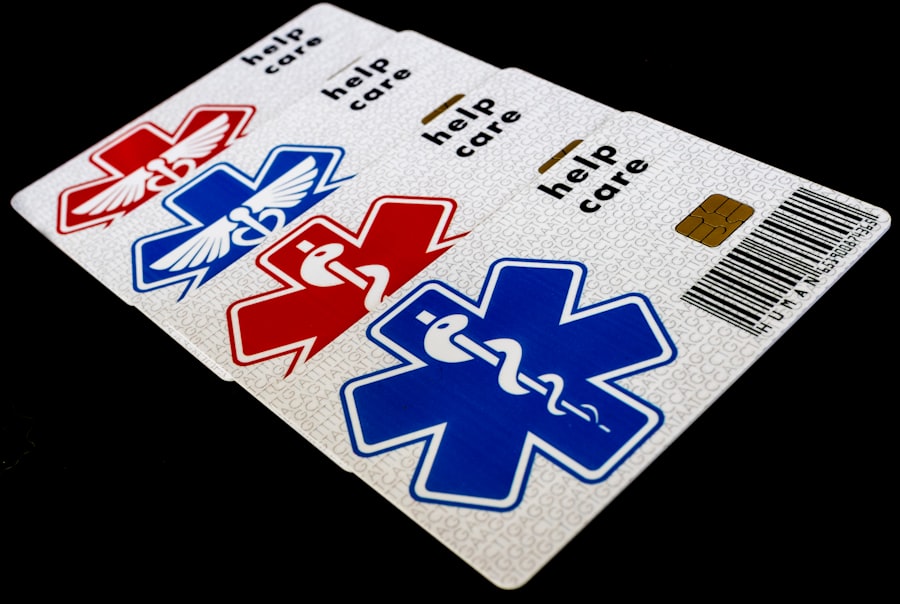
Selecting the appropriate travel medical insurance plan requires careful consideration of several factors. First and foremost, travelers should assess their specific needs based on their destination, duration of travel, and personal health conditions. It is crucial to evaluate the coverage limits and ensure they align with potential healthcare costs in the destination country.
Additionally, travelers should compare different policies to identify exclusions and limitations that may affect their coverage. Reading reviews and seeking recommendations can also provide insights into the reliability and responsiveness of insurance providers. Ultimately, choosing a plan that offers comprehensive coverage tailored to individual circumstances is vital for ensuring adequate protection during travel.
The Benefits of Travel Medical Insurance
| Benefits | Description |
|---|---|
| Emergency Medical Coverage | Provides coverage for medical emergencies while traveling abroad. |
| Evacuation Coverage | Covers the cost of emergency medical evacuation to the nearest adequate medical facility. |
| Trip Cancellation Coverage | Reimburses non-refundable trip costs if the trip is cancelled for a covered reason. |
| Lost Luggage Coverage | Provides reimbursement for lost, stolen, or damaged luggage. |
| 24/7 Assistance Services | Access to emergency assistance services for medical and travel-related emergencies. |
The advantages of travel medical insurance extend beyond mere financial protection. One of the most significant benefits is access to quality healthcare services without the burden of high out-of-pocket expenses. This access can be particularly crucial in countries where healthcare costs are prohibitively expensive for uninsured travelers.
Moreover, travel medical insurance often includes 24/7 assistance services, providing travelers with immediate support in emergencies. This can include locating nearby medical facilities, arranging transportation, and facilitating communication with healthcare providers. Such services can be invaluable in high-stress situations, ensuring that travelers receive timely and appropriate care.
Common Misconceptions about Travel Medical Insurance
Despite its importance, several misconceptions about travel medical insurance persist. One common myth is that standard health insurance plans provide adequate coverage while traveling abroad. In reality, many domestic health insurance policies offer limited or no coverage outside the policyholder’s home country, leaving travelers vulnerable to significant financial risks.
Another misconception is that travel medical insurance is only necessary for adventurous or high-risk travelers. In truth, anyone can experience unexpected health issues while traveling, regardless of their itinerary or activities. Therefore, obtaining travel medical insurance is a prudent decision for all travelers.
How to Make a Claim with Travel Medical Insurance

Navigating the claims process for travel medical insurance can seem daunting; however, understanding the steps involved can simplify the experience. First, it is essential to notify the insurance provider as soon as possible after receiving medical treatment. Most companies have specific timeframes within which claims must be reported.
Travelers should gather all relevant documentation, including medical records, receipts for expenses incurred, and any police reports if applicable. Submitting a detailed claim form along with supporting documents will facilitate a smoother claims process. It is also advisable to keep copies of all submitted materials for personal records.
The Cost of Not Having Travel Medical Insurance
The financial repercussions of traveling without medical insurance can be staggering. A single emergency room visit abroad can cost thousands of dollars, depending on the severity of the condition and the healthcare system in place. For instance, a simple appendectomy in the United States can range from $10,000 to $30,000 without insurance.
Moreover, travelers may face additional costs related to canceled trips or extended stays due to health issues. Without insurance coverage, these expenses can quickly accumulate, leading to significant financial strain. Therefore, investing in travel medical insurance is not merely a precaution; it is a necessary measure to protect against potentially devastating financial consequences.
Tips for Using Travel Medical Insurance Abroad
To maximize the benefits of travel medical insurance while abroad, travelers should familiarize themselves with their policy details before departure. Understanding coverage limits, exclusions, and the claims process will empower travelers to make informed decisions in case of emergencies. It is also advisable to carry a copy of the insurance policy and emergency contact information at all times during travel.
In case of a medical emergency, having this information readily available can expedite access to necessary services. Additionally, travelers should inform their healthcare providers about their insurance coverage when seeking treatment to ensure proper billing procedures are followed.
Understanding Exclusions and Limitations of Travel Medical Insurance
While travel medical insurance provides essential coverage, it is crucial to understand its exclusions and limitations fully. Common exclusions may include pre-existing conditions, injuries sustained while participating in high-risk activities (such as extreme sports), or incidents resulting from alcohol or drug use. Travelers should carefully read their policy documents to identify any limitations that may apply to their specific situation.
Being aware of these exclusions will help prevent unpleasant surprises when filing claims and ensure that travelers are adequately prepared for potential risks.
The Difference Between Travel Medical Insurance and Travel Insurance
Travel medical insurance and travel insurance are often confused but serve different purposes. Travel medical insurance specifically focuses on covering medical expenses incurred while traveling abroad, including emergency care and evacuation services. In contrast, travel insurance encompasses a broader range of protections beyond health-related issues.
It typically includes coverage for trip cancellations, lost luggage, flight delays, and other non-medical incidents that may disrupt travel plans. While both types of insurance are valuable for travelers, understanding their distinctions is essential for selecting the right coverage.
The Future of Travel Medical Insurance: Trends and Innovations
As the travel industry evolves, so too does the landscape of travel medical insurance. Emerging trends indicate a growing emphasis on digital solutions and telemedicine services within insurance policies. Many providers are now offering virtual consultations with healthcare professionals as part of their coverage options, allowing travelers to receive immediate advice without needing to visit a local clinic.
Additionally, advancements in technology are streamlining the claims process through mobile applications that enable travelers to submit claims digitally and track their status in real-time. These innovations enhance accessibility and efficiency in managing travel-related health issues. In conclusion, travel medical insurance is an indispensable aspect of any travel plan that provides essential protection against unforeseen health emergencies while abroad.
By understanding its importance, coverage options, and how to navigate claims processes effectively, travelers can ensure they are well-prepared for any situation that may arise during their journeys. Investing in this type of insurance not only safeguards against financial burdens but also enhances overall peace of mind while exploring new destinations around the globe.
Travel medical insurance is essential for anyone planning a trip abroad, as it provides coverage for unexpected medical expenses while away from home.