Now Reading: Essential Cardiovascular Tests for Heart Health
-
01
Essential Cardiovascular Tests for Heart Health
Essential Cardiovascular Tests for Heart Health
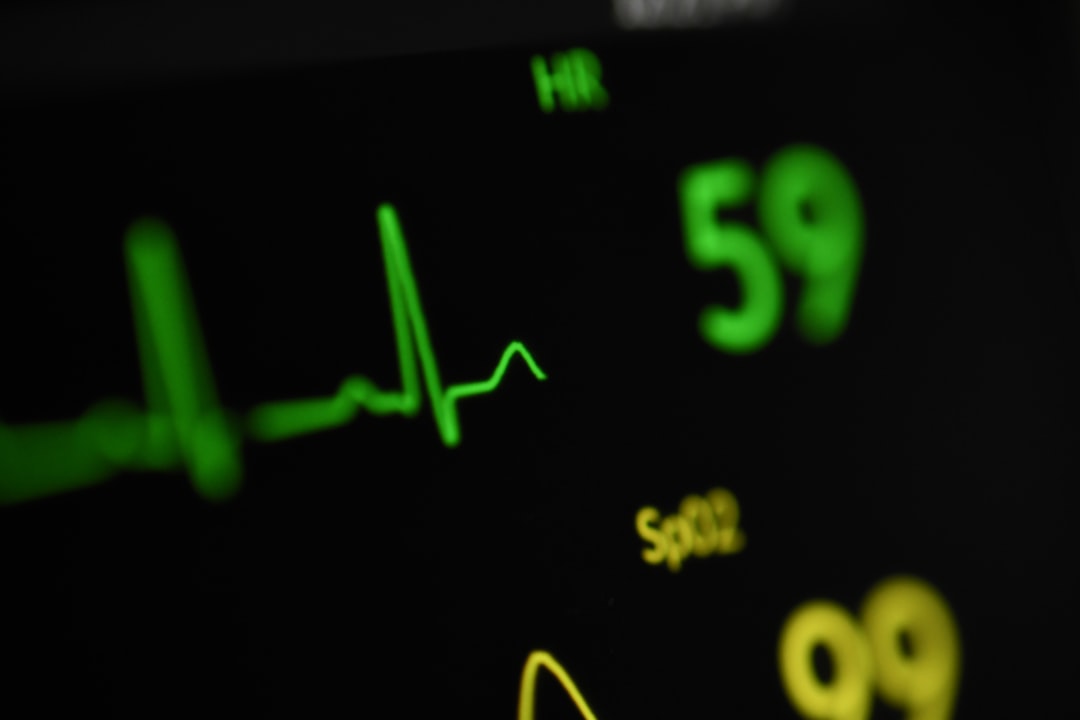
Cardiovascular tests play a pivotal role in the early detection, diagnosis, and management of heart diseases. Given that cardiovascular diseases (CVD) remain the leading cause of mortality globally, understanding the significance of these tests is crucial for both healthcare providers and patients. These assessments provide invaluable insights into the heart’s structure and function, enabling clinicians to identify risk factors, monitor existing conditions, and tailor treatment plans effectively.
The importance of cardiovascular testing extends beyond mere diagnosis; it encompasses preventive measures as well. Regular screenings can help identify individuals at risk for heart disease before symptoms manifest. This proactive approach allows for lifestyle modifications and medical interventions that can significantly reduce morbidity and mortality associated with cardiovascular conditions.
Furthermore, advancements in technology have enhanced the accuracy and reliability of these tests, making them indispensable tools in modern medicine.
Key Takeaways
- Cardiovascular tests are crucial for assessing heart health and identifying potential risks for heart disease.
- Blood pressure measurement is a simple yet important test that helps in detecting hypertension, a major risk factor for heart disease.
- Cholesterol level testing is essential for evaluating the risk of developing heart disease and determining the need for lifestyle changes or medication.
- An electrocardiogram (ECG) is a non-invasive test that records the electrical activity of the heart and helps in diagnosing various heart conditions.
- Stress tests are used to evaluate the heart’s response to physical exertion and can help in diagnosing coronary artery disease and other heart conditions.
Blood Pressure Measurement
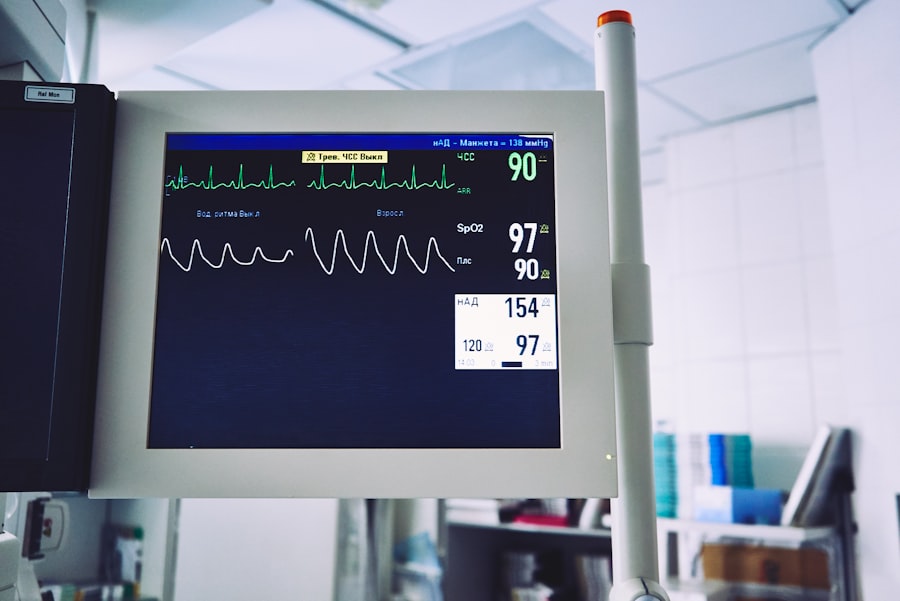
Blood pressure measurement is a fundamental cardiovascular test that assesses the force exerted by circulating blood against the walls of blood vessels. It is expressed in millimeters of mercury (mmHg) and is represented by two numbers: systolic pressure (the higher number) and diastolic pressure (the lower number). Normal blood pressure is typically defined as 120/80 mmHg.
Elevated blood pressure, or hypertension, is a significant risk factor for heart disease, stroke, and kidney failure. Regular monitoring of blood pressure is essential for early detection of hypertension. Patients are often advised to have their blood pressure checked at least once a year, or more frequently if they have risk factors such as obesity, diabetes, or a family history of heart disease.
Home blood pressure monitors are also available, allowing individuals to track their readings over time. Effective management of hypertension may involve lifestyle changes such as dietary modifications, increased physical activity, and pharmacological interventions like angiotensin-converting enzyme (ACE) inhibitors or calcium channel blockers.
Cholesterol Level Testing
Cholesterol level testing is another critical component of cardiovascular health assessment. Cholesterol is a waxy substance found in the blood that is essential for various bodily functions, including hormone production and cell membrane formation. However, elevated levels of low-density lipoprotein (LDL) cholesterol—often referred to as “bad” cholesterol—can lead to atherosclerosis, a condition characterized by the buildup of fatty deposits in the arteries. A lipid panel is typically performed to measure total cholesterol, LDL cholesterol, high-density lipoprotein (HDL) cholesterol (the “good” cholesterol), and triglycerides.
The American Heart Association recommends that adults aged 20 and older have their cholesterol levels checked every four to six years. For individuals with risk factors such as diabetes or a family history of heart disease, more frequent testing may be warranted. Management strategies for high cholesterol include lifestyle changes like adopting a heart-healthy diet rich in fruits, vegetables, whole grains, and healthy fats, as well as medications such as statins or fibrates when necessary.
Electrocardiogram (ECG)
| Metrics | Values |
|---|---|
| Heart Rate | 60-100 beats per minute |
| PR Interval | 0.12-0.20 seconds |
| QRS Duration | 0.06-0.10 seconds |
| QT Interval | 0.35-0.44 seconds |
| ST Segment | 0.08-0.12 seconds |
An electrocardiogram (ECG or EKG) is a non-invasive test that records the electrical activity of the heart over a specified period. This test provides critical information about heart rhythm, rate, and overall electrical conduction pathways. An ECG can help identify various cardiac conditions, including arrhythmias, myocardial infarction (heart attack), and other structural abnormalities.
The procedure involves placing electrodes on the skin to capture electrical impulses generated by the heart. The resulting graph displays the heart’s electrical activity in real-time. Abnormalities in the ECG waveform can indicate issues such as ischemia or hypertrophy.
In cases where an ECG reveals concerning results, further diagnostic testing may be required to ascertain the underlying cause. Treatment options may include lifestyle modifications, antiarrhythmic medications, or even surgical interventions depending on the diagnosis.
Stress Test
A stress test evaluates how well the heart performs under physical exertion. This test is particularly useful for diagnosing coronary artery disease (CAD) and assessing exercise tolerance in patients with known heart conditions. During a stress test, patients are typically asked to walk on a treadmill or ride a stationary bike while their heart rate, blood pressure, and ECG are monitored.
The test aims to induce stress on the heart to observe its response under increased workload conditions. Abnormal results may indicate insufficient blood flow to the heart muscle due to narrowed arteries. Depending on the findings, further investigations such as imaging studies or coronary angiography may be recommended.
Treatment strategies may include lifestyle changes, medication management, or interventional procedures like angioplasty or stenting.
Echocardiogram
An echocardiogram is an ultrasound-based diagnostic tool that provides real-time images of the heart’s structure and function. This non-invasive test uses sound waves to create detailed images of the heart chambers, valves, and surrounding tissues. Echocardiography is instrumental in diagnosing various cardiac conditions such as valvular heart disease, cardiomyopathy, and pericardial effusion.
There are several types of echocardiograms, including transthoracic echocardiography (TTE) and transesophageal echocardiography (TEE). TTE is performed by placing a transducer on the chest wall, while TEE involves inserting a probe down the esophagus for clearer images of the heart’s posterior structures. The results can guide treatment decisions ranging from medication management to surgical interventions like valve repair or replacement.
Cardiac CT Scan
Cardiac computed tomography (CT) scans are advanced imaging techniques that provide detailed cross-sectional images of the heart and coronary arteries. This non-invasive test is particularly useful for assessing coronary artery disease and evaluating cardiac anatomy. Cardiac CT angiography can visualize coronary artery blockages without requiring invasive catheterization.
During a cardiac CT scan, patients are typically administered a contrast dye to enhance image quality. The procedure is quick and involves minimal discomfort. Results from cardiac CT scans can help determine the presence of coronary artery disease and guide treatment options such as lifestyle changes or revascularization procedures like coronary artery bypass grafting (CABG).
Additionally, cardiac CT can be used for calcium scoring to assess plaque buildup in coronary arteries.
Cardiac MRI
Cardiac magnetic resonance imaging (MRI) is another advanced imaging modality that provides comprehensive information about cardiac structure and function without exposure to ionizing radiation. This technique utilizes powerful magnets and radio waves to generate detailed images of the heart’s anatomy and blood flow dynamics. Cardiac MRI is particularly valuable in assessing myocardial viability, detecting inflammation or scarring from previous myocardial infarctions, and evaluating congenital heart defects.
The test can also provide insights into cardiac function through measurements of ejection fraction and wall motion abnormalities. Depending on the findings from a cardiac MRI, treatment options may include medical management or surgical interventions tailored to address specific cardiac issues.
Coronary Angiography
Coronary angiography is an invasive procedure that involves injecting contrast dye into the coronary arteries to visualize blockages or narrowing using X-ray imaging. This test is often performed when non-invasive tests suggest significant coronary artery disease or when patients present with acute chest pain.
The procedure allows for direct visualization of arterial blockages and can be combined with therapeutic interventions such as angioplasty or stenting during the same session if necessary. Post-procedure care includes monitoring for complications such as bleeding or infection at the catheter insertion site.
Cardiac Catheterization
Cardiac catheterization is a diagnostic procedure that allows healthcare providers to assess various aspects of cardiac function and structure directly. This technique involves threading a thin tube (catheter) through blood vessels to reach the heart chambers or coronary arteries. In addition to coronary angiography, cardiac catheterization can be used to measure pressures within the heart chambers and assess oxygen levels in different areas of the heart.
It can also facilitate interventions such as balloon angioplasty or stent placement for treating narrowed arteries. Post-procedure monitoring is essential to ensure patient safety and manage any potential complications.
Holter Monitoring
Holter monitoring is a continuous form of electrocardiographic monitoring that records the heart’s electrical activity over 24 to 48 hours while patients go about their daily activities. This test is particularly useful for detecting intermittent arrhythmias that may not be captured during a standard ECG.
The data collected can help identify abnormal heart rhythms associated with symptoms such as palpitations or syncope (fainting). Based on Holter monitor findings, treatment options may include lifestyle modifications or antiarrhythmic medications tailored to manage specific arrhythmias effectively. In summary, cardiovascular tests are essential tools in diagnosing and managing heart diseases effectively.
From routine blood pressure measurements to advanced imaging techniques like cardiac MRI and catheterization, these assessments provide critical insights into cardiovascular health. Regular screenings can facilitate early detection and intervention, ultimately improving patient outcomes through tailored treatment strategies that may include lifestyle changes or pharmacological therapies. Understanding these tests empowers patients to take an active role in their cardiovascular health management while fostering collaboration with healthcare providers for optimal care delivery.
### FAQ Section 1. **What are cardiovascular tests?**
Cardiovascular tests are diagnostic procedures used to assess heart health by evaluating its structure and function through various methods such as imaging studies and electrical activity monitoring. 2.
**How often should I have my blood pressure checked?**
Adults should have their blood pressure measured at least once every year; those with risk factors may require more frequent assessments. 3. **What does a cholesterol test measure?**
A cholesterol test measures total cholesterol levels along with LDL (“bad”) cholesterol, HDL (“good”) cholesterol, and triglycerides.
4. **What should I do if my cholesterol levels are high?**
If your cholesterol levels are elevated, consider dietary changes such as reducing saturated fats and increasing fiber intake; consult your healthcare provider for potential medication options if necessary. 5.
**Is an ECG painful?**
No, an ECG is a painless procedure that involves placing electrodes on your skin to record electrical activity from your heart. 6. **What happens during a stress test?**
During a stress test, you will exercise on a treadmill or stationary bike while your heart rate and ECG are monitored to assess how well your heart functions under stress.
7. **How long does an echocardiogram take?**
An echocardiogram typically takes about 30-60 minutes to complete. 8.
**Are there any risks associated with cardiac catheterization?**
While generally safe, risks include bleeding at the catheter insertion site, infection, or allergic reactions to contrast dye. 9. **What does Holter monitoring involve?**
Holter monitoring involves wearing a portable device that continuously records your heart’s electrical activity over 24-48 hours while you go about your daily activities.
10. **How can I prevent cardiovascular diseases?**
Preventive measures include maintaining a healthy diet, engaging in regular physical activity, avoiding tobacco use, managing stress levels, and controlling risk factors like hypertension and diabetes through regular check-ups with your healthcare provider. By understanding these cardiovascular tests’ significance and implications for health management, individuals can take proactive steps toward maintaining optimal cardiovascular health throughout their lives.
If you are interested in cardiovascular tests, you may also want to read about the importance of investing in Amazon stock. According to this article, Amazon has shown consistent growth and profitability, making it a potentially lucrative investment opportunity. Just like how cardiovascular tests can provide valuable insights into your heart health, investing in Amazon stock could offer financial benefits in the long run.
FAQs
What are cardiovascular tests?
Cardiovascular tests are medical procedures used to assess the health and function of the heart and blood vessels. These tests can help diagnose and monitor conditions such as heart disease, high blood pressure, and other cardiovascular disorders.
What are some common types of cardiovascular tests?
Common types of cardiovascular tests include electrocardiogram (ECG or EKG), stress tests, echocardiogram, cardiac catheterization, and cardiac MRI. These tests can provide valuable information about the structure and function of the heart, as well as the presence of any abnormalities or diseases.
Why are cardiovascular tests important?
Cardiovascular tests are important for diagnosing and monitoring heart and blood vessel conditions. They can help healthcare providers assess the risk of heart disease, evaluate the effectiveness of treatments, and make informed decisions about patient care.
Who should consider getting cardiovascular tests?
Individuals with risk factors for heart disease, such as high blood pressure, high cholesterol, diabetes, obesity, and a family history of heart disease, should consider getting cardiovascular tests. Additionally, those experiencing symptoms such as chest pain, shortness of breath, or palpitations may also benefit from these tests.
Are cardiovascular tests safe?
In general, cardiovascular tests are safe procedures when performed by trained healthcare professionals. However, as with any medical procedure, there are potential risks and complications associated with certain tests. It is important to discuss any concerns with a healthcare provider before undergoing cardiovascular testing.