Now Reading: Embracing Tradition: Celebrating Mid Autumn Festival
-
01
Embracing Tradition: Celebrating Mid Autumn Festival
Embracing Tradition: Celebrating Mid Autumn Festival

The Mid Autumn Festival, also known as the Moon Festival, has a rich history that dates back over 3,000 years. Originating from ancient agricultural practices, it was initially a time for farmers to celebrate the harvest and give thanks for the bounty of the earth. The festival is deeply rooted in Chinese culture, with its significance intertwined with the lunar calendar.
Traditionally celebrated on the 15th day of the eighth month, when the moon is at its fullest and brightest, it symbolizes unity and completeness. The festival has evolved over centuries, transforming from a simple harvest celebration into a grand occasion that emphasizes family reunions and cultural heritage. The significance of the Mid Autumn Festival extends beyond mere celebration; it embodies themes of reunion, gratitude, and reflection.
Families gather to admire the moon, share stories, and enjoy traditional foods, reinforcing bonds and creating cherished memories. The festival also serves as a reminder of the importance of nature and the cycles of life. In many cultures, the moon is seen as a symbol of femininity and fertility, further enhancing its role in this festival.
As such, the Mid Autumn Festival is not only a time for festivity but also a moment for introspection and appreciation of familial ties and cultural roots.
Traditional Mid Autumn Festival Foods and Treats
One of the most iconic aspects of the Mid Autumn Festival is its array of traditional foods, particularly mooncakes. These round pastries are filled with various ingredients such as lotus seed paste, red bean paste, or even salted egg yolks, symbolizing completeness and unity. The act of sharing mooncakes among family members and friends is a gesture of goodwill and harmony.
In addition to mooncakes, other treats like pomelos and taro are also enjoyed during this festive time. Pomelos are often associated with good fortune and are believed to bring blessings to those who consume them. The preparation and presentation of these foods are steeped in tradition.
Families often engage in the art of mooncake making together, passing down recipes that have been cherished for generations. This culinary practice not only highlights the importance of food in cultural celebrations but also serves as a bonding experience for families. The variety of flavors and fillings in mooncakes reflects regional differences across China and other countries that celebrate the festival, showcasing the diversity within this shared cultural heritage.
The Symbolism of the Moon and Lanterns in Mid Autumn Festival
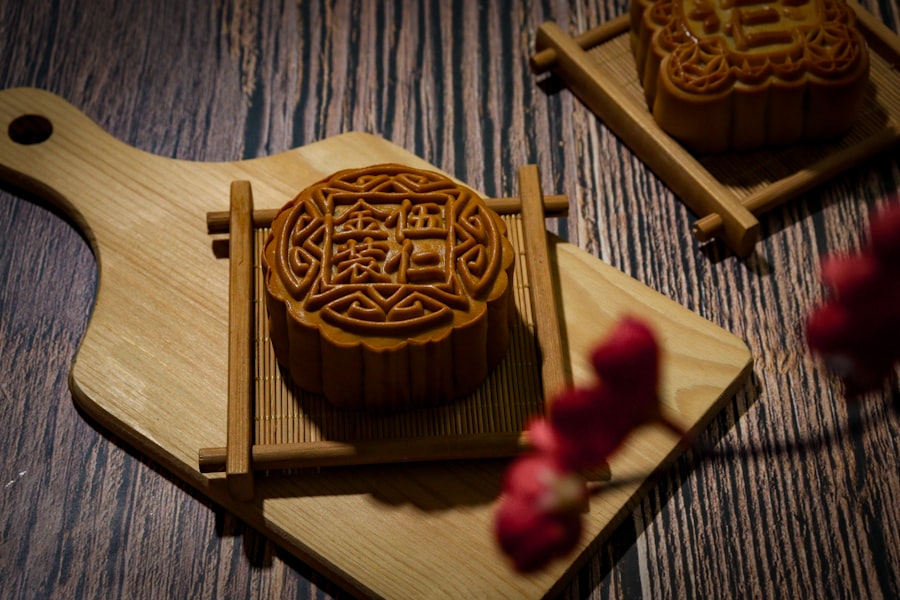
The moon holds a central place in the Mid Autumn Festival, symbolizing harmony, prosperity, and reunion. Its full form represents completeness and is often associated with the idea of family unity.
This connection to mythology adds depth to the festival’s significance, as families gather to honor their ancestors while celebrating the beauty of the moon. Lanterns also play a vital role in the festivities, illuminating the night sky and adding a magical ambiance to the celebrations. Traditionally made from paper or silk, lanterns come in various shapes and sizes, often adorned with intricate designs.
They symbolize hope and good fortune, guiding spirits back home during this time of reunion.
This practice not only enhances the festive atmosphere but also fosters a sense of community among participants.
Traditional Activities and Games During Mid Autumn Festival
| Traditional Activities and Games | Description |
|---|---|
| Mooncake Gambling | A game where participants bet on the types of mooncakes they will receive |
| Lantern Riddle Guessing | Participants guess the answers to riddles written on lanterns |
| Lion Dance | A traditional dance performed to bring good luck and fortune |
| Tug of War | A competitive game where two teams pull on opposite ends of a rope |
The Mid Autumn Festival is marked by a variety of traditional activities that bring families and communities together. One popular activity is moon gazing, where families gather outdoors to admire the full moon while enjoying tea and mooncakes. This practice encourages reflection on family ties and shared experiences, creating a serene atmosphere for connection.
Additionally, many communities organize lantern displays and parades, where people can showcase their creativity through beautifully crafted lanterns. Games also play an essential role in the festivities. One such game is “guessing lantern riddles,” where riddles are written on lanterns for participants to solve.
This activity not only entertains but also stimulates critical thinking and fosters camaraderie among friends and family members. Other traditional games may include tug-of-war or dragon dances, which add an element of excitement to the celebrations. These activities serve to strengthen community bonds while preserving cultural traditions that have been passed down through generations.
How Mid Autumn Festival is Celebrated Around the World
While the Mid Autumn Festival has its roots in Chinese culture, it is celebrated by various communities around the world, each adding its unique flavor to the festivities. In countries like Vietnam, it is known as Tết Trung Thu and is particularly focused on children. Festivities include lion dances, storytelling sessions, and special treats like bánh trung thu (Vietnamese mooncakes).
The emphasis on children during this festival highlights the importance of nurturing future generations while celebrating cultural heritage. In addition to Asia, communities in Western countries with significant Asian populations also celebrate the Mid Autumn Festival. Cities like San Francisco and Vancouver host large-scale events featuring cultural performances, food stalls, and lantern displays that attract people from diverse backgrounds.
These celebrations not only honor tradition but also promote cultural exchange and understanding among different communities. As globalization continues to shape cultural practices, the Mid Autumn Festival serves as a bridge connecting people across borders through shared values of family, gratitude, and celebration.
Modern Twists on Traditional Mid Autumn Festival Celebrations
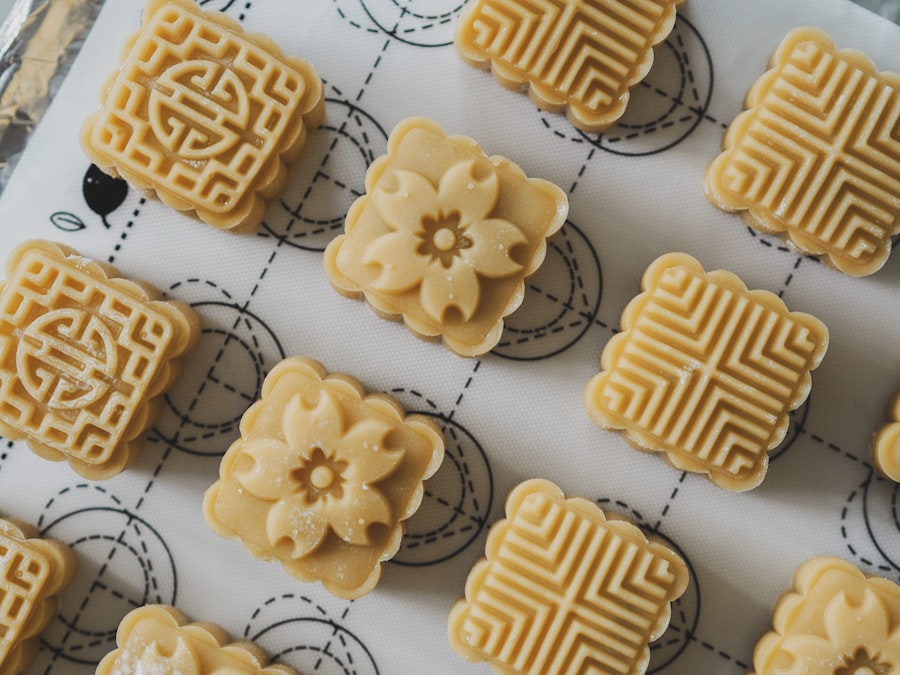
As society evolves, so too do the ways in which traditions are celebrated. The Mid Autumn Festival has seen modern twists that incorporate contemporary elements while still honoring its rich heritage. For instance, many families now opt for innovative mooncake flavors such as matcha or chocolate truffle, appealing to younger generations’ tastes while maintaining traditional forms.
This fusion of flavors reflects a broader trend in culinary practices where traditional recipes are reimagined to suit modern palates. Social media has also transformed how people celebrate the festival. Families share their celebrations online through photos and videos, showcasing their unique traditions and experiences.
This digital sharing fosters a sense of community beyond geographical boundaries, allowing individuals to connect with others who celebrate similarly. Additionally, virtual gatherings have become more common, enabling families separated by distance to partake in festivities together through video calls. These modern adaptations ensure that while traditions may evolve, their essence remains intact.
The Role of Family and Community in Mid Autumn Festival Celebrations
At its core, the Mid Autumn Festival is a celebration of family and community bonds. It serves as an opportunity for families to come together after long periods apart, reinforcing connections that may have weakened over time due to busy lifestyles or geographical distances. The act of sharing food, stories, and laughter during this festival creates lasting memories that strengthen familial ties.
Community involvement is equally significant during this time. Local organizations often host events that bring people together for communal celebrations filled with music, dance, and food stalls offering traditional treats. These gatherings foster a sense of belonging among participants while promoting cultural awareness within diverse communities.
The shared experience of celebrating the Mid Autumn Festival cultivates unity among individuals from different backgrounds who come together to honor a common heritage.
Preserving and Passing Down Mid Autumn Festival Traditions to Future Generations
As with any cultural celebration, preserving traditions for future generations is crucial for maintaining cultural identity. Families play an essential role in this process by passing down stories, recipes, and customs associated with the Mid Autumn Festival. Engaging children in activities such as mooncake making or lantern crafting not only teaches them about their heritage but also instills a sense of pride in their cultural roots.
Educational initiatives can further support this preservation effort by introducing children to the history and significance of the festival through school programs or community workshops. By fostering an appreciation for these traditions at a young age, future generations will be more likely to carry them forward into their own lives. Ultimately, ensuring that the essence of the Mid Autumn Festival endures requires collective efforts from families, communities, and educational institutions alike to keep these cherished customs alive for years to come.
The Mid Autumn Festival, also known as the Mooncake Festival, is a traditional Chinese celebration that falls on the 15th day of the 8th month in the lunar calendar. Families gather to admire the full moon, eat mooncakes, and light lanterns. To learn more about the history and significance of this festival, check out this article on boogger.com.
FAQs
What is the Mid-Autumn Festival?
The Mid-Autumn Festival, also known as the Moon Festival, is a traditional harvest festival celebrated by Chinese and Vietnamese people. It falls on the 15th day of the 8th month in the lunar calendar, which usually corresponds to September or October in the Gregorian calendar.
What are the main traditions of the Mid-Autumn Festival?
The main traditions of the Mid-Autumn Festival include family gatherings, moon gazing, lighting lanterns, and eating mooncakes. It is also a time for giving thanks for the harvest and praying for good fortune.
Why is the Mid-Autumn Festival associated with the moon?
The Mid-Autumn Festival is associated with the full moon because it is believed that the moon is at its brightest and roundest on this day. The round shape of the moon symbolizes reunion and completeness, which are important themes of the festival.
What is the significance of mooncakes during the Mid-Autumn Festival?
Mooncakes are a traditional food eaten during the Mid-Autumn Festival. They are round pastries filled with sweet or savory fillings, and are often given as gifts to friends and family. The round shape of the mooncake symbolizes completeness and unity.
How is the Mid-Autumn Festival celebrated in different countries?
The Mid-Autumn Festival is celebrated in various ways in different countries. In China, people gather with their families to eat mooncakes and light lanterns. In Vietnam, the festival is known as Tet Trung Thu and is celebrated with lion dances and children carrying colorful lanterns in parades. In other countries with Chinese and Vietnamese communities, the festival is also celebrated with traditional customs and activities.