Now Reading: Embracing the Divine: Finding Spiritual Fulfillment
-
01
Embracing the Divine: Finding Spiritual Fulfillment
Embracing the Divine: Finding Spiritual Fulfillment

The concept of the Divine transcends cultural, religious, and philosophical boundaries, embodying a profound essence that many seek to comprehend. At its core, the Divine represents an ultimate reality, a source of creation, and a guiding force that shapes existence. Various traditions interpret the Divine in multifaceted ways, ranging from monotheistic views of a singular God to polytheistic perspectives that celebrate multiple deities.
This diversity reflects humanity’s quest for meaning and connection to something greater than itself. In theological discourse, the Divine is often characterized by attributes such as omnipotence, omniscience, and omnipresence. These qualities suggest that the Divine is not only all-powerful but also intimately involved in the fabric of life.
Philosophers and mystics alike have pondered the nature of the Divine, leading to rich dialogues about its implications for human existence. Understanding the Divine invites individuals to explore their beliefs, question their assumptions, and ultimately seek a deeper relationship with the transcendent.
Key Takeaways
- Understanding and connecting with the Divine involves both inner reflection and external practices like prayer and meditation.
- Embracing the Divine within yourself fosters personal growth and spiritual fulfillment.
- Engaging with nature and community enhances the experience of the Divine in everyday life.
- Acts of service and facing challenges with faith deepen your spiritual connection.
- Recognizing the Divine across cultures enriches your spiritual perspective and nurtures a personal relationship with the Divine.
Connecting with the Divine
Establishing a connection with the Divine is a deeply personal journey that varies from individual to individual. Many find that prayer serves as a powerful conduit for this connection, allowing them to express their innermost thoughts, desires, and gratitude. Through prayer, individuals can cultivate a sense of intimacy with the Divine, fostering a relationship built on trust and openness.
This practice can take many forms, from structured prayers found in religious texts to spontaneous expressions of longing and devotion. Meditation is another profound method for connecting with the Divine. By quieting the mind and turning inward, individuals can create a sacred space for reflection and communion.
Various meditation techniques, such as mindfulness or guided imagery, can facilitate this connection by helping practitioners focus their thoughts and intentions. The stillness achieved through meditation often leads to moments of clarity and insight, allowing individuals to perceive the Divine’s presence in their lives more vividly.
Embracing the Divine within Yourself
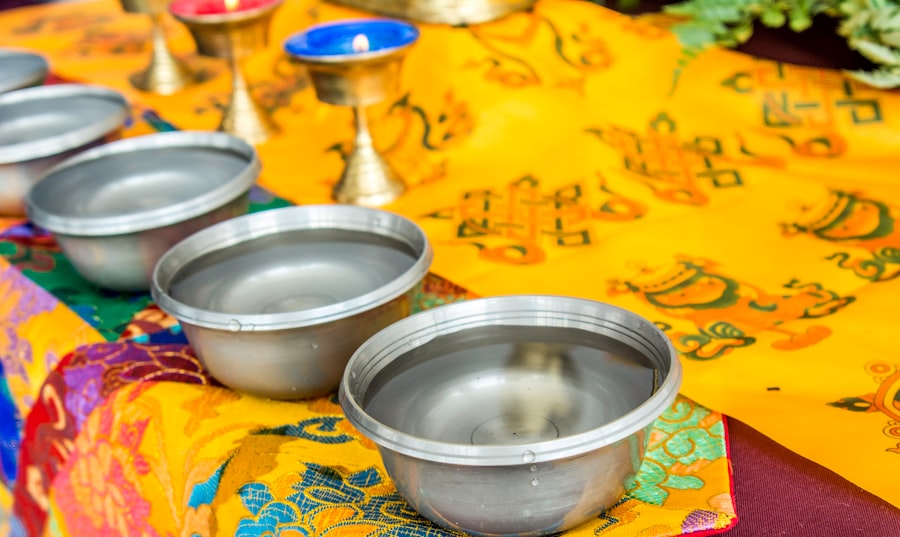
Recognizing the Divine within oneself is a transformative realization that can lead to profound personal growth.
Embracing this inner divinity encourages individuals to cultivate qualities such as compassion, love, and forgiveness, which are often seen as reflections of the Divine nature.
Self-reflection plays a crucial role in this process. By examining one’s thoughts, emotions, and behaviors, individuals can identify areas for growth and healing. Engaging in practices such as journaling or therapy can facilitate this exploration, allowing individuals to confront limiting beliefs and embrace their inherent worthiness.
As one learns to honor their own divinity, they often find themselves more capable of recognizing and honoring the divinity in others.
Finding Spiritual Fulfillment through Prayer and Meditation
Prayer and meditation are not merely practices; they are pathways to spiritual fulfillment that can enrich one’s life profoundly. Engaging in regular prayer can create a rhythm of gratitude and reflection that fosters a deeper connection with the Divine. This practice can be particularly beneficial during times of uncertainty or distress, providing solace and guidance when needed most.
The act of praying can also serve as a reminder of one’s values and intentions, helping individuals align their actions with their spiritual beliefs. Meditation complements prayer by offering a space for stillness and introspection. Through meditation, individuals can cultivate mindfulness—a state of being present in the moment—which enhances their awareness of the Divine’s presence in everyday life.
Research has shown that regular meditation can lead to reduced stress levels, improved emotional regulation, and increased feelings of connectedness. By integrating both prayer and meditation into daily routines, individuals can experience a profound sense of spiritual fulfillment that permeates all aspects of their lives.
Embracing the Divine in Nature
| Aspect | Description | Common Metrics | Example |
|---|---|---|---|
| Divine Attributes | Qualities or characteristics attributed to a deity or divine being | Omnipotence, Omniscience, Omnipresence, Benevolence | God is often described as omnipotent and omniscient |
| Divinity in Religion | Recognition or worship of a being as divine | Number of followers, number of temples, frequency of rituals | Christianity has over 2 billion followers worldwide |
| Divinity in Philosophy | Conceptual analysis of divine nature and existence | Arguments for existence (ontological, cosmological), philosophical debates | Ontological argument posits God’s necessary existence |
| Divinity in Literature | Representation of divine beings or themes in texts | Number of references, thematic prominence, symbolic usage | Divine intervention in Homer’s Iliad |
| Divinity in Art | Depiction of divine figures or concepts in visual arts | Number of artworks, styles used, cultural significance | Michelangelo’s Sistine Chapel ceiling |
Nature has long been regarded as a manifestation of the Divine, offering countless opportunities for connection and reflection. The beauty and complexity of the natural world serve as reminders of a higher power at work. Whether it is the majesty of towering mountains or the delicate intricacies of a flower, nature invites individuals to pause and appreciate the wonders surrounding them.
Engaging with nature can evoke feelings of awe and reverence, fostering a sense of unity with the universe. Spending time outdoors can also facilitate spiritual experiences that deepen one’s connection with the Divine. Activities such as hiking, gardening, or simply observing wildlife allow individuals to immerse themselves in the rhythms of nature.
These experiences often lead to moments of clarity and insight, where one may feel a profound sense of belonging within the larger tapestry of life. By embracing the Divine in nature, individuals can cultivate gratitude for the earth’s gifts while nurturing their spiritual well-being.
Cultivating a Spiritual Community

A supportive spiritual community can significantly enhance one’s journey toward understanding and connecting with the Divine. Engaging with like-minded individuals fosters an environment where shared beliefs and experiences can be explored openly. This sense of belonging provides encouragement during challenging times and celebrates milestones together, reinforcing the bonds formed through shared spirituality.
Participating in group activities such as worship services, study groups, or retreats allows individuals to deepen their understanding of spiritual concepts while learning from diverse perspectives. These interactions often lead to meaningful discussions that challenge assumptions and inspire growth. Additionally, spiritual communities provide opportunities for service and outreach, allowing members to embody their beliefs through collective action.
Embracing the Divine in Daily Life
Integrating spirituality into daily life is essential for nurturing a continuous connection with the Divine. This practice involves recognizing sacred moments in everyday activities—whether it be through mindful eating, conscious breathing, or expressing gratitude for simple pleasures. By infusing daily routines with intention and awareness, individuals can transform mundane tasks into opportunities for spiritual growth.
Mindfulness practices can enhance this integration by encouraging individuals to remain present in each moment.
As individuals learn to embrace spirituality in daily life, they often find themselves more attuned to their inner selves and more compassionate toward others.
Finding Spiritual Fulfillment through Acts of Service
Acts of service are powerful expressions of spirituality that embody love and compassion for others. Engaging in selfless acts not only benefits those in need but also fosters a sense of fulfillment within oneself. Service can take many forms—volunteering at local shelters, participating in community clean-up efforts, or simply offering support to friends and family during difficult times.
The act of giving creates a ripple effect that extends beyond individual interactions; it cultivates a sense of interconnectedness among all beings. When individuals engage in service with an open heart, they often experience moments of joy and purpose that reinforce their connection to the Divine. This fulfillment serves as a reminder that spirituality is not solely an inward journey but also an outward expression of love for humanity.
Embracing the Divine in Times of Challenge
Life’s challenges often serve as catalysts for spiritual growth and transformation. During difficult times—such as loss, illness, or personal crises—individuals may find themselves seeking solace in their understanding of the Divine. These moments can prompt deep introspection and reflection on one’s beliefs, leading to renewed faith or reevaluation of spiritual practices.
Embracing the Divine during adversity requires resilience and trust in a higher purpose. Many find comfort in prayer or meditation during these times, seeking guidance and strength from their spiritual beliefs. Additionally, connecting with supportive communities can provide encouragement and perspective when facing life’s trials.
Ultimately, these challenges can deepen one’s relationship with the Divine by fostering greater empathy and understanding.
Nurturing a Personal Relationship with the Divine
Cultivating a personal relationship with the Divine is an ongoing journey that requires intention and commitment. This relationship is unique to each individual; it evolves over time as one navigates life’s experiences and challenges. Regular practices such as prayer, meditation, or journaling can help nurture this connection by providing opportunities for reflection and dialogue with the Divine.
As individuals deepen their relationship with the Divine, they may begin to experience moments of synchronicity or divine guidance—signs that affirm their path or decisions. These experiences often serve as reminders that they are not alone on their journey; rather, they are supported by a loving presence that seeks their highest good. Nurturing this relationship fosters trust and surrender, allowing individuals to navigate life’s uncertainties with grace.
Embracing the Divine in Different Cultures and Traditions
The exploration of spirituality across various cultures reveals rich tapestries woven from diverse beliefs and practices surrounding the Divine. Each tradition offers unique insights into humanity’s quest for meaning and connection with something greater than itself. From indigenous spiritualities that honor ancestral wisdom to Eastern philosophies emphasizing harmony with nature, these diverse perspectives enrich our understanding of spirituality.
Engaging with different cultures encourages individuals to broaden their horizons while fostering respect for diverse beliefs. This exploration may involve studying sacred texts from various traditions or participating in cultural rituals that celebrate spirituality in unique ways. By embracing these differences, individuals can cultivate a more inclusive understanding of the Divine while recognizing common threads that unite humanity’s spiritual journey.
In summary, understanding and connecting with the Divine is an intricate journey that encompasses various practices such as prayer, meditation, acts of service, and engagement with nature. Embracing spirituality within oneself fosters personal growth while nurturing relationships within communities that share similar beliefs. By recognizing the presence of the Divine in daily life—especially during challenges—individuals can cultivate resilience and purpose on their spiritual path.
Ultimately, exploring diverse cultural perspectives enriches our understanding of spirituality while reminding us of our shared humanity in seeking connection with something greater than ourselves.
In exploring the concept of divinity, one can draw parallels to the themes of honor and celebration found in various cultural practices. For instance, the article on Honoring Veterans: Celebrating Nov 11 Holiday highlights the importance of recognizing and celebrating those who have served, which can be seen as a form of reverence akin to the respect often afforded to divine figures in many traditions. This connection underscores the significance of honoring both human and divine contributions to society.
FAQs
What is divinity?
Divinity refers to the state or quality of being divine, godlike, or sacred. It often relates to the nature of gods, deities, or supreme beings in various religious and spiritual traditions.
How is divinity understood in different religions?
Divinity is understood differently across religions. In monotheistic faiths like Christianity, Islam, and Judaism, divinity is attributed to a single, all-powerful God. In polytheistic religions such as Hinduism, divinity can refer to multiple gods and goddesses, each with unique attributes and powers.
What does divinity mean in philosophy?
In philosophy, divinity often explores the nature of the divine, including questions about the existence, attributes, and essence of a supreme being or ultimate reality. Philosophers examine concepts like omnipotence, omniscience, and omnipresence associated with divinity.
Can divinity be experienced personally?
Many spiritual traditions teach that divinity can be experienced personally through prayer, meditation, rituals, or mystical experiences. Such encounters are often described as moments of profound connection with a higher power or ultimate reality.
What is the difference between divinity and spirituality?
Divinity specifically refers to the nature or quality of being divine or godlike, often linked to deities. Spirituality is a broader concept that encompasses personal beliefs, practices, and experiences related to the sacred, meaning, or connection beyond the material world, which may or may not involve belief in divinity.
Is divinity only related to religion?
While divinity is commonly associated with religion, the concept can also appear in secular or philosophical contexts where it denotes ultimate perfection, transcendence, or the highest ideals beyond religious frameworks.
How is divinity represented in art and culture?
Divinity is often depicted in art, literature, and culture through symbols, icons, sculptures, and narratives that represent gods, sacred beings, or divine qualities. These representations vary widely depending on cultural and religious contexts.
What role does divinity play in ethics and morality?
In many traditions, divinity serves as the foundation for ethical and moral principles, with divine laws or commandments guiding human behavior. The concept of divinity often underpins ideas of justice, righteousness, and the ultimate purpose of life.