Now Reading: Electrical Heart Problems: Causes and Solutions
-
01
Electrical Heart Problems: Causes and Solutions
Electrical Heart Problems: Causes and Solutions
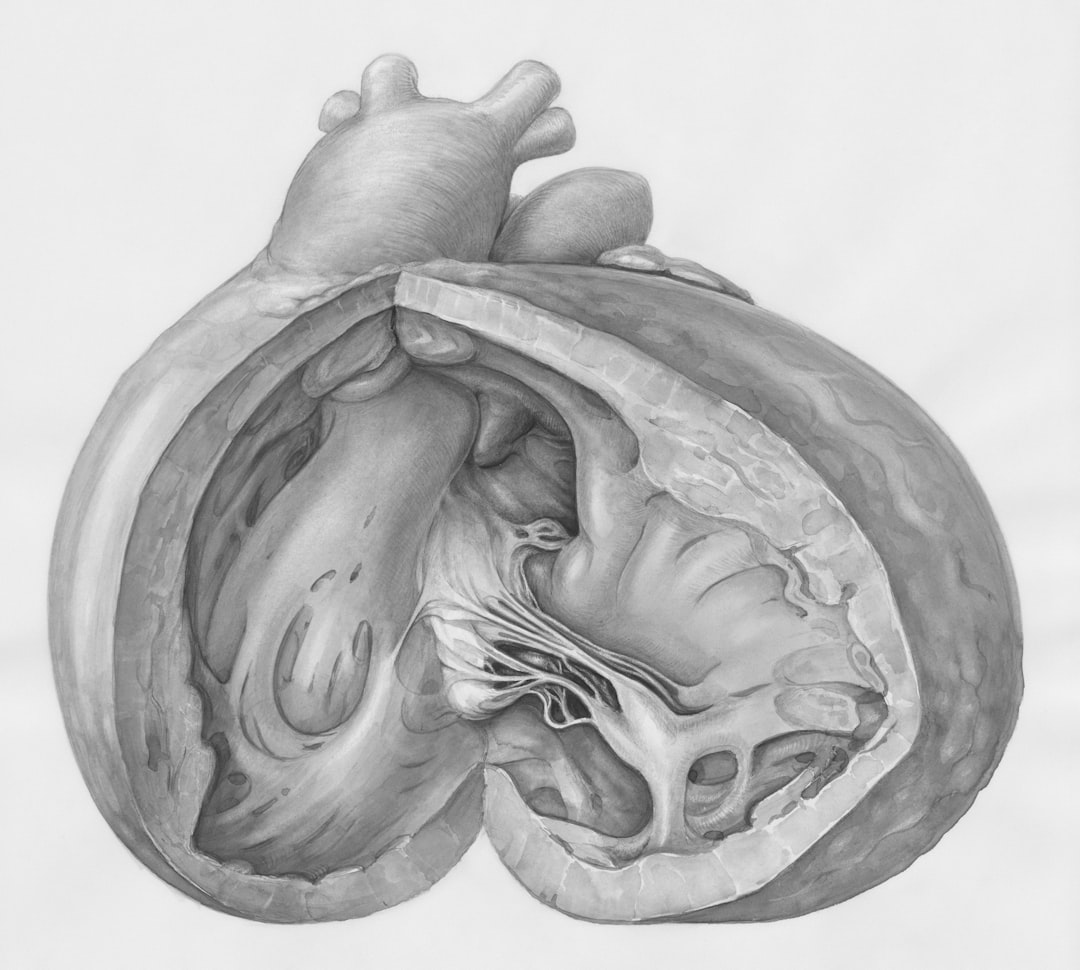
Electrical heart problems, also known as arrhythmias, represent a significant category of cardiovascular disorders characterized by irregularities in the heart’s rhythm. The heart relies on a complex electrical conduction system to maintain a consistent and effective heartbeat, ensuring that blood is pumped efficiently throughout the body. When this electrical system malfunctions, it can lead to various symptoms ranging from palpitations and dizziness to more severe complications such as stroke or sudden cardiac arrest.
Understanding these conditions is crucial for both prevention and effective management. The prevalence of electrical heart problems is notable, with millions of individuals affected globally. These disorders can occur in individuals of all ages, although they are more common in older adults.
The impact of arrhythmias on quality of life can be profound, necessitating a comprehensive approach to diagnosis, treatment, and ongoing management. This article aims to provide an in-depth exploration of electrical heart problems, including their causes, types, risk factors, diagnostic methods, treatment options, and preventive strategies.
Key Takeaways
- Electrical heart problems can lead to irregular heartbeats and other serious complications.
- Causes of electrical heart problems can include heart disease, high blood pressure, and abnormal heart rhythms.
- Common types of electrical heart problems include atrial fibrillation, ventricular tachycardia, and bradycardia.
- Risk factors for developing electrical heart problems include age, family history, and certain medical conditions.
- Diagnosis of electrical heart problems may involve tests such as electrocardiograms, echocardiograms, and stress tests.
Understanding the Causes of Electrical Heart Problems
The etiology of electrical heart problems is multifaceted, encompassing a range of factors that can disrupt the normal electrical impulses within the heart. One primary cause is structural heart disease, which may arise from conditions such as coronary artery disease, cardiomyopathy, or congenital heart defects. These structural abnormalities can interfere with the heart’s electrical pathways, leading to arrhythmias.
Additionally, electrolyte imbalances play a critical role in the development of electrical disturbances. Electrolytes such as potassium, sodium, calcium, and magnesium are essential for maintaining normal cardiac function. Abnormal levels of these minerals can result from various factors, including dehydration, kidney dysfunction, or certain medications.
Furthermore, external influences such as excessive alcohol consumption, caffeine intake, and recreational drug use can also precipitate arrhythmias by altering the heart’s electrical stability.
Common Types of Electrical Heart Problems
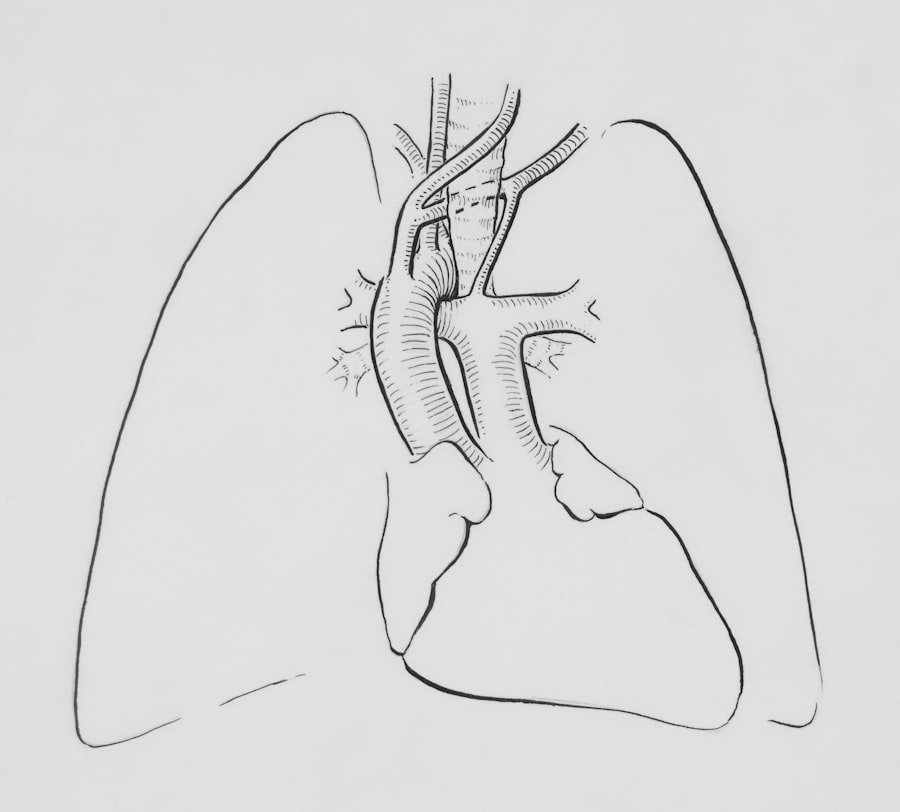
There are several common types of electrical heart problems, each with distinct characteristics and implications for patient health. Atrial fibrillation (AF) is one of the most prevalent arrhythmias, characterized by rapid and irregular beating of the atria. This condition increases the risk of thromboembolic events such as stroke due to the formation of blood clots in the atria.
Another common type is ventricular tachycardia (VT), which involves rapid heartbeats originating from the ventricles. VT can be life-threatening if it progresses to ventricular fibrillation (VF), where the heart quivers ineffectively instead of pumping blood. Other notable arrhythmias include bradycardia (abnormally slow heart rate) and supraventricular tachycardia (SVT), which involves episodes of rapid heart rate originating above the ventricles.
Each type of arrhythmia presents unique challenges in terms of diagnosis and management. Understanding these variations is essential for tailoring treatment strategies to individual patient needs.
Risk Factors for Developing Electrical Heart Problems
| Risk Factors | Description |
|---|---|
| Age | Increasing age is a significant risk factor for developing electrical heart problems. |
| Family History | A family history of heart problems can increase the risk of developing electrical heart problems. |
| High Blood Pressure | Having high blood pressure can strain the heart and increase the risk of electrical heart problems. |
| Obesity | Being overweight or obese can increase the risk of heart problems, including electrical issues. |
| Diabetes | Diabetes can damage the blood vessels and nerves that control the heart, increasing the risk of electrical heart problems. |
Several risk factors contribute to the likelihood of developing electrical heart problems. Age is a significant determinant; as individuals age, the risk of arrhythmias increases due to age-related changes in cardiac structure and function. Additionally, pre-existing cardiovascular conditions such as hypertension, diabetes mellitus, and coronary artery disease heighten susceptibility to arrhythmias.
Lifestyle factors also play a crucial role in the development of electrical heart problems. Sedentary behavior, obesity, smoking, and excessive alcohol consumption are all associated with an increased risk. Furthermore, certain genetic predispositions may render individuals more susceptible to arrhythmias, particularly those with a family history of cardiac disorders.
Understanding these risk factors is vital for implementing preventive measures and promoting cardiovascular health.
Diagnosis of Electrical Heart Problems
The diagnosis of electrical heart problems typically involves a comprehensive evaluation that includes a detailed medical history and physical examination. Healthcare providers often utilize electrocardiograms (ECGs) as a primary diagnostic tool to assess the heart’s electrical activity. An ECG provides valuable information regarding heart rate, rhythm, and any abnormalities in conduction pathways.
In some cases, additional diagnostic tests may be warranted. Holter monitoring allows for continuous ECG recording over 24 to 48 hours, capturing transient arrhythmias that may not be evident during a standard ECG. Electrophysiological studies (EPS) may also be performed to map the electrical pathways within the heart and identify specific areas responsible for arrhythmias.
Timely and accurate diagnosis is essential for determining appropriate treatment strategies and improving patient outcomes.
Treatment Options for Electrical Heart Problems
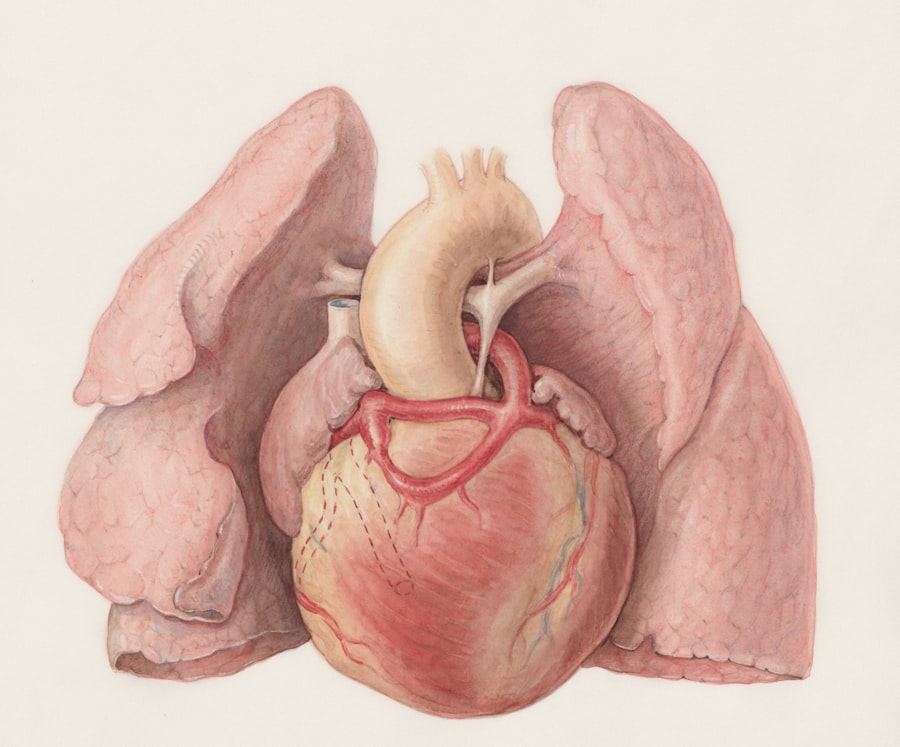
Treatment options for electrical heart problems vary based on the type and severity of the arrhythmia as well as individual patient factors. For some patients with asymptomatic or mild arrhythmias, a watchful waiting approach may be appropriate. However, when symptoms are present or when there is a risk of complications, intervention becomes necessary.
Lifestyle modifications are often recommended as an initial step in managing arrhythmias. These may include dietary changes, increased physical activity, smoking cessation, and stress management techniques. In cases where lifestyle changes alone are insufficient, pharmacological interventions or invasive procedures may be required.
Medications for Managing Electrical Heart Problems
Pharmacological management plays a pivotal role in treating electrical heart problems. Antiarrhythmic medications are commonly prescribed to restore normal rhythm or control heart rate. Class I agents such as flecainide and propafenone work by blocking sodium channels to stabilize cardiac membranes.
Class II agents like beta-blockers reduce sympathetic stimulation on the heart, effectively lowering heart rate and preventing arrhythmias. Additionally, anticoagulants such as warfarin or direct oral anticoagulants (DOACs) are often prescribed for patients with atrial fibrillation to mitigate the risk of stroke by preventing thrombus formation. The choice of medication depends on various factors including the specific type of arrhythmia, patient comorbidities, and potential drug interactions.
Lifestyle Changes to Improve Electrical Heart Health
Incorporating lifestyle changes can significantly enhance electrical heart health and reduce the risk of arrhythmias. A balanced diet rich in fruits, vegetables, whole grains, lean proteins, and healthy fats supports overall cardiovascular health. Limiting sodium intake can help manage blood pressure levels while reducing the risk of hypertension-related arrhythmias.
Regular physical activity is equally important; engaging in moderate-intensity exercise for at least 150 minutes per week can improve cardiovascular fitness and reduce stress levels. Additionally, avoiding tobacco products and moderating alcohol consumption are crucial steps in minimizing risk factors associated with electrical heart problems.
Surgical Procedures for Correcting Electrical Heart Problems
In cases where conservative management fails or when patients experience severe symptoms or complications from arrhythmias, surgical interventions may be necessary. Catheter ablation is a minimally invasive procedure that targets specific areas within the heart responsible for abnormal electrical signals. By delivering radiofrequency energy or cryotherapy to these sites, healthcare providers can effectively disrupt the pathways causing arrhythmias.
For patients with atrial fibrillation who do not respond to other treatments, surgical options such as the Maze procedure may be considered. This technique involves creating scar tissue within the atria to redirect electrical impulses and restore normal rhythm.
Complications and Long-Term Effects of Electrical Heart Problems
Electrical heart problems can lead to various complications if left untreated or poorly managed. One significant concern is the increased risk of stroke associated with conditions like atrial fibrillation due to blood clot formation in the atria. Other potential complications include heart failure resulting from prolonged tachyarrhythmias or bradyarrhythmias that impair cardiac output.
Patients may experience anxiety related to their condition or fear of sudden cardiac events. Therefore, ongoing monitoring and comprehensive management are essential for mitigating these risks.
Prevention and Management of Electrical Heart Problems
Preventive strategies play a crucial role in reducing the incidence of electrical heart problems. Regular health check-ups can facilitate early detection of risk factors such as hypertension or diabetes mellitus. Educating patients about recognizing symptoms associated with arrhythmias empowers them to seek timely medical attention.
Moreover, adherence to prescribed medications and lifestyle modifications significantly contributes to effective management. Patients should engage in open communication with healthcare providers regarding their treatment plans and any concerns they may have about their condition. In conclusion, electrical heart problems encompass a wide range of conditions that can significantly impact cardiovascular health and overall well-being.
Understanding their causes, types, risk factors, diagnostic methods, treatment options, and preventive strategies is essential for effective management. By adopting healthy lifestyle changes and adhering to medical recommendations, individuals can improve their electrical heart health and reduce their risk of complications associated with arrhythmias.
There is a fascinating article on Snoopy’s Christmas: A Timeless Holiday Celebration that discusses the enduring popularity of the beloved Peanuts character and his iconic holiday special. In a similar vein, a related article on electrical issues with the heart delves into the importance of maintaining a healthy heart rhythm to prevent potentially life-threatening conditions. This article can be found at Federal American Holidays: Celebrating National Traditions.
FAQs
What are electrical issues with the heart?
Electrical issues with the heart refer to abnormalities in the heart’s electrical system, which can disrupt the heart’s rhythm and function.
What are some common electrical issues with the heart?
Common electrical issues with the heart include arrhythmias (irregular heartbeats), atrial fibrillation, atrial flutter, ventricular tachycardia, and ventricular fibrillation.
What are the symptoms of electrical issues with the heart?
Symptoms of electrical issues with the heart may include palpitations, dizziness, fainting, shortness of breath, chest pain, and fatigue.
What causes electrical issues with the heart?
Electrical issues with the heart can be caused by various factors, including heart disease, high blood pressure, diabetes, smoking, excessive alcohol consumption, and certain medications.
How are electrical issues with the heart diagnosed?
Electrical issues with the heart are diagnosed through tests such as electrocardiogram (ECG), Holter monitor, event monitor, echocardiogram, and electrophysiology study.
What are the treatment options for electrical issues with the heart?
Treatment options for electrical issues with the heart may include medications, cardioversion, catheter ablation, implantable devices (pacemakers or defibrillators), and in some cases, surgery.