
Now Reading: Donald Trump’s Impact on National Parks
-
01
Donald Trump’s Impact on National Parks
Donald Trump’s Impact on National Parks

Donald Trump’s presidency, spanning from January 20, 2017, to January 20, 2021, was marked by a series of significant policy shifts that reverberated across various sectors, including environmental conservation and national park management. National parks, which serve as vital ecosystems and cultural heritage sites, became focal points of contention during his administration. The Trump administration’s approach to these protected areas was characterized by a blend of deregulation, budgetary constraints, and a push for resource extraction, which raised concerns among environmentalists, scientists, and the general public alike.
National parks in the United States are not only crucial for biodiversity but also play a pivotal role in tourism and local economies. With over 400 sites managed by the National Park Service (NPS), these areas encompass diverse landscapes, from the majestic Grand Canyon to the serene beauty of Acadia National Park. The policies enacted during Trump’s tenure had far-reaching implications for the preservation of these natural treasures and the ecosystems they support.
Key Takeaways
- Donald Trump’s presidency brought significant changes to national park policies, sparking controversy and public outcry.
- Budget cuts under the Trump administration had a detrimental impact on national parks, leading to reduced services and maintenance.
- The rollback of environmental protections by the Trump administration had negative effects on the natural and cultural resources of national parks.
- National parks were opened to resource extraction and development, raising concerns about the long-term preservation of these natural areas.
- The reduction of national monuments and protected areas under the Trump administration sparked legal challenges and public protests.
Changes to National Park Policies under the Trump Administration
Under Trump’s leadership, national park policies underwent significant alterations that reflected a broader agenda of deregulation and economic development. One of the most notable changes was the emphasis on energy independence, which led to increased scrutiny of existing regulations governing land use within national parks. The administration sought to streamline permitting processes for energy projects, including oil and gas drilling, which had previously been restricted in many protected areas.
Additionally, the Trump administration prioritized the reduction of federal oversight in favor of state control over land management decisions. This shift raised alarms among conservationists who feared that local governments might prioritize short-term economic gains over long-term ecological health. The administration’s approach often favored commercial interests at the expense of environmental stewardship, leading to a contentious debate about the future of America’s national parks.
Impact of Budget Cuts on National Parks
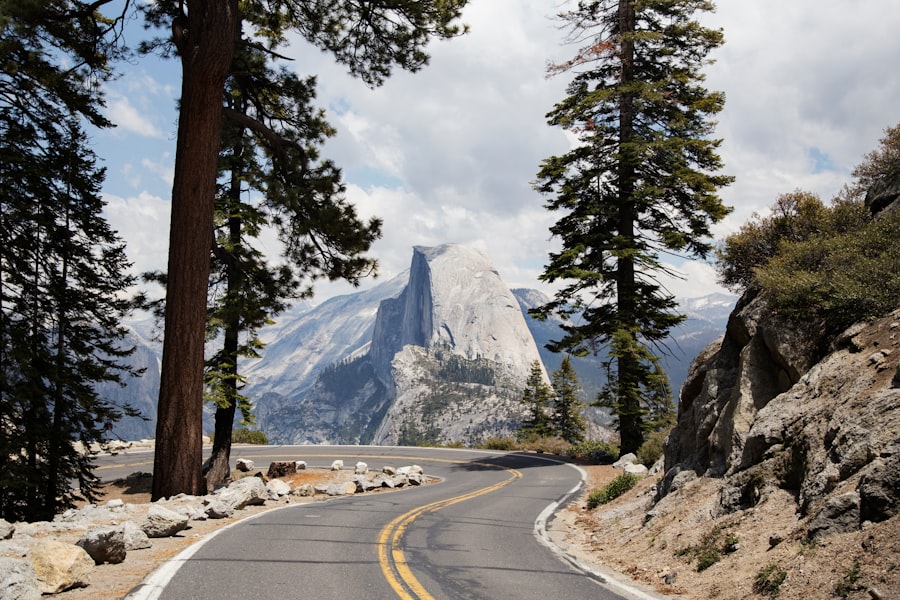
Budgetary constraints imposed during Trump’s presidency had profound effects on the National Park Service and its ability to maintain and protect park resources. The administration proposed significant cuts to the NPS budget, which would have resulted in reduced staffing levels, deferred maintenance projects, and diminished visitor services. For instance, the proposed budget for fiscal year 2020 included a reduction of approximately $500 million from previous funding levels.
These cuts exacerbated existing challenges faced by national parks, many of which were already grappling with aging infrastructure and increasing visitor numbers. The lack of adequate funding hindered essential maintenance efforts, leading to deteriorating facilities and compromised visitor safety. Furthermore, reduced staffing levels limited the capacity for educational programs and conservation initiatives, ultimately undermining the mission of the NPS to preserve natural and cultural resources for future generations.
Rollback of Environmental Protections and its Effects on National Parks
| Environmental Protection Rolled Back | Effects on National Parks |
|---|---|
| Reduced air and water quality standards | Increased pollution levels in national parks |
| Weakened regulations on methane emissions | Higher levels of greenhouse gases impacting park ecosystems |
| Opening up public lands for mining and drilling | Destruction of natural habitats and landscapes in national parks |
| Relaxing restrictions on pesticide use | Threat to wildlife and plant species in national parks |
The Trump administration’s rollback of environmental protections had significant implications for national parks and their ecosystems. Key regulations aimed at safeguarding air and water quality were weakened or eliminated altogether. For example, the repeal of the Clean Power Plan and the relaxation of emissions standards for industrial facilities posed risks to air quality in and around national parks.
These regulatory rollbacks not only threatened the health of park ecosystems but also jeopardized the experiences of millions of visitors who come to enjoy pristine natural environments. Increased pollution levels could lead to detrimental effects on wildlife habitats, plant communities, and overall biodiversity within these protected areas. The long-term consequences of such actions raised concerns about the sustainability of national parks as vital ecological reserves.
Opening National Parks to Resource Extraction and Development
One of the most controversial aspects of Trump’s policies was the push to open national parks to resource extraction and development activities. This included proposals for oil drilling, mining, and other forms of commercial exploitation within park boundaries. The administration argued that such measures would bolster economic growth and create jobs; however, critics contended that these activities would irreparably damage fragile ecosystems.
For instance, plans to allow seismic testing for oil reserves in areas adjacent to national parks raised alarms among environmental advocates who feared that such activities would disrupt wildlife migration patterns and degrade natural landscapes. The potential for increased industrial activity within or near national parks posed a direct threat to their integrity as protected areas dedicated to conservation.
Reduction of National Monuments and Protected Areas
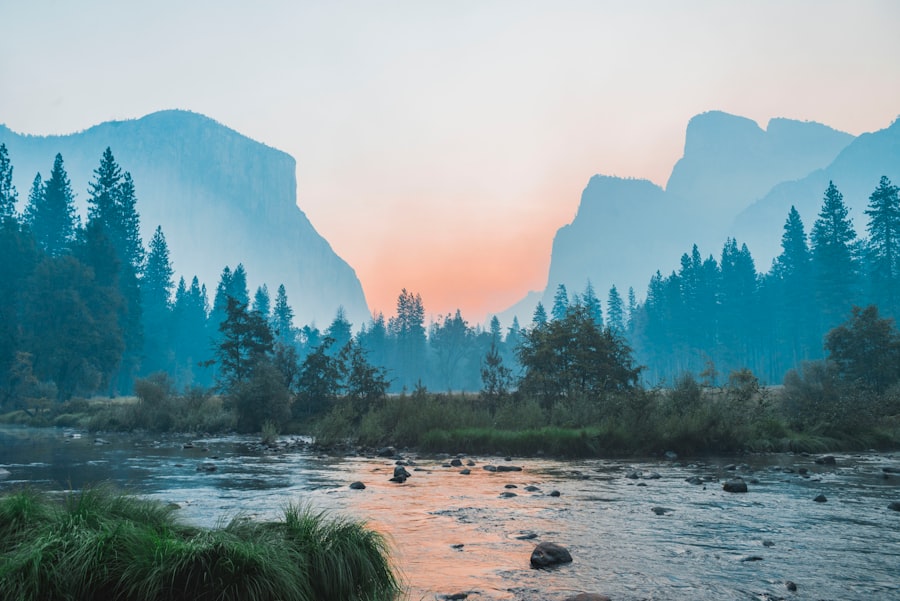
Downsizing of National Monuments
Notably, Bears Ears National Monument in Utah and Grand Staircase-Escalante National Monument were both downsized dramatically. These reductions sparked outrage among indigenous communities, conservationists, and outdoor enthusiasts who viewed these sites as irreplaceable cultural and ecological treasures.
Implications of Monument Reductions
The decision to shrink national monuments not only diminished protections for unique landscapes but also set a precedent for future administrations to reconsider existing designations.
Long-term Consequences
The implications of such actions extended beyond immediate environmental concerns; they also raised questions about the federal government’s commitment to preserving public lands for future generations.
Controversial Appointments and their Influence on National Park Management
The Trump administration’s appointments to key positions within the Department of the Interior and the National Park Service were met with scrutiny due to their perceived alignment with anti-environmental agendas. Individuals with ties to the fossil fuel industry or those who had previously advocated for reduced federal oversight were placed in influential roles, raising concerns about their commitment to conservation. These appointments influenced policy decisions regarding land management practices and resource allocation within national parks.
Critics argued that such leadership choices undermined the mission of the NPS and prioritized commercial interests over ecological integrity. The resulting shift in management philosophy had lasting effects on how national parks were governed during Trump’s presidency.
Public Response and Protests against Trump’s Policies on National Parks
The public response to Trump’s policies regarding national parks was marked by widespread protests and grassroots activism. Environmental organizations mobilized supporters to voice their opposition to budget cuts, regulatory rollbacks, and proposals for resource extraction within protected areas. Events such as “March for Science” rallies highlighted public concern over environmental issues and called for greater accountability from government officials.
Social media platforms became powerful tools for advocacy, allowing individuals to share their experiences in national parks while raising awareness about threats posed by current policies. The collective outcry from concerned citizens underscored the importance of public engagement in shaping environmental policy and protecting national treasures.
Legal Challenges and Court Decisions regarding National Park Policies
Legal challenges emerged as a response to various policies enacted during Trump’s presidency that affected national parks. Environmental groups filed lawsuits against the administration’s decisions to reduce national monuments and roll back environmental protections. Courts were tasked with evaluating whether these actions adhered to existing laws governing land management and conservation.
In several instances, judges ruled in favor of environmental advocates, reinstating protections for specific areas or blocking proposed developments that threatened park ecosystems. These legal battles underscored the ongoing tension between governmental authority and public interest in preserving natural resources.
Future Implications for National Parks under the Biden Administration
With the transition to the Biden administration in January 2021, there was renewed hope among conservationists for a shift in national park policies. President Biden’s commitment to addressing climate change and restoring environmental protections signaled a potential reversal of many Trump-era initiatives.
The Biden administration’s approach emphasizes collaboration with indigenous communities and stakeholders in managing public lands. This shift could lead to more inclusive decision-making processes that prioritize ecological health while respecting cultural heritage. The future implications for national parks under Biden’s leadership may pave the way for enhanced conservation efforts and a renewed commitment to protecting America’s natural treasures.
Donald Trump’s Legacy on National Parks
Donald Trump’s presidency left an indelible mark on national parks in the United States, characterized by significant policy shifts that prioritized economic development over environmental protection. The changes implemented during his tenure raised critical questions about the future of these cherished landscapes and their ecosystems. From budget cuts that hampered maintenance efforts to rollbacks of essential environmental regulations, Trump’s legacy is one of contention and concern among conservationists.
As we move forward into a new era under different leadership, it is essential to reflect on these experiences as lessons learned in the ongoing struggle to balance human interests with ecological preservation. The fate of America’s national parks hangs in the balance as policymakers grapple with competing priorities in an increasingly complex environmental landscape. Ultimately, safeguarding these natural treasures requires a collective commitment from all stakeholders—government officials, local communities, and citizens alike—to ensure their protection for generations to come.
In a recent article discussing the impact of Donald Trump’s policies on national parks, it was revealed that his administration had rolled back protections for these natural treasures. This decision has sparked controversy and concern among environmentalists and conservationists. To learn more about the importance of preserving our national parks, check out this article on the best Christmas markets near you, where you can support local artisans and find unique gifts for your loved ones.
FAQs
What is the significance of national parks in the United States?
National parks in the United States are protected areas of natural, cultural, and historical significance. They are managed by the National Park Service and provide opportunities for outdoor recreation, conservation of natural resources, and preservation of historic sites.
What has been Donald Trump’s impact on national parks?
During his presidency, Donald Trump implemented policies that aimed to expand energy development on public lands, including national parks. He also reduced the size of some national monuments, which sparked controversy and legal challenges.
How did Donald Trump’s policies affect environmental regulations in national parks?
Donald Trump rolled back several environmental regulations during his presidency, which had implications for national parks. This included changes to air and water pollution standards, as well as policies related to climate change and wildlife protection.
Did Donald Trump support funding for national parks?
While in office, Donald Trump proposed budget cuts to the National Park Service and other conservation programs. However, Congress ultimately approved funding for national parks, and Trump signed legislation providing financial support for maintenance and infrastructure projects in these areas.
What are some of the controversies surrounding Donald Trump’s approach to national parks?
One of the main controversies surrounding Donald Trump’s approach to national parks was his decision to reduce the size of certain national monuments, such as Bears Ears and Grand Staircase-Escalante in Utah. This move was met with criticism from environmentalists, Native American tribes, and other stakeholders.


